The Summer Meals REACH Act of 2026 expands access to the Summer Food Service Program by implementing universal child eligibility, removing geographic restrictions, and allowing for flexible, noncongregate meal service options.
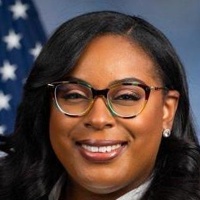
LaMonica McIver
Representative
NJ-10
The Summer Meals REACH Act of 2026 expands access to child nutrition by allowing non-congregate meal options, such as grab-and-go or delivery, in areas lacking traditional service. The bill establishes universal eligibility for all children and updates reimbursement policies to ensure broader support for summer food programs. These changes aim to eliminate geographic and economic barriers to ensure children have consistent access to meals when school is out.
Summer Meals REACH Act to Launch Universal Free Meals and Grab-and-Go Options by 2026
The Summer Meals REACH Act of 2026 is a major overhaul of how kids get fed when school is out. Currently, the Summer Food Service Program often requires children to show up at specific community centers or parks to eat their meals together in a group setting. This bill flips the script by officially allowing "noncongregate" meal service. This means no later than the first summer after the bill passes, providers can offer grab-and-go bags or even delivery services. For a parent working two jobs or a family in a rural area without a local community center, this removes the logistical nightmare of having to drop everything to get their kids to a specific site at a specific time just to eat.
Lunch for Everyone, Everywhere
Perhaps the biggest shift in this legislation is the move to universal eligibility. Under Section 2, the bill strikes down the old rules that tied meal eligibility to a specific area's economic status. In the past, if you lived in a neighborhood that wasn't technically designated as "low-income" by the government, your local site might not have been able to provide free meals to everyone. This bill changes that by making all children eligible and ensuring the government reimburses providers for every single meal served, regardless of the neighborhood's tax bracket. It simplifies life for program operators—like schools or non-profits—who no longer have to play gatekeeper or worry about the math of who qualifies.
Modernizing the Food Line
To keep up with these changes, the bill also updates how these programs are managed. Section 2 introduces flexible monitoring, allowing officials to check in on meal quality and safety either on-site or off-site. This is a nod to the digital age, potentially using video calls or digital records to ensure tax dollars are being used correctly without requiring a government inspector to drive to every single grab-and-go location. The Secretary of Agriculture is also given a one-year deadline to set firm rules that protect the program's integrity, drawing on lessons learned from previous pilot programs to make sure the food actually reaches the kids who need it.
The Reality Check
While the bill is designed to be a win for food security, the shift to delivery and grab-and-go models brings new challenges. The Secretary of Agriculture has to figure out how to prevent fraud—making sure the meals are actually going to children and not just disappearing—within a year of the bill's enactment. Because the bill leaves some of the "how-to" details to future regulations (a Medium level of vagueness), the actual success will depend on how states identify the areas that need these flexible options most. For the average family, however, the impact is clear: fewer hoops to jump through and more ways to ensure their kids have a reliable lunch during the long summer break.