Legislative Activity
Track J.'s sponsored bills, co-sponsored legislation, and voting record
The "Federal Firearms Licensee Protection Act of 2025" increases penalties for stealing firearms from licensed dealers, manufacturers, or importers, especially during burglaries or robberies, and clarifies related definitions.
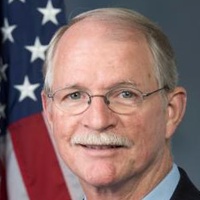
John Rutherford
Representative
FL
John Rutherford
Representative
FL
The "Federal Firearms Licensee Protection Act of 2025" increases penalties for stealing firearms from licensed dealers. It sets stricter punishments, including up to 20 years in prison, for violating laws related to firearm theft. The act also mandates minimum prison sentences of 3 years for burglaries and 5 years for robberies targeting licensed firearm businesses.
This bill authorizes a joint session of Congress to be held in Philadelphia on July 2, 2026, to commemorate the 250th anniversary of the Declaration of Independence.
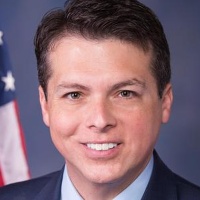
Brendan Boyle
Representative
PA
Brendan Boyle
Representative
PA
This resolution authorizes a joint session of Congress to be held at Independence National Historical Park in Philadelphia on July 2, 2026. This historic meeting will commemorate the 250th anniversary of the signing of the Declaration of Independence.
This bill directs the Joint Committee on the Library to procure and install a statue of Benjamin Franklin in the United States Capitol by the end of 2026.
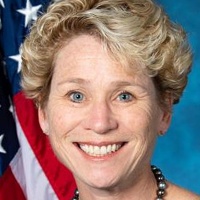
Chrissy Houlahan
Representative
PA
Chrissy Houlahan
Representative
PA
This bill directs the Joint Committee on the Library to procure a statue of Benjamin Franklin for permanent display within the United States Capitol. The statue is required to be acquired by the end of 2025 and installed in a publicly accessible location by December 31, 2026.
This resolution condemns the Iranian regime’s terrorism and human rights abuses while affirming support for the Iranian people’s right to establish a democratic, secular, and non-nuclear republic.
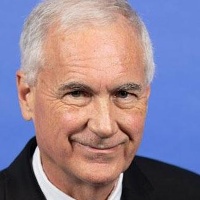
Tom McClintock
Representative
CA
Tom McClintock
Representative
CA
This resolution condemns the Iranian regime for its ongoing human rights abuses, state-sponsored terrorism, and regional instability. It expresses strong support for the Iranian people's struggle for a democratic, secular, and non-nuclear republic. Furthermore, the bill advocates for international accountability for the regime's crimes and calls for the protection of Iranian political refugees.
The "Voluntary Public Access Improvement Act of 2025" allocates \$150 million from 2025-2029 to improve public access to private lands for recreational activities, with \$3 million earmarked for enhancing access to wetland reserve easements.

Debbie Dingell
Representative
MI
Debbie Dingell
Representative
MI
The "Voluntary Public Access Improvement Act of 2025" allocates $150 million from 2025 to 2029 to improve public access to private lands for recreational purposes. It sets aside $3 million of this funding to specifically enhance access to lands covered by wetland reserve easements, through partnerships with state and tribal governments.
This bill ensures Medicare patients can continue receiving physical therapy services without interruption by allowing temporary substitute therapists ("locum tenens") to be covered when a physical therapist is temporarily unavailable.

Gus Bilirakis
Representative
FL
Gus Bilirakis
Representative
FL
The "Prevent Interruptions in Physical Therapy Act of 2025" ensures Medicare beneficiaries can continue receiving uninterrupted physical therapy services. It allows physical therapists to utilize temporary staffing arrangements, known as "locum tenens," when the regular therapist is temporarily unavailable. This ensures Medicare payments for services provided by qualified substitute physical therapists, maintaining consistent care for patients.
This bill equalizes the negotiation period for drug price negotiations under the Drug Price Negotiation Program by extending the period for small-molecule drugs from 7 years to 11 years, matching that of biologic drugs.
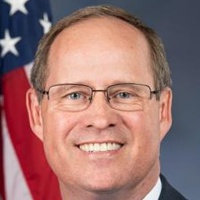
Gregory Murphy
Representative
NC
Gregory Murphy
Representative
NC
This bill amends the Social Security Act to equalize the negotiation period for drug price negotiations under the Drug Price Negotiation Program. It changes the negotiation period for small-molecule drugs from 7 years to 11 years, matching the period already in place for biologic drugs. This adjustment aims to create parity in negotiation timelines between different types of medications, effective as if included in the original legislation.
This resolution urges the United Kingdom, France, and Germany to trigger the UN "snapback" mechanism to reimpose international sanctions on Iran for its nuclear and ballistic missile violations before the provision expires in October 2025.
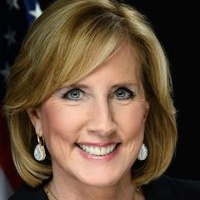
Claudia Tenney
Representative
NY
Claudia Tenney
Representative
NY
This resolution calls on the United Kingdom, France, and Germany to immediately trigger the "snapback" mechanism under UN Security Council Resolution 2231 to reimpose international sanctions on Iran. It condemns Iran’s ongoing nuclear violations and urges action before the snapback authority expires on October 18, 2025. The measure reaffirms the U.S. commitment to preventing Iran from acquiring nuclear weapons and holds the regime accountable for its destabilizing activities.
The "Death Tax Repeal Act" eliminates estate and generation-skipping transfer taxes, adjusts gift tax calculations, and sets a $10,000,000 lifetime gift exemption.
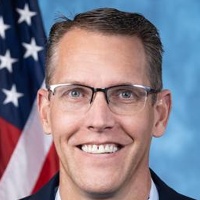
Randy Feenstra
Representative
IA
Randy Feenstra
Representative
IA
The "Death Tax Repeal Act" eliminates both estate and generation-skipping transfer taxes, effective from the date of enactment. It adjusts gift tax calculations by setting the lifetime gift exemption at $10,000,000, with inflation adjustments after 2011. The Act also includes transitional rules for applying certain sections of the Internal Revenue Code during the enactment year.
This resolution expresses Congressional opposition to imposing new performance fees or royalties on local radio stations and businesses for broadcasting or playing music.
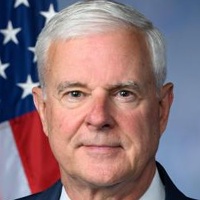
Steve Womack
Representative
AR
Steve Womack
Representative
AR
The Local Radio Freedom Act expresses Congressional opposition to imposing new performance fees, taxes, or royalties on local radio stations and businesses for playing music. It argues that the current system of free airplay provides essential promotional value to artists and that new fees would threaten the financial viability of local broadcasters and the vital community services they provide.
Protects water and wastewater treatment facilities from CERCLA liability for PFAS releases if they comply with applicable laws and are not grossly negligent.
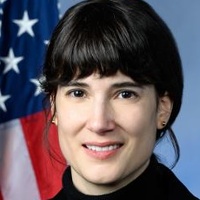
Marie Gluesenkamp Perez
Representative
WA
Marie Gluesenkamp Perez
Representative
WA
The "Water Systems PFAS Liability Protection Act" shields water and wastewater treatment facilities from CERCLA liability for PFAS releases if they comply with applicable laws and handle PFAS during or after water treatment. This protection covers specific non-polymeric PFAS and applies to public water systems, treatment works, and related entities. The exemption does not apply in cases of gross negligence or willful misconduct.
The "National Right-to-Work Act" prohibits mandatory union membership as a condition of employment, protecting employees' rights to choose whether or not to join or support a labor union.
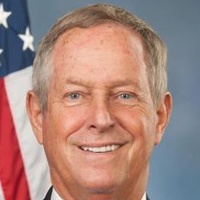
Joe Wilson
Representative
SC
Joe Wilson
Representative
SC
The "National Right-to-Work Act" amends both the National Labor Relations Act and the Railway Labor Act to protect an employee's right to choose whether or not to join or support a labor union. It eliminates the possibility of mandatory union membership or dues payments as a condition of employment, ensuring that employees cannot be forced to join or support a union against their will.
Mandates the disclosure of third parties entitled to payment from civil action settlements or judgments to ensure transparency.
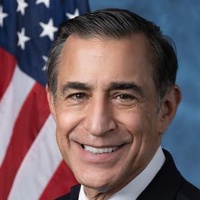
Darrell Issa
Representative
CA
Darrell Issa
Representative
CA
The Litigation Transparency Act of 2025 requires parties in civil actions to disclose the identity of any third party entitled to payment contingent on the outcome of the case, along with the relevant agreements. This disclosure aims to increase transparency in civil litigation by revealing who financially benefits from the lawsuit's outcome. Certain payments, such as loan repayments and attorney's fees, are exempt from this disclosure requirement. The Act applies to both ongoing and future court cases.
The "Freedom to Invest in Tomorrow's Workforce Act" expands the use of 529 savings accounts to cover expenses related to postsecondary credentialing programs, including tuition, fees, books, supplies, equipment, and testing fees.

Robert Wittman
Representative
VA
Robert Wittman
Representative
VA
The "Freedom to Invest in Tomorrow's Workforce Act" amends Section 529 savings accounts to include expenses related to postsecondary credentialing programs. This allows 529 funds to cover costs like tuition, fees, books, supplies, and testing fees for recognized programs and credentials, as defined by the bill. These changes would apply to distributions made after the bill is enacted.
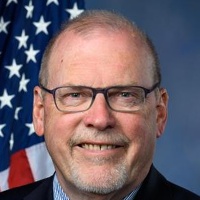
The HALT Fentanyl Act permanently classifies fentanyl-related substances as Schedule I controlled substances while streamlining registration procedures for legitimate scientific research.
H. Griffith
Representative
VA
H. Griffith
Representative
VA
The Halt All Lethal Trafficking of Fentanyl (HALT Fentanyl) Act permanently classifies fentanyl-related substances as Schedule I controlled substances to strengthen enforcement and penalties against their trafficking. Additionally, the bill streamlines registration processes for researchers to facilitate legitimate scientific study of these substances. It also includes technical corrections and mandates updated federal rulemaking to ensure effective implementation.
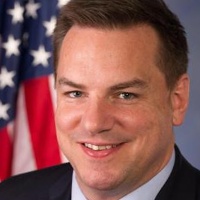
The Love Lives On Act of 2025 ensures that surviving spouses of veterans and service members retain their earned dependency compensation, survivor benefits, and TRICARE eligibility regardless of remarriage.
Richard Hudson
Representative
NC
Richard Hudson
Representative
NC
The Love Lives On Act of 2025 ensures that surviving spouses of veterans and service members retain their earned benefits, including dependency and indemnity compensation, educational assistance, and Survivor Benefit Plan annuities, regardless of remarriage. Additionally, the bill expands TRICARE eligibility to include widows and widowers whose subsequent marriages have ended. This legislation protects the financial security and healthcare access of surviving families by removing penalties associated with remarriage.
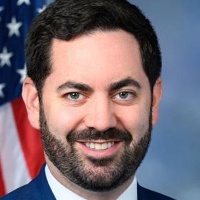
This bill directs the Department of Education to consider the International Holocaust Remembrance Alliance's definition of antisemitism when evaluating discrimination complaints under Title VI of the Civil Rights Act of 1964, while also protecting First Amendment rights.
Michael Lawler
Representative
NY
Michael Lawler
Representative
NY
The Antisemitism Awareness Act of 2025 requires the Department of Education to consider the International Holocaust Remembrance Alliance's definition of antisemitism when evaluating discrimination complaints under Title VI of the Civil Rights Act of 1964, concerning race, color, and national origin. This aims to address rising antisemitism in educational settings. The Act clarifies that it does not expand the Department of Education's authority, change existing discrimination standards, reduce existing rights, or infringe upon First Amendment rights.
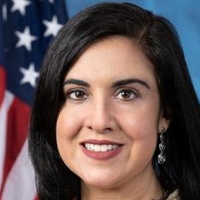
This Act authorizes the minting of commemorative coins to honor America’s 250th anniversary, with proceeds supporting the Stephen Siller Tunnel to Towers Foundation’s programs for Gold Star families, veterans, and first responders.
Nicole Malliotakis
Representative
NY
Nicole Malliotakis
Representative
NY
The 250 Years of Service and Sacrifice Commemorative Coin Act authorizes the U.S. Treasury to mint and issue commemorative coins in 2028 to honor America’s semiquincentennial and the legacy of those who serve. Proceeds from the sale of these coins will benefit the Stephen Siller Tunnel to Towers Foundation, supporting programs for Gold Star families, veterans, and first responders. The program is designed to be self-sustaining, ensuring no net cost to the federal government.
The "Household Goods Shipping Consumer Protection Act" increases consumer protection in the household goods shipping industry by strengthening enforcement against violations, allowing states to use grant funds for enforcement, and enhancing registration requirements for carriers and brokers.

Eleanor Norton
Representative
DC
Eleanor Norton
Representative
DC
The "Household Goods Shipping Consumer Protection Act" increases consumer protection in the household goods shipping industry by allowing the Secretary to enforce penalties for violations, enabling states to use grant money for enforcement and retain penalties, and setting requirements for registration. This includes defining "principal place of business," requiring disclosure of relationships within the transportation industry, and allowing the Secretary to withhold or revoke registration for non-compliance.
The Educational Choice for Children Act of 2025 establishes federal tax credits for contributions to scholarship-granting organizations, providing lower- and middle-income families with financial support for K–12 educational expenses.
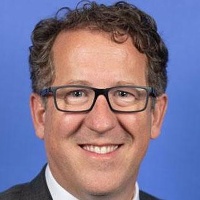
Adrian Smith
Representative
NE
Adrian Smith
Representative
NE
The Educational Choice for Children Act of 2025 establishes federal tax credits for individuals and corporations that contribute to scholarship-granting organizations. These organizations provide K–12 education scholarships to students from lower- and middle-income households to cover tuition, tutoring, and other qualified educational expenses. The bill also protects the autonomy of participating schools and scholarship organizations from government interference while ensuring that scholarship funds remain tax-free for recipient families.