Legislative Activity
Track J.'s sponsored bills, co-sponsored legislation, and voting record
The Consumer Financial Protection Accountability and Reform Act of 2026 seeks to increase the CFPB’s transparency and accountability by restructuring its funding, refining its enforcement and rulemaking standards, and establishing clearer regulatory oversight for financial institutions and consumer products.
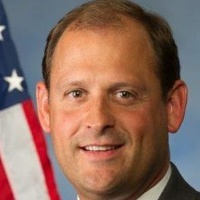
Garland Barr
Representative
KY
Garland Barr
Representative
KY
The Consumer Financial Protection Accountability and Reform Act of 2026 seeks to restructure the Consumer Financial Protection Bureau (CFPB) by bringing it under congressional appropriations and establishing more rigorous oversight and transparency requirements. The bill introduces stricter standards for enforcement actions, clarifies definitions of abusive practices, and provides new regulatory frameworks for emerging financial products like earned wage access. Additionally, it adjusts supervisory thresholds and limits the Bureau’s ability to use market-monitoring data for enforcement, aiming to increase procedural fairness for both financial institutions and consumers.
This bill authorizes a seven-year grant program for the National Law Enforcement Officers Memorial Fund to support the National Law Enforcement Museum’s educational, community outreach, and officer wellness initiatives.
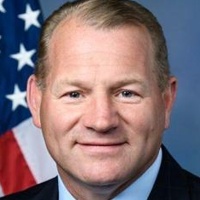
Troy Nehls
Representative
TX
Troy Nehls
Representative
TX
The National Law Enforcement Officers Remembrance, Support, and Community Outreach Act authorizes $6 million in annual grants over seven years to the National Law Enforcement Officers Memorial Fund. These funds will support the National Law Enforcement Museum’s public education, community outreach, and officer safety and wellness programs. As a condition of the grant, the museum must provide free admission to law enforcement officers and their families, as well as dedicated free hours for the general public.
The Disabled Access Credit Modernization Act expands tax credits for small businesses to cover a broader range of accessibility improvements and reasonable accommodations for individuals with disabilities.
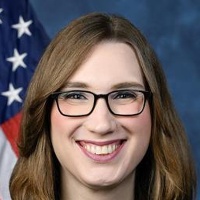
Sarah McBride
Representative
DE
Sarah McBride
Representative
DE
The Disabled Access Credit Modernization Act expands tax incentives for small businesses to invest in accessibility improvements for individuals with disabilities. The bill broadens the scope of qualifying expenses—including communication services and equipment—and clarifies that businesses can claim these credits even for accommodations that exceed ADA requirements. Additionally, the Act mandates new outreach programs to ensure small business owners are informed of these expanded tax benefits.
This bill mandates electronic prior authorization, increases transparency through required data reporting, and establishes faster decision timelines for Medicare Advantage plans to improve timely access to care for seniors.
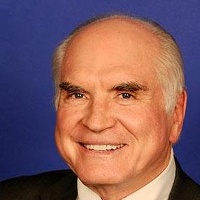
Mike Kelly
Representative
PA
Mike Kelly
Representative
PA
The Improving Seniors’ Timely Access to Care Act of 2025 aims to streamline and modernize the prior authorization process within Medicare Advantage plans. This bill mandates the adoption of electronic prior authorization systems and significantly increases transparency regarding approval rates and decision times starting in 2027. Furthermore, it establishes new enrollee protections and grants the Secretary authority to enforce faster decision timeframes for medical services.
This bill mandates the development and implementation of a comprehensive strategy to dismantle UNRWA and transition its humanitarian responsibilities to alternative, accountable organizations.
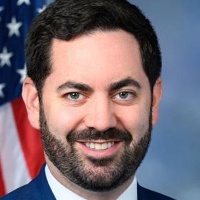
Michael Lawler
Representative
NY
Michael Lawler
Representative
NY
The "Replace UNRWA with Real Humanitarian Assistance Act" mandates that the Secretary of State develop and implement a comprehensive strategy to dismantle the United Nations Relief and Works Agency (UNRWA). The bill requires a structured transition plan to transfer UNRWA’s humanitarian services to alternative entities, ensuring continued aid while prioritizing transparency, accountability, and neutrality.
The Freedom of Association in Higher Education Act of 2026 prohibits colleges and universities that receive federal funding from taking adverse actions against students or organizations based on their participation in single-sex social groups.
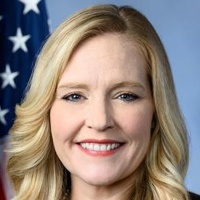
Erin Houchin
Representative
IN
Erin Houchin
Representative
IN
The Freedom of Association in Higher Education Act of 2026 protects students and single-sex social organizations from adverse actions by colleges and universities that receive federal funding. The bill ensures that students can freely join or lead these organizations without facing institutional bias or discrimination based on their membership. It establishes clear standards to prevent schools from penalizing students or organizations solely for maintaining single-sex membership policies.
This bill renames and revises the Great American Outdoors Act's maintenance fund, increases dedicated funding through new, higher fees for foreign visitors, and sets spending priorities for deferred maintenance across public lands agencies.
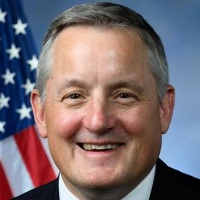
Bruce Westerman
Representative
AR
Bruce Westerman
Representative
AR
This bill, the Great American Outdoors Act 250, significantly reforms and renames the existing public lands restoration fund to the America’s Legacy Restoration Fund. It secures dedicated funding streams, primarily from energy revenues and new fees on foreign visitors, to address critical deferred maintenance across the National Park Service, Forest Service, and other public land agencies. The legislation establishes strict spending priorities for infrastructure repair while also creating pilot programs for enhancing outdoor recreation and sportsmen's access. Finally, it mandates increased transparency and accountability through standardized metrics and public reporting on all funded projects.
This bill significantly expands federal immunity for firearm manufacturers and sellers by immediately dismissing existing lawsuits and establishing strict limitations and procedural hurdles for future civil liability claims.
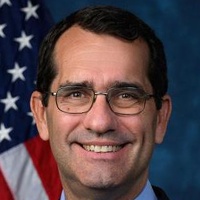
Derek Schmidt
Representative
KS
Derek Schmidt
Representative
KS
The Stopping Harmful and Outrageous Torts Act significantly expands legal immunity for firearm manufacturers, sellers, and trade associations by redefining terms within existing federal law. It mandates the immediate dismissal of pending lawsuits against these entities and establishes strict new standards for any exceptions that might apply. Furthermore, the bill preempts state and local laws that attempt to impose liability based on the criminal misuse of qualified products.
The **Take Care of America’s Veterans Act** comprehensively reforms veteran benefits, healthcare access, education opportunities, and VA organizational structure to improve services and increase accountability across the board.
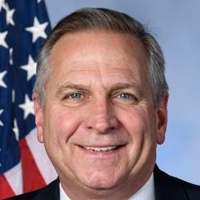
Mike Bost
Representative
IL
Mike Bost
Representative
IL
The **Take Care of America’s Veterans Act** is a comprehensive bill designed to strengthen benefits and modernize services across compensation, education, health care, and VA operations. It eliminates benefit offsets for disabled retirees, expands educational flexibility, sets new standards for timely health care access, and invests in VA technology and infrastructure. Overall, the legislation aims to provide faster, fairer, and more comprehensive support for veterans and their families.
The Jewish American Security Act aims to combat rising antisemitism through enhanced security grants, new protections for Jewish students in education, and increased transparency requirements for online platforms regarding hate speech.

Dan Goldman
Representative
NY
Dan Goldman
Representative
NY
The Jewish American Security Act addresses the rising threat of antisemitism across the nation. This bill mandates new protections for Jewish students in educational settings and significantly increases funding and administrative support for securing Jewish community institutions. Furthermore, it requires increased transparency from large online platforms regarding their moderation of antisemitic content and mandates federal assessments of domestic and transnational antisemitic threats.
The Sharri Briley and Eric Edmundson Veterans Benefits Expansion Act of 2026 increases disability compensation, enhances Dependency and Indemnity Compensation adjustments, extends certain VA home loan fee structures, and broadens VA home loan eligibility for National Guard and Reserve members.
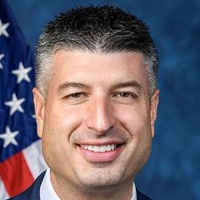
Tom Barrett
Representative
MI
Tom Barrett
Representative
MI
The Sharri Briley and Eric Edmundson Veterans Benefits Expansion Act of 2026 significantly enhances benefits for veterans and service members. It increases disability compensation with a new monthly allowance for certain veterans and ties future Dependency and Indemnity Compensation (DIC) adjustments to Social Security cost-of-living increases plus an extra percentage. The bill also expands VA home loan eligibility to include National Guard and Reserve members with at least 14 days of qualifying service, though these borrowers will pay a higher loan fee. Finally, it extends the current VA home loan fee structure and modifies definitions of active duty for Guard and Reserve components.
This bill establishes the Smithsonian American Women's History Museum, designates its site on the National Mall, and sets requirements for its mission, construction, and diverse representation of viewpoints.
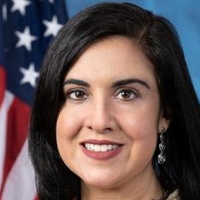
Nicole Malliotakis
Representative
NY
Nicole Malliotakis
Representative
NY
This act officially establishes the Smithsonian American Women’s History Museum and designates its location on the National Mall, requiring the transfer of land jurisdiction to the Smithsonian Institution. The museum is mandated to preserve and present the history and achievements of biological women in the United States. Furthermore, the legislation requires that exhibits and programs reflect diverse political viewpoints and authentic experiences of women, as guided by a broad array of knowledgeable sources.
This bill expands Medicare Part B coverage to reimburse for specific pharmacist services related to testing and treatment for certain public health threats, effective January 1, 2026.

Adrian Smith
Representative
NE
Adrian Smith
Representative
NE
The Ensuring Community Access to Pharmacist Services Act expands Medicare Part B coverage to include services provided by pharmacists starting January 1, 2026. This coverage is specifically for testing or treatment related to COVID-19, the flu, RSV, strep throat, or during a declared public health emergency. The bill outlines payment structures, generally covering 80% of the cost, and prohibits pharmacists from balance billing Medicare patients for these covered services.
This resolution expresses strong support for law enforcement officers and recognizes their vital role in protecting communities while opposing efforts to defund police departments.
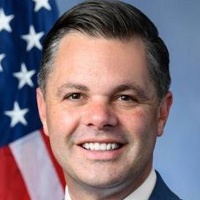
Zachary (Zach) Nunn
Representative
IA
Zachary (Zach) Nunn
Representative
IA
This resolution expresses strong support for law enforcement officers, recognizing their vital role in protecting communities and upholding the rule of law. It acknowledges the daily sacrifices officers make and affirms their essential contributions to public safety. The resolution also opposes policies that undermine law enforcement, such as defunding efforts and sanctuary policies.
This resolution designates specific dates to honor law enforcement officers killed in the line of duty and expresses support for all officers.
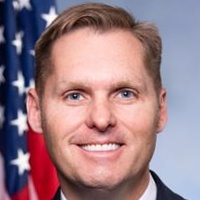
Michael Guest
Representative
MS
Michael Guest
Representative
MS
This resolution officially designates May 15, 2026, as Peace Officers Memorial Day and the week of May 10-16, 2026, as National Police Week. It honors the service and sacrifice of law enforcement officers killed in the line of duty, specifically recognizing 363 officers lost in 2025. The bill expresses unwavering support for law enforcement and acknowledges the need for proper resources to ensure officer safety.
This bill establishes the Combating Organized Retail Crime Act of 2025 to enhance federal prosecution tools against organized retail and supply chain crime and create a DHS-led coordination center to align law enforcement efforts.
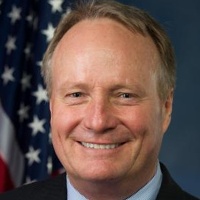
David Joyce
Representative
OH
David Joyce
Representative
OH
The Combating Organized Retail Crime Act of 2025 aims to combat sophisticated, cross-jurisdictional organized retail and supply chain theft. It achieves this by strengthening federal laws regarding money laundering and stolen property offenses, including lowering monetary thresholds for prosecution. Furthermore, the bill establishes a dedicated Center within the Department of Homeland Security to coordinate federal, state, and local enforcement efforts against these criminal organizations.
This resolution expresses support for designating July 15, 2026, as Glioblastoma Awareness Day to raise awareness and support research for this aggressive brain cancer.
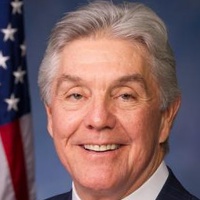
Roger Williams
Representative
TX
Roger Williams
Representative
TX
This resolution expresses support for designating July 15, 2026, as Glioblastoma Awareness Day. It aims to raise public awareness about glioblastoma, the most aggressive malignant brain tumor, and honor those affected by the disease. The bill encourages greater investment in research and collaboration to develop improved treatments and outcomes for patients.
This act mandates a feasibility report on expanding the Multinational Force Operation Olympic Defender to include Japan and the Republic of Korea.
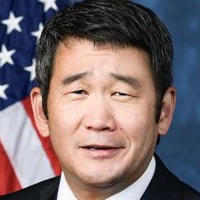
Dave Min
Representative
CA
Dave Min
Representative
CA
This act mandates a feasibility study by the U.S. Space Command on expanding the Multinational Force Operation Olympic Defender to include Japan and the Republic of Korea. The resulting report must detail the necessary policy, funding, and security considerations for their inclusion. This aims to enhance space cooperation among key Indo-Pacific allies.
This bill strengthens consumer control over personal financial data by limiting institutional sharing, granting rights to access and delete information, and establishing federal standards that preempt most state privacy laws.
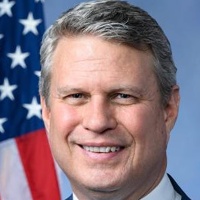
Bill Huizenga
Representative
MI
Bill Huizenga
Representative
MI
This bill significantly strengthens consumer control over personal financial data by limiting what financial institutions can collect and share, and granting customers the right to opt-out, view, or delete their information at any time. It also establishes federal law as the primary authority for financial data privacy, overriding most state-level protections. Furthermore, the legislation requires regulators to consider the unique compliance challenges faced by smaller financial institutions when creating new rules.
This bill establishes the Mystic Alerts Act, requiring certain service providers to elect whether to transmit emergency alerts via satellite and setting FCC regulations for such a system.
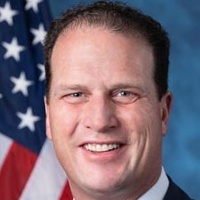
August Pfluger
Representative
TX
August Pfluger
Representative
TX
The Mystic Alerts Act requires commercial mobile service providers to choose whether to transmit emergency alerts via satellite to capable devices. If a provider elects to use satellite alerts, they must adhere to FCC technical standards and cannot charge extra fees for this service. The bill also establishes liability protections for providers who comply with the new satellite alerting requirements.