Legislative Activity
Track Richard's sponsored bills, co-sponsored legislation, and voting record
The Born-Alive Abortion Survivors Protection Act requires health care practitioners to provide the same level of care to infants born alive after an abortion attempt as they would to any other newborn, mandating immediate hospitalization and imposing penalties for violations, while protecting the mother from prosecution. It also allows the mother of a child born alive to file a civil action against anyone who violated the act.

Ann Wagner
Representative
MO
Ann Wagner
Representative
MO
The "Born-Alive Abortion Survivors Protection Act" ensures that infants born alive after an abortion receive the same medical care as any other newborn, mandating immediate hospitalization and requiring healthcare practitioners to report any failures to comply. Violators face fines, imprisonment, and potential prosecution for homicide or attempted homicide, while the mother of the child cannot be prosecuted. The bill also allows the woman who had the abortion to file a civil action against anyone who violated the act. It defines abortion and attempts at abortion, and renames "Partial-Birth Abortions" to "Abortions" in relevant sections of the U.S. Code.
The Heartbeat Protection Act of 2025 prohibits physicians from performing abortions once a fetal heartbeat is detectable, subject to specific exceptions and federal penalties.

Mike Kelly
Representative
PA
Mike Kelly
Representative
PA
The Heartbeat Protection Act of 2025 prohibits physicians from performing an abortion if a fetal heartbeat is detectable, subject to specific exceptions for medical emergencies, rape, and incest. Physicians who knowingly violate this federal law face potential fines and imprisonment, though the legislation explicitly protects the mother from prosecution. The bill also mandates strict documentation and record-keeping requirements for all heartbeat determinations and exception claims.
The Main Street Tax Certainty Act makes the 20% pass-through business income deduction permanent by removing its scheduled expiration after 2025.
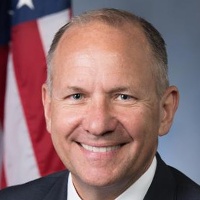
Lloyd Smucker
Representative
PA
Lloyd Smucker
Representative
PA
The Main Street Tax Certainty Act makes the 20% pass-through business income deduction permanent. By removing the current 2025 expiration date, this legislation ensures long-term tax relief for owners of qualified pass-through entities.
This bill prohibits federal funding for any institution of higher education that hosts or is affiliated with a campus-based clinic providing abortions or abortion-inducing drugs.

Chip Roy
Representative
TX
Chip Roy
Representative
TX
The Protecting Life on College Campus Act of 2025 prohibits federal funding for any institution of higher education that hosts or is affiliated with campus-based clinics providing abortions or abortion-inducing drugs. To remain eligible for federal support, institutions must submit an annual certification confirming their compliance with these restrictions.
This bill proposes a constitutional amendment to permanently set the number of Supreme Court justices at nine, requiring ratification by three-fourths of the states within seven years.

Dusty Johnson
Representative
SD
Dusty Johnson
Representative
SD
This bill proposes a constitutional amendment to fix the number of Supreme Court justices at nine. For this amendment to be valid, three-fourths of the state legislatures must ratify it within seven years of its submission.
This bill prohibits federal funding for abortions and for health insurance plans that cover abortions, clarifies these prohibitions under the Affordable Care Act, and requires health plans to disclose the extent of their abortion coverage and any related surcharges.
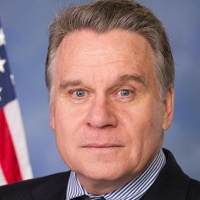
Christopher Smith
Representative
NJ
Christopher Smith
Representative
NJ
The "No Taxpayer Funding for Abortion and Abortion Insurance Full Disclosure Act of 2025" seeks to prohibit the use of federal funds for abortions and for health plans that cover abortions, while allowing individuals and entities to purchase separate abortion coverage with non-federal funds. It clarifies that premium tax credits and cost-sharing reductions under the Affordable Care Act (ACA) cannot be used for health plans that include abortion coverage. The Act also revises notice requirements for health plans, mandating clear disclosure of abortion coverage and any associated premium surcharges to enrollees. Exceptions to the funding restrictions are included for cases of rape, incest, or when the mother's life is in danger.
The ALIGN Act permanently establishes 100 percent bonus depreciation for qualified business property, eliminating scheduled phase-downs to encourage long-term capital investment.
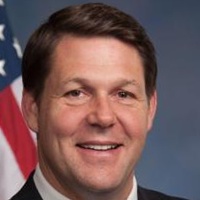
Jodey Arrington
Representative
TX
Jodey Arrington
Representative
TX
The ALIGN Act makes 100% "bonus depreciation" permanent for qualified business property, eliminating scheduled phase-downs to encourage long-term capital investment. By allowing businesses to fully expense these investments immediately, the bill provides a consistent tax incentive for growth. These changes apply retroactively to ensure stability for businesses that have invested in equipment and property since 2017.
Sarah’s Law mandates the detention of noncitizens charged with crimes resulting in death or serious bodily injury and requires the Department of Homeland Security to provide timely updates to victims or their families.
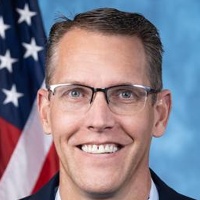
Randy Feenstra
Representative
IA
Randy Feenstra
Representative
IA
Sarah’s Law mandates the detention of noncitizens who are charged with or convicted of crimes resulting in death or serious bodily injury. The bill also requires the Department of Homeland Security to issue detainers for these individuals and provide victims or their families with timely, ongoing updates regarding the offender's immigration and custody status.
The Birthright Citizenship Act of 2025 limits automatic birthright citizenship to children born in the U.S. to at least one parent who is a U.S. citizen, a lawful permanent resident, or an alien serving in the U.S. armed forces.

Brian Babin
Representative
TX
Brian Babin
Representative
TX
The Birthright Citizenship Act of 2025 proposes to limit automatic birthright citizenship to children born in the United States who have at least one parent who is a U.S. citizen, a lawful permanent resident, or an alien serving in the U.S. armed forces. This legislation would exclude children born to parents without legal status or those on temporary visas from receiving automatic citizenship. These changes would apply only to individuals born on or after the date of the Act's enactment.
This bill mandates the destruction of existing firearm transaction records from closed businesses and prohibits the ATF from collecting such records in the future.
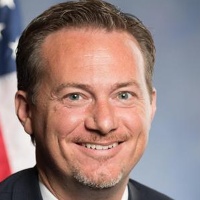
Michael Cloud
Representative
TX
Michael Cloud
Representative
TX
The "No Retaining Every Gun In a System That Restricts Your Rights Act" mandates the destruction of all firearm transaction records currently held by the ATF from discontinued businesses. Furthermore, it amends federal law to prohibit the future collection and transfer of these records to the government when a firearms business ceases operations. The bill also requires the ATF to submit a formal report to Congress confirming the number of records destroyed.
The No Tax on Tips Act provides a federal income tax deduction of up to $25,000 for qualified cash tips and extends the FICA tax credit for employer-paid tips to include beauty service establishments.

Vern Buchanan
Representative
FL
Vern Buchanan
Representative
FL
The "No Tax on Tips Act" proposes a federal tax deduction of up to $25,000 per year for cash tips received by workers in traditionally tipped occupations. Additionally, the bill expands the existing tax credit for employer-paid Social Security taxes on tips to include beauty service establishments. These changes are designed to provide tax relief for service workers and support businesses where tipping is customary.
The Lumbee Fairness Act grants full federal recognition to the Lumbee Tribe of North Carolina, establishing their eligibility for federal services, benefits, and land-into-trust protections.
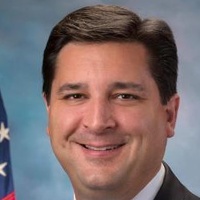
David Rouzer
Representative
NC
David Rouzer
Representative
NC
The Lumbee Fairness Act grants full federal recognition to the Lumbee Tribe of North Carolina, extending eligibility for federal services and benefits to its members. The bill establishes a framework for tribal roll verification, authorizes the Secretary of the Interior to take land into trust for the tribe, and outlines the jurisdictional relationship between the tribe, the state, and the federal government.
This bill increases the railroad track maintenance tax credit, introduces annual inflation adjustments, and extends the eligibility period for qualifying expenditures.
Mike Kelly
Representative
PA
Mike Kelly
Representative
PA
This bill amends the Internal Revenue Code to expand the railroad track maintenance credit by increasing the per-mile tax credit to $6,100 and implementing annual inflation adjustments starting in 2026. It also extends the eligibility window for qualifying maintenance expenditures to include costs incurred through 2023. These updates aim to provide greater financial support for ongoing railroad infrastructure improvements.
This bill reclassifies silencers under federal tax law, removes federal registration requirements for legally transferred silencers, preempts state taxation and registration of silencers in commerce, and mandates the destruction of existing federal silencer registration records.

Ben Cline
Representative
VA
Ben Cline
Representative
VA
The Hearing Protection Act aims to remove silencers from the purview of the National Firearms Act (NFA) by treating them similarly to standard firearms under federal tax law. This legislation preempts certain state and local taxes and registration requirements related to silencers involved in interstate commerce. Furthermore, the bill mandates the destruction of existing federal silencer registration records and updates federal marking requirements for manufacturers.
This bill amends Title IX to prohibit schools receiving federal funds from allowing males to participate in female athletic programs, defining "sex" as determined at birth, while allowing males to train with female teams if it doesn't deprive females of opportunities or benefits. It also requires a study on the impact of male participation in female sports.
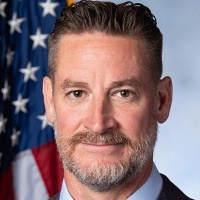
W. Steube
Representative
FL
W. Steube
Representative
FL
The "Protection of Women and Girls in Sports Act of 2025" amends Title IX to prohibit schools receiving federal funds from allowing males to participate in female athletic programs. Sex is defined as based on reproductive biology and genetics at birth. The bill allows males to train with female teams if it doesn't deprive females of opportunities. It also requires a study on the benefits lost to women when males participate in female sports.
The Thin Blue Line Act amends federal law to include the killing or attempted killing of law enforcement officers, firefighters, and other first responders as an aggravating factor in capital sentencing cases.
Vern Buchanan
Representative
FL
Vern Buchanan
Representative
FL
The Thin Blue Line Act amends federal law to designate the killing or attempted killing of a law enforcement officer, firefighter, or first responder as an aggravating factor in capital sentencing. This legislation ensures that when a jury considers the death penalty, they must take into account whether the victim was targeted due to their status as a public servant or while performing their official duties.
This bill expresses support for the Geneva Consensus Declaration, which promotes women's health, strengthens the family, and asserts national sovereignty in healthcare, while opposing abortion and coercive family planning. It urges the U.S. to rejoin the declaration and uphold its principles.
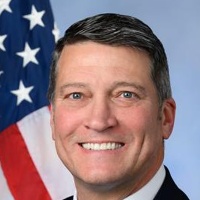
Ronny Jackson
Representative
TX
Ronny Jackson
Representative
TX
This bill expresses support for the Geneva Consensus Declaration, which promotes women's health, strengthens the family, and upholds national sovereignty in healthcare. It affirms the principles of the declaration, including the value of life and the family's role in society and seeks to ensure that U.S. policy aligns with these values by not funding abortions or coercive family planning in foreign countries. The bill also encourages other countries to uphold these principles.
The Valor Earned Not Stolen Act of 2025 increases prison sentences for those who fraudulently claim to have received military medals and mandates a federal study on benefits obtained through such deception.

Beth Van Duyne
Representative
TX
Beth Van Duyne
Representative
TX
The Valor Earned Not Stolen Act of 2025 increases the maximum prison sentence from one to three years for individuals who fraudulently claim to have received military medals, decorations, or combat badges. Additionally, the bill mandates a federal study to identify and address instances where such fraudulent claims have been used to illegally obtain government or veteran benefits.
The REMAIN in Mexico Act of 2025 mandates the implementation of the Migrant Protection Protocols, requiring asylum seekers to wait in Mexico while their claims are processed.

Brandon Gill
Representative
TX
Brandon Gill
Representative
TX
The REMAIN in Mexico Act of 2025 mandates that the Secretary of Homeland Security reinstate the Migrant Protection Protocols (MPP). This legislation requires that asylum seekers be returned to Mexico to await their U.S. immigration proceedings, effectively codifying the 2019 policy guidance into law.
This bill imposes a one-year moratorium on federal funding for Planned Parenthood and redirects those funds to community health centers.
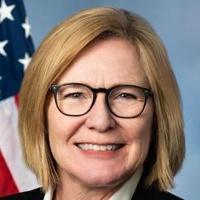
Michelle Fischbach
Representative
MN
Michelle Fischbach
Representative
MN
The Defund Planned Parenthood Act of 2025 imposes a one-year moratorium on federal funding for Planned Parenthood Federation of America, its affiliates, and its clinics unless they certify that they will not perform abortions. The bill redirects these funds to community health centers to ensure continued access to women’s health services. It includes specific exceptions for cases of rape, incest, or life-threatening medical conditions.