Legislative Activity
Track John's sponsored bills, co-sponsored legislation, and voting record
This Act establishes a federal grant program to strengthen domestic mining education through competitive awards to qualified schools, while also creating an advisory board and repealing an older mining institute act.
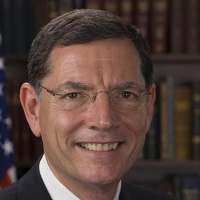
John Barrasso
Senator
WY
John Barrasso
Senator
WY
The Mining Schools Act of 2025 establishes a new federal grant program, administered by the Secretary of Energy, to strengthen domestic mining education at qualified colleges and universities. This program will award up to ten competitive grants annually to improve curriculum and recruit professionals needed for the nation's mineral supply. The Act also creates the Mining Professional Development Advisory Board to assist in the grant selection process and repeals the previous Mining and Mineral Resources Institutes Act.
This Act expands the Work Opportunity Tax Credit to include employers who hire military spouses.
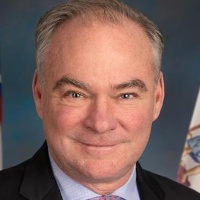
Timothy Kaine
Senator
VA
Timothy Kaine
Senator
VA
The Military Spouse Hiring Act amends the Work Opportunity Tax Credit (WOTC) to include military spouses as eligible hires. This allows employers to claim the tax credit for hiring individuals certified as spouses of active-duty military personnel. The provision applies to wages paid for individuals hired after the Act's enactment date.
This bill abolishes the United States African Development Foundation, repeals the act that established it, and transfers all its functions and assets to the Secretary of State.

James Risch
Senator
ID
James Risch
Senator
ID
This bill, the United States African Development Foundation Dissolution Act, officially abolishes the United States African Development Foundation. It repeals the original act that established the foundation and transfers all its functions, assets, and responsibilities to the Secretary of State. Moving forward, any reference to the former foundation in existing law or documents will be updated to refer to the Department of State.
The Major Richard Star Act allows veterans with combat-related disabilities to receive both military retired pay and veteran's disability compensation without reduction.
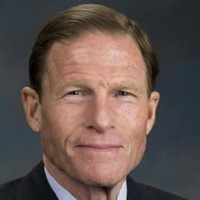
Richard Blumenthal
Senator
CT
Richard Blumenthal
Senator
CT
The Major Richard Star Act allows veterans with combat-related disabilities to receive both veteran's disability compensation and military retired pay concurrently, without reduction. This act amends Title 10 of the United States Code to ensure that disability retirees with combat-related disabilities are not subject to reductions in retired pay due to receiving veteran's disability compensation. These changes will take effect the first day of the month following the enactment of the Act.
This Act prohibits states from obtaining waivers to set new vehicle emission standards that restrict the sale or use of new cars with internal combustion engines and requires the revocation of existing conflicting waivers.
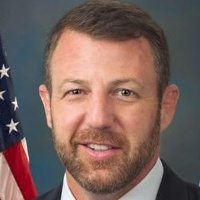
Markwayne Mullin
Senator
OK
Markwayne Mullin
Senator
OK
The Preserving Choice in Vehicle Purchases Act of 2025 amends the Clean Air Act to prohibit states from receiving waivers to set new vehicle emission standards that restrict the sale or use of new cars with internal combustion engines. This legislation invalidates any existing or future state standards that directly or indirectly limit traditional gasoline-powered vehicles. Furthermore, the bill mandates the revocation of any previously granted waivers that conflict with this new restriction.
This Act prohibits the EPA from enforcing the Phase 3 heavy-duty vehicle emission rules and bars future tailpipe regulations from mandating specific technologies or limiting the availability of new vehicle types.
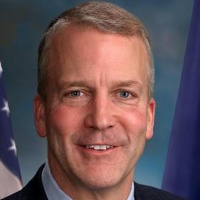
Dan Sullivan
Senator
AK
Dan Sullivan
Senator
AK
The Freedom to Haul Act of 2025 prohibits the EPA from implementing or enforcing the Phase 3 heavy-duty vehicle emission rules. Furthermore, the bill prevents the EPA from issuing tailpipe emission regulations that mandate specific technologies or limit the availability of new motor vehicles based on engine type. This ensures manufacturers retain flexibility in meeting pollution standards.
The Deliver for Democracy Act ties the Postal Service's ability to raise periodical rates to meeting specific on-time delivery performance targets, mandates annual public reporting on newspaper delivery, and requires a GAO study on alternative pricing for periodicals.
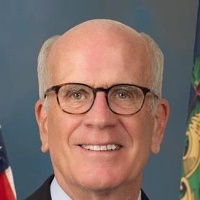
Peter Welch
Senator
VT
Peter Welch
Senator
VT
The Deliver for Democracy Act ties the Postal Service's ability to raise periodical rates to meeting specific on-time delivery performance targets for magazines and newspapers. It mandates annual public reporting by the Postmaster General on newspaper delivery performance, requiring input from relevant industry groups. Finally, the bill directs the GAO to study and report on alternative pricing strategies for periodicals that currently cost the USPS more to handle than they generate in postage.
This bill repeals the EPA's recent multi-pollutant emissions standards and prohibits the EPA from issuing tailpipe regulations that mandate specific vehicle technologies or limit the availability of new motor vehicles based on engine type.

Michael Crapo
Senator
ID
Michael Crapo
Senator
ID
The Choice in Automobile Retail Sales Act of 2025 repeals the EPA's recent multi-pollutant emissions standards for light-duty and medium-duty vehicles. Furthermore, this Act prohibits the EPA from issuing future tailpipe emission regulations that mandate specific technologies or limit the availability of new motor vehicles based on engine type. The EPA must update existing rules within 24 months to comply with these new restrictions.
This bill ensures that military spouses stationed overseas can receive firearms or ammunition and establishes consistent residency rules for military families under federal firearms laws.
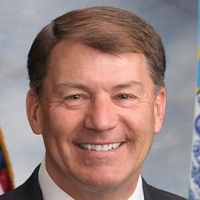
Mike Rounds
Senator
SD
Mike Rounds
Senator
SD
The Protect Our Military Families’ 2nd Amendment Rights Act ensures that spouses of active-duty service members stationed overseas can legally receive firearms or ammunition under existing federal exceptions. This legislation also standardizes how a military spouse's residency is determined for federal firearms laws, aligning it with that of the service member. The goal is to provide consistent rights and recognition for military families regarding firearm ownership, regardless of their duty station location.
This act updates the definition of "State of residence" for federal firearms laws, offering specific considerations for military members and those without a fixed physical address, while also modifying residency proof requirements for background checks.
Mike Rounds
Senator
SD
Mike Rounds
Senator
SD
The Traveler's Gun Rights Act updates the federal definition of "State of residence" for individuals, including military members, to better reflect where they actually live or are stationed. This change also modifies the identification requirements for firearm background checks to accommodate those without a traditional physical residence. The goal is to clarify residency rules across various federal firearms laws.
This Act establishes a five-year pilot program to pre-qualify farmers and ranchers for direct farm ownership loans, while allowing flexible financial assessment methods and requiring annual performance reports.
Peter Welch
Senator
VT
Peter Welch
Senator
VT
The Farm Ownership Improvement Act establishes a temporary, five-year pilot program for direct farm ownership loans to help farmers and ranchers secure financing. This program allows the Secretary of Agriculture to use flexible financial assessment methods when evaluating a borrower's ability to repay. The Secretary must track the program's success and report annually to Congress with a recommendation on making the program permanent.
The PASS Act enhances national security by expanding the Committee on Foreign Investment in the United States (CFIUS) review process to scrutinize and potentially prohibit foreign investment, especially from adversarial nations, in U.S. agriculture and agricultural land.
Mike Rounds
Senator
SD
Mike Rounds
Senator
SD
The PASS Act enhances national security reviews of foreign investment in U.S. agriculture by formally involving the Secretary of Agriculture in the Committee on Foreign Investment in the United States (CFIUS) process. It establishes specific triggers for reviewing transactions involving agricultural land, particularly near sensitive sites. Furthermore, the bill grants the President authority to prohibit transactions where a "covered foreign person"—often linked to designated foreign adversaries—seeks to acquire critical agricultural assets.
The HBOT Access Act of 2025 authorizes the VA to provide hyperbaric oxygen therapy to veterans with TBI or PTSD who have exhausted two prior evidence-based treatments.
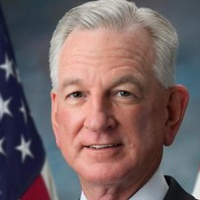
Tommy Tuberville
Senator
AL
Tommy Tuberville
Senator
AL
The HBOT Access Act of 2025 directs the Department of Veterans Affairs (VA) to explore and provide hyperbaric oxygen therapy (HBOT) as an alternative treatment for veterans suffering from TBI or PTSD. This therapy will be made available to veterans who have already attempted at least two other evidence-based treatments for their condition. The bill aims to offer non-drug, non-invasive options to veterans facing high risks of self-harm or suicide.
This resolution expresses Congressional opposition to imposing new performance fees on local radio stations, citing the mutually beneficial relationship between broadcasters and the music industry.
John Barrasso
Senator
WY
John Barrasso
Senator
WY
The Local Radio Freedom Act expresses Congressional opposition to imposing new performance fees on local radio stations for playing music. This resolution maintains that the current system provides essential promotional value to artists while supporting local community services. Consequently, it advocates against any new taxes or royalties that would place an undue financial burden on broadcasters and local businesses.
The "Protection of Women and Girls in Sports Act of 2025" amends Title IX to prohibit individuals born male from participating in women's and girls' athletic programs in educational institutions that receive federal funds, defining "sex" as determined at birth.
Tommy Tuberville
Senator
AL
Tommy Tuberville
Senator
AL
The "Protection of Women and Girls in Sports Act of 2025" amends Title IX to prohibit schools receiving federal funding from allowing individuals born male to participate in female athletic programs. Sex is defined as determined by reproductive biology and genetics at birth. This bill aims to ensure fair competition for women and girls in sports.
The Farmers Freedom Act of 2025 amends the definition of "navigable waters" under federal law to specifically exclude prior converted cropland from federal jurisdiction.
Mike Rounds
Senator
SD
Mike Rounds
Senator
SD
The Farmers Freedom Act of 2025 amends the definition of "navigable waters" under federal pollution control laws. This bill specifically excludes "prior converted cropland"—farmland drained before 1985—from this definition, limiting federal jurisdiction over these agricultural areas. The Act also clarifies related terms like "abandoned" and "agricultural purpose" in this context.
This bill mandates that funds reimbursed to the National Guard Bureau by states for the use of military property must be directly reinvested into the maintenance and readiness of those specific assets.
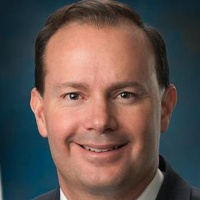
Mike Lee
Senator
UT
Mike Lee
Senator
UT
The Guarding Readiness Resources Act ensures that funds reimbursed to the National Guard Bureau by states or territories are directly returned to the specific budget account that covered the initial expense. These returned funds are strictly limited to being used for the repair, maintenance, or replacement of the military assets involved. This guarantees that reimbursement money directly supports the readiness of the equipment used by the National Guard.
This bill amends the Internal Revenue Code to recognize Indian tribal governments when determining if a child has special needs for the adoption credit.

Amy Klobuchar
Senator
MN
Amy Klobuchar
Senator
MN
The Tribal Adoption Parity Act amends the Internal Revenue Code to recognize Indian tribal governments when determining if a child has special needs for the adoption credit. This change ensures that adoptions facilitated through tribal governments receive the same federal tax benefits as other adoptions involving children with special needs. The act applies to taxable years beginning after the law is enacted.
The "Purchased and Referred Care Improvement Act of 2025" ensures patients are not liable for payment of purchased/referred care, mandates reimbursements for out-of-pocket expenses, and updates terminology in the Indian Health Care Improvement Act.
Mike Rounds
Senator
SD
Mike Rounds
Senator
SD
The Purchased and Referred Care Improvement Act of 2025 amends the Indian Health Care Improvement Act to ensure that Native American patients are not liable for payment for authorized purchased/referred care, regardless of any prior agreements. It mandates the Secretary to notify providers and patients about non-liability, establish reimbursement procedures for patients who paid out-of-pocket, and update relevant manuals and contracts to reflect these changes. The Act also updates terminology within the Indian Health Care Improvement Act, replacing "contract health service(s)" with "purchased/referred care" to modernize and clarify the language used. These amendments apply retroactively, covering care authorized both before and after the Act's enactment.
The "Stop Dangerous Sanctuary Cities Act" aims to enhance cooperation between federal and local law enforcement on immigration matters by allowing state and local officers to act as federal agents, defines "sanctuary jurisdictions," and restricts these jurisdictions from receiving certain federal funds.
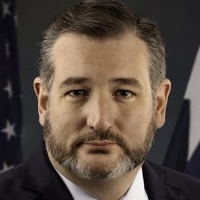
Ted Cruz
Senator
TX
Ted Cruz
Senator
TX
The "Stop Dangerous Sanctuary Cities Act" aims to enhance cooperation between federal and local law enforcement by allowing state and local officers to act as agents of the Department of Homeland Security and protecting them from liability when complying with immigration detainers. It defines "sanctuary jurisdictions" as those that restrict information sharing or compliance with federal detainment requests, and it makes these jurisdictions ineligible for certain federal grants, reallocating those funds to non-sanctuary jurisdictions. This act does not protect individuals who knowingly violate civil or constitutional rights.