Legislative Activity
Track James's sponsored bills, co-sponsored legislation, and voting record
Partisan Hack-O-Meter
This act expands and improves the Emergency Conservation Program and the Emergency Forest Restoration Program by broadening eligible activities, offering advance payment options, and extending response timelines.
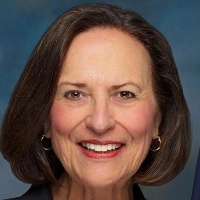
Deb Fischer
Senator
NE
Deb Fischer
Senator
NE
The Emergency Conservation Program Improvement Act of 2025 updates critical disaster assistance programs for farmers and forest landowners. This legislation expands eligible conservation activities, clarifies wildfire damage coverage, and introduces advance payment options for producers undertaking emergency repairs. It also extends the timeline for producers to complete necessary restoration work following a disaster.
The **21st Century ROAD to Housing Act** aims to significantly increase housing supply and affordability through regulatory reforms, new financing tools, increased transparency, and restrictions on large institutional home purchases.
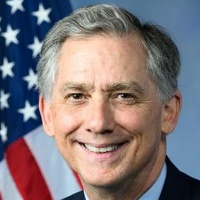
J. Hill
Representative
AR
J. Hill
Representative
AR
The **21st Century ROAD to Housing Act** is a comprehensive bill designed to significantly increase housing supply, improve affordability, and modernize federal housing programs. It tackles issues from streamlining construction regulations and incentivizing local zoning reform to restricting large corporate home purchases and enhancing financing for manufactured homes. Ultimately, the Act aims to create more pathways to homeownership and ensure safer, more stable rental conditions across the country.
This resolution directs the Committee on Ethics to publicly disclose a consolidated list of taxpayer-funded settlements involving sexual harassment or misconduct by Members of the House.
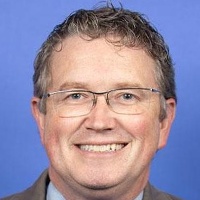
Thomas Massie
Representative
KY
Thomas Massie
Representative
KY
This resolution directs the Committee on Ethics and the Office of Congressional Workplace Rights to increase government transparency by publicly disclosing records of taxpayer-funded settlements related to sexual harassment and misconduct. It requires the publication of a consolidated list identifying Members of Congress involved in such cases alongside the total taxpayer funds paid for these settlements. Additionally, the bill mandates the disclosure of aggregate financial data regarding settlements involving House employees to ensure full accountability.
This bill directs the President to remove U.S. Armed Forces from hostilities in Lebanon within seven days, pursuant to the War Powers Resolution.
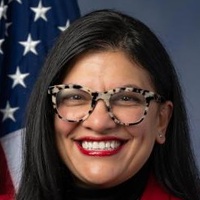
Rashida Tlaib
Representative
MI
Rashida Tlaib
Representative
MI
This resolution directs the President to withdraw U.S. Armed Forces from hostilities in Lebanon within seven days, utilizing authority under the War Powers Resolution. It explicitly clarifies that this action does not authorize the use of military force or limit security cooperation with Lebanese forces or the protection of diplomatic facilities.
This resolution sets the strict rules for the House consideration of the fiscal year 2027 defense authorization bill, the national security appropriations bill, a Social Security disability insurance reauthorization, and a resolution commemorating the Working Families Tax Cuts anniversary.
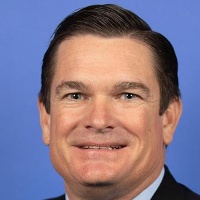
Austin Scott
Representative
GA
Austin Scott
Representative
GA
This resolution sets the strict rules for the House of Representatives to consider several key legislative items, primarily focusing on the fiscal year 2027 defense authorization bill (H.R. 8800). It streamlines the process by limiting debate, waiving procedural objections, and severely restricting the types of amendments that can be offered for the defense, national security, and disability insurance bills. The resolution also provides for the consideration of a resolution commemorating the Working Families Tax Cuts anniversary.
This legislation extends the Terrorism Risk Insurance Act through 2034 while streamlining the certification process for acts of terrorism and enhancing transparency in Treasury reporting.
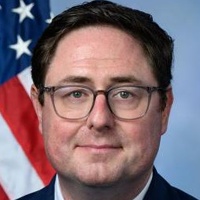
Mike Flood
Representative
NE
Mike Flood
Representative
NE
The TRIA Program Reauthorization Act of 2026 extends the federal terrorism reinsurance program through 2034. This legislation also updates the certification process for acts of terrorism by establishing a structured review timeline, increasing the property damage threshold for future claims, and enhancing transparency through expanded annual reporting requirements.
The KIDS Act establishes comprehensive federal standards to protect minors online by mandating safer platform design, enhancing data privacy, and providing parents with greater control over their children’s digital experiences.
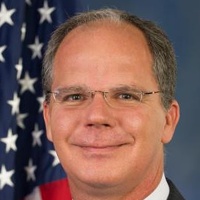
Brett Guthrie
Representative
KY
Brett Guthrie
Representative
KY
The KIDS Act is comprehensive legislation designed to enhance the safety, privacy, and well-being of minors in the digital age. It mandates stricter protections across online platforms, social gaming, and AI chatbots while updating privacy standards to limit data collection and targeted advertising for young users. By establishing federal safety requirements and empowering parents with better control tools, the bill aims to reduce exposure to harmful content and addictive design features.
The Financial Exploitation Prevention Act of 2025 empowers mutual funds to delay redemption requests and contact trusted individuals when they suspect the financial exploitation of older or vulnerable investors.
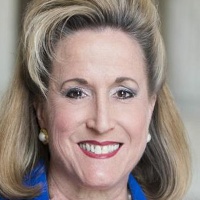
Ann Wagner
Representative
MO
Ann Wagner
Representative
MO
The Financial Exploitation Prevention Act of 2025 empowers mutual funds and transfer agents to protect vulnerable investors by delaying suspicious redemption requests. The bill requires participating firms to maintain trusted contact information and establishes formal internal procedures to identify and report potential financial exploitation. Additionally, it mandates that the SEC report to Congress with recommendations for further regulatory improvements to safeguard older and impaired adults.
This bill expands Small Business Administration (SBA) loan eligibility to include investments in business software, cloud computing services, and artificial intelligence tools.
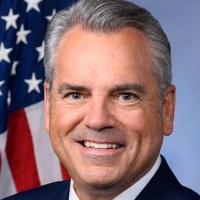
Mark Alford
Representative
MO
Mark Alford
Representative
MO
The Small Business Technological Advancement Act expands the eligibility of Small Business Administration (SBA) 7(a) loans to include investments in business software and cloud computing services. This update allows small businesses to utilize loan funds for essential operational tools, including those powered by artificial intelligence, to improve efficiency and service delivery.
This Act requires Small Business Administration employees to certify that they have no conflicts of interest before participating in the origination, review, or approval of SBA loans.
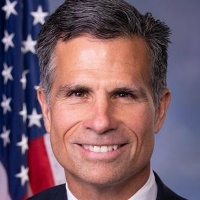
Daniel Meuser
Representative
PA
Daniel Meuser
Representative
PA
The Small Business Lending Fraud Prevention Act requires Small Business Administration (SBA) employees to certify in writing that they have no conflicts of interest before participating in the loan process. This measure ensures impartiality by mandating that employees disclose any potential conflicts and recuse themselves if a conflict arises. The Act aims to strengthen integrity and accountability within SBA lending operations.
This resolution condemns government fraud and urges the House to prioritize pre-payment verification and government-wide reforms to improve U.S. financial prosperity.
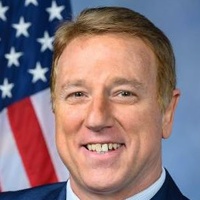
Patrick Fallon
Representative
TX
Patrick Fallon
Representative
TX
This resolution condemns actors defrauding the U.S. Government and emphasizes that robust, government-wide fraud prevention reforms are essential for national financial prosperity. It asserts that federal agencies must verify eligibility and claims *before* issuing payments to curb massive improper spending. The House views this shift to proactive verification as the primary solution to the ongoing fiscal emergency caused by fraud.
This bill extends the expiration date for certain foreign intelligence surveillance authorities under Title VII of the FISA Amendments Act of 2008.
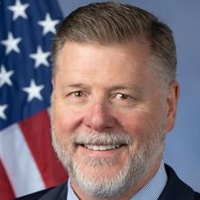
Eric Crawford
Representative
AR
Eric Crawford
Representative
AR
This bill temporarily extends key foreign intelligence surveillance authorities under Title VII of the Foreign Intelligence Surveillance Act (FISA). It moves the expiration date from June 12, 2026, to July 2, 2026. The extension ensures continuity of these surveillance powers without interruption.
This Act establishes the authority for federal agencies to temporarily pause, condition, or segment payments showing elevated fraud risk for review and corrective action.

James Comer
Representative
KY
James Comer
Representative
KY
The Stopping Fraudulent Payments Act grants federal agencies the authority to temporarily pause, condition, or segment payments that show elevated signs of fraud or improper risk. This action can be initiated by agency heads or triggered by the Treasury Secretary using the Do Not Pay system. Agencies must notify payees, allow them to contest the pause, and issue the payment within 30 days if the review finds no high risk.
This Act establishes a new Inspector General for Fraud, Accountability, and Recovery within the Treasury Department and restructures the Fiscal Service to enhance governmentwide data analysis and coordination for preventing fraud and improper payments across federal programs.
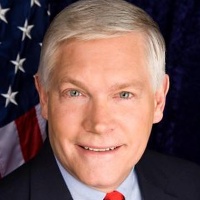
Pete Sessions
Representative
TX
Pete Sessions
Representative
TX
The Fraud Prevention and Accountability Act restructures the Treasury Department to enhance fraud detection and financial integrity across federal spending. It establishes a new, independent Inspector General for Fraud, Accountability, and Recovery to oversee "covered funds" and mandates a governmentwide data analysis program within the Fiscal Service. This legislation aims to centralize data sharing and analytical capabilities to proactively prevent improper payments and combat fraud in major federal programs.
This Act mandates identity fraud screening for federal student aid applications and requires colleges to verify the identities of flagged applicants before disbursing any aid.
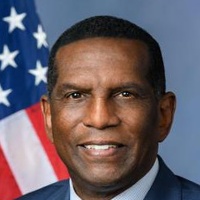
Clarence Owens
Representative
UT
Clarence Owens
Representative
UT
The No Aid for Ghost Students Act of 2026 establishes mandatory identity fraud screening for all federal student aid applications starting in late 2026. If an application is flagged for potential fraud, colleges are prohibited from disbursing aid until they verify the student's identity using strict methods. This legislation also creates a higher scrutiny category for institutional program reviews if a school shows a pattern of paying aid on flagged applications without proper verification.