Legislative Activity
Track James's sponsored bills, co-sponsored legislation, and voting record
This bill designates the United States Postal Service facility located at 15642 Sand Canyon Avenue in Irvine, California, as the "Mary Kageyama Nomura Post Office Building."
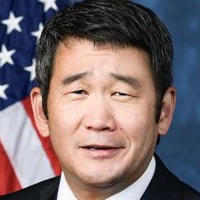
Dave Min
Representative
CA
Dave Min
Representative
CA
This bill designates the United States Postal Service facility located at 15642 Sand Canyon Avenue in Irvine, California, as the "Mary Kageyama Nomura Post Office Building."
This resolution disapproves an EPA rule that authorized California to enforce its own pollution control standards for ocean-going vessels while docked at port.
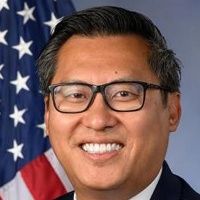
Vince Fong
Representative
CA
Vince Fong
Representative
CA
This resolution invokes the Congressional Review Act to disapprove an EPA rule that authorized California to enforce its own emissions standards for ocean-going vessels docked at state ports. By nullifying this decision, the resolution renders the EPA’s approval of these specific pollution control standards without legal force or effect.
This resolution designates August 2–8, 2026, as "National Farmers Market Week" to celebrate the vital role these markets play in supporting local economies, public health, and sustainable agriculture.
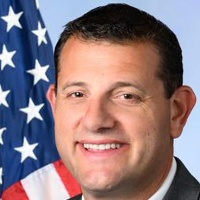
David Valadao
Representative
CA
David Valadao
Representative
CA
This resolution designates August 2 through August 8, 2026, as "National Farmers Market Week" to celebrate the vital role these markets play in our economy and public health. It recognizes how farmers markets bridge the gap between urban and rural communities while promoting sustainable agriculture and increasing access to fresh, nutritious food.
This bill requires health insurance issuers and Medicare Advantage plans to publicly report detailed, consumer-friendly data regarding their coverage decisions, prior authorization requirements, and appeal outcomes.
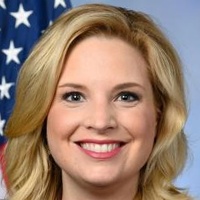
Ashley Hinson
Representative
IA
Ashley Hinson
Representative
IA
The Health Insurance Transparency for Patients Act requires health insurance issuers and Medicare Advantage plans to publicly report detailed data regarding their coverage decisions, including denial rates, appeal outcomes, and review processes. By mandating that this information be presented in a clear, consumer-friendly format, the bill aims to increase accountability and help patients better understand how their coverage requests are handled.
The American Food for American Schools Act of 2026 mandates that federal child nutrition programs prioritize the purchase of domestic food products by tightening procurement requirements, establishing a formal waiver system, and increasing transparency for foreign commodity use.
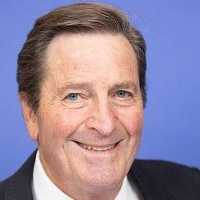
John Garamendi
Representative
CA
John Garamendi
Representative
CA
The American Food for American Schools Act of 2026 strengthens "Buy American" requirements by mandating that schools prioritize domestic food products across all federal child nutrition programs. The bill replaces flexible guidelines with a firm purchase mandate, establishes a strict waiver process for foreign goods, and increases transparency through public reporting. Additionally, it enforces supplier accountability through financial penalties and expands funding for procurement training to ensure schools can effectively source domestic commodities.
The Young Farmer Success Act amends the Higher Education Act to include full-time farm and ranch work as qualifying employment for Public Service Loan Forgiveness.
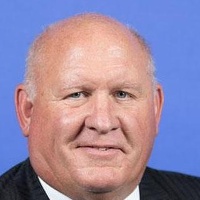
Glenn Thompson
Representative
PA
Glenn Thompson
Representative
PA
The Young Farmer Success Act aims to support the next generation of agricultural producers by making full-time farm and ranch work eligible for the Public Service Loan Forgiveness (PSLF) program. By incentivizing careers in agriculture, this legislation helps reduce the student debt burden for those managing or working on qualified farms and ranches.
This bill designates the United States Postal Service facility at 4640 Cass Street in San Diego, California, as the "Mary Wilding Memorial Post Office Building."
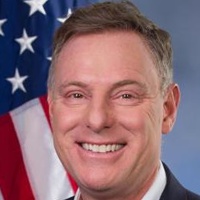
Scott Peters
Representative
CA
Scott Peters
Representative
CA
This bill designates the United States Postal Service facility located at 4640 Cass Street in San Diego, California, as the "Mary Wilding Memorial Post Office Building." All official federal references to this facility will be updated to reflect this new name.
The Wildfire Reduction Market Expansion Act of 2026 amends the Clean Air Act to expand the definition of "renewable biomass," incentivizing the use of forest management by-products and wildfire risk-reduction materials for renewable energy.
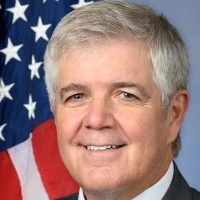
Cliff Bentz
Representative
OR
Cliff Bentz
Representative
OR
The Wildfire Reduction Market Expansion Act of 2026 amends the Clean Air Act to broaden the definition of "renewable biomass." By including forest manufacturing by-products, wildfire risk-reduction materials, and vegetation from defensible spaces, the bill incentivizes the removal of hazardous fuels from public and private lands. This legislation streamlines the certification process to support sustainable forest management and expand the market for renewable energy feedstocks.
The National Security Interstate Pipeline Act establishes an expedited federal approval process for interstate oil and natural gas pipelines designated as critical to national security, streamlining permitting and preempting state and local regulations.
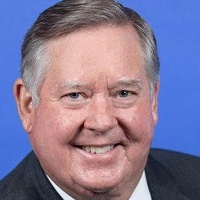
Ken Calvert
Representative
CA
Ken Calvert
Representative
CA
The National Security Interstate Pipeline Act establishes an expedited federal approval process for oil and natural gas pipelines designated by the President as essential to national security. The bill streamlines permitting by granting the Federal Energy Regulatory Commission exclusive authority, imposing strict deadlines for agency reviews, and preempting state and local regulations. Additionally, it authorizes the use of eminent domain for project development and allows the President to waive certain environmental laws to prevent project delays.
The SAFE Rural Act establishes a dedicated federal program to provide rural communities and Tribal governments with streamlined access to funding and technical assistance for essential flood resilience and hazard mitigation projects.
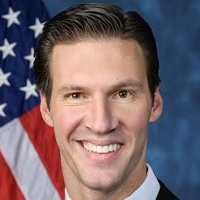
Pat Harrigan
Representative
NC
Pat Harrigan
Representative
NC
The Sustainable and Flood Resilient Engineering for Rural Areas (SAFE Rural) Act establishes a dedicated federal program to provide targeted flood mitigation funding and technical support to rural, Tribal, and territorial communities. By streamlining application processes and prioritizing nature-based solutions, the bill aims to close the gap in pre-disaster investment for areas often underserved by existing federal programs. Ultimately, this legislation seeks to reduce long-term disaster risks and costs by empowering local governments to proactively strengthen their infrastructure against flooding.
The Patients First Act of 2026 reforms Medicare physician payment systems to ensure more stable, predictable reimbursement for providers while improving patient access to primary care and value-based services.
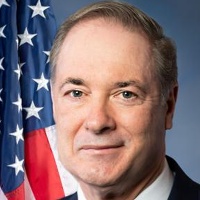
John Joyce
Representative
PA
John Joyce
Representative
PA
The Patients First Act of 2026 is comprehensive legislation designed to stabilize Medicare physician payments, improve patient access to primary care, and transition the current quality reporting system to a more clinician-led framework. By modernizing reimbursement formulas, reducing financial volatility for providers, and increasing transparency in value-based care models, the bill aims to ensure a more sustainable and predictable healthcare environment. These reforms seek to lower out-of-pocket costs for patients while supporting the long-term viability of medical practices.
This bill amends the federal charter of the Daughters of the American Revolution to restrict membership eligibility to individuals who meet the organization's genealogical requirements and are defined as adult human females.

Ben Cline
Representative
VA
Ben Cline
Representative
VA
The Daughters of the American Revolution Membership Integrity Act amends the organization’s federal charter to formally define membership eligibility. The bill restricts membership to adult human females, establishing a biological definition for the term "female" based on reproductive system development.
This resolution designates July 10th as Journeyman Lineworkers Recognition Day to honor the essential service and sacrifices of the professionals who maintain our nation’s power grid.
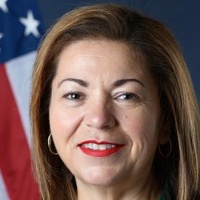
Linda Sánchez
Representative
CA
Linda Sánchez
Representative
CA
This resolution designates July 10th as Journeyman Lineworkers Recognition Day to honor the essential, high-risk work performed by these skilled professionals. It pays tribute to the lineworkers who provide critical service during emergencies and recognizes those who have made the ultimate sacrifice in the line of duty.
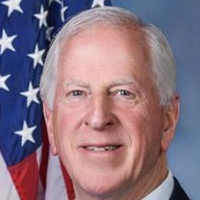
This bill extends the window for military survivors to contribute death benefits to a Roth IRA or Coverdell ESA from one year to three years.
Mike Thompson
Representative
CA
Mike Thompson
Representative
CA
The GRACE for Military Survivors Act extends the window for military survivors to contribute death benefits to a Roth IRA or Coverdell education savings account from one year to three years. This change applies to benefits received on or after the date of enactment, and retroactively covers benefits received since October 7, 2001. This provides survivors with more time to utilize these tax-advantaged savings options.
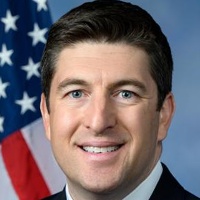
This bill prohibits Members of Congress, their spouses, and dependent children from trading on prediction markets based on information learned through congressional service, with associated financial penalties for violations.
Bryan Steil
Representative
WI
Bryan Steil
Representative
WI
This bill, the "Stop Lawmakers From Predicting Act," prohibits Members of Congress, their spouses, and dependent children from trading on prediction markets based on government policy, political outcomes, or information gained through congressional service. Violations result in significant financial penalties levied against the responsible Member, which cannot be paid using official or campaign funds. The supervising ethics office is tasked with issuing guidance and enforcing these new restrictions.
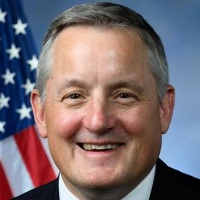
This bill renames and revises the Great American Outdoors Act's maintenance fund, increases dedicated funding through new, higher fees for foreign visitors, and sets spending priorities for deferred maintenance across public lands agencies.
Bruce Westerman
Representative
AR
Bruce Westerman
Representative
AR
This bill, the Great American Outdoors Act 250, significantly reforms and renames the existing public lands restoration fund to the America’s Legacy Restoration Fund. It secures dedicated funding streams, primarily from energy revenues and new fees on foreign visitors, to address critical deferred maintenance across the National Park Service, Forest Service, and other public land agencies. The legislation establishes strict spending priorities for infrastructure repair while also creating pilot programs for enhancing outdoor recreation and sportsmen's access. Finally, it mandates increased transparency and accountability through standardized metrics and public reporting on all funded projects.
This bill, the Hydropower Licensing Affordability Act, modernizes the hydropower licensing process by expanding the Federal Energy Regulatory Commission's authority to require mitigation measures for adverse effects on federal reservations and fish populations.
Cliff Bentz
Representative
OR
Cliff Bentz
Representative
OR
This bill, the Hydropower Licensing Affordability Act, modernizes the hydropower licensing process under the Federal Power Act. It expands the Federal Energy Regulatory Commission's authority to impose conditions on licenses to ensure hydropower projects reasonably mitigate direct adverse effects on federal reservations and local fish populations.
This Act mandates the USDA to create transparent roadmaps, standardized notifications, and public databases for all Rural Development grants to simplify access for rural communities.

Julia Letlow
Representative
LA
Julia Letlow
Representative
LA
The Rural Grants Transparency Act aims to simplify access to USDA rural development grants for small communities. It mandates the creation of clear, publicly available "Roadmaps" detailing application steps, criteria, and contacts for every relevant program. The bill also requires standardized applicant notifications and the publication of scoring criteria for competitive grants. These measures are designed to increase transparency without requiring new federal funding.
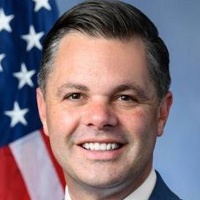
The HOME for Foster Youth Act expands rental assistance eligibility and excludes education vouchers from income calculations for youth transitioning out of foster care.
Zachary (Zach) Nunn
Representative
IA
Zachary (Zach) Nunn
Representative
IA
The HOME for Foster Youth Act expands housing assistance eligibility for young adults leaving foster care by increasing the application window from 90 to 180 days and removing prior homelessness requirements. It also ensures that Education and Training Vouchers are not counted as income when calculating housing assistance. Furthermore, the bill mandates improved coordination between HUD and HHS to streamline access to housing and supportive services for this population.
This bill extends the Rural Community Hospital Demonstration Program for an additional five years and modifies extension criteria for participating hospitals.
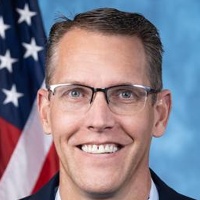
Randy Feenstra
Representative
IA
Randy Feenstra
Representative
IA
This bill, the "Rural Community Hospital Demonstration Program Reauthorization," extends the existing rural community hospital demonstration program for an additional five years, making it a 20-year program. It also updates the criteria for an additional extension period to cover certain hospitals that join the program between late 2024 and early 2027.