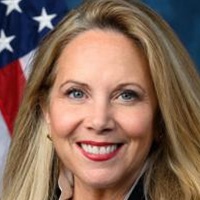
Legislative Activity
Track Laura's sponsored bills, co-sponsored legislation, and voting record
The Lower Grocery Prices Act directs the GAO to study 20 years of food price trends and provide Congress with recommendations to reduce grocery costs for American consumers.
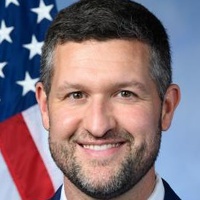
Patrick Ryan
Representative
NY
Patrick Ryan
Representative
NY
The Lower Grocery Prices Act directs the Government Accountability Office (GAO) to conduct a comprehensive 20-year study on the rising costs of groceries for U.S. consumers. The resulting report will provide Congress with data-driven recommendations aimed at identifying and implementing strategies to lower food prices.
This bill provides a 6.62 percent Medicare payment increase for physicians and practitioners from April through December 2025 to help stabilize medical practices.
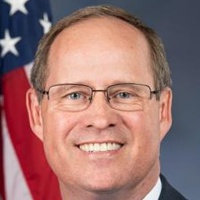
Gregory Murphy
Representative
NC
Gregory Murphy
Representative
NC
The Medicare Patient Access and Practice Stabilization Act of 2025 aims to support healthcare providers by extending Medicare payment adjustments through the end of 2025. Specifically, the bill provides a 6.62 percent payment increase for services rendered between April 1, 2025, and December 31, 2025, to help practitioners adjust to evolving Medicare payment policies.
This bill expresses the House of Representatives' desire to keep the United States Postal Service (USPS) as an independent entity within the Federal Government, protecting it from privatization. It emphasizes the USPS's importance to the mailing industry, its role in connecting communities, and the potential negative impacts of privatization on prices, services, and infrastructure.
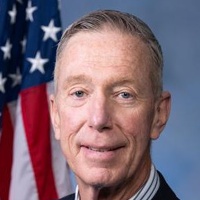
Stephen Lynch
Representative
MA
Stephen Lynch
Representative
MA
This bill expresses the House of Representatives' view that Congress should act to maintain the United States Postal Service (USPS) as an independent entity within the Federal Government. It emphasizes the USPS's role as a self-sustaining service vital to the economy and national connectivity. The resolution discourages privatization, citing concerns about increased costs, reduced services, and damage to critical infrastructure.
This bill directs the U.S. Holocaust Memorial Museum to conduct a comprehensive study and report to Congress on the current state and effectiveness of Holocaust education in public elementary and secondary schools across the United States.
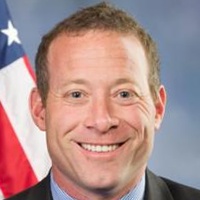
Josh Gottheimer
Representative
NJ
Josh Gottheimer
Representative
NJ
The Holocaust Education and Antisemitism Lessons Act directs the U.S. Holocaust Memorial Museum to conduct a comprehensive study of Holocaust education in public elementary and secondary schools across the United States. This study will evaluate current curriculum standards, teaching methods, and available resources to identify gaps and improve how students learn about the Holocaust and the history of antisemitism. The findings will be compiled into a report submitted to Congress to help strengthen educational efforts in preventing hate and bigotry.
The Honor Our Living Donors Act removes financial barriers for organ donors by prohibiting income-based reimbursement restrictions and requiring annual federal reporting on program funding adequacy.
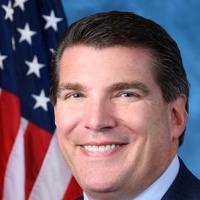
Jay Obernolte
Representative
CA
Jay Obernolte
Representative
CA
The Honor Our Living Donors Act removes financial barriers for organ donors by prohibiting the consideration of a recipient’s income during the reimbursement process and eliminating expectations of payment from recipients. Additionally, the bill mandates an annual report to Congress to ensure that federal grant programs provide sufficient funding to fully cover all qualifying expenses for living donors.
This bill authorizes grant funding for first responders to receive training on and purchase containment devices to prevent secondary exposure to fentanyl and other lethal substances.
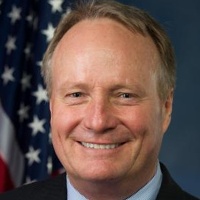
David Joyce
Representative
OH
David Joyce
Representative
OH
The Protecting First Responders from Secondary Exposure Act of 2025 authorizes the use of federal grant funds to better equip and train emergency personnel. This legislation enables first responders to purchase specialized containment devices and receive training to prevent accidental secondary exposure to fentanyl and other lethal substances.
The BEACH Act of 2025 expands coastal water quality monitoring, authorizes funding through 2029, and requires the EPA to incorporate the latest testing technologies into its guidance.
David Joyce
Representative
OH
David Joyce
Representative
OH
The BEACH Act of 2025 strengthens coastal water safety by expanding monitoring requirements to include upstream waters and public beach access points. The bill provides $30 million in annual funding through 2029 to support these efforts and allows states to use grants to identify specific sources of contamination. Additionally, it mandates that the EPA incorporate the latest testing technologies into its guidance for state and local water quality programs.
This bill increases the railroad track maintenance tax credit, introduces annual inflation adjustments, and extends the eligibility period for qualifying expenditures.
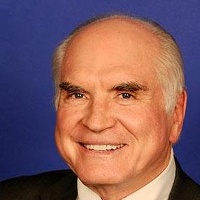
Mike Kelly
Representative
PA
Mike Kelly
Representative
PA
This bill amends the Internal Revenue Code to expand the railroad track maintenance credit by increasing the per-mile tax credit to $6,100 and implementing annual inflation adjustments starting in 2026. It also extends the eligibility window for qualifying maintenance expenditures to include costs incurred through 2023. These updates aim to provide greater financial support for ongoing railroad infrastructure improvements.
The Combating Cartels on Social Media Act of 2025 directs federal agencies to assess and develop a national strategy to counter the use of social media and digital platforms by transnational criminal organizations for illicit recruitment and operations.
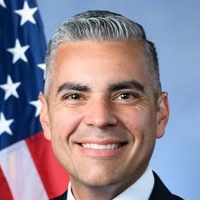
Juan Ciscomani
Representative
AZ
Juan Ciscomani
Representative
AZ
The Combating Cartels on Social Media Act of 2025 directs federal agencies to assess and counter the use of social media and digital platforms by transnational criminal organizations for illicit recruitment and operations. The bill mandates the development of a comprehensive national strategy to improve interagency coordination, enhance intelligence analysis, and foster community outreach. This initiative aims to disrupt criminal activities—such as human and narcotics trafficking—while ensuring the protection of civil rights, privacy, and civil liberties.
The MACH Act authorizes NASA to establish a program providing testing opportunities for commercial hypersonic aircraft and related technologies while implementing strict research security protocols.
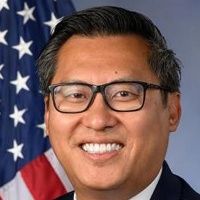
Vince Fong
Representative
CA
Vince Fong
Representative
CA
The Making Advancements in Commercial Hypersonics (MACH) Act authorizes NASA to establish a program providing testing opportunities for high-speed aircraft and related technologies. While the program supports the evaluation of these technologies, it is strictly prohibited from funding their development. The Act also mandates the creation of a strategic plan, interagency coordination with the Department of Defense and the FAA, and rigorous reporting requirements to ensure research security.
The BRAVE Act mandates the Department of Veterans Affairs to establish a mental health outreach system that provides targeted resources and information to veterans who have experienced traumatic or highly stressful events.
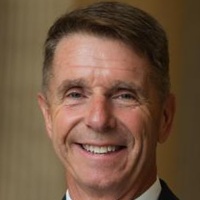
Robert Wittman
Representative
VA
Robert Wittman
Representative
VA
The BRAVE Act mandates that the Department of Veterans Affairs establish a specialized mental health outreach system for veterans who have experienced traumatic or highly stressful events. By allowing veterans to opt in for targeted resources, the program aims to improve access to mental health care in coordination with Department of Defense transition services. The VA is required to implement this system within two years of the bill's enactment.
This Act mandates that the VA provide and streamline medical care and reimbursement processes for veterans with permanent, service-connected disabilities living outside the United States.
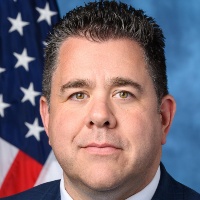
Nicolas LaLota
Representative
NY
Nicolas LaLota
Representative
NY
The Veterans Foreign Medical Coverage Equality and Modernization Act of 2025 mandates that the VA provide hospital care and medical services to veterans with permanent and total service-connected disabilities residing outside the United States. The bill also modernizes the reimbursement process by requiring direct deposit options and new mobile application features for document tracking and submission. Additionally, it requires the VA to report to Congress on the implementation and effectiveness of these expanded services.
The SALT Deductibility Act repeals the $10,000 federal cap on state and local tax (SALT) deductions, effective for tax years beginning after 2024.
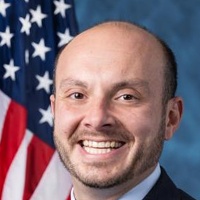
Andrew Garbarino
Representative
NY
Andrew Garbarino
Representative
NY
The SALT Deductibility Act aims to provide tax relief by repealing the current $10,000 federal cap on state and local tax (SALT) deductions. This legislation would allow taxpayers to fully deduct their state and local tax payments from their federal income taxes starting in the 2025 tax year.
The PFC Joseph P. Dwyer Peer Support Program Act establishes a $25 million Department of Veterans Affairs grant program to fund peer-to-peer mental health support services for veterans.
Nicolas LaLota
Representative
NY
Nicolas LaLota
Representative
NY
The PFC Joseph P. Dwyer Peer Support Program Act establishes a $25 million grant program within the Department of Veterans Affairs to fund peer-to-peer mental health support for veterans. This initiative provides grants to eligible organizations to hire veteran peer specialists, offer 24/7 nonclinical support, and ensure veteran privacy by prohibiting the collection of personally identifying information.
The PRECEPT Nurses Act establishes a $2,000 tax credit for eligible healthcare professionals who provide clinical supervision to nursing students and newly hired nurses in designated shortage areas.
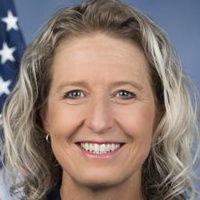
Jennifer Kiggans
Representative
VA
Jennifer Kiggans
Representative
VA
The PRECEPT Nurses Act establishes a $2,000 annual tax credit for eligible healthcare professionals who provide at least 200 hours of clinical supervision to nursing students or newly hired nurses in designated health professional shortage areas. This initiative, effective from 2026 through 2032, aims to address nursing shortages by incentivizing hands-on training and mentorship. The bill also mandates periodic reporting to Congress to evaluate the program's effectiveness in expanding the nursing workforce.
Goldie’s Act strengthens the Animal Welfare Act by mandating more frequent USDA inspections, requiring the prompt confiscation of suffering animals, and increasing financial penalties for violators.
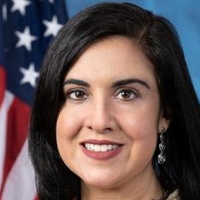
Nicole Malliotakis
Representative
NY
Nicole Malliotakis
Representative
NY
Goldie’s Act strengthens the Animal Welfare Act by mandating more rigorous USDA inspections and requiring the prompt confiscation of animals suffering from neglect. The bill increases financial penalties for violators, ensures the immediate sharing of violation records with local law enforcement, and establishes stricter oversight to prevent future animal abuse.
The HEADWAY Act updates credentialing requirements for Early Head Start teachers by requiring at least one qualified lead teacher per classroom while providing mentorship and a pathway for all other staff to earn their Child Development Associate (CDA) credential.
Juan Ciscomani
Representative
AZ
Juan Ciscomani
Representative
AZ
The HEADWAY Act updates credentialing requirements for Early Head Start teachers to improve workforce accessibility while maintaining quality standards. The bill mandates that each classroom have at least one fully qualified teacher, while requiring all other staff to actively pursue a Child Development Associate (CDA) credential. To support this professional development, agencies are required to provide mentorship for teachers working toward their certifications.
The Preserving Safe Communities by Ending Swatting Act of 2025 strengthens federal criminal penalties and establishes civil liability for individuals who knowingly convey false information to trigger emergency responses.
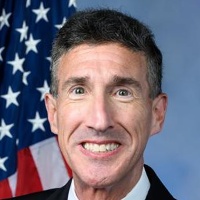
David Kustoff
Representative
TN
David Kustoff
Representative
TN
The Preserving Safe Communities by Ending Swatting Act of 2025 strengthens federal law to combat "swatting" by increasing criminal penalties for those who knowingly report false information to trigger emergency responses. The bill also establishes civil liability, requiring perpetrators to reimburse public safety agencies and organizations for the costs incurred during these emergency deployments.
The Advanced Border Coordination Act of 2025 mandates the creation of Joint Operations Centers to unify federal, state, local, and tribal efforts in securing the southern border.
David Joyce
Representative
OH
David Joyce
Representative
OH
The Advanced Border Coordination Act of 2025 mandates the creation of Joint Operations Centers along the southern border to unify federal, state, local, and tribal law enforcement efforts. These hubs will centralize communication, coordinate multi-agency field operations, and improve information sharing to better combat human trafficking, drug smuggling, and other criminal activities. The bill also requires the Department of Homeland Security to provide annual reports to Congress to ensure ongoing operational effectiveness and interagency cooperation.
The Health Care Affordability Act of 2025 expands access to premium tax credits by removing income eligibility caps and implementing a new sliding-scale contribution formula.
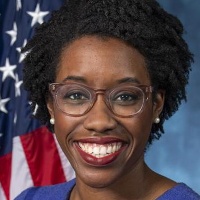
Lauren Underwood
Representative
IL
Lauren Underwood
Representative
IL
The Health Care Affordability Act of 2025 expands access to health insurance by removing the 400% federal poverty level income cap for premium tax credits. It also introduces a new sliding-scale contribution formula to ensure that insurance costs remain affordable for households across all income levels. These changes are set to take effect for taxable years beginning after December 31, 2025.