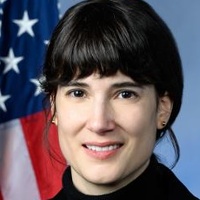
Legislative Activity
Track Marie's sponsored bills, co-sponsored legislation, and voting record
The "Protect and Serve Act of 2025" establishes federal penalties for intentionally causing serious harm or death to law enforcement officers because of their position, under certain circumstances, and requires Attorney General certification for federal prosecution in many cases.
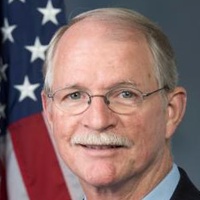
John Rutherford
Representative
FL
John Rutherford
Representative
FL
The "Protect and Serve Act of 2025" creates federal offenses for intentionally causing serious injury or death to law enforcement officers because of their status as officers. It sets penalties including imprisonment and fines, with increased penalties if death results or if kidnapping or attempted killing is involved. Federal prosecution requires certification from the Attorney General, based on a request from the state or if it is in the public interest to ensure substantial justice. The act defines "law enforcement officer" and "State" for the purposes of the new offenses.
The "Voluntary Public Access Improvement Act of 2025" allocates \$150 million from 2025-2029 to improve public access to private lands for recreational activities, with \$3 million earmarked for enhancing access to wetland reserve easements.
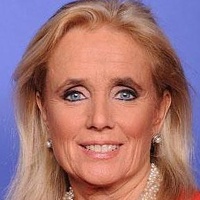
Debbie Dingell
Representative
MI
Debbie Dingell
Representative
MI
The "Voluntary Public Access Improvement Act of 2025" allocates $150 million from 2025 to 2029 to improve public access to private lands for recreational purposes. It sets aside $3 million of this funding to specifically enhance access to lands covered by wetland reserve easements, through partnerships with state and tribal governments.
The REPAIR Act ensures vehicle owners and independent repair shops have access to vehicle data and repair information, promoting competition and protecting data privacy in the auto repair industry.
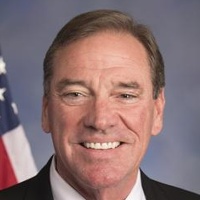
Neal Dunn
Representative
FL
Neal Dunn
Representative
FL
The "Right to Equitable and Professional Auto Industry Repair Act" or the "REPAIR Act" ensures vehicle owners and independent repair shops have access to necessary vehicle data, repair information, and tools, preventing manufacturers from creating barriers to repairs. It establishes an advisory committee to address competition issues in the auto repair industry and mandates that car buyers are informed of their rights to choose repair options. The Federal Trade Commission (FTC) is empowered to enforce the Act, protecting consumers from unfair restrictions on vehicle repair and ensuring control over their vehicle data.
This bill adds the Secretary of Agriculture to the Committee on Foreign Investment in the United States (CFIUS) and requires CFIUS to review agricultural land transactions, especially those involving entities from China, North Korea, Russia, or Iran.
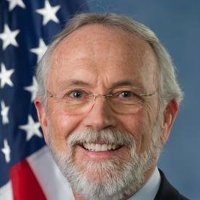
Dan Newhouse
Representative
WA
Dan Newhouse
Representative
WA
The "Protecting American Agriculture from Foreign Adversaries Act of 2025" adds the Secretary of Agriculture to the Committee on Foreign Investment in the United States (CFIUS) for agricultural matters. It mandates CFIUS review of agricultural land transactions, particularly those involving entities from China, North Korea, Russia, or Iran, to safeguard American agriculture. This ensures scrutiny of foreign investments in agricultural land and related industries, addressing potential threats to national security. The requirements for a specific country will end if that country is removed from the list of foreign adversaries in section 791.4 of title 15, Code of Federal Regulations.
The "DOC Access Act of 2025" aims to improve dental and vision care coverage by ensuring fair payment practices, protecting providers' choices, and upholding state regulatory authority.
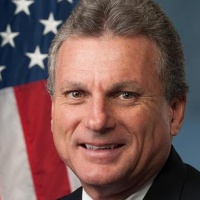
Earl Carter
Representative
GA
Earl Carter
Representative
GA
The "DOC Access Act of 2025" aims to enhance health care coverage under vision and dental plans by ensuring fair payment practices, protecting doctors' choices in labs and suppliers, and respecting state laws. It allows optometrists and dentists to charge their standard rate for non-covered services if the plan's payment is unreasonable, while ensuring they can only charge the contracted rate for dental cleanings. The bill also gives doctors more control over agreement extensions with limited benefit plans and allows them to opt out of certain provisions. Ultimately, this act seeks to balance federal guidelines with state oversight in regulating health insurance issuers and dental or vision benefit plans.
The Federal Retirement Fairness Act allows temporary employees' service after 1988 to count toward retirement benefits under the Federal Employees Retirement System.
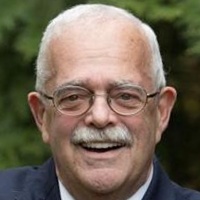
Gerald Connolly
Representative
VA
Gerald Connolly
Representative
VA
The Federal Retirement Fairness Act amends title 5 of the United States Code, allowing civilian service in a temporary position after December 31, 1988, to be creditable under the Federal Employees Retirement System. This change applies to current employees and Members of the United States Postal Service, and requires the Office of Personnel Management to notify eligible individuals and issue implementing regulations.
This bill repeals the 1991 and 2002 authorizations for the use of military force against Iraq.
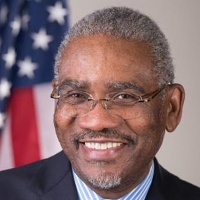
Gregory Meeks
Representative
NY
Gregory Meeks
Representative
NY
This bill repeals the 1991 Authorization for Use of Military Force Against Iraq Resolution and the 2002 Authorization for Use of Military Force Against Iraq Resolution, formally ending the legal basis for military actions in Iraq under these authorizations.
The "MODERN WIC Act of 2025" expands remote access to WIC benefits by allowing virtual certification appointments, remote benefit issuance, and requires a report to Congress on the use of remote technologies within the WIC program.
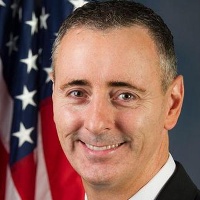
Brian Fitzpatrick
Representative
PA
Brian Fitzpatrick
Representative
PA
The MODERN WIC Act of 2025 aims to modernize the WIC program by expanding options for remote certification appointments, including telephone and video calls, and allowing for remote delivery of food benefits. It requires state agencies to offer various formats for certification appointments, ensuring accessibility for individuals with disabilities. The Act also mandates a report to Congress on the use of remote technologies in WIC, focusing on their impact and best practices.
This bill provides veterans who served at the Nevada Test and Training Range between 1972 and 2005 with presumptive service connection for certain conditions related to radiation and toxic exposure.
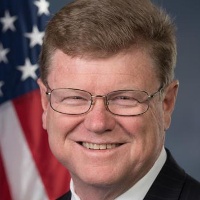
Mark Amodei
Representative
NV
Mark Amodei
Representative
NV
This bill amends Title 38 of the U.S. Code to establish presumptions regarding radiation and toxin exposure for veterans who served at the Nevada Test and Training Range between 1972 and 2005, excluding Nellis and Creech Air Force Bases. It recognizes certain activities at the range as radiation-risk activities and presumes exposure to toxins for veterans stationed there during the specified period. Additionally, it establishes a presumption of service connection for lipomas and tumor-related conditions for these veterans.
This bill expands Post-9/11 GI Bill eligibility to National Guard members performing specific full-time duties.
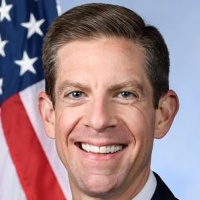
Mike Levin
Representative
CA
Mike Levin
Representative
CA
The Guard and Reserve GI Bill Parity Act of 2025 expands Post-9/11 GI Bill eligibility to National Guard members performing specific full-time duties. This expansion applies to service performed on or after September 11, 2001. The changes will take effect one year after the enactment of this Act, with the time limitation for using educational assistance applied as if enacted immediately after the Post-9/11 Veterans Educational Assistance Act of 2008.
This bill expands and codifies the Department of Agriculture's Rural Health Care Facility Technical Assistance Program to improve the financial stability and healthcare delivery in rural facilities.
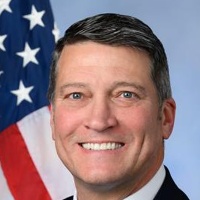
Ronny Jackson
Representative
TX
Ronny Jackson
Representative
TX
The Rural Health Care Facility Technical Assistance Program Act expands and codifies a Department of Agriculture program to provide technical assistance and training to rural health care facilities. This program aims to improve financial stability, prevent closures, and strengthen health care delivery in rural areas. The Act authorizes up to $2,000,000 annually from 2026-2030 for these activities and requires annual reports to Congress. It prioritizes outreach to facilities at risk and those serving underserved populations.
The Secure Rural Schools Reauthorization Act of 2025 extends federal funding and program authorities for states and counties containing national forest land through 2026.
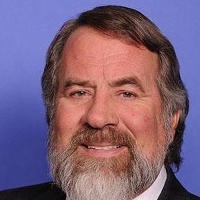
Doug LaMalfa
Representative
CA
Doug LaMalfa
Representative
CA
The Secure Rural Schools Reauthorization Act of 2025 extends critical federal funding for states and counties containing national forest land through 2026. This legislation ensures the continuation of essential community services and maintains the authority for resource advisory committees and local special projects.
The "Expanding Child Care Access Act of 2025" establishes a tax credit of up to $5,000 for qualified child care startup expenses for licensed family child care providers.
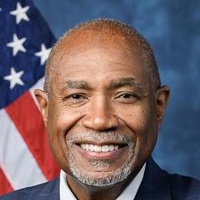
Herbert Conaway
Representative
NJ
Herbert Conaway
Representative
NJ
The "Expanding Child Care Access Act of 2025" introduces a tax credit, up to $5,000, for qualified child care startup expenses incurred by licensed family child care providers. This credit aims to support individuals starting or expanding licensed child care services within their primary residence, covering expenses such as licensing fees, supplies, insurance, and necessary equipment or renovations. The credit is available for a limited time and cannot be claimed for expenses already covered by other deductions or credits.
The Honoring Our Fallen Heroes Act of 2025 expands public safety officer benefits to include disability and death coverage for certain cancers presumed to be caused by on-duty exposure to carcinogens, and clarifies "line of duty" definitions for first responder benefits.
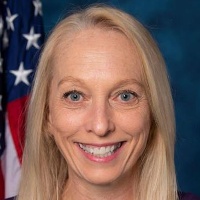
Mary Scanlon
Representative
PA
Mary Scanlon
Representative
PA
The Honoring Our Fallen Heroes Act of 2025 expands public safety officer benefits to include deaths and disabilities caused by exposure-related cancers, presuming that certain cancers diagnosed within 15 years of service are line-of-duty injuries if the officer served for at least 5 years. It defines "exposure-related cancer" and allows for updates to the list based on medical evidence, while also permitting individuals to petition for additions. The Act also clarifies "line of duty action" and applies retroactively to claims dating back to January 1, 2020, with a three-year window for filing claims based on these amendments.
The United States-Israel Defense Partnership Act of 2025 bolsters defense cooperation between the U.S. and Israel through joint programs, funding increases, and extended authorities related to countering unmanned systems, anti-tunnel technology, emerging technologies, and war reserve stockpiles, while also exploring Israel's inclusion in the national technology and industrial base and assessing integrated air and missile defense in the CENTCOM region.
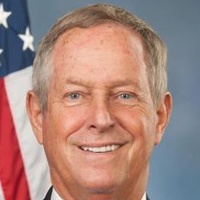
Joe Wilson
Representative
SC
Joe Wilson
Representative
SC
The United States-Israel Defense Partnership Act of 2025 seeks to bolster the defense relationship between the United States and Israel through joint initiatives and increased cooperation. It establishes programs to counter unmanned systems, extend anti-tunnel and counter-UAS cooperation, and promote collaboration in emerging technologies like AI and cybersecurity. The act also mandates the establishment of a Defense Innovation Unit office in Israel and assesses integrated air and missile defense in the U.S. Central Command region. Finally, it explores Israel's potential inclusion in the national technology and industrial base.
This bill directs the Forest Service to expand the use of strategic livestock grazing on federal lands as a tool to reduce wildfire risks and manage invasive fuels.
Doug LaMalfa
Representative
CA
Doug LaMalfa
Representative
CA
The Grazing for Wildfire Risk Reduction Act directs the Forest Service to expand the use of livestock grazing as a strategic tool to mitigate wildfire hazards. By streamlining environmental reviews and increasing the use of targeted grazing, the bill aims to reduce hazardous fuels and invasive grasses across federal lands. This initiative also provides greater flexibility for permit holders to manage livestock during natural disasters and post-fire recovery efforts.
The "Future in Logging Careers Act" modifies child labor laws, exempting 16 and 17-year-olds working in hazardous logging occupations from certain restrictions if their employer is their parent or guardian.
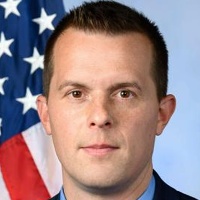
Jared Golden
Representative
ME
Jared Golden
Representative
ME
The "Future in Logging Careers Act" amends the Fair Labor Standards Act of 1938, defining "timber harvesting employer" and "mechanized timber harvesting employer". It modifies child labor provisions for 16 and 17-year-olds in hazardous logging occupations, except when employed by their parent or guardian. These provisions are applicable based on the type of timber harvesting activities performed by the employer.
This bill excludes certain veterans’ disability benefits from income calculations for HUD-VASH and other housing assistance programs to increase eligibility for unhoused disabled veterans.
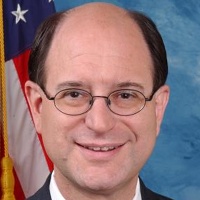
Brad Sherman
Representative
CA
Brad Sherman
Representative
CA
The Housing Unhoused Disabled Veterans Act aims to increase housing accessibility for veterans by excluding VA disability benefits from income calculations for HUD-VASH and other specific housing programs. By disregarding these benefits when determining eligibility, the bill ensures that disabled veterans can more easily qualify for essential housing assistance.
The "Freedom to Invest in Tomorrow's Workforce Act" expands the use of 529 savings accounts to cover expenses related to postsecondary credentialing programs, including tuition, fees, books, supplies, equipment, and testing fees.
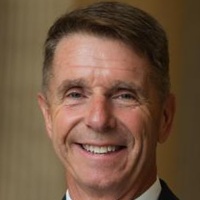
Robert Wittman
Representative
VA
Robert Wittman
Representative
VA
The "Freedom to Invest in Tomorrow's Workforce Act" amends Section 529 savings accounts to include expenses related to postsecondary credentialing programs. This allows 529 funds to cover costs like tuition, fees, books, supplies, and testing fees for recognized programs and credentials, as defined by the bill. These changes would apply to distributions made after the bill is enacted.
Exempts family farms and small businesses from asset considerations in need analysis for federal student aid.
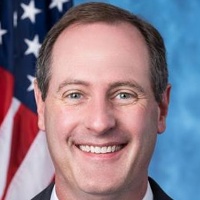
Tracey Mann
Representative
KS
Tracey Mann
Representative
KS
The "Family Farm and Small Business Exemption Act" amends the Higher Education Act of 1965 to exclude the net value of a family farm (on which the family resides) or a small business (with no more than 100 employees and owned/controlled by the family) from consideration as an asset when determining financial need for federal student aid. This change aims to make higher education more accessible for students from family farm and small business backgrounds.