
Legislative Activity
Track Marie's sponsored bills, co-sponsored legislation, and voting record
The "Agriculture Export Promotion Act of 2025" aims to boost U.S. agricultural exports by increasing funding for the Market Access Program and the Foreign Market Development Cooperator Program.
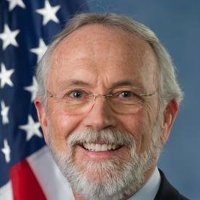
Dan Newhouse
Representative
WA
Dan Newhouse
Representative
WA
The "Agriculture Export Promotion Act of 2025" aims to bolster U.S. agricultural exports by increasing funding for the Market Access Program and the Foreign Market Development Cooperator Program. It amends the Agricultural Trade Act of 1978 to extend and significantly increase financial support for these programs through 2029. These changes seek to address the competitive disadvantage faced by U.S. producers due to increased foreign competition and the impact of inflation on static funding levels. By increasing funding, the Act strives to enhance access to foreign markets, stimulate economic growth, and create jobs within the agricultural sector.
The Marc Fischer Memorial Act mandates the implementation of a comprehensive digital mail scanning strategy across all federal prisons to detect and interdict synthetic drugs like fentanyl.
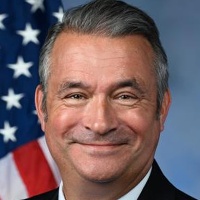
Don Bacon
Representative
NE
Don Bacon
Representative
NE
The Marc Fischer Memorial Act mandates that the Bureau of Prisons implement a comprehensive strategy to achieve 100% digital scanning of all inmate mail to interdict fentanyl and other synthetic drugs. By transitioning to digital mail processing, the Act aims to protect staff and inmates from lethal exposure, improve institutional security, and alleviate the administrative burden on correctional personnel.
The CONSTRUCTS Act of 2025 establishes a grant program for community colleges and trade schools to expand residential construction training, with a focus on serving rural and underserved populations.
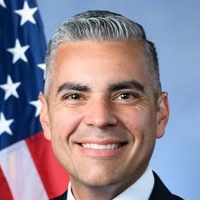
Juan Ciscomani
Representative
AZ
Juan Ciscomani
Representative
AZ
The CONSTRUCTS Act of 2025 establishes a competitive grant program to expand education and training for careers in the residential construction industry. By providing $20 million annually, the bill supports community colleges and trade schools in developing skilled labor pipelines, with a priority on serving rural and underserved populations. These programs aim to increase the supply of qualified workers while helping to address local housing needs through flexible, industry-aligned training.
The No Tax Breaks for Outsourcing Act amends the Internal Revenue Code to eliminate tax incentives for offshoring by reforming international corporate taxation, tightening interest deduction rules, and closing loopholes used by inverted and foreign-managed corporations.

Lloyd Doggett
Representative
TX
Lloyd Doggett
Representative
TX
The **No Tax Breaks for Outsourcing Act** amends the Internal Revenue Code to discourage corporations from shifting profits and operations overseas. The bill replaces the current global intangible low-taxed income (GILTI) regime with a "net CFC tested income" system, implements country-by-country tax reporting, and limits interest deductions for large international groups. Additionally, it strengthens rules to prevent corporate inversions and treats foreign corporations managed within the United States as domestic entities for tax purposes.
This resolution supports the goals and ideals of "Career and Technical Education Month" by recognizing the vital role of CTE programs in building a skilled workforce and strengthening the U.S. economy.
Glenn Thompson
Representative
PA
Glenn Thompson
Representative
PA
This resolution supports the designation of "Career and Technical Education Month" to celebrate the vital role of CTE programs in building a skilled workforce. It highlights how these programs provide students with essential training and credentials that align with modern economic demands. Furthermore, it encourages educators and parents to promote CTE as a respected and effective educational pathway for future success.
This bill extends and enhances the employer tax credit for paid family and medical leave by introducing new calculation options for insurance premiums and mandating increased outreach to small businesses.
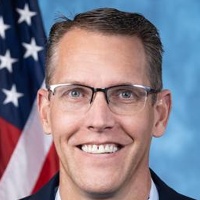
Randy Feenstra
Representative
IA
Randy Feenstra
Representative
IA
The Paid Family and Medical Leave Tax Credit Extension and Enhancement Act expands tax incentives for employers to provide paid leave by allowing credits for both direct wage payments and insurance premiums. The bill also streamlines eligibility requirements and mandates increased outreach from the SBA and IRS to ensure small businesses can effectively access and utilize these benefits.
The Right to Contraception Act establishes a federal right to obtain and use contraception and prohibits government interference with access to contraceptive services and information.

Lizzie Fletcher
Representative
TX
Lizzie Fletcher
Representative
TX
The Right to Contraception Act establishes a federal right for individuals to access and use contraception without government interference. It prohibits federal and state governments from enacting laws that restrict access to contraceptives or the provision of related services. The Act provides clear enforcement mechanisms, allowing individuals and the Attorney General to sue to strike down any rule that violates these protections.
This bill requires the Congressional Budget Office and the Joint Committee on Taxation to include debt servicing costs in their official cost estimates for proposed legislation.
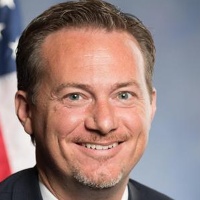
Michael Cloud
Representative
TX
Michael Cloud
Representative
TX
The Cost Estimates Improvement Act requires the Congressional Budget Office (CBO) and the Joint Committee on Taxation (JCT) to include the impact of debt servicing costs in their official legislative cost estimates. This legislation aims to provide a more comprehensive view of the long-term fiscal consequences of proposed federal spending and tax policies.
The Health Care Workforce Innovation Act of 2025 establishes a grant program to support community-driven education and training for allied health professionals in underserved and rural communities.
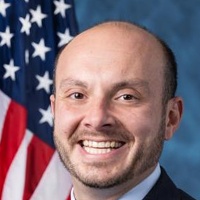
Andrew Garbarino
Representative
NY
Andrew Garbarino
Representative
NY
The Health Care Workforce Innovation Act of 2025 establishes a grant program to support community-driven education and training for allied health professionals. By funding partnerships between health centers and educational institutions, the bill aims to increase the number of qualified workers in rural and underserved areas. This initiative focuses on expanding career pathways, improving healthcare access, and fostering a more diverse and skilled health workforce.
This bill provides a 6.62 percent Medicare payment increase for physicians and practitioners from April through December 2025 to help stabilize medical practices.
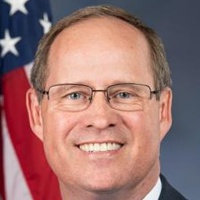
Gregory Murphy
Representative
NC
Gregory Murphy
Representative
NC
The Medicare Patient Access and Practice Stabilization Act of 2025 aims to support healthcare providers by extending Medicare payment adjustments through the end of 2025. Specifically, the bill provides a 6.62 percent payment increase for services rendered between April 1, 2025, and December 31, 2025, to help practitioners adjust to evolving Medicare payment policies.
This bill recognizes the significant contributions of tax-exempt fraternal benefit societies to communities across the United States through charitable activities, volunteer work, and financial support for their members, and expresses Congressional support for their continued promotion.
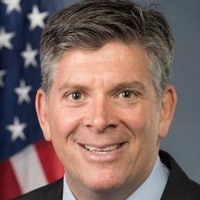
Darin LaHood
Representative
IL
Darin LaHood
Representative
IL
This bill recognizes the significant historical and ongoing contributions of tax-exempt fraternal benefit societies to communities across the United States through charitable activities, volunteer work, and financial support for members. It expresses the sense of Congress that these societies are a valuable support system that addresses unmet needs and generates substantial returns to the U.S. through their tax-exempt status. The bill also advocates for the continued promotion of fraternal benefit societies.
The Tim Hart Wildland Firefighter Classification and Pay Parity Act establishes a permanent, competitive pay structure, enhanced benefits, and comprehensive health and retirement support for federal wildland firefighters.
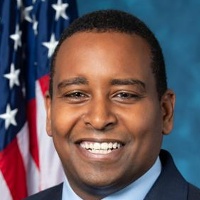
Joe Neguse
Representative
CO
Joe Neguse
Representative
CO
The **Tim Hart Wildland Firefighter Classification and Pay Parity Act** establishes a comprehensive framework to modernize the compensation, benefits, and support systems for federal wildland firefighters. The bill introduces permanent special base pay rates, new incident response premium pay, and enhanced retirement and leave benefits to ensure competitive and equitable treatment for those in the profession. Additionally, it mandates the creation of robust mental health programs, long-term health monitoring, and a casualty assistance program to better support firefighters and their families.
This bill expresses the House of Representatives' desire to keep the United States Postal Service (USPS) as an independent entity within the Federal Government, protecting it from privatization. It emphasizes the USPS's importance to the mailing industry, its role in connecting communities, and the potential negative impacts of privatization on prices, services, and infrastructure.
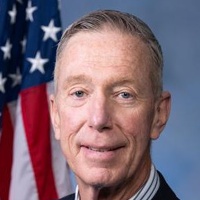
Stephen Lynch
Representative
MA
Stephen Lynch
Representative
MA
This bill expresses the House of Representatives' view that Congress should act to maintain the United States Postal Service (USPS) as an independent entity within the Federal Government. It emphasizes the USPS's role as a self-sustaining service vital to the economy and national connectivity. The resolution discourages privatization, citing concerns about increased costs, reduced services, and damage to critical infrastructure.
This bill authorizes grant funding for first responders to receive training on and purchase containment devices to prevent secondary exposure to fentanyl and other lethal substances.
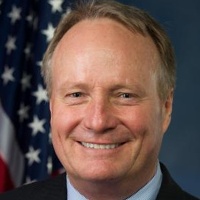
David Joyce
Representative
OH
David Joyce
Representative
OH
The Protecting First Responders from Secondary Exposure Act of 2025 authorizes the use of federal grant funds to better equip and train emergency personnel. This legislation enables first responders to purchase specialized containment devices and receive training to prevent accidental secondary exposure to fentanyl and other lethal substances.
The Headwaters Protection Act of 2025 expands and increases funding for the Water Source Protection Program to improve watershed health, water quality, and climate resilience on National Forest lands and adjacent non-federal areas.
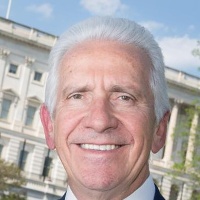
Jim Costa
Representative
CA
Jim Costa
Representative
CA
The Headwaters Protection Act of 2025 strengthens the Water Source Protection Program by expanding its scope to include adjacent non-federal lands and increasing annual funding to $30 million. This legislation enhances watershed health and water security by fostering collaborative partnerships, streamlining project implementation, and prioritizing resilience against wildfire and drought. Additionally, it establishes new safeguards to ensure forest management activities do not cause long-term degradation to watershed conditions.
The NO GOTION Act prohibits companies linked to China, Russia, Iran, or North Korea from claiming federal green energy tax credits and deductions.

John Moolenaar
Representative
MI
John Moolenaar
Representative
MI
The NO GOTION Act prohibits companies with ties to China, Russia, Iran, or North Korea from claiming federal green energy tax credits and deductions. By restricting these financial benefits, the bill aims to ensure that U.S. taxpayer-funded incentives are not used to support entities controlled by designated foreign adversaries.
The No Tax on Tips Act provides a federal income tax deduction of up to $25,000 for qualified cash tips and extends the FICA tax credit for employer-paid tips to include beauty service establishments.
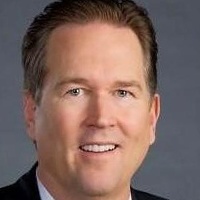
Vern Buchanan
Representative
FL
Vern Buchanan
Representative
FL
The "No Tax on Tips Act" proposes a federal tax deduction of up to $25,000 per year for cash tips received by workers in traditionally tipped occupations. Additionally, the bill expands the existing tax credit for employer-paid Social Security taxes on tips to include beauty service establishments. These changes are designed to provide tax relief for service workers and support businesses where tipping is customary.
This bill mandates the implementation of the Migrant Protection Protocols, requiring the Secretary of Homeland Security to return qualifying noncitizens arriving from contiguous countries to Mexico or Canada during their immigration proceedings.
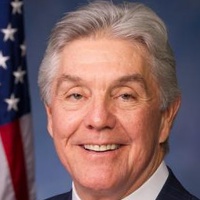
Roger Williams
Representative
TX
Roger Williams
Representative
TX
The Make the Migrant Protection Protocols Mandatory Act of 2025 amends the Immigration and Nationality Act to require, rather than permit, the return of certain noncitizens to Mexico or Canada while their immigration proceedings are pending. This legislation removes discretionary authority from the Department of Homeland Security, effectively mandating the implementation of the "Remain in Mexico" policy.
The PFC Joseph P. Dwyer Peer Support Program Act establishes a $25 million Department of Veterans Affairs grant program to fund peer-to-peer mental health support services for veterans.
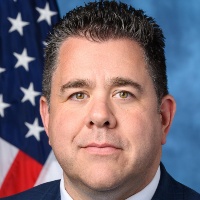
Nicolas LaLota
Representative
NY
Nicolas LaLota
Representative
NY
The PFC Joseph P. Dwyer Peer Support Program Act establishes a $25 million grant program within the Department of Veterans Affairs to fund peer-to-peer mental health support for veterans. This initiative provides grants to eligible organizations to hire veteran peer specialists, offer 24/7 nonclinical support, and ensure veteran privacy by prohibiting the collection of personally identifying information.
This bill reclassifies silencers under federal tax law, removes federal registration requirements for legally transferred silencers, preempts state taxation and registration of silencers in commerce, and mandates the destruction of existing federal silencer registration records.

Ben Cline
Representative
VA
Ben Cline
Representative
VA
The Hearing Protection Act aims to remove silencers from the purview of the National Firearms Act (NFA) by treating them similarly to standard firearms under federal tax law. This legislation preempts certain state and local taxes and registration requirements related to silencers involved in interstate commerce. Furthermore, the bill mandates the destruction of existing federal silencer registration records and updates federal marking requirements for manufacturers.