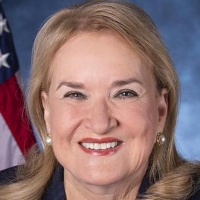
Legislative Activity
Track Sylvia's sponsored bills, co-sponsored legislation, and voting record
The SERVICE Act requires federal agencies to submit detailed reports to the GAO and Congress before implementing workforce reductions exceeding 5% and mandates a GAO review of those reports' completeness and credibility.
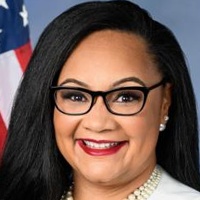
Nikema Williams
Representative
GA
Nikema Williams
Representative
GA
The SERVICE Act mandates that federal agencies must undergo a thorough review process before implementing significant workforce reductions. Agencies planning to cut staff by more than 5% must first submit a detailed report to the GAO analyzing the financial and mission impacts of the proposed layoffs. The GAO then reviews this report to ensure the analysis is complete and credible before the agency can proceed with the cuts after a mandatory waiting period.
This Act mandates that federal agencies must adhere to specific employment classification standards and report immediately if they cannot meet required staffing levels.
Nikema Williams
Representative
GA
Nikema Williams
Representative
GA
The Ensuring Agency Service Quality Act mandates that all Executive agencies and military departments must adhere strictly to federal job classification standards when hiring personnel. If an agency cannot meet its required staffing levels under these new rules, the agency head must promptly notify relevant Congressional committees within seven days with a detailed explanation. This legislation aims to standardize and enforce federal employment structures across key government bodies.
The WISE Act aims to remove barriers for immigrant survivors of crime and abuse seeking legal status, while significantly reforming and expanding protections within the U-visa program and other victim-based immigration relief.
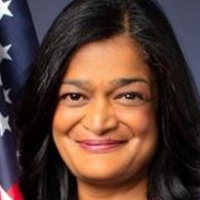
Pramila Jayapal
Representative
WA
Pramila Jayapal
Representative
WA
The Working for Immigrant Safety and Empowerment (WISE) Act aims to strengthen protections and streamline legal pathways for non-citizen survivors of crime and abuse, including domestic violence and trafficking. The bill reforms the U-visa program by eliminating its annual cap and speeding up work authorization for victims. It also establishes new protections against detention and deportation for victims with pending humanitarian applications and expands access to public benefits for certain lawfully present noncitizens.
The Gas-Operated Semi-Automatic Firearms Exclusion (GOSAFE) Act prohibits the manufacture, sale, and possession of certain gas-operated semi-automatic firearms and large-capacity ammunition feeding devices, while establishing a formal process for firearm determinations and funding buy-back programs.
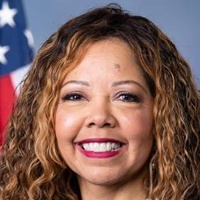
Lucy McBath
Representative
GA
Lucy McBath
Representative
GA
The Gas-Operated Semi-Automatic Firearms Exclusion Act (GOSAFE Act) prohibits the manufacture, sale, and possession of certain gas-operated semi-automatic firearms and large-capacity ammunition feeding devices (over 10 rounds). The bill establishes a formal process managed by the Attorney General and ATF to list prohibited firearms, while grandfathering existing possessions under strict transfer rules. Furthermore, it permits states to use federal Byrne grants for voluntary buy-back programs targeting these newly restricted items. Violations carry significant fines and potential prison sentences.
This resolution recognizes the 159th anniversary of the landmark Civil Rights Act of 1866, the first federal law defining citizenship and guaranteeing equal protection under the law for all citizens.
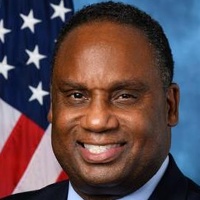
Jonathan Jackson
Representative
IL
Jonathan Jackson
Representative
IL
This resolution commemorates the 159th anniversary of the landmark Civil Rights Act of 1866. It recognizes this Act as the first federal law defining citizenship and guaranteeing equal protection under the law for all citizens. Furthermore, the resolution highlights the Act's foundational role in shaping the Thirteenth and Fourteenth Amendments. Congress affirms its commitment to supporting and defending the rights belonging to all Americans.
This act bans bump stocks and similar devices that increase the firing rate of semi-automatic firearms, requiring registration for any previously modified weapons.
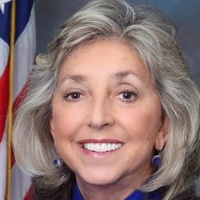
Dina Titus
Representative
NV
Dina Titus
Representative
NV
The Closing the Bump Stock Loophole Act of 2025 seeks to amend federal gun laws by banning devices and modifications that significantly increase the rate of fire of semiautomatic firearms, effectively treating them like machineguns. The bill specifically prohibits the manufacture, sale, or possession of such accessories and modified firearms after 120 days of enactment. Existing owners of previously modified firearms must register them under the National Firearms Act within that same timeframe to legally keep them.
This bill establishes the American Family Act, which revamps the Child Tax Credit into a system of refundable monthly advance payments for qualifying children and a separate credit for other dependents.
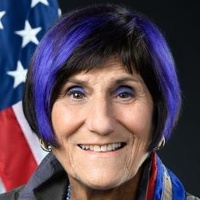
Rosa DeLauro
Representative
CT
Rosa DeLauro
Representative
CT
The American Family Act fundamentally overhauls the Child Tax Credit by replacing the annual lump sum with a system of advance, refundable monthly payments delivered directly to families. These monthly allowances vary based on the child's age, with higher amounts provided for younger children. The bill also establishes a separate, smaller credit for other dependents and outlines procedures for annual renewal and reconciliation of advance payments when filing taxes.
This resolution urges the United States to lead global efforts to halt the nuclear arms race, reduce existing stockpiles, and implement verifiable measures to prevent nuclear war.
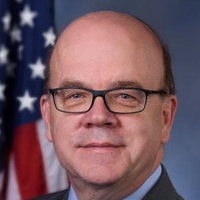
James McGovern
Representative
MA
James McGovern
Representative
MA
This resolution urges the United States to immediately prioritize global nuclear disarmament and lead the world back from the brink of nuclear war. It calls on the President to negotiate verifiable arms reduction treaties with all nuclear states to halt the arms race and prevent catastrophic conflict. Key actions include renouncing "first use," ending hair-trigger alert postures, and ceasing the development of new nuclear weapons. Furthermore, the bill demands comprehensive support, cleanup, and economic transition planning for communities and workers affected by past and present nuclear activities.
The Raise the Wage Act of 2025 gradually increases the federal minimum wage to \$17.00, phases out subminimum wages for tipped employees and workers with disabilities, and eliminates the subminimum wage for young workers.
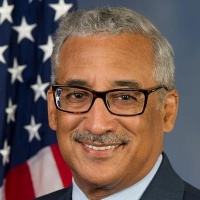
Robert Scott
Representative
VA
Robert Scott
Representative
VA
The Raise the Wage Act of 2025 establishes a phased increase of the federal minimum wage, culminating in a \$17.00 per hour rate five years after enactment, followed by automatic annual adjustments tied to median wage growth. This bill also phases out the lower minimum wage for tipped employees and workers under 20, ensuring they eventually earn the standard federal minimum wage. Furthermore, it sets a schedule to eliminate subminimum wages for individuals with disabilities and prohibits the issuance of new special certificates allowing for lower pay.
This Act establishes federal minimum standards for public employee collective bargaining rights, allowing states to maintain their own laws if they meet or exceed these standards, otherwise the Federal Labor Relations Authority will enforce federal rules.
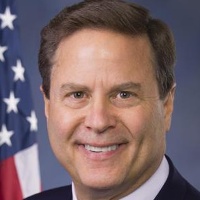
Donald Norcross
Representative
NJ
Donald Norcross
Representative
NJ
The Public Service Freedom to Negotiate Act of 2025 establishes federal minimum standards for collective bargaining rights for public employees across the nation. It requires the Federal Labor Relations Authority (FLRA) to review state laws to ensure they substantially provide these minimum rights, including the right to organize and bargain collectively. If a state fails to meet these standards, the FLRA will administer federal labor relations rules for the uncovered employees. The Act also prohibits strikes or lockouts that would measurably disrupt emergency or public safety services.
This Act allows employees to fully deduct union dues above the line and restores the itemized deduction for certain other job-related business expenses.
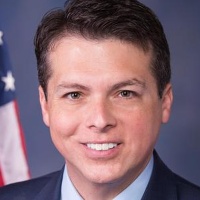
Brendan Boyle
Representative
PA
Brendan Boyle
Representative
PA
The Tax Fairness for Workers Act restores key federal tax deductions for employees, effective after 2024. This legislation makes union dues fully deductible "above the line," meaning they reduce Adjusted Gross Income without itemizing. Additionally, it allows itemizers to deduct certain other job-related business expenses that were previously limited.
The No Tax Breaks for Union Busting Act denies businesses tax deductions for expenses incurred while influencing employees regarding union organization and activities.
Donald Norcross
Representative
NJ
Donald Norcross
Representative
NJ
The No Tax Breaks for Union Busting (NTBUB) Act aims to disallow businesses from deducting federal income taxes for expenses incurred while attempting to influence employees regarding union organization or activities. This change is intended to stop companies from subsidizing anti-union campaigns through tax write-offs. The bill also establishes new, significant reporting requirements and penalties for businesses and third-party consultants who engage in these influence expenditures.
This Act establishes a federal rebate program, running through 2030, to incentivize eligible low-to-moderate-income homeowners in high-heat areas to install energy-saving, certified cool roof products.
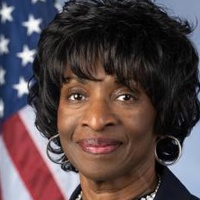
Valerie Foushee
Representative
NC
Valerie Foushee
Representative
NC
The Cool Roof Rebate Act of 2025 establishes a federal program to provide rebates to eligible, low-to-moderate income homeowners for installing high-performance, energy-saving "cool roof" products. Rebate amounts are tiered based on the roof slope and the product's measured performance metrics, such as solar reflectance. This program is authorized through fiscal year 2030 and includes funding to update related calculation tools.
This Act overhauls federal firearm dealer regulations by mandating enhanced physical security, stricter inventory tracking, increased licensing fees, and new oversight for online firearm facilitators.
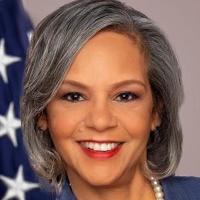
Robin Kelly
Representative
IL
Robin Kelly
Representative
IL
The Federal Firearm Licensee Act significantly overhauls federal regulation of gun dealers by mandating enhanced physical security, stricter inventory tracking, and increased record-keeping requirements. The bill repeals outdated restrictions on the ATF, increases licensing fees, and establishes new regulations for online firearm transfer facilitators. Furthermore, it strengthens enforcement by increasing penalties for compliance failures and mandating more frequent inspections for high-risk dealers.
This resolution supports Financial Literacy Month by recognizing widespread financial struggles and calling for increased education and awareness across the nation.
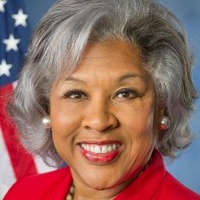
Joyce Beatty
Representative
OH
Joyce Beatty
Representative
OH
This resolution officially supports the goals of Financial Literacy Month by recognizing the widespread financial challenges facing American households. It highlights the urgent need for improved personal finance education due to low budgeting rates and high levels of household debt. The bill calls upon federal, state, and local entities to promote programs that enhance financial understanding and responsible money management.
This bill streamlines security vetting for international STEM graduate students and creates a new pathway to lawful permanent residency for those holding advanced U.S. STEM degrees with qualifying job offers.
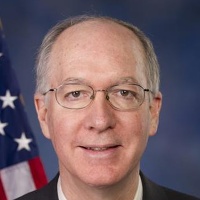
Bill Foster
Representative
IL
Bill Foster
Representative
IL
The Keep STEM Talent Act of 2025 aims to strengthen security vetting for international graduate students in STEM fields while creating a new pathway to permanent residency for those who earn advanced STEM degrees in the U.S. The bill mandates pre-admission applications and enhanced background checks for incoming STEM graduate students. Furthermore, it establishes a streamlined green card category for advanced STEM degree holders with qualifying job offers, allowing them to pursue permanent residency without jeopardizing their current student status.
The IDEA Full Funding Act establishes mandatory, increasing funding levels for the Individuals with Disabilities Education Act (IDEA) from 2026 through 2035, contingent upon offsetting budget cuts.
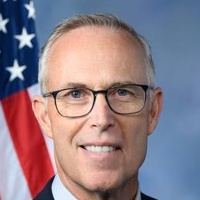
Jared Huffman
Representative
CA
Jared Huffman
Representative
CA
The IDEA Full Funding Act establishes mandatory, increasing funding levels for the Individuals with Disabilities Education Act (IDEA) programs through fiscal year 2035. This legislation sets specific appropriation targets based on student counts and national average spending to ensure greater financial support for special education services. Furthermore, the bill requires that these new IDEA appropriations adhere to "cut-as-you-go" budget offset rules.
This Act imposes sweeping, mandatory sanctions, tariffs, and investment prohibitions on the Russian Federation and its affiliates until Russia negotiates a lasting peace with Ukraine.
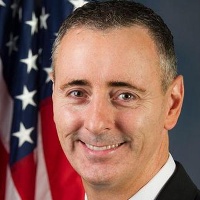
Brian Fitzpatrick
Representative
PA
Brian Fitzpatrick
Representative
PA
The Sanctioning Russia Act of 2025 imposes sweeping economic penalties on the Russian Federation in response to its aggression against Ukraine. This legislation mandates severe, immediate sanctions against key Russian officials, financial institutions, and energy sector entities, including asset freezes and trade prohibitions. Furthermore, the Act dramatically increases import duties on Russian goods and requires the President to review and reimpose these measures until Russia negotiates a lasting peace with Ukraine.
This resolution formally recognizes and supports the goals and ideals of the International Transgender Day of Visibility to honor the achievements and acknowledge the ongoing struggles of the transgender community.
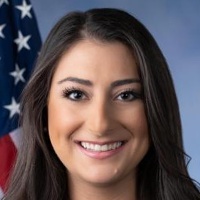
Sara Jacobs
Representative
CA
Sara Jacobs
Representative
CA
This resolution formally recognizes and celebrates the International Transgender Day of Visibility. Congress acknowledges the achievements of transgender individuals while highlighting the ongoing discrimination and violence they face. The resolution encourages appropriate ceremonies and activities to observe the day and celebrate the community's leadership and fight for equality.
This resolution demands the President provide the House with detailed documents regarding the access granted to Department of Government Efficiency staff and advisers to the Bureau of Consumer Financial Protection's systems and data.
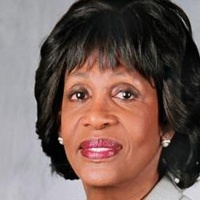
Maxine Waters
Representative
CA
Maxine Waters
Representative
CA
This resolution is an inquiry demanding the President provide detailed documents regarding the access granted to staff and advisers of the Department of Government Efficiency (DOGE) to the systems and data of the Bureau of Consumer Financial Protection (BCFP). Congress seeks comprehensive information on personnel backgrounds, specific system permissions, data movement, and the approval processes used for this access. The request also mandates documentation on conflict of interest reviews and current BCFP staffing levels.