Legislative Activity
Track Sylvia's sponsored bills, co-sponsored legislation, and voting record
The Pride In Mental Health Act of 2025 establishes grants and federal initiatives to improve mental health services and research specifically for LGBTQ+ youth while explicitly prohibiting the use of funds for conversion therapy.
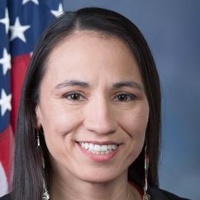
Sharice Davids
Representative
KS
Sharice Davids
Representative
KS
The Pride In Mental Health Act of 2025 establishes a new grant program to improve mental health and substance abuse outcomes for LGBTQ+ youth through culturally competent care and resource development. These grants strictly prohibit funding for conversion therapy practices. The bill also mandates federal data collection on LGBTQ+ youth mental health and requires a report on the needs of those in foster care.
This resolution urgently calls for the immediate delivery of humanitarian aid to address the severe hunger crisis in Gaza and demands the administration use all diplomatic means to secure hostage release and end the fighting.
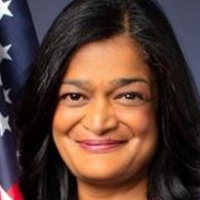
Pramila Jayapal
Representative
WA
Pramila Jayapal
Representative
WA
This resolution formally expresses the House of Representatives' grave concern over the severe humanitarian crisis and widespread suffering of civilians in Gaza, alongside the plight of hostages. It urgently calls on the Administration to use all diplomatic tools to secure the release of all hostages. Furthermore, the bill demands the immediate delivery and secure distribution of essential humanitarian aid to address the catastrophic hunger crisis in Gaza.
This Act standardizes the gaming regulations for the Ysleta del Sur Pueblo and Alabama-Coushatta Tribes in Texas to align them fully with the federal Indian Gaming Regulatory Act.
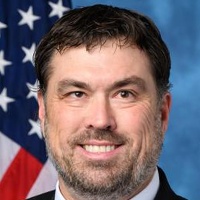
Morgan Luttrell
Representative
TX
Morgan Luttrell
Representative
TX
The Tribal Gaming Regulatory Compliance Act aims to standardize gaming regulations for the Ysleta del Sur Pueblo and the Alabama-Coushatta Indian Tribes in Texas. This bill ensures these two Tribes are regulated consistently under the federal Indian Gaming Regulatory Act, just like all other Tribes nationwide. It achieves this by removing confusing, outdated language specific to Texas and fully applying existing federal gaming laws to their operations.
This act mandates that FHA loan disclosures include comparable VA loan information and requires lenders to ask about military service on standard loan applications.
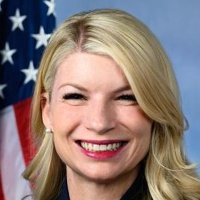
Brittany Pettersen
Representative
CO
Brittany Pettersen
Representative
CO
The VA Loan Informed Disclosure Act of 2025 (VALID Act) aims to increase awareness of VA loan options among homebuyers. It requires lenders to include comparative information about potential VA loan terms on standard FHA disclosure forms. Furthermore, the Act mandates that the Uniform Residential Loan Application include a prominent question regarding the applicant's military service.
This resolution expresses the House's sense that Congress should enact the Older Americans Bill of Rights to guarantee older Americans the right to live with dignity and independence through improved healthcare, financial security, and community participation.

Janice Schakowsky
Representative
IL
Janice Schakowsky
Representative
IL
This resolution expresses the sense of the House that Congress should enact the Older Americans Bill of Rights to affirm the right of older Americans to live with dignity and independence. It highlights severe challenges facing seniors, including poverty, food insecurity, social isolation, and gaps in healthcare access. The proposed Bill of Rights calls for strengthening Social Security and Medicare, lowering prescription drug costs, and ensuring access to affordable housing and essential services. Ultimately, this measure urges Congress to establish comprehensive protections for the financial security, health, and community participation of older adults.
This resolution expresses Congressional support for designating May 2025 as Progressive Supranuclear Palsy Awareness Month to promote awareness, support patients, and encourage research for this devastating brain disease.
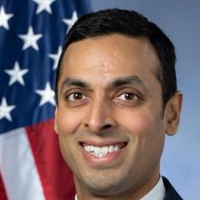
Suhas Subramanyam
Representative
VA
Suhas Subramanyam
Representative
VA
This resolution expresses the support of Congress for designating May 2025 as Progressive Supranuclear Palsy (PSP) Awareness Month. The designation aims to bring national attention to the serious, progressive brain disease that currently has no cure. By raising awareness, the bill seeks to support patients, improve diagnosis, and boost research efforts for better treatments.
The Menstrual Equity For All Act of 2025 mandates the provision of free menstrual products across schools, correctional facilities, federal buildings, and workplaces, while also expanding coverage under Medicaid and eliminating sales tax on these essential items.

Grace Meng
Representative
NY
Grace Meng
Representative
NY
The Menstrual Equity For All Act of 2025 aims to eliminate period poverty by ensuring access to free menstrual products across various sectors of society. This comprehensive bill mandates the availability of these essential supplies in K-12 schools, colleges, correctional facilities, federal buildings, and workplaces with over 100 employees. Furthermore, it expands coverage under Medicaid, allocates specific funding through social service block grants and TANF programs, and prohibits states from taxing menstrual products.
The Strength in Diversity Act of 2025 authorizes competitive grants to states and districts to develop and implement plans that reduce racial and economic isolation in public schools.
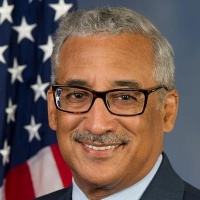
Robert Scott
Representative
VA
Robert Scott
Representative
VA
The Strength in Diversity Act of 2025 establishes a competitive grant program to help states and districts address racial isolation and concentrated poverty in public schools. Funds will support the creation and implementation of plans designed to increase racial and economic diversity within covered schools. The law emphasizes performance measurement focused on both student outcomes and diversity metrics, while explicitly prohibiting federal control over local educational decisions.
This Act mandates the National Park Service to establish a program to reduce and eliminate the sale and distribution of disposable plastic products, like single-use water bottles and utensils, across all national park units.

Mike Quigley
Representative
IL
Mike Quigley
Representative
IL
The Reducing Waste in National Parks Act mandates the National Park Service (NPS) to establish a program to significantly reduce or eliminate the sale and distribution of disposable plastic products, including single-use water bottles, across all park units. Regional directors must implement these changes while considering operational costs, visitor safety regarding water access, and vendor contracts. The law also requires proactive visitor education and biennial reviews to assess the program's effectiveness and public impact.
This bill restricts the transfer of specific offensive military articles and defense services to Israel until Congress authorizes their use for specified purposes and Israel provides written assurances of compliance with international law.
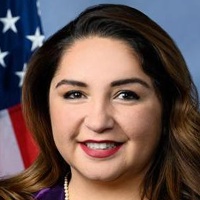
Delia Ramirez
Representative
IL
Delia Ramirez
Representative
IL
This bill imposes significant restrictions on the transfer of specific defense articles and services to Israel. Transfers of listed military equipment, such as certain bombs and ammunition, are prohibited unless Congress first passes a law detailing their specific authorized use. Furthermore, Israel must provide satisfactory written assurances that the items will only be used for those stated purposes and in compliance with international law.
This bill protects striking and locked-out workers by preventing employers from terminating or altering their group health plan coverage during a labor dispute and establishes significant civil penalties for violations.
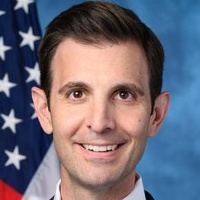
Chris Deluzio
Representative
PA
Chris Deluzio
Representative
PA
The Striking and Locked Out Workers Healthcare Protection Act ensures that employers cannot terminate or alter group health plan coverage for employees during a lawful strike or an employer-initiated lockout. This legislation aims to prevent employers from using health benefits as leverage during labor disputes. The bill also establishes significant civil penalties, including fines up to \$150,000 per violation, for employers who interfere with this coverage, and allows for individual liability for directors and officers involved in such violations.
This resolution expresses strong support for designating May 2025 as Mental Health Awareness Month to highlight the national mental health crisis and encourage greater action and access to care.
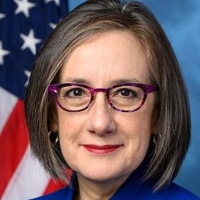
Andrea Salinas
Representative
OR
Andrea Salinas
Representative
OR
This resolution expresses strong support for designating May 2025 as Mental Health Awareness Month to combat a growing national crisis. It highlights alarming statistics regarding rising mental illness rates, significant barriers to accessing care, and disproportionate impacts on youth and marginalized communities. Ultimately, the bill declares mental health a national priority and encourages increased public awareness and support for mental health services.
This bill prohibits high-ranking government officials and their families from trading, profiting from, or controlling digital assets while in office to prevent conflicts of interest.
Maxine Waters
Representative
CA
Maxine Waters
Representative
CA
The Stop TRUMP in Crypto Act of 2025 prohibits covered government officials and their immediate families from trading, owning, or profiting from digital assets while in office. This legislation specifically bans insider trading of crypto and prevents officials from using intermediaries or complex ownership structures to bypass these restrictions. The Act aims to eliminate conflicts of interest by ensuring high-ranking officials cannot benefit financially from involvement with cryptocurrencies.
The Fit to Serve Act prohibits discrimination against service members and recruits in the Armed Forces based on their gender identity.
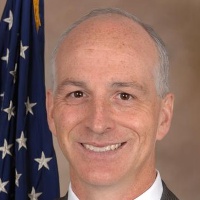
Adam Smith
Representative
WA
Adam Smith
Representative
WA
The Fit to Serve Act prohibits the U.S. Armed Forces from discriminating against service members based on their gender identity. This means military branches cannot set different standards, involuntarily discharge personnel, or deny medically necessary healthcare due to a service member's gender identity. The bill ensures equal opportunity for joining, serving, and receiving care regardless of one's internal sense of self.
This Act establishes the national Wildlife Confiscations Network to coordinate the proper care and placement of live animals seized by federal authorities during wildlife smuggling enforcement.
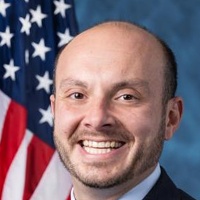
Andrew Garbarino
Representative
NY
Andrew Garbarino
Representative
NY
The Wildlife Confiscations Network Act of 2025 establishes a national, voluntary partnership—the Wildlife Confiscations Network—to coordinate the care and placement of illegally smuggled or confiscated wildlife. This network will utilize qualified animal care facilities to ensure seized animals receive proper triage, housing, and forensic documentation. The Act authorizes up to $5 million annually from Fiscal Year 2026 through 2030 to support this critical infrastructure.
The College for All Act of 2025 establishes federal-state partnerships and grants to eliminate tuition and fees at public and tribal colleges, boosts Pell Grants, and increases funding for minority-serving institutions.
Pramila Jayapal
Representative
WA
Pramila Jayapal
Representative
WA
The College for All Act of 2025 establishes a Federal-State partnership to eliminate tuition and required fees at public and Tribal colleges for eligible students, while significantly increasing Federal Pell Grant maximum awards and expanding eligibility to include many "Dreamer students." The bill also creates new grant programs to cover tuition at private non-profit HBCUs and MSIs, and funds initiatives to improve student success and support for low-income and first-generation students. Finally, it increases overall appropriations for HBCUs, Tribal Colleges, and other Minority-Serving Institutions.
This Act establishes a new federal grant program to provide operating support for high-quality public transit that prioritizes service improvements in underserved communities, while also increasing the federal share for rural transit operating costs.
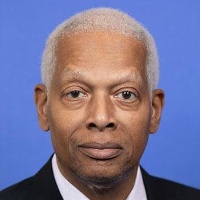
Henry Johnson
Representative
GA
Henry Johnson
Representative
GA
The Stronger Communities through Better Transit Act establishes a new federal grant program to provide operating support for high-quality public transit services. This funding is specifically targeted to improve mobility and environmental outcomes, with a requirement that the majority of funds benefit underserved communities or areas of persistent poverty. The Act also increases the federal share for rural transit operating assistance up to 80%.
The Housing Stability for Dreamers Act ensures that current DACA recipients are eligible for key federal housing programs, including FHA, Rural Housing Service, Fannie Mae/Freddie Mac mortgages, and VA loan guarantees.
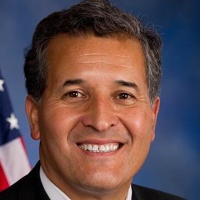
Juan Vargas
Representative
CA
Juan Vargas
Representative
CA
The Housing Stability for Dreamers Act ensures that individuals with current DACA status are eligible for key federal housing programs, including FHA mortgages and certain housing assistance. This legislation specifically prohibits federal agencies and mortgage purchasers like Fannie Mae and Freddie Mac from denying benefits based solely on DACA status. Furthermore, it clarifies that DACA recipient veterans will not be disqualified from receiving earned VA housing loan guarantees.
This bill mandates the establishment of facilities to rear and release sterile New World screwworm flies to combat agricultural threats, supported by mandatory reporting and funding.
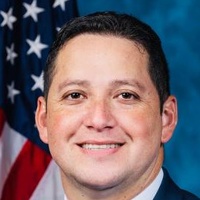
Ernest Gonzales
Representative
TX
Ernest Gonzales
Representative
TX
The STOP Screwworms Act mandates the establishment of facilities to rear and release sterile New World screwworm flies in high-risk areas to combat infestations. The Secretary of Agriculture must build these modular facilities within 180 days of enactment and provide annual public reports on the threat and control efforts. The bill authorizes up to $300 million to fund these necessary actions.
This Act mandates the delivery of documents and a report regarding the proposed transfer of an aircraft from Qatar to a Trump-controlled entity, while prohibiting federal funding for such transfers.
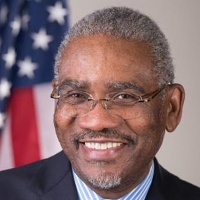
Gregory Meeks
Representative
NY
Gregory Meeks
Representative
NY
This bill mandates the Secretary of State to immediately provide Congress with all documents and a detailed report concerning the proposed transfer of an aircraft from Qatar to an entity controlled by former President Trump. Furthermore, it prohibits the use of any federal funding for aircraft transfers involving foreign governments to the U.S. Government, the President, or the Trump Presidential Library. The Act aims to ensure transparency and halt federal financial support for these specific property transfers.