Legislative Activity
Track Chuy's sponsored bills, co-sponsored legislation, and voting record
The Ultra-Millionaire Tax Act of 2026 establishes an annual federal wealth tax on individuals with a net worth exceeding $50 million while increasing funding for IRS enforcement and taxpayer services.

Pramila Jayapal
Representative
WA
Pramila Jayapal
Representative
WA
The Ultra-Millionaire Tax Act of 2026 proposes a new annual federal wealth tax on individuals with a net worth exceeding $50 million, with rates ranging from 2% to 3% based on total assets. The legislation includes robust enforcement measures, such as increased IRS funding and mandatory audit requirements, to ensure compliance among the ultra-wealthy. Additionally, it strengthens foreign asset disclosure requirements to prevent tax avoidance.
The Protection and Advocacy for Student Success Act establishes a federal grant program to empower state advocacy systems to protect the educational rights and safety of students with disabilities.
Mark DeSaulnier
Representative
CA
Mark DeSaulnier
Representative
CA
The Protection and Advocacy for Student Success Act establishes a national grant program to empower state protection and advocacy systems to defend the educational rights of students with disabilities. These grants support efforts to monitor school conditions, eliminate harmful practices like seclusion and restraint, and pursue legal remedies to ensure students receive the services they are entitled to under federal law.
The Perinatal Workforce Act establishes grant programs and national initiatives to grow, diversify, and train a culturally competent maternal health workforce to improve health equity and patient outcomes.
Gwen Moore
Representative
WI
Gwen Moore
Representative
WI
The Perinatal Workforce Act aims to improve maternal health outcomes by expanding and diversifying the perinatal health workforce. The bill establishes grant programs to support training for midwives, nurses, and other perinatal health workers, with a focus on recruiting individuals from underserved and minority communities. Additionally, it mandates national campaigns, federal coordination, and research to promote culturally congruent care and address systemic barriers to maternal health access.
The Kira Johnson Act establishes grant programs and research initiatives to advance maternal health equity, reduce bias and discrimination in maternity care, and improve health outcomes for high-risk demographic groups.
Alma Adams
Representative
NC
Alma Adams
Representative
NC
The Kira Johnson Act aims to eliminate maternal health disparities by funding community-based organizations that provide evidence-based support to high-risk populations. The legislation also establishes grant programs to implement anti-bias training for maternity care providers and creates compliance programs to address racism and discrimination in clinical settings. Through these initiatives, the bill seeks to ensure respectful, culturally congruent care and improve health outcomes for pregnant and postpartum individuals.
The Data to Save Moms Act directs federal funding and research toward improving maternal health data collection, supporting maternal mortality review committees, and addressing disparities in maternal health outcomes for minority and underserved populations.
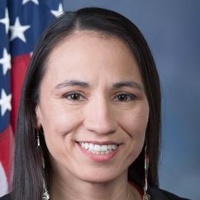
Sharice Davids
Representative
KS
Sharice Davids
Representative
KS
The Data to Save Moms Act aims to improve maternal health outcomes and eliminate disparities by enhancing data collection, research, and public awareness. The bill provides funding for Maternal Mortality Review Committees, supports community-based organizations addressing social determinants of health, and mandates training for providers on implicit bias and culturally congruent care. Additionally, it authorizes comprehensive studies and grant programs focused on high-risk populations, including racial and ethnic minority groups and American Indian and Alaska Native communities.
This bill extends WIC eligibility and enhanced food benefits for postpartum and breastfeeding mothers from one year to 24 months.
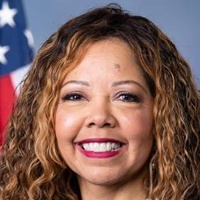
Lucy McBath
Representative
GA
Lucy McBath
Representative
GA
The Extending WIC for New Moms Act increases the duration of WIC eligibility for postpartum mothers from six months to 24 months. It also extends the period for receiving enhanced breastfeeding food packages to 24 months. Additionally, the bill mandates a comprehensive report to Congress evaluating the impact of these extensions on maternal and infant health outcomes.
The Social Determinants for Moms Act establishes federal grant programs and a dedicated task force to improve maternal health outcomes by addressing the nonclinical social factors that impact pregnant and postpartum individuals.
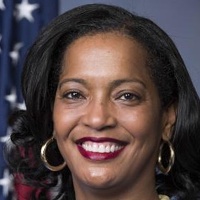
Jahana Hayes
Representative
CT
Jahana Hayes
Representative
CT
The Social Determinants for Moms Act aims to reduce maternal mortality and health disparities by addressing the nonclinical factors that impact pregnancy and postpartum outcomes. The bill establishes federal grant programs to provide essential services—such as housing, nutrition, transportation, and childcare—to pregnant and postpartum individuals. Additionally, it creates a federal task force to coordinate cross-agency strategies to improve maternal health and support community-led initiatives across the country.
This act extends minimum wage and overtime protections under the Fair Labor Standards Act to incarcerated workers, prohibiting certain deductions from their pay.
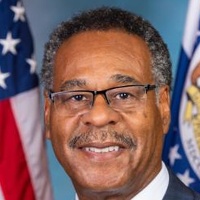
Emanuel Cleaver
Representative
MO
Emanuel Cleaver
Representative
MO
The Fair Wages for Incarcerated Workers Act of 2026 amends the Fair Labor Standards Act to extend minimum wage and overtime protections to incarcerated workers. This legislation ensures that individuals employed in correctional facilities, whether by public or private entities, receive fair compensation. The bill also prohibits employers from deducting the cost of board, lodging, or court-imposed fees from these workers' wages.
The Energy Bills Relief Act aims to lower energy costs for families by reversing clean energy rollbacks, expanding assistance programs, streamlining grid upgrades, and increasing transparency in utility regulation.
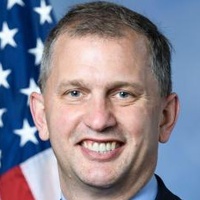
Sean Casten
Representative
IL
Sean Casten
Representative
IL
The Energy Bills Relief Act is a comprehensive bill designed to lower energy costs for American families, accelerate the deployment of low-cost, clean energy, and modernize the nation's electricity grid. It achieves this by reversing harmful policies against renewables, expanding energy assistance programs, streamlining grid connection processes, and increasing transparency in utility regulation. Ultimately, the legislation aims to create a more reliable, affordable, and cleaner energy system while ensuring communities have a stronger voice in energy development.
The Momnibus Act is a comprehensive legislative package designed to improve maternal health outcomes and reduce racial disparities by addressing social determinants, expanding nutritional and mental health support, diversifying the perinatal workforce, and investing in data-driven, community-based care.

Lauren Underwood
Representative
IL
Lauren Underwood
Representative
IL
The Momnibus Act is a comprehensive legislative package designed to end preventable maternal mortality and close racial and ethnic disparities in maternal health outcomes. By addressing social determinants of health, expanding nutritional and mental health support, and investing in a diverse, culturally competent workforce, the bill provides a holistic framework for improving care. Through targeted federal grants, enhanced data collection, and innovative technology, the Act aims to ensure that all pregnant and postpartum individuals receive the equitable, high-quality care they deserve.
This bill reforms the Espionage Act to narrow the scope of potential prosecutions and establishes new legal defenses for whistleblowers who disclose classified information in the public interest.
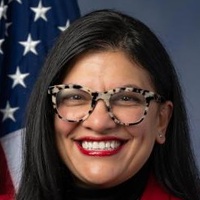
Rashida Tlaib
Representative
MI
Rashida Tlaib
Representative
MI
The Daniel Ellsberg Press Freedom and Whistleblower Protection Act of 2026 reforms federal espionage laws to better protect journalists and whistleblowers. The bill narrows the scope of who can be prosecuted for disclosing classified information and introduces new legal defenses for those who expose government misconduct, illegal acts, or threats to public safety.
This resolution recognizes March 10, 2026, as "Abortion Provider Appreciation Day" to honor the essential care provided by abortion staff and to affirm a commitment to protecting their safety and access to reproductive healthcare.
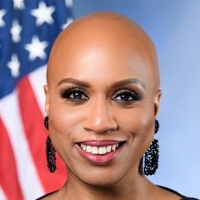
Ayanna Pressley
Representative
MA
Ayanna Pressley
Representative
MA
This resolution recognizes March 10, 2026, as "Abortion Provider Appreciation Day" to honor the essential care and dedication of abortion providers and clinic staff. It highlights the challenges and violence faced by these professionals while affirming a commitment to protecting their safety and ensuring universal access to abortion care. The resolution further condemns legislative and judicial actions that restrict reproductive rights and worsen health inequities.
This bill amends the Fair Labor Standards Act to extend minimum wage and overtime protections to home care workers by removing certain exemptions for casual babysitting and caregiving services.

Alexandria Ocasio-Cortez
Representative
NY
Alexandria Ocasio-Cortez
Representative
NY
The Fair Wages for Home Care Workers Act amends the Fair Labor Standards Act to ensure essential wage and overtime protections for caregivers. By updating definitions and removing outdated exemptions, the bill guarantees that home care workers receive the fair compensation and labor standards they deserve.
The Justice for Hind Rajab Act mandates a formal investigation and reporting process into the deaths of Hind Rajab and her family to determine if war crimes were committed and to ensure accountability for those responsible.
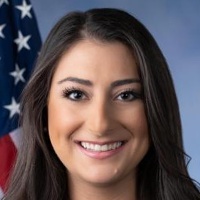
Sara Jacobs
Representative
CA
Sara Jacobs
Representative
CA
The Justice for Hind Rajab Act mandates a comprehensive investigation into the January 29, 2024, killing of Hind Rajab, her family, and two paramedics in Gaza. The bill requires the Secretary of State and the Attorney General to report on the incident, determine if war crimes occurred, and identify those responsible. Furthermore, it establishes a formal U.S. policy to collect evidence of war crimes and pursue accountability for such acts within the conflict.
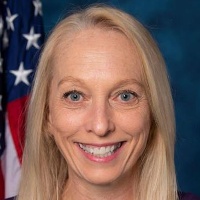
The Take Back Our Hospitals Act of 2026 prohibits Medicare payments to hospitals and skilled nursing facilities owned or controlled by private equity funds or real estate investment trusts.
Mary Scanlon
Representative
PA
Mary Scanlon
Representative
PA
The Take Back Our Hospitals Act of 2026 prohibits Medicare payments to hospitals and skilled nursing facilities owned or controlled by private equity funds or real estate investment trusts. This legislation aims to reduce the influence of investment firms in healthcare by mandating divestiture or loss of federal funding. Existing facilities are granted a three-year transition period to comply with these new ownership restrictions.
The Infant Formula Safety Modernization Act of 2026 mandates stricter manufacturing testing, rapid pathogen reporting, and enhanced Congressional oversight to ensure the safety of infant formula.

Rosa DeLauro
Representative
CT
Rosa DeLauro
Representative
CT
The Infant Formula Safety Modernization Act of 2026 strengthens federal oversight by mandating rigorous pathogen testing, stricter manufacturing facility standards, and rapid reporting of contamination. The bill requires manufacturers to promptly notify the FDA of positive test results and ensures that Congress is kept informed of critical safety and inspection issues. These measures aim to enhance the safety and quality of infant formula products for all consumers.
This resolution directs the President to remove U.S. Armed Forces from unauthorized hostilities against Iran, pursuant to the War Powers Resolution.

Thomas Massie
Representative
KY
Thomas Massie
Representative
KY
This resolution directs the President, under the authority of the War Powers Resolution, to immediately remove U.S. Armed Forces from unauthorized hostilities against the Islamic Republic of Iran. It asserts that military action must cease unless Congress has formally declared war or passed a specific authorization for the use of force. The bill explicitly states that it does not authorize new military action nor does it impede necessary self-defense against an immediate attack.
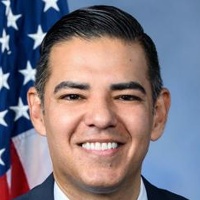
This act restricts the Department of Defense's sale and purchase of military-grade weapons and ammunition, imposing strict licensing, conduct, and record-keeping requirements on commercial dealers who wish to sell to or buy from the DoD.
Robert Garcia
Representative
CA
Robert Garcia
Representative
CA
The Stop Militarizing Our Streets Act of 2026 restricts the Department of Defense from selling or purchasing certain military-grade weapons and ammunition from commercial entities. It establishes strict requirements for dealers wishing to sell firearms or ammunition to the DoD, including enhanced background checks, electronic recordkeeping, and limits on ammunition sales. The bill aims to prevent military weaponry from entering the commercial marketplace and ensure accountability among defense contractors.
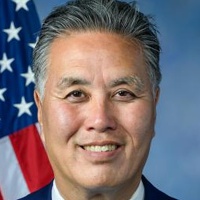
The PrEP Access and Coverage Act of 2026 mandates comprehensive, cost-free insurance coverage for HIV prevention services across public and private health plans while prohibiting discriminatory insurance practices and funding national education and outreach programs.
Mark Takano
Representative
CA
Mark Takano
Representative
CA
The PrEP Access and Coverage Act of 2026 mandates comprehensive, cost-free insurance coverage for HIV prevention services (PrEP and PEP) across private health plans, Medicare, Medicaid, TRICARE, and veteran health programs. The bill prohibits insurers from denying coverage or increasing premiums based on the use of HIV prevention medication and establishes robust patient confidentiality protections. Additionally, it authorizes national public health education campaigns and provides grant funding to expand access to prevention services for uninsured and underinsured populations.
The Medicines for the People Act establishes a new National Institute for Biomedical Research and Development to create and manufacture affordable, publicly accessible medical products.
Rashida Tlaib
Representative
MI
Rashida Tlaib
Representative
MI
The Medicines for the People Act establishes a new National Institute for Biomedical Research and Development within the NIH to lead the full-cycle development of drugs, devices, and biological products. By prioritizing public health needs and maintaining federal ownership of resulting patents, the Institute aims to ensure that new medical innovations are transparently developed and sold to the public at equitable, accessible prices.