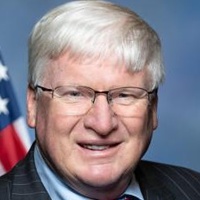
Legislative Activity
Track Glenn's sponsored bills, co-sponsored legislation, and voting record
This act prohibits federal agencies from using funds to promote LGBTQI+ Pride Month and bans the display of sexual orientation or gender identity flags on federal property.
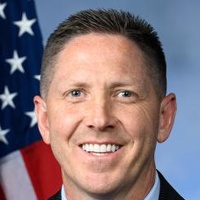
Josh Brecheen
Representative
OK
Josh Brecheen
Representative
OK
The Patriotism Not Pride Act prohibits federal agencies from using taxpayer funds to promote or officially recognize Lesbian, Gay, Bisexual, Transgender, Queer, and Intersex (LGBTQI+) Pride Month activities. Furthermore, the bill bans the flying of any flag representing sexual orientation or gender identity on federal property. This legislation aims to restrict federal endorsement and celebration of these specific recognitions.
This Act exempts legally captive-raised sturgeon and their offspring from certain Endangered Species Act protections unless they are intentionally released into the wild.
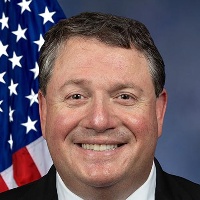
Randall Fine
Representative
FL
Randall Fine
Representative
FL
The Sturgeon Conservation and Sustainability Act of 2025 provides an exemption from certain Endangered Species Act protections for legally held captive sturgeon and their offspring. This exemption remains in effect unless the fish are intentionally released into the wild. Holders of these captive sturgeon must maintain and provide documentation proving their legal status upon request.
This Act mandates that major internet content and service providers (edge providers) must help fund the Universal Service Fund alongside broadband providers to lower consumer costs and support service in high-cost areas.
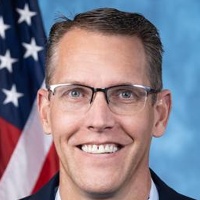
Randy Feenstra
Representative
IA
Randy Feenstra
Representative
IA
The Lowering Broadband Costs for Consumers Act of 2025 reforms the Universal Service Fund (USF) contribution system by requiring large internet content and service providers ("Edge Providers") to contribute alongside traditional broadband providers. This aims to shift the financial burden away from solely relying on phone companies to ensure continued support for universal service. The bill also directs the FCC to establish new, predictable funding mechanisms to support broadband providers serving high-cost areas.
This resolution seeks to disapprove and nullify the Environmental Protection Agency's rule regarding California's Low NOX vehicle and engine pollution control standards.
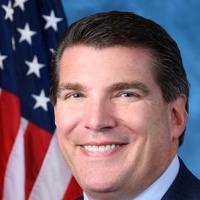
Jay Obernolte
Representative
CA
Jay Obernolte
Representative
CA
This joint resolution seeks to disapprove and nullify a specific rule issued by the Environmental Protection Agency (EPA) regarding California's stringent motor vehicle and engine pollution control standards, known as the "Omnibus Low NOX Regulation." By exercising disapproval under the Congressional Review Act, this measure prevents the EPA's decision on waiving federal preemption for these California standards from taking legal effect. If passed, the EPA's rule will be entirely canceled.
This joint resolution disapproves the EPA's rule allowing California to implement its Advanced Clean Cars II vehicle pollution control standards.
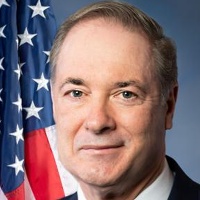
John Joyce
Representative
PA
John Joyce
Representative
PA
This joint resolution expresses Congressional disapproval of the Environmental Protection Agency's (EPA) rule regarding California's "Advanced Clean Cars II" vehicle pollution standards. By rejecting this rule, Congress is effectively canceling the EPA's decision to grant California a waiver allowing it to set stricter emission standards than federal law typically permits. Consequently, the approved California standards will not take effect.
This act permits the placement of a U.S. flag securely next to the grave of any service member or veteran, overriding existing flag code restrictions.
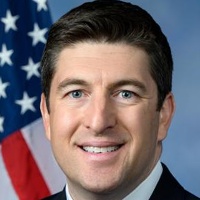
Bryan Steil
Representative
WI
Bryan Steil
Representative
WI
The American Flags to Honor Our Veterans Act of 2025 specifically authorizes the placement of the U.S. flag directly next to the gravesite of any individual who served in the Armed Forces or is a veteran. This provision ensures that flags can be displayed securely and upright next to individual graves, regardless of other existing flag display regulations.
The FIGHT Act of 2025 strengthens federal prohibitions against animal fighting, enhances enforcement mechanisms, and allows citizens to sue violators of animal fighting provisions.
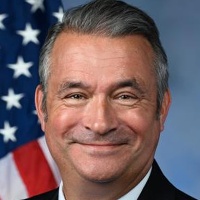
Don Bacon
Representative
NE
Don Bacon
Representative
NE
The FIGHT Act of 2025 significantly strengthens federal prohibitions against animal fighting ventures, specifically targeting the sponsorship, exhibition, and gambling associated with these events. This legislation clarifies the definition of a rooster for legal purposes and bans the interstate transport of roosters for fighting. Furthermore, it empowers private citizens to file lawsuits against violators, allowing for civil penalties and the potential seizure of property used to facilitate illegal animal fighting.
The STOP CSAM Act of 2025 strengthens protections for child victims in federal court, mandates technology companies to report suspected child sexual exploitation, and expands civil remedies for victims against perpetrators and online platforms.
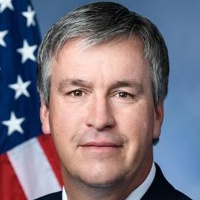
Barry Moore
Representative
AL
Barry Moore
Representative
AL
The STOP CSAM Act of 2025 significantly strengthens protections for child victims and witnesses in federal court by expanding definitions of harm and restricting the public disclosure of their identities. It mandates new, strict reporting duties for tech providers regarding child sexual exploitation material, backed by substantial criminal and civil penalties for non-compliance. Furthermore, the Act creates broad new civil remedies allowing victims to sue responsible online platforms and app stores for damages related to exploitation that occurred during their childhood. Finally, it improves restitution procedures, particularly for vulnerable victims, while ensuring existing state and tribal protections remain intact.
This bill repeals the Freedom of Access to Clinic Entrances (FACE) Act, effectively removing federal criminal penalties for obstructing access to reproductive health clinics.

Chip Roy
Representative
TX
Chip Roy
Representative
TX
The FACE Act Repeal Act of 2025 seeks to eliminate federal protections that currently prohibit the obstruction of reproductive health clinic entrances, the use of force or threats against patients and providers, and the intentional damage of clinic property. If enacted, this legislation would immediately repeal these federal criminal prohibitions and apply to all pending or future prosecutions.
This Act increases compensation for Chapter 7 trustees, adjusts bankruptcy fee allocations to fund the U.S. Trustee system, and extends the terms of certain temporary bankruptcy judge offices.

Ben Cline
Representative
VA
Ben Cline
Representative
VA
The Bankruptcy Administration Improvement Act of 2025 addresses the funding and administration of the federal bankruptcy system. This bill primarily increases the compensation for Chapter 7 trustees to address decades of stagnant pay while adjusting various bankruptcy fees to ensure the U.S. Trustee System remains self-funded. Additionally, it extends the term limits for certain temporary bankruptcy judge offices.
This bill officially renames the Department of Veterans Affairs women's health clinic in Milwaukee, Wisconsin, as the Anna Mae Robertson VA Well Woman Clinic.
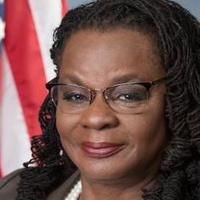
Gwen Moore
Representative
WI
Gwen Moore
Representative
WI
This bill officially renames the Department of Veterans Affairs women's health clinic in Milwaukee, Wisconsin. The clinic will now be known as the Anna Mae Robertson VA Well Woman Clinic. This change ensures all official records reflect the new designation.
The ADINA Act mandates that drugs containing major food allergens or ingredients derived from gluten-containing grains must clearly display this information on their labels.
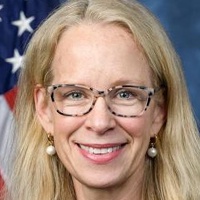
Kelly Morrison
Representative
MN
Kelly Morrison
Representative
MN
The ADINA Act mandates that prescription and over-the-counter drugs must clearly label if they contain ingredients derived from major food allergens or gluten-containing grains. This new requirement aims to protect consumers by ensuring transparency regarding potential allergens in medications. Drugs failing to include this specific warning will be considered misbranded under federal law.
The SKIM Act mandates stricter sentencing guidelines for credit card and identity misuse crimes and requires a report on federal and local cooperation to combat access device fraud.
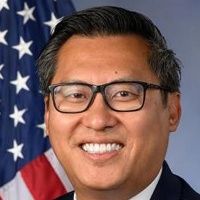
Vince Fong
Representative
CA
Vince Fong
Representative
CA
The SKIM Act, or Stopping Klepto-card and Identity Misuse Act, mandates stricter sentencing guidelines for crimes involving counterfeit or stolen credit and debit cards, ensuring a minimum offense level for such offenses. It also requires the Attorney General and Secretary of Homeland Security to report to Congress on federal and local cooperation in combating access device fraud. This legislation aims to increase penalties and improve coordination against identity and payment card misuse.
This Act establishes an automatic sequestration process to offset future discretionary or direct emergency spending approved by Congress, with specific reporting requirements for designating spending as an emergency.
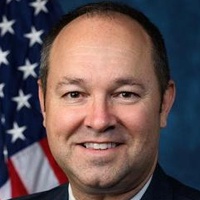
Marlin Stutzman
Representative
IN
Marlin Stutzman
Representative
IN
The Emergency Spending Accountability Act establishes automatic spending sequestration to offset future emergency appropriations approved by Congress. This system mandates multi-year spending cuts, applied only to the same category of spending (discretionary or direct) as the original emergency funds. The bill also requires detailed justifications from Congressional committees whenever emergency spending is included in legislation. Certain critical programs, including Social Security and VA benefits, are explicitly protected from these automatic cuts.
This bill restricts the Secretary of Homeland Security's authority to grant immigration parole to a case-by-case basis for urgent humanitarian reasons or significant public benefit, imposes annual caps, and allows states to sue over perceived abuses.
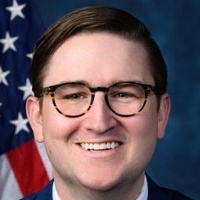
Addison McDowell
Representative
NC
Addison McDowell
Representative
NC
This bill, the Preventing the Abuse of Immigration Parole Act, aims to drastically restrict the Secretary of Homeland Security's authority to grant immigration parole. It mandates that parole decisions must be made strictly on a case-by-case basis for urgent humanitarian reasons or significant public benefit. Furthermore, the legislation imposes an annual cap on parole grants starting in FY 2029 and grants states the authority to sue the Secretary over perceived misuse of this authority.
This resolution supports designating a "Family Month" to emphasize the importance of the traditional married mother and father family structure while withdrawing recognition from Pride Month.
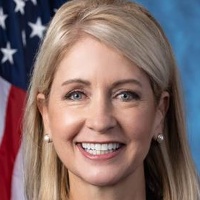
Mary Miller
Representative
IL
Mary Miller
Representative
IL
This resolution supports designating a "Family Month" to emphasize the importance of the traditional married mother and father family structure as the foundation of a healthy society. It criticizes current policies and cultural trends for discouraging marriage and notes the decline of the nuclear family. Ultimately, the bill calls for a national rededication to strengthening this specific family unit.
This bill establishes federal criminal penalties for performing gender transition procedures on minors, with specific exceptions for certain medical conditions.
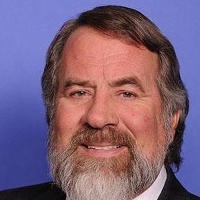
Doug LaMalfa
Representative
CA
Doug LaMalfa
Representative
CA
The Protecting Children from Experimentation Act of 2025 establishes a new federal crime prohibiting healthcare professionals from performing specific gender transition procedures on minors under 18. This bill imposes criminal penalties, including fines and imprisonment, for violations connected to interstate commerce. Minors subjected to these procedures are explicitly protected from prosecution and granted the right to sue those involved. The Act broadly defines banned procedures, including the use of puberty blockers, cross-sex hormones, and various surgeries, while carving out exceptions for certain medical conditions and life-saving measures.
This Act establishes a pilot program for law enforcement to test drones equipped only with non-lethal tools for responding to active shooter situations.
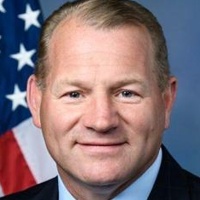
Troy Nehls
Representative
TX
Troy Nehls
Representative
TX
The Deescalation Drone Pilot Program Act of 2025 establishes a pilot program managed by the FAA for law enforcement to test drones equipped only with non-lethal tools during active shooter events. This initiative aims to assess the safety, training, and effectiveness of using these specialized drones to keep officers at a safer distance. Following the testing phase, the FAA must create a formal rulemaking process to allow agencies nationwide to seek approval for using these domestically manufactured, non-lethal drones.
The Financial Integrity and Regulation Management Act prohibits federal banking agencies from using "reputational risk" as a factor in supervising, examining, or taking enforcement actions against depository institutions.
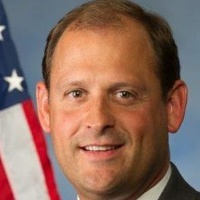
Garland Barr
Representative
KY
Garland Barr
Representative
KY
The Financial Integrity and Regulation Management (FIRM) Act prohibits federal banking agencies from using "reputational risk" as a factor in supervising, examining, or rating financial institutions. This legislation aims to ensure that bank oversight focuses strictly on financial safety and soundness, rather than public perception or political considerations. Agencies must remove all references to reputational risk from their guidance and report back to Congress on their compliance within 180 days.
This bill establishes a new excise tax on proceeds received by parties from third-party litigation financing agreements, effective after 2025.
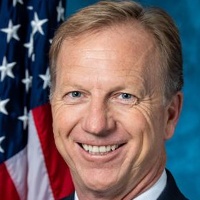
Kevin Hern
Representative
OK
Kevin Hern
Representative
OK
The Tackling Predatory Litigation Funding Act establishes a new federal excise tax on proceeds received from third-party litigation financing agreements. This tax is calculated at the highest income tax rate plus an additional 3.8 percentage points, applied annually to the proceeds received by a "covered party." The bill also institutes specific withholding requirements on payments made to financiers and reclassifies litigation funding proceeds to ensure this new tax structure is applied.