Legislative Activity
Track Valerie's sponsored bills, co-sponsored legislation, and voting record
This bill modifies deposits into the Crime Victims Fund by excluding certain False Claims Act recoveries and mandates an Inspector General audit of the Fund's sustainability.
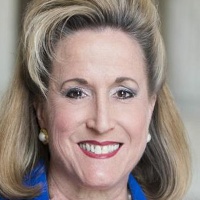
Ann Wagner
Representative
MO
Ann Wagner
Representative
MO
This bill amends the Victims of Crime Act of 1984 to temporarily exclude certain False Claims Act recoveries from being deposited into the Crime Victims Fund through fiscal year 2029. It also mandates a comprehensive audit by the Department of Justice Inspector General on the Fund's sustainability and the impact of recent legislative changes. The resulting report will provide recommendations for improving the Fund's effectiveness and oversight.
This bill designates Burma for Temporary Protected Status (TPS) for eligible nationals present in the U.S. since enactment.
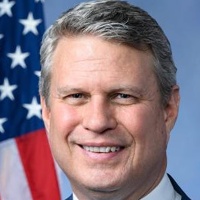
Bill Huizenga
Representative
MI
Bill Huizenga
Representative
MI
This bill designates Burma for Temporary Protected Status (TPS) for an initial period of 18 months, beginning November 25, 2025. It establishes eligibility requirements for Burmese nationals already present in the U.S. and outlines conditions for emergency travel authorization.
This resolution recognizes the 15th anniversary of the 2011 Tucson shooting, honoring the victims, survivors, and the ongoing advocacy of Gabby Giffords.
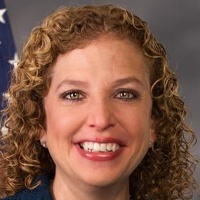
Debbie Wasserman Schultz
Representative
FL
Debbie Wasserman Schultz
Representative
FL
This resolution commemorates the 15th anniversary of the tragic January 8, 2011, Tucson shooting, honoring the six lives lost and the thirteen injured. It specifically commends the courage and ongoing advocacy of gun violence survivor and former Congresswoman Gabby Giffords. The resolution also recognizes the resilience of the community and reaffirms a commitment to ending political violence.
This act prohibits the use of federal funds to support any U.S. occupation, control, or administration of Venezuela, with specific exceptions for diplomatic property acquisition and existing humanitarian aid.
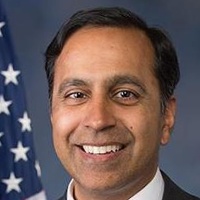
Raja Krishnamoorthi
Representative
IL
Raja Krishnamoorthi
Representative
IL
The No Occupation of Venezuela Act of 2026 (NOVA Act) strictly prohibits the use of U.S. Federal funds to support any form of U.S. military occupation, control, or administration over Venezuela. This ban includes funding for military deployments intended to assert sovereignty or control over Venezuelan territory or resources. The Act carves out narrow exceptions allowing for the acquisition or use of property for U.S. diplomatic or consular establishments, provided the Venezuelan government approves. Importantly, this legislation does not affect existing laws governing the provision of emergency humanitarian aid.
This bill applies key consumer protections from the Truth in Lending Act to "buy now, pay later" loans and subjects BNPL lenders to federal supervision by the CFPB.
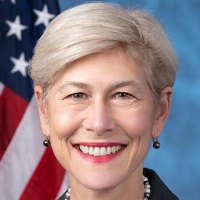
Deborah Ross
Representative
NC
Deborah Ross
Representative
NC
The Buy Now, Pay Later Protection Act of 2025 aims to enhance consumer safeguards for "buy now, pay later" (BNPL) loans. It amends the Truth in Lending Act to apply specific credit card protections, such as dispute resolution rights, to these short-term installment loans. Furthermore, the bill subjects BNPL lenders to direct federal supervision by the Consumer Financial Protection Bureau (CFPB). The CFPB is required to issue implementing rules within one year of enactment.
This bill restricts immigration enforcement authority to federal officials, rescinding the ability of state and local entities to inquire about or apprehend individuals for immigration violations.
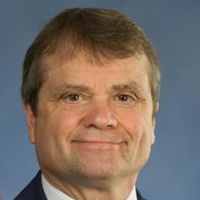
Mike Quigley
Representative
IL
Mike Quigley
Representative
IL
The PROTECT Immigration Act of 2025 aims to centralize immigration enforcement exclusively with federal officials. This legislation amends existing law to restrict state and local entities from inquiring about, apprehending, or detaining individuals based on immigration status, with only three specific statutory exceptions. Essentially, it removes the authority granted under Section 287(g) from non-federal personnel.
This bill imposes comprehensive sanctions on Russia for its war against Ukraine while permanently extending the U.S. sanctions authority against Iran.

Brian Fitzpatrick
Representative
PA
Brian Fitzpatrick
Representative
PA
The Peace Through Strength Against Russia Act of 2025 imposes comprehensive sanctions on Russia's financial, military, and energy sectors in response to its war against Ukraine. This legislation cuts off major Russian banks from the U.S. financial system and bans new American investment in Russia. Additionally, the bill makes the existing sanctions authority against Iran permanent by removing its expiration date.
This bill mandates the removal of U.S. Armed Forces from hostilities within or against Venezuela unless explicitly authorized by Congress.
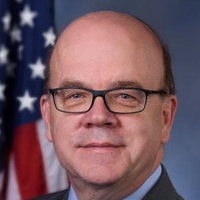
James McGovern
Representative
MA
James McGovern
Representative
MA
This bill mandates the President to immediately remove all United States Armed Forces from hostilities within or against Venezuela. This action is required unless Congress has specifically authorized the use of military force. The legislation aims to ensure that military engagement in Venezuela requires explicit Congressional approval.
The Schedules That Work Act establishes rights for employees to request flexible schedules, mandates advance notice and predictability pay for schedule changes in covered sectors, and grants employees rest time between shifts.
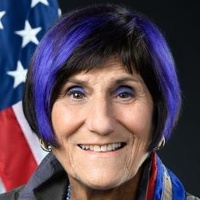
Rosa DeLauro
Representative
CT
Rosa DeLauro
Representative
CT
The Schedules That Work Act aims to provide workers with greater stability and predictability in their work hours. It grants employees the right to request flexible or stable schedules and requires employers to engage in a good-faith discussion about these requests. For covered sector employees (like retail and food service), the bill mandates 14 days' advance notice of schedules and establishes "predictability pay" for last-minute changes or split shifts. The Act also grants employees the right to 11 hours of rest between shifts, with premium pay required if this rest period is violated.
This bill eliminates the five-month waiting period for Social Security disability benefits and the 24-month waiting period for Medicare coverage for individuals diagnosed with young-onset Alzheimer's disease.
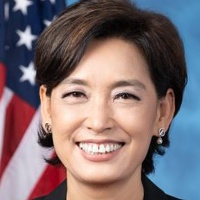
Young Kim
Representative
CA
Young Kim
Representative
CA
The BRIDGE for Young-Onset Alzheimer’s Disease Act of 2025 aims to provide immediate financial and medical support to individuals diagnosed with young-onset Alzheimer's disease. This bill eliminates the five-month waiting period for Social Security disability insurance benefits and waives the standard 24-month waiting period for Medicare coverage for these individuals. By making these changes, the legislation treats young-onset Alzheimer's the same as ALS regarding access to critical federal benefits.
This bill streamlines FEMA disaster spending by removing the Secretary of Homeland Security's personal approval requirement for expenditures over $100,000.
Deborah Ross
Representative
NC
Deborah Ross
Representative
NC
This bill, the FEMA Administrative Reform Act, streamlines disaster response by removing the requirement for the Secretary of Homeland Security to personally approve FEMA expenditures over $100,000 related to disaster costs. It aims to expedite the allocation of necessary funds during emergencies.
This act restricts senior government officials and their families from owning or trading specific investments, requiring divestment of existing holdings to restore public trust.
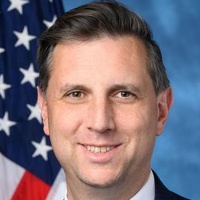
Seth Magaziner
Representative
RI
Seth Magaziner
Representative
RI
The Restore Trust in Government Act establishes strict new federal restrictions on senior government officials and their immediate families regarding the ownership and trading of specific financial investments. Covered individuals must divest existing investments that fall under the law's definition within a set timeframe, with limited exceptions. Violators face significant financial penalties, including a 10% fee on the investment value and disgorgement of any profits earned from prohibited transactions.
This act removes the White House and its grounds from a specific list of protected properties under existing historic preservation law.
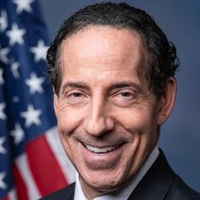
Jamie Raskin
Representative
MD
Jamie Raskin
Representative
MD
The People's White House Historic Preservation Act removes the White House and its grounds from a specific list of properties under current preservation law. This action reclassifies the status of the White House regarding federal historic preservation regulations.
This act nullifies a recent Executive Order regarding federal labor relations and ensures existing collective bargaining agreements remain in effect.
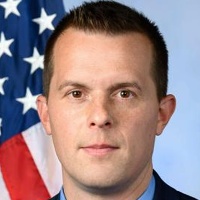
Jared Golden
Representative
ME
Jared Golden
Representative
ME
The Protect America's Workforce Act nullifies a specific Executive Order issued in March 2025 concerning exclusions from federal labor-management relations programs. This legislation ensures that any existing collective bargaining agreements between federal agencies and employee unions remain fully in effect until their stated expiration dates. The Act also prohibits the use of federal funds to implement the overturned Executive Order.
This act mandates protective barriers for new fixed-route bus operator workstations purchased with federal funds, unless waived by the relevant labor union.
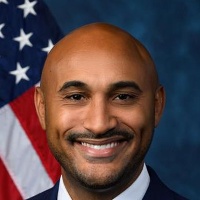
Shomari Figures
Representative
AL
Shomari Figures
Representative
AL
The Bus Operator Safety and Security Act mandates that new fixed-route buses purchased with federal funds, meeting specific size and lifespan criteria, must be equipped with a protective barrier around the operator's workstation. This barrier must fully enclose the area without obstructing the driver's line of sight. This requirement can be waived if the relevant labor union agrees to the waiver for the specific bus purchase.
This bill significantly increases civil penalties across various federal labor laws, strengthens enforcement for health plan compliance, establishes penalties for employer unfair labor practices, and treats certain recordkeeping failures as continuing violations.
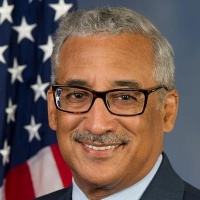
Robert Scott
Representative
VA
Robert Scott
Representative
VA
The Labor Enforcement to Securely Protect Workers (LETS Protect Workers) Act significantly increases civil penalties for violations across major federal labor laws, including child labor, wage and hour, and workplace safety standards. It strengthens enforcement mechanisms for mine safety violations and retaliation against miners, while also establishing new penalties for employer unfair labor practices under the National Labor Relations Act. Furthermore, the bill enhances enforcement for health plan parity and makes certain recordkeeping failures under OSHA and FLSA continuing violations.
This resolution commends state and local governments for championing reproductive rights as human rights while condemning abortion restrictions and criminalization following the *Dobbs* decision.
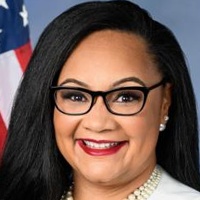
Nikema Williams
Representative
GA
Nikema Williams
Representative
GA
This concurrent resolution commends state and local governments for championing reproductive rights as human rights following the overturning of *Roe v. Wade*. It declares that denying abortion care leads to severe health risks and highlights the criminalization of pregnancy outcomes across the U.S. The resolution urges states to repeal abortion restrictions and affirm that reproductive rights are fundamental human rights.
This bill establishes a CISA program to promote cybersecurity careers specifically to disadvantaged communities across the United States.
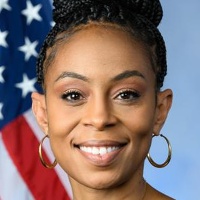
Shontel Brown
Representative
OH
Shontel Brown
Representative
OH
The Expanding Cybersecurity Workforce Act of 2025 establishes a new CISA program to actively promote cybersecurity careers to disadvantaged communities across the nation. This initiative specifically targets outreach to older individuals, minorities, people with disabilities, veterans, and those from nontraditional educational backgrounds. The goal is to diversify and strengthen the U.S. cyber workforce through tailored education and training assistance. The Act authorizes $20 million annually through fiscal year 2031 to support these efforts.
This bill establishes a 20% excise tax, dubbed the "ROBINHOOD Act," on certain secured business loans taken out by high-income individuals (AGI over $400,000).

Dan Goldman
Representative
NY
Dan Goldman
Representative
NY
The ROBINHOOD Act establishes a new 20 percent excise tax on certain secured business loans and lines of credit exceeding $400,000 in adjusted gross income. This tax applies when the loan is secured by capital assets, excluding residential mortgages and farmland loans. The borrower is responsible for paying this annual tax to the Treasury.
The HELP Copays Act mandates that financial assistance from non-profits and drug manufacturers must count toward a patient's deductible, copay, and out-of-pocket maximum for prescription drugs.
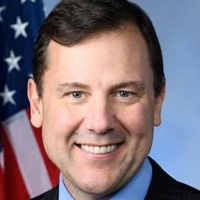
Thomas Kean
Representative
NJ
Thomas Kean
Representative
NJ
The HELP Copays Act requires that financial assistance provided by non-profit organizations and drug manufacturers must count toward a patient's deductible, copayments, and out-of-pocket maximums for prescription drugs. This change ensures that patient assistance dollars directly reduce the amount a patient must pay before their coverage fully kicks in. The legislation specifically applies to specialty drugs and those subject to utilization management. These provisions will take effect for plan years beginning on or after January 1, 2026.