The Foreign Propaganda Disclosure Act amends the Foreign Agents Registration Act to require monetized social media influencers to register as foreign agents.
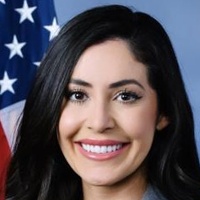
Anna Luna
Representative
FL-13
The Foreign Propaganda Disclosure Act amends the Foreign Agents Registration Act (FARA) to explicitly include social media influencers within the definition of foreign agents. This legislation requires influencers with monetized accounts to register with the U.S. government if they are acting on behalf of foreign principals. The bill aims to increase transparency regarding foreign-backed content across social media platforms.
Foreign Propaganda Disclosure Act Targets Influencers: New Registration Rules for Monetized Accounts
The Foreign Propaganda Disclosure Act aims to pull back the curtain on who is paying for the content you scroll through every day. By amending the Foreign Agents Registration Act of 1938 (FARA), this bill formally expands the definition of a 'foreign agent' to include social media influencers. Specifically, it targets anyone with a monetized social media account who acts on behalf of a foreign entity. If this bill passes, influencers who take money or direction from foreign governments or organizations to promote specific narratives will be legally required to register with the U.S. government, just like traditional lobbyists.
The 'Monetized' Grey Area
Under Section 2, a 'social media influencer' is defined as any person with a monetized account on any platform. While this sounds straightforward, the bill doesn't specify a dollar threshold for what counts as 'monetized.' This means whether you are a YouTuber making six figures or a part-time creator earning a few dollars a month through a platform’s partner program, you could fall under this new umbrella. For a small-scale creator who happens to collaborate with an international brand or an overseas non-profit, the jump from 'content creator' to 'registered foreign agent' involves a massive amount of paperwork and legal scrutiny that most people aren't prepared to handle.
From Viral Hits to Federal Filings
The real-world impact hits hardest for those whose work crosses borders. Imagine a travel vlogger who receives a stipend from a foreign tourism board to showcase a specific region, or a tech reviewer who gets early access and compensation from an overseas electronics firm. Under this bill, these everyday business deals could be flagged as foreign influence. The requirement to register with the Department of Justice isn't just a formality; it involves public disclosure of finances and activities, which could lead to a 'chilling effect' where creators avoid international collaborations altogether to stay off the government's radar.
Transparency vs. Overreach
The bill’s primary goal is to combat foreign disinformation by ensuring that if a foreign power is paying for a 'hot take' on your feed, you know about it. This transparency could help protect the public from covert propaganda campaigns. However, because the language is broad, there is a risk of overreach. Without clear guidelines on what constitutes 'influence' versus a standard business transaction, the government gains significant oversight into the digital lives of independent creators. For the average user, this might mean more disclosure labels on posts, but for the creators themselves, it means navigating a complex legal landscape originally designed for high-level political operatives.