Legislative Activity
Track C.'s sponsored bills, co-sponsored legislation, and voting record
The "Roberto Clemente Commemorative Coin Act" directs the Treasury to mint coins in 2027 honoring Roberto Clemente, with surcharges benefiting the Roberto Clemente Foundation.
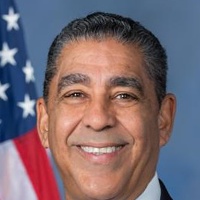
Adriano Espaillat
Representative
NY
Adriano Espaillat
Representative
NY
The Roberto Clemente Commemorative Coin Act directs the Department of Treasury to mint and issue gold, silver, and half-dollar coins in 2027 to commemorate the life and legacy of Roberto Clemente. The coins' designs will represent Clemente's life, including his baseball achievements and humanitarian work. Surcharges from the coin sales will benefit the Roberto Clemente Foundation, supporting their educational programs, youth sports initiatives, disaster relief efforts, and historic preservation projects. The Act ensures that the coin program will not incur any net cost to the United States government.
This bill directs the Joint Committee on the Library to procure and install a statue of Benjamin Franklin in the United States Capitol by the end of 2026.
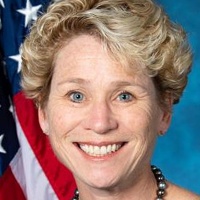
Chrissy Houlahan
Representative
PA
Chrissy Houlahan
Representative
PA
This bill directs the Joint Committee on the Library to procure a statue of Benjamin Franklin for permanent display within the United States Capitol. The statue is required to be acquired by the end of 2025 and installed in a publicly accessible location by December 31, 2026.
To award a Congressional Gold Medal to the 761st Tank Battalion, the first Black soldiers to serve in an American armored unit, for their valor and crucial contributions to the Allied victory in Europe.
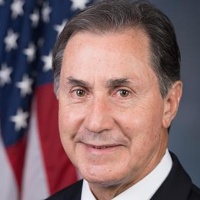
Gary Palmer
Representative
AL
Gary Palmer
Representative
AL
This bill authorizes the Speaker of the House and the President pro tempore of the Senate to award a Congressional Gold Medal to the 761st Tank Battalion, also known as the "Black Panthers," in recognition of their courageous service and crucial contributions during World War II. The medal will be given to the National Museum of African American History and Culture for display, honoring the 761st as the first Black soldiers to serve in an American armored unit and their significant role in the Allied victory in Europe. The bill also allows for the creation and sale of bronze duplicates of the medal to support the United States Mint Public Enterprise Fund.
The "Protect Veteran Jobs Act" allows wrongly terminated veteran civil service employees to be reinstated and requires executive agencies to report to Congress on veteran employee terminations.
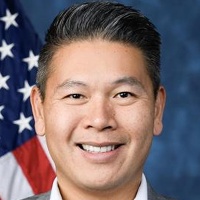
Derek Tran
Representative
CA
Derek Tran
Representative
CA
The Protect Veteran Jobs Act allows wrongly fired or dismissed veterans in civil service jobs between January 20, 2025, and the Act's enactment date to be reinstated to their previous position or a similar one. It mandates executive branch agencies to report to Congress every three months on all veteran employees who were fired or dismissed and the reasons for their termination, effective until January 20, 2029. The Act relies on existing U.S. Code definitions for key terms like "veteran" and "civil service."
This resolution condemns the Iranian regime’s terrorism and human rights abuses while affirming support for the Iranian people’s right to establish a democratic, secular, and non-nuclear republic.
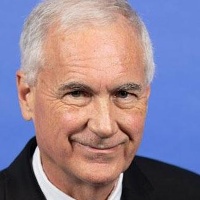
Tom McClintock
Representative
CA
Tom McClintock
Representative
CA
This resolution condemns the Iranian regime for its ongoing human rights abuses, state-sponsored terrorism, and regional instability. It expresses strong support for the Iranian people's struggle for a democratic, secular, and non-nuclear republic. Furthermore, the bill advocates for international accountability for the regime's crimes and calls for the protection of Iranian political refugees.
The "Supporting Farm Operations Act of 2025" freezes wage rates for H-2A nonimmigrant workers at 2023 levels through 2026 and clarifies job classification for wage determination.
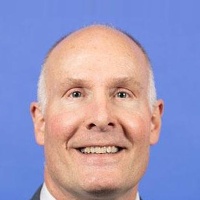
John Moolenaar
Representative
MI
John Moolenaar
Representative
MI
The "Supporting Farm Operations Act of 2025" freezes the wage rate for H-2A nonimmigrant workers at the level it was on December 31, 2023, through December 31, 2026. Additionally, the bill directs the Secretary of Labor to use a primary duties evaluation when deciding the required wage for employees who perform multiple duties or tasks.
This bill adds the Secretary of Agriculture to the Committee on Foreign Investment in the United States (CFIUS) and requires CFIUS to review agricultural land transactions, especially those involving entities from China, North Korea, Russia, or Iran.
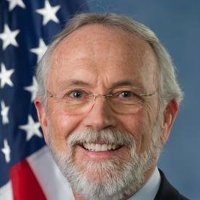
Dan Newhouse
Representative
WA
Dan Newhouse
Representative
WA
The "Protecting American Agriculture from Foreign Adversaries Act of 2025" adds the Secretary of Agriculture to the Committee on Foreign Investment in the United States (CFIUS) for agricultural matters. It mandates CFIUS review of agricultural land transactions, particularly those involving entities from China, North Korea, Russia, or Iran, to safeguard American agriculture. This ensures scrutiny of foreign investments in agricultural land and related industries, addressing potential threats to national security. The requirements for a specific country will end if that country is removed from the list of foreign adversaries in section 791.4 of title 15, Code of Federal Regulations.
Prohibits the purchase of real estate near U.S. federal lands by agents or businesses associated with the government of the People's Republic of China with 25% or more equity interest.
Dan Newhouse
Representative
WA
Dan Newhouse
Representative
WA
The "No American Land for Communist China Act" prohibits the President from allowing individuals or entities associated with the Chinese government from purchasing real estate near covered federal lands. Covered lands include those managed by the Departments of Interior, Defense, Agriculture (Forest Service), and Energy, as well as Indian country. This restriction applies to entities with at least 25% equity interest held by Chinese government-affiliated individuals or businesses. The Act defines "United States" broadly to include states, territories, and other U.S. possessions.
The "PAR Act" removes restrictions on using bond proceeds for private or commercial golf courses and country clubs.
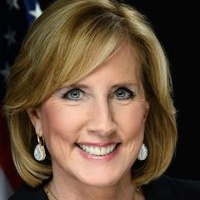
Claudia Tenney
Representative
NY
Claudia Tenney
Representative
NY
The "Parity for Athletic Recreation Act" or "PAR Act" removes the restriction that prohibits bond proceeds from being used for private or commercial golf courses and country clubs. This change applies to bonds issued after the enactment of this Act. Additionally, it affects the empowerment zone employment credit and applies to empowerment zone businesses and opportunity zones.
The "Protect and Serve Act of 2025" establishes federal penalties for intentionally causing serious harm or death to law enforcement officers because of their position, under certain circumstances, and requires Attorney General certification for federal prosecution in many cases.
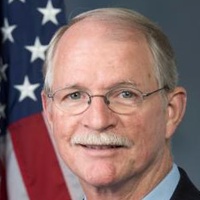
John Rutherford
Representative
FL
John Rutherford
Representative
FL
The "Protect and Serve Act of 2025" creates federal offenses for intentionally causing serious injury or death to law enforcement officers because of their status as officers. It sets penalties including imprisonment and fines, with increased penalties if death results or if kidnapping or attempted killing is involved. Federal prosecution requires certification from the Attorney General, based on a request from the state or if it is in the public interest to ensure substantial justice. The act defines "law enforcement officer" and "State" for the purposes of the new offenses.
The America Works Act of 2025 amends the Food and Nutrition Act of 2008 to modify exemptions from work requirements for SNAP benefits and allows waivers in high-unemployment areas.
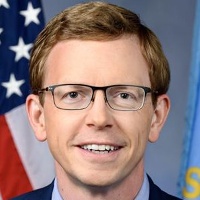
Dusty Johnson
Representative
SD
Dusty Johnson
Representative
SD
The America Works Act of 2025 amends the Food and Nutrition Act of 2008 to provide exemptions from work requirements for specific individuals, including those under 18 or over 65, medically unfit individuals, and parents of young children. It also allows the Secretary to waive certain requirements in counties with high unemployment rates, based on state agency requests. Additionally, the act removes a subsection from the Fiscal Responsibility Act of 2023.
This bill authorizes the creation of a Congressional Gold Medal to honor the volunteers and communities involved with the North Platte Canteen during World War II.
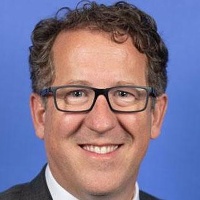
Adrian Smith
Representative
NE
Adrian Smith
Representative
NE
The North Platte Canteen Congressional Gold Medal Act recognizes and honors the volunteers and donors of the North Platte Canteen in Nebraska during World War II with a Congressional Gold Medal. This medal will be presented by the Speaker of the House and the President pro tempore of the Senate, and then displayed at the Lincoln County Historical Museum. The Act also authorizes the creation and sale of bronze duplicates of the gold medal to cover production costs, with proceeds deposited into the Mint's Public Enterprise Fund.
Prohibits the EPA from using its Integrated Risk Information System program to create regulations, carry out enforcement, or inform air toxics assessments.
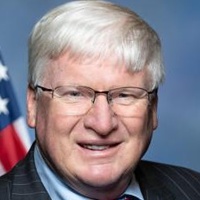
Glenn Grothman
Representative
WI
Glenn Grothman
Representative
WI
The "No Industrial Restrictions in Secret Act of 2025" or "No IRIS Act of 2025" prevents the EPA Administrator from utilizing assessments produced by the EPA's Integrated Risk Information System program. This prohibition extends to developing regulations, enforcement actions, permitting, and informing air toxics assessments.
This bill restricts individuals and entities associated with Iran, North Korea, China, and Russia from purchasing or leasing U.S. agricultural land and participating in USDA programs, while also enhancing reporting requirements and penalties for foreign agricultural investment.
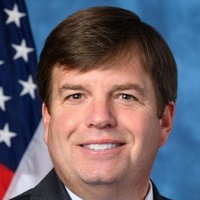
Dale Strong
Representative
AL
Dale Strong
Representative
AL
The "Protecting America's Agricultural Land from Foreign Harm Act of 2025" aims to safeguard U.S. agricultural land by prohibiting its purchase or lease by individuals or entities associated with the governments of Iran, North Korea, China, and Russia, while also preventing their participation in USDA programs. The bill expands reporting requirements under the Agricultural Foreign Investment Disclosure Act of 1978, increases penalties for violations, and mandates public online databases of foreign ownership. Additionally, it requires regular reports from the Secretary of Agriculture, the Director of National Intelligence, and the Government Accountability Office on foreign ownership and its potential risks.
The Agent Raul Gonzalez Officer Safety Act establishes federal criminal penalties and immigration consequences for individuals who use a motor vehicle to evade law enforcement near the U.S. border.
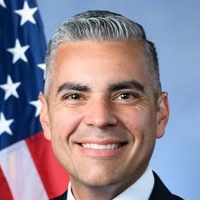
Juan Ciscomani
Representative
AZ
Juan Ciscomani
Representative
AZ
The Agent Raul Gonzalez Officer Safety Act establishes a new federal criminal offense for using a motor vehicle to evade law enforcement near the U.S. border, with penalties increasing significantly if the act results in injury or death. Additionally, the bill mandates that non-citizens convicted of this offense are inadmissible to the U.S., subject to deportation, and ineligible for immigration relief such as asylum. The legislation also requires the Attorney General to submit annual reports to Congress detailing enforcement data and prosecution outcomes.
This resolution expresses Congressional opposition to imposing new performance fees or royalties on local radio stations and businesses for broadcasting or playing music.
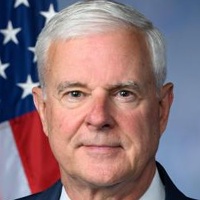
Steve Womack
Representative
AR
Steve Womack
Representative
AR
The Local Radio Freedom Act expresses Congressional opposition to imposing new performance fees, taxes, or royalties on local radio stations and businesses for playing music. It argues that the current system of free airplay provides essential promotional value to artists and that new fees would threaten the financial viability of local broadcasters and the vital community services they provide.
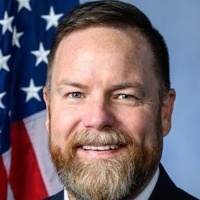
The bill would require certain Medicaid recipients to work, volunteer, or participate in a work program for at least 80 hours a month to maintain eligibility.
Aaron Bean
Representative
FL
Aaron Bean
Representative
FL
This bill amends the Social Security Act to require certain adults on Medicaid to complete 80 hours per month of work, community service, or a work program to maintain eligibility. Federal funding to states would be denied for those who do not meet this "community engagement requirement" for at least 3 months of the year. Certain individuals, such as those under 18 or over 65, pregnant individuals, and those with disabilities, are exempt from this requirement. States have the option to disenroll individuals if federal funding is unavailable due to non-compliance.
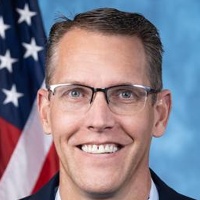
The "Death Tax Repeal Act" eliminates estate and generation-skipping transfer taxes, adjusts gift tax calculations, and sets a $10,000,000 lifetime gift exemption.
Randy Feenstra
Representative
IA
Randy Feenstra
Representative
IA
The "Death Tax Repeal Act" eliminates both estate and generation-skipping transfer taxes, effective from the date of enactment. It adjusts gift tax calculations by setting the lifetime gift exemption at $10,000,000, with inflation adjustments after 2011. The Act also includes transitional rules for applying certain sections of the Internal Revenue Code during the enactment year.
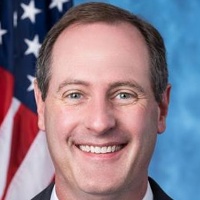
This resolution designates February 15–22, 2025, as "National FFA Week" to celebrate the organization's impact on agricultural education and its historic milestones.
Tracey Mann
Representative
KS
Tracey Mann
Representative
KS
This resolution designates February 15–22, 2025, as "National FFA Week" to honor the National FFA Organization’s vital role in cultivating the next generation of agricultural leaders. It celebrates the organization’s commitment to personal growth and career readiness while commemorating the 90th anniversary of the New Farmers of America and the 75th anniversary of the FFA’s federal charter.
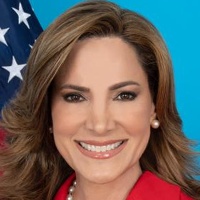
This bill updates the definition of "customs waters" to align with international law, extending U.S. authority for customs enforcement to the territorial sea and contiguous zone.
Maria Salazar
Representative
FL
Maria Salazar
Representative
FL
The "Extending Limits of U.S. Customs Waters Act" updates the definition of "customs waters" to align with international law, Presidential Proclamation 5928, and Presidential Proclamation 7219. It extends U.S. customs authority to include the territorial sea and contiguous zone, as permitted by international law. These changes will take effect the day after the Act is enacted.