Legislative Activity
Track C.'s sponsored bills, co-sponsored legislation, and voting record
The SHORT Act redefines "firearm" to exclude certain collector's items, eliminates disparate federal treatment of short-barreled rifles and shotguns, preempts state and local registration/tax burdens on these items, and mandates the destruction of certain existing NFA records.
Andrew Clyde
Representative
GA
Andrew Clyde
Representative
GA
The SHORT Act aims to reform federal firearms regulations by redefining what constitutes a "firearm" for tax purposes, largely excluding antique or collector's items. It eliminates disparate federal treatment for short-barreled rifles and shotguns used lawfully and preempts state and local governments from imposing special taxes or registration requirements on these specific weapons. Furthermore, the bill mandates the destruction of certain existing federal registration and transfer records related to defined firearms.
The No Harm Act prohibits the use of federal funds for sex-trait altering medical treatments for minors and establishes legal recourse for violations, parental consent requirements, and conscience protections for providers.
Robert Onder
Representative
MO
Robert Onder
Representative
MO
The No Harm Act prohibits the use of federal funds for sex-trait altering medical treatments for minors. It establishes strict parental consent requirements for such treatments in schools and allows civil lawsuits against entities that violate these prohibitions. Furthermore, the bill grants healthcare providers a broad right of conscience to refuse participation in these procedures without penalty.
This Act limits the FCC's authority to prohibit state and federal correctional facilities from using authorized cellphone jamming systems within their premises under specific operational and funding conditions.
David Kustoff
Representative
TN
David Kustoff
Representative
TN
The Cellphone Jamming Reform Act of 2025 limits the FCC's authority to prohibit the use of cell phone jamming systems within jails and prisons. This legislation specifically permits state and federal correctional facilities to deploy jamming technology to block communications involving inmates or contraband devices. Any facility using these systems must adhere to strict operational limits, ensure state funding for state-run systems, and coordinate with local public safety officials beforehand.
This bill establishes national reciprocity for concealed carry permits, allowing individuals legally permitted to carry in their home state to carry a handgun in any other state that allows concealed carry.
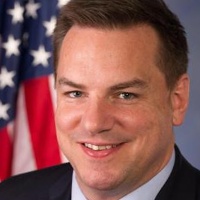
Richard Hudson
Representative
NC
Richard Hudson
Representative
NC
The Constitutional Concealed Carry Reciprocity Act of 2025 establishes a national standard for carrying concealed handguns across state lines. This act allows individuals legally permitted to carry in their home state to carry concealed in any other state that allows its residents to carry concealed firearms. The law does not override private property restrictions or prohibitions on government property, but it provides protections and legal recourse for those traveling in compliance with the new federal standard.
This Act authorizes the Treasury to mint and sell commemorative gold, silver, and clad coins honoring the National Fallen Firefighters Memorial, with surcharges benefiting the National Fallen Firefighters Foundation.
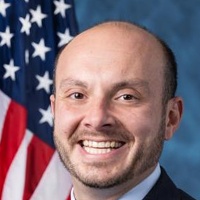
Andrew Garbarino
Representative
NY
Andrew Garbarino
Representative
NY
The National Fallen Firefighters Memorial Coin Act authorizes the Secretary of the Treasury to mint and issue special commemorative gold, silver, and clad coins honoring the National Fallen Firefighters Memorial. These coins will be sold to the public, with surcharges from the sales benefiting the National Fallen Firefighters Foundation. The Treasury must ensure that the production and issuance of these coins result in no net cost to the U.S. Government.
This bill revokes federal student aid eligibility and converts existing grants into non-dischargeable loans for individuals convicted of assaulting a police officer or participating in violent riots.
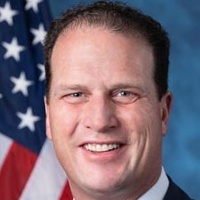
August Pfluger
Representative
TX
August Pfluger
Representative
TX
The FAFSA Act of 2025 revokes federal student aid eligibility, including grants and loans, for individuals convicted of assaulting a police officer or certain riot-related crimes. Any federal grants received prior to the conviction will be immediately converted into Federal Direct Unsubsidized Stafford Loans that must be repaid with interest. These converted loans will not be eligible for any existing federal forgiveness or discharge programs.
The Air America Act of 2025 authorizes one-time monetary awards to former Air America employees or their survivors for service supporting the CIA between 1950 and 1976.
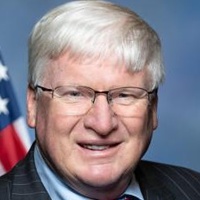
Glenn Grothman
Representative
WI
Glenn Grothman
Representative
WI
The Air America Act of 2025 recognizes the sacrifices of former Air America employees who served the U.S. Government between 1950 and 1976. This Act authorizes a one-time monetary award, up to $40,000 plus potential additional amounts, for qualifying service members or their survivors. The CIA Director is responsible for administering these payments, which are capped at a total of $60 million, and establishing the application procedures. Decisions made by the Director regarding these awards are final and not subject to judicial review.
Supports the designation of March 18, 2025, as "National Agriculture Day" and recognizes the importance of agriculture in the United States.
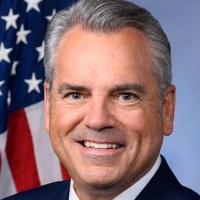
Mark Alford
Representative
MO
Mark Alford
Representative
MO
This resolution expresses support for designating March 18, 2025, as "National Agriculture Day." It recognizes and celebrates the significant impact of agriculture as a leading industry in the United States.
The HELPER Act of 2025 establishes a new FHA mortgage insurance program offering 100% financing with an upfront premium and no monthly premiums for eligible first responders, educators, and law enforcement officers.
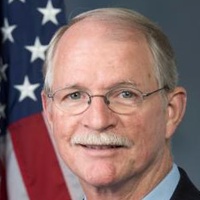
John Rutherford
Representative
FL
John Rutherford
Representative
FL
The HELPER Act of 2025 establishes a new FHA mortgage insurance program to assist first responders, educators, and law enforcement officers in purchasing homes. This program offers eligible first-time homebuyers 100% financing with no down payment required. Instead of monthly premiums, borrowers pay an upfront FHA insurance premium at closing.
The Major Richard Star Act ensures that military retirees with combat-related disabilities can concurrently receive their full military retirement pay and VA disability compensation without reduction.

Gus Bilirakis
Representative
FL
Gus Bilirakis
Representative
FL
The Major Richard Star Act ensures that military retirees with combat-related disabilities can receive both their military retirement pay and VA disability compensation concurrently without reduction. This law removes previous restrictions that caused military retirement pay to be offset by VA disability payments for these specific cases. The changes take effect on the first day of the month following the Act's enactment.
This bill reauthorizes funding for children's hospital graduate medical education programs through 2030 while restricting payments to hospitals that provide certain gender-affirming surgeries and medications to minors.
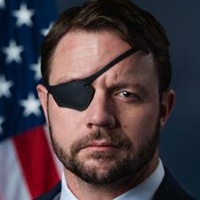
Dan Crenshaw
Representative
TX
Dan Crenshaw
Representative
TX
The Children’s Hospital GME Support Reauthorization Act of 2025 extends critical federal funding for graduate medical education programs at children's hospitals through fiscal year 2030. The bill increases annual funding allocations for the program during this extension period. Notably, it introduces a new restriction that prohibits payments to hospitals that provided certain gender-affirming surgeries and high-dose hormone treatments to minors in the preceding year, with specific exceptions for emergency care and treatment of certain medical conditions.
This act exempts individuals and businesses deriving at least 75% of their adjusted gross income from farming, ranching, or forestry from certain payment limitations for specified agricultural disaster programs.
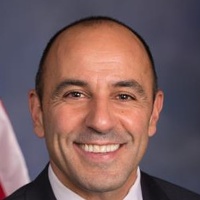
Jimmy Panetta
Representative
CA
Jimmy Panetta
Representative
CA
The Fair Access to Agriculture Disaster Programs Act creates an exception to income limits for certain federal agriculture disaster payments. This exception applies to individuals or businesses where at least 75% of their average adjusted gross income is derived from farming, ranching, or forestry. Consequently, these deeply involved agricultural producers will not be subject to standard payment caps on specific disaster assistance programs.
This bill exempts qualifying premium cigars, defined by strict manufacturing and ingredient standards, from certain regulations under the Federal Food, Drug, and Cosmetic Act.
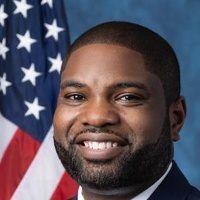
Byron Donalds
Representative
FL
Byron Donalds
Representative
FL
This bill seeks to amend the Federal Food, Drug, and Cosmetic Act to exempt "premium cigars" from certain FDA regulations. It defines a premium cigar based on strict criteria, including being hand-rolled and made entirely of natural tobacco leaf. The exemption is supported by findings that premium cigar use is rare, especially among youth, and poses lower health risks than other tobacco products.
This Act mandates the development and dissemination of a high school curriculum focused on the history, dangers, and human rights violations associated with communism, alongside oral history resources contrasting these regimes with American democratic principles.

Maria Salazar
Representative
FL
Maria Salazar
Representative
FL
The Crucial Communism Teaching Act mandates the development of a high school civic education curriculum focused on the history and dangers of communism. This curriculum must detail the death toll caused by communist regimes and highlight ongoing human rights abuses. The Act also requires the creation of "Portraits in Patriotism" oral history resources featuring victims of oppressive political systems.
The REDI Act allows medical and dental interns and residents to defer both principal and interest payments on their student loans while in training.
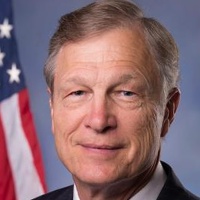
Brian Babin
Representative
TX
Brian Babin
Representative
TX
The Resident Education Deferred Interest (REDI) Act amends federal student loan regulations to provide a specific deferment for medical and dental residents. This allows borrowers currently serving in an internship or residency program to pause principal payments and prevent interest accrual on their student loans during that training period.
This bill mandates an annual report assessing U.S. reliance on China for critical agricultural inputs and recommends strategies to boost domestic or allied production.
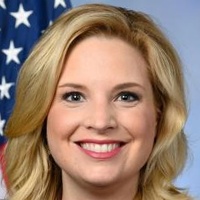
Ashley Hinson
Representative
IA
Ashley Hinson
Representative
IA
The Securing American Agriculture Act mandates an annual report from the Secretary of Agriculture detailing U.S. reliance on China for critical farming supplies like fertilizers, seeds, and veterinary drugs. This study must assess domestic production capabilities and identify supply chain vulnerabilities that China could exploit. The goal is to provide Congress with actionable recommendations for reducing dependency through onshore or nearshore production.
This bill censures Representative Al Green for disrupting the President's address to Congress and requires him to receive a formal reprimand before the House.
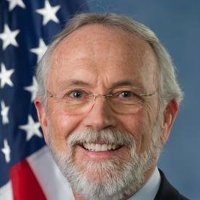
Dan Newhouse
Representative
WA
Dan Newhouse
Representative
WA
This bill censures Representative Al Green of Texas for disrupting the President's address to Congress on March 4, 2025. It condemns his actions and orders him to appear before the House of Representatives to receive a formal reprimand. During this time the Speaker of the House will publicly read the resolution of censure.
The "Pay Our Troops Act of 2025" ensures continued pay and allowances for members of the Armed Forces, essential DOD civilians, and contractors during funding gaps until January 1, 2026, or when regular appropriations are enacted.
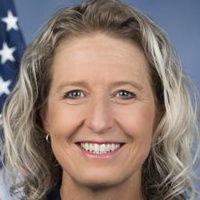
Jennifer Kiggans
Representative
VA
Jennifer Kiggans
Representative
VA
The "Pay Our Troops Act of 2025" ensures that members of the Armed Forces, essential Department of Defense civilians, and contractors continue to receive pay and allowances during periods when regular funding is disrupted. This act provides necessary appropriations to cover these costs for fiscal year 2025. The Act's provisions will terminate upon the enactment of regular appropriations, a continuing resolution that provides funding for the same purpose, or on January 1, 2026.
This bill ensures that U.S. Border Patrol agents and Customs and Border Protection officers are paid during any government shutdown in fiscal year 2025.
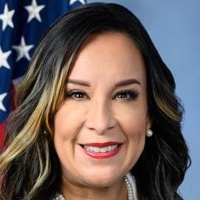
Mónica De La Cruz
Representative
TX
Mónica De La Cruz
Representative
TX
The "Pay Our Border Patrol and Customs Agents Act of 2025" ensures that U.S. Border Patrol agents and Customs and Border Protection officers are paid during any government shutdown in fiscal year 2025. The bill appropriates the necessary funds to cover the salaries and expenses of these essential employees, guaranteeing they continue to receive paychecks even when the government is shut down.
This act modernizes wildfire safety by investing in firefighter training and support, enhancing public health warnings for smoke exposure, and advancing mitigation technology and disaster recovery programs.
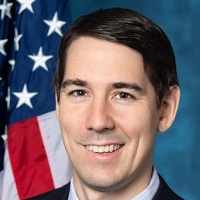
Josh Harder
Representative
CA
Josh Harder
Representative
CA
The Modernizing Wildfire Safety and Prevention Act of 2025 is a comprehensive bill designed to bolster the nation's wildfire response capabilities. It focuses on increasing the skilled workforce through new training academies and grants, improving federal firefighter support and retirement benefits, and enhancing public health protections against wildfire smoke via a new national alert system. Finally, the Act streamlines disaster recovery aid and advances predictive technology through centralized risk mapping and data centers.