Legislative Activity
Track Scott's sponsored bills, co-sponsored legislation, and voting record
The Equal Shot Act of 2025 prohibits the Small Business Administration from denying financial assistance to qualified applicants solely based on their involvement in the firearms industry.
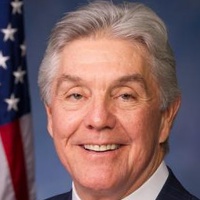
Roger Williams
Representative
TX
Roger Williams
Representative
TX
The Equal Shot Act of 2025 prohibits the Small Business Administration (SBA) from denying financial assistance to otherwise qualified applicants solely based on their involvement in the firearms industry. This legislation ensures that businesses defined as "firearm entities," their affiliates, or trade associations are not unfairly rejected for SBA loans or guarantees. The Act clearly defines these terms to prevent discrimination against businesses involved in manufacturing, selling, or servicing firearms and related accessories.
This Act mandates that VA medical staff promptly certify the deaths of veterans who died from natural causes within 48 hours to expedite burial and survivor benefits.
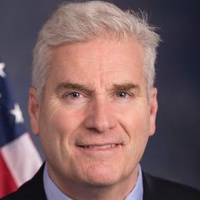
Tom Emmer
Representative
MN
Tom Emmer
Representative
MN
The Veteran Burial Timeliness and Death Certificate Accountability Act addresses significant delays in obtaining death certificates for veterans who die from natural causes, often due to VA medical staff delays. This bill mandates that VA medical providers must certify a veteran's death within 48 hours or allow the local medical examiner to step in. Furthermore, the VA must annually report on its compliance with this new timely certification requirement.
This bill authorizes the creation and sale of commemorative coins for the 2028 Los Angeles and 2034 Salt Lake City Olympic and Paralympic Games to help fund the events, with all surcharges going to the respective organizing committees after covering production costs.
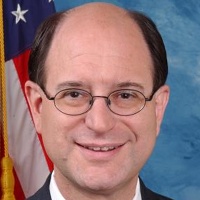
Brad Sherman
Representative
CA
Brad Sherman
Representative
CA
This Act authorizes the Secretary of the Treasury to mint and sell special commemorative coins for the 2028 Los Angeles Olympic and Paralympic Games and the 2034 Salt Lake City Winter Olympic and Paralympic Games. The coins will feature designs celebrating American athletes and the Games themselves. All surcharges collected from the sale of these coins will be directed to the respective organizing committees to help fund the events and related youth sports programs. The entire program must be conducted at no cost to the U.S. Government.
This bill clarifies the Holocaust Expropriated Art Recovery Act of 2016 by explicitly barring time-based and other procedural defenses to ensure claims for Nazi-looted art are decided on their merits.
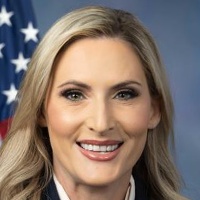
Laurel Lee
Representative
FL
Laurel Lee
Representative
FL
This bill significantly strengthens the Holocaust Expropriated Art Recovery Act of 2016 by explicitly blocking time-based and procedural defenses that have previously prevented claims for Nazi-looted art from being heard on their merits. The changes ensure that courts must now focus on whether the art was actually stolen, regardless of when the claim is brought or the citizenship of the original owner. These improvements apply immediately to both pending and future lawsuits seeking the return of art expropriated during the Nazi era.
This Act modernizes the au pair program by establishing exclusive federal regulation and mandating updated, flexible national standards for au pair stipends and educational allowances.
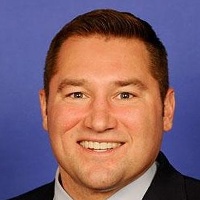
Guy Reschenthaler
Representative
PA
Guy Reschenthaler
Representative
PA
This Act modernizes the existing international au pair program, recognizing its vital role in affordable childcare and cultural diplomacy. It clarifies that federal law exclusively governs the program, preventing conflicting state or local regulations. Furthermore, the bill mandates the State Department to update au pair stipends and educational allowances while ensuring the program remains affordable and flexible for families with non-traditional schedules.
This Act grants limited liability protection to manufacturers of critical infrastructure equipment against lawsuits related to wildfire losses unless willful misconduct in design or production is proven.
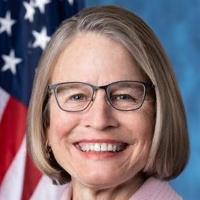
Mariannette Miller-Meeks
Representative
IA
Mariannette Miller-Meeks
Representative
IA
This bill grants limited legal immunity to manufacturers of essential critical infrastructure equipment against lawsuits stemming from wildfire-related losses. This protection applies unless a plaintiff can prove the manufacturer engaged in willful misconduct during the design or production of the equipment. The legislation aims to bolster the security and resilience of vital national systems by supporting their manufacturers.
This bill allows associations of employers to sponsor group health plans, treating them as a single employer under ERISA, with specific requirements for plan structure and premium rating.
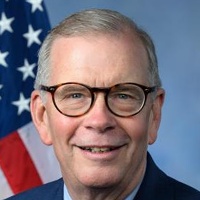
Tim Walberg
Representative
MI
Tim Walberg
Representative
MI
The Association Health Plans Act amends federal law to allow certain groups or associations of employers to sponsor a single group health plan, treating them as a single employer for coverage purposes. This aims to expand access to health coverage by enabling broader risk pooling across different industries. The bill establishes specific criteria these associations must meet to qualify, including minimum size and operational standards. Finally, it outlines rules for setting premium rates and prohibits discrimination based on health status for plans established under this Act.
The LEDGER Act mandates the establishment of a comprehensive, government-wide system to track and record the exact destination and availability period of every federal expenditure.
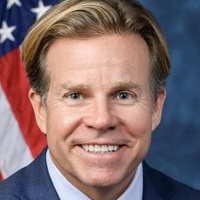
Mike Haridopolos
Representative
FL
Mike Haridopolos
Representative
FL
The LEDGER Act mandates the creation of a comprehensive, centralized system managed by the Secretary of the Treasury to track every expenditure made by all branches of the U.S. Government. This new system must detail exactly where federal funds are spent and how long those funds were available for obligation. The goal is to significantly enhance the traceability and transparency of government spending.
Gio's Law establishes a grant program to fund law enforcement agencies in purchasing epinephrine and training officers to treat severe allergic reactions, while also requiring public reporting on its use and launching an awareness campaign.
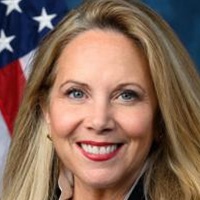
Laura Gillen
Representative
NY
Laura Gillen
Representative
NY
Gio's Law establishes a grant program allowing law enforcement agencies to purchase emergency epinephrine products and receive necessary training. The bill mandates the development of standardized training for officers on recognizing and treating anaphylaxis. Furthermore, it requires annual reporting on epinephrine administration by officers and launches a public awareness campaign about severe allergic reactions.
This resolution affirms U.S. support for Israel's actions to dismantle Iran's nuclear capabilities and condemns Iran's retaliatory attacks on Israeli civilians.

Claudia Tenney
Representative
NY
Claudia Tenney
Representative
NY
This resolution expresses the strong support of the U.S. Congress for Israel's recent military actions aimed at dismantling Iran's nuclear enrichment capabilities. It condemns Iran's advancement toward nuclear weapons and its retaliatory attacks against Israeli civilians. Furthermore, the bill urges Iran to immediately cease all nuclear activities and reaffirms the United States' commitment to Israel's security.
This act permits the placement of a U.S. flag securely next to the grave of any service member or veteran, overriding existing flag code restrictions.
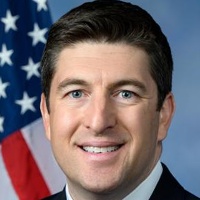
Bryan Steil
Representative
WI
Bryan Steil
Representative
WI
The American Flags to Honor Our Veterans Act of 2025 specifically authorizes the placement of the U.S. flag directly next to the gravesite of any individual who served in the Armed Forces or is a veteran. This provision ensures that flags can be displayed securely and upright next to individual graves, regardless of other existing flag display regulations.
The FIGHT Act of 2025 strengthens federal prohibitions against animal fighting, enhances enforcement mechanisms, and allows citizens to sue violators of animal fighting provisions.
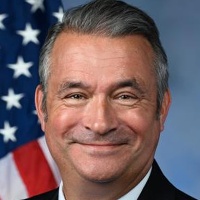
Don Bacon
Representative
NE
Don Bacon
Representative
NE
The FIGHT Act of 2025 significantly strengthens federal prohibitions against animal fighting ventures, specifically targeting the sponsorship, exhibition, and gambling associated with these events. This legislation clarifies the definition of a rooster for legal purposes and bans the interstate transport of roosters for fighting. Furthermore, it empowers private citizens to file lawsuits against violators, allowing for civil penalties and the potential seizure of property used to facilitate illegal animal fighting.
The Small Business Regulatory Flexibility Improvements Act strengthens federal oversight by requiring agencies to conduct more rigorous economic impact analyses, enhance transparency, and provide greater protections for small businesses during the rulemaking process.

Ben Cline
Representative
VA
Ben Cline
Representative
VA
The Small Business Regulatory Flexibility Improvements Act strengthens protections for small businesses by requiring federal agencies to conduct more rigorous and transparent economic impact analyses for proposed regulations. The bill expands the scope of these reviews to include indirect economic effects, mandates the creation of plain-language compliance guides, and establishes a process for the periodic review of existing rules. Additionally, it empowers the Small Business Administration’s Office of Advocacy to better oversee agency compliance and requires agencies to waive civil fines for most first-time paperwork violations by small businesses.
This bill officially renames the Department of Veterans Affairs women's health clinic in Milwaukee, Wisconsin, as the Anna Mae Robertson VA Well Woman Clinic.
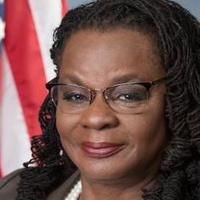
Gwen Moore
Representative
WI
Gwen Moore
Representative
WI
This bill officially renames the Department of Veterans Affairs women's health clinic in Milwaukee, Wisconsin. The clinic will now be known as the Anna Mae Robertson VA Well Woman Clinic. This change ensures all official records reflect the new designation.
This resolution officially recognizes and honors the 250th anniversary of the United States Army, celebrating its history, valor, and enduring commitment to national defense.
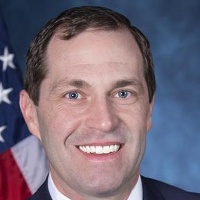
Jason Crow
Representative
CO
Jason Crow
Representative
CO
This resolution formally recognizes and honors the 250th birthday of the United States Army, celebrating its 250 years of service, valor, and dedication to defending American freedom. Congress expresses deep appreciation for the Army's history, its commitment to core values, and its current readiness to meet any future global challenge. The resolution encourages the American public to observe this significant anniversary with appropriate ceremonies.
The Financial Integrity and Regulation Management Act prohibits federal banking agencies from using "reputational risk" as a factor in supervising, examining, or taking enforcement actions against depository institutions.
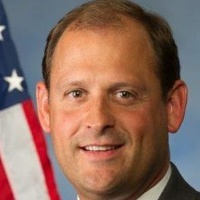
Garland Barr
Representative
KY
Garland Barr
Representative
KY
The Financial Integrity and Regulation Management (FIRM) Act prohibits federal banking agencies from using "reputational risk" as a factor in supervising, examining, or rating financial institutions. This legislation aims to ensure that bank oversight focuses strictly on financial safety and soundness, rather than public perception or political considerations. Agencies must remove all references to reputational risk from their guidance and report back to Congress on their compliance within 180 days.
This act establishes strict, expedited 90-day timelines for regulatory approval of bank holding company, savings and loan holding company, and insured depository institution merger applications, with automatic approval if the deadline is missed.
Garland Barr
Representative
KY
Garland Barr
Representative
KY
The Bank Failure Prevention Act of 2025 establishes strict, accelerated timelines for federal agencies reviewing applications for bank mergers and holding company changes. This legislation mandates that agencies must either approve or deny applications within 90 days of submission, or the application is automatically approved. The goal is to streamline the regulatory process by imposing clear deadlines for completeness checks and final decisions.
This bill restructures the Consumer Financial Protection Bureau (CFPB) from a single-director agency into an independent commission-led agency with specific expertise and political balance requirements.
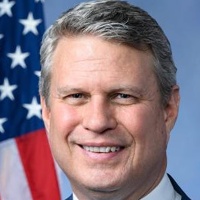
Bill Huizenga
Representative
MI
Bill Huizenga
Representative
MI
This bill, the Bureau of Consumer Financial Protection Commission Act, restructures the Consumer Financial Protection Bureau (CFPB) by replacing its single Director leadership with an independent, five-member commission appointed by the President and confirmed by the Senate. The legislation updates numerous federal laws to replace references to the "Director" with the "Commission" or "Bureau" to reflect this new governance structure. The commission will oversee the agency's core rulemaking and enforcement authority, with a Chair selected from among its members to manage day-to-day operations.
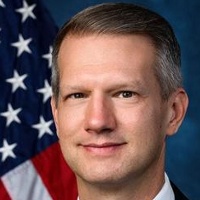
This resolution formally congratulates His Holiness Pope Leo XIV on his historic election as the first American pontiff of the Holy Roman Catholic Church.
Riley Moore
Representative
WV
Riley Moore
Representative
WV
This resolution formally congratulates His Holiness Pope Leo XIV on his historic election as the 267th pontiff of the Holy Roman Catholic Church. It celebrates the significance of him being the first American-born Pope in the Church's history. The measure also commends his lifelong service, missionary spirit, and dedication to truth and mercy. Finally, it offers prayers for his leadership as he begins his papacy.
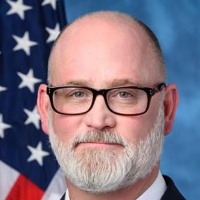
This bill directs the Secretary of Transportation to update the federal definition of a motorcycle to include specific criteria regarding seating, wheels, controls, and speed capability.
Derrick Van Orden
Representative
WI
Derrick Van Orden
Representative
WI
This bill directs the Secretary of Transportation to update the federal definition of a "motorcycle." The updated definition specifies that a motorcycle is a motor vehicle originally built with an engine, designed for a rider to sit astride a seat or saddle, and capable of speeds over 30 mph. This change ensures federal regulations align with a clearer, standardized description of what constitutes a motorcycle.