Legislative Activity
Track Michelle's sponsored bills, co-sponsored legislation, and voting record
This bill amends the Social Security Act to provide Medicare coverage for FDA-approved multi-cancer early detection screening tests starting in 2028.
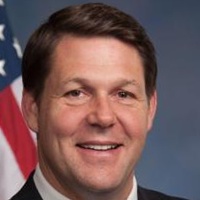
Jodey Arrington
Representative
TX
Jodey Arrington
Representative
TX
The Nancy Gardner Sewell Medicare Multi-Cancer Early Detection Screening Coverage Act amends the Social Security Act to provide Medicare Part B coverage for multi-cancer early detection screening tests starting January 1, 2028. This legislation establishes clear criteria for qualifying tests and outlines payment structures to ensure beneficiaries have access to these advanced diagnostic tools. Importantly, this coverage is designed to complement, rather than replace, existing Medicare-covered cancer screenings.
This bill ensures Medicare coverage for certain breakthrough medical devices during a four-year transitional period while accelerating the final coverage decision process.
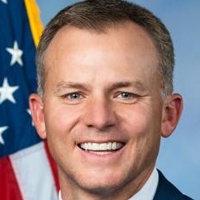
Blake Moore
Representative
UT
Blake Moore
Representative
UT
This Act, the Ensuring Patient Access to Critical Breakthrough Products Act, aims to speed up Medicare coverage for innovative, FDA-approved "breakthrough devices." It establishes a process for manufacturers to gain a four-year transitional coverage period for these devices, ensuring patients have timely access while long-term coverage decisions are finalized. The bill also allocates funding to CMS to manage these expedited reviews and allows for oversight of provider billing practices related to these new technologies.
This resolution formally condemns the assassination of Charlie Kirk and reaffirms the right to peaceful assembly against political violence.
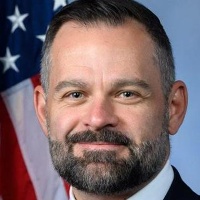
Cory Mills
Representative
FL
Cory Mills
Representative
FL
This resolution formally condemns the horrific political assassination of conservative spokesman Charlie Kirk on September 10, 2025, in Orem, Utah. It expresses deep condolences to his family and recognizes the bravery of the first responders at the scene. Ultimately, the measure reaffirms the fundamental American right to peaceful assembly and stands firmly against political violence.
This Act limits the sharing of consumer reports requested in connection with a residential mortgage loan to prevent unauthorized access to homebuyers' sensitive financial information.
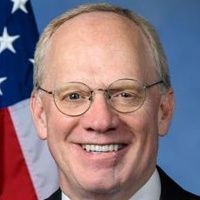
John Rose
Representative
TN
John Rose
Representative
TN
The Homebuyers Privacy Protection Act limits how consumer reporting agencies can share a consumer's report when it is requested in connection with a residential mortgage loan. Reports can only be shared with entities directly involved in the consumer's current mortgage or those providing a firm offer of credit or insurance. The Act also mandates a study by the GAO regarding the use and impact of "trigger leads" derived from credit checks.
This bill directs the House Oversight Committee to continue its investigation into the mismanagement of the Jeffrey Epstein and Ghislaine Maxwell cases and mandates the public release of most related government documents.
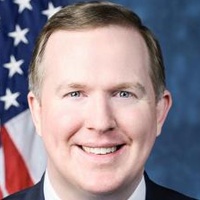
Brian Jack
Representative
GA
Brian Jack
Representative
GA
This bill directs the House Oversight Committee to continue its investigation into the federal government's handling of the Jeffrey Epstein and Ghislaine Maxwell cases, focusing on potential mismanagement and combating sex trafficking. It strongly supports the Committee's ongoing subpoenas and mandates the public release of nearly all unclassified documents related to the investigation, with very limited exceptions. The overall goal is to identify legislative changes needed to improve federal sex crime prosecution and transparency.
The FEMA Act of 2025 establishes FEMA as an independent, cabinet-level agency and enacts sweeping reforms across public assistance, individual aid, and mitigation programs to speed up recovery and increase transparency.
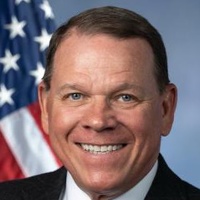
Sam Graves
Representative
MO
Sam Graves
Representative
MO
The FEMA Act of 2025 establishes the Federal Emergency Management Agency (FEMA) as an independent, cabinet-level agency to lead a unified, all-hazards approach to national emergency management. The bill enacts sweeping reforms across Public Assistance, Individual Assistance, and Mitigation programs to accelerate recovery, streamline funding, and reduce bureaucratic hurdles for disaster survivors and communities. Furthermore, it mandates significant new transparency measures, including public data reporting and GAO oversight, to ensure accountability for federal disaster spending.
This resolution formally honors the victims and survivors of the August 27, 2025, mass shooting at Annunciation Catholic Church and School in Minneapolis while condemning the violence and commending the heroic response.

Ilhan Omar
Representative
MN
Ilhan Omar
Representative
MN
This resolution formally honors the victims and survivors of the tragic 2025 mass shooting at Annunciation Catholic Church and School in Minneapolis. It condemns the senseless violence and expresses deep sympathy for the affected community. Furthermore, the resolution commends the bravery of first responders, medical personnel, and community members who provided aid during the attack. Ultimately, it calls for safety in places of worship and schools while expressing hope for healing.
This act establishes a standardized, time-bound process for meat and poultry plants to request and maintain faster USDA inspection rates based on meeting published food safety criteria.
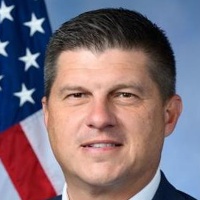
Brad Finstad
Representative
MN
Brad Finstad
Representative
MN
The American Protein Processing Modernization Act establishes a formal, time-bound process for meat and poultry plants to request faster USDA inspection rates, known as "alternate inspection rates." The Secretary of Agriculture must respond to these requests within 90 days, with automatic approval if the deadline is missed. This legislation also outlines clear procedures for maintaining, revoking, or reinstating these faster inspection rates based on ongoing food safety compliance.
This bill establishes a mandatory supply fee paid by Medicare drug plans to long-term care pharmacies for specific prescriptions in 2026 and 2027, while also mandating a GAO study on the financial sustainability of the current payment system.
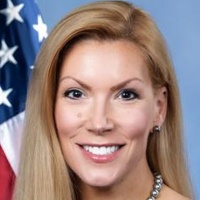
Beth Van Duyne
Representative
TX
Beth Van Duyne
Representative
TX
This Act establishes a mandatory supply fee for Medicare drug plans to pay long-term care pharmacies for specific prescriptions dispensed in 2026 and 2027. The bill mandates a $30 fee per prescription in 2026, increasing in 2027, with penalties for non-payment. Additionally, the GAO is required to study the financial sustainability of the current payment structure for these essential pharmacies. This legislation aims to ensure continued access to medications for patients in long-term care settings.
The Rural Housing Service Reform Act of 2025 streamlines administrative processes, preserves existing rural rental housing, expands access to repair loans, establishes new community development grants, and mandates reporting to improve the efficiency and transparency of USDA rural housing programs.
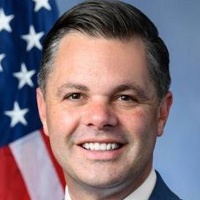
Zachary (Zach) Nunn
Representative
IA
Zachary (Zach) Nunn
Representative
IA
The Rural Housing Service Reform Act of 2025 aims to modernize and stabilize rural housing programs across the nation. It streamlines administrative processes, establishes permanent protections for existing affordable rental housing, and improves access to repair loans for low-income homeowners. Furthermore, the bill creates new grant opportunities for local development and mandates greater transparency and efficiency in the application review process.
This resolution expresses the importance of clearly distinguishing between treating life-threatening medical emergencies like ectopic pregnancies and elective abortions to ensure timely and accurate emergency care for pregnant women.
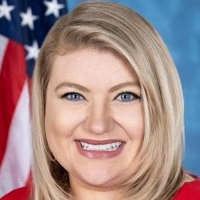
Katherine Cammack
Representative
FL
Katherine Cammack
Representative
FL
This resolution emphasizes the critical need to distinguish between treating life-threatening medical emergencies, such as ectopic pregnancies, and elective abortions. It calls on medical organizations and training institutions to clearly educate professionals on these differences to ensure timely and appropriate emergency care. The goal is to prevent confusion that could delay necessary, life-saving treatment for pregnant women.
The Veterans’ ACCESS Act of 2025 improves veteran health care by establishing clear eligibility standards for community care, mandating timely mental health treatment, and streamlining administrative processes to ensure faster, more transparent access to services.
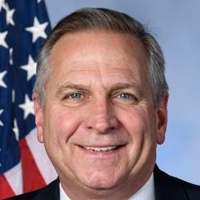
Mike Bost
Representative
IL
Mike Bost
Representative
IL
The Veterans’ ACCESS Act of 2025 strengthens the Veterans Community Care Program by establishing clear, enforceable standards for care eligibility and wait times while streamlining the referral process. The legislation also overhauls access to residential mental health and substance abuse treatment, ensuring veterans receive timely, localized care with robust oversight. Additionally, it mandates the development of digital tools and pilot programs to reduce bureaucratic hurdles and improve transparency across the VA healthcare system.
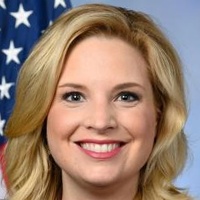
This bill establishes a federal right for producers to sell covered livestock and their derived products across state lines, preempting state and local regulations on the raising of animals outside their jurisdiction.
Ashley Hinson
Representative
IA
Ashley Hinson
Representative
IA
The Save Our Bacon Act establishes a federal right for producers to move and sell products derived from covered livestock across state lines, ensuring a single national market. This legislation prevents individual states from imposing unique production standards on livestock or products raised outside their borders. Essentially, it standardizes regulations to ensure free interstate commerce for meat and dairy products, excluding those primarily derived from egg-laying animals.
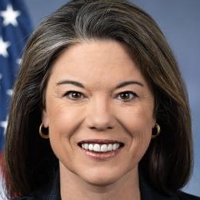
The Supporting Apprenticeship Colleges Act of 2025 establishes grant programs to boost outreach for construction and manufacturing apprenticeships and to fund academic advising and student support services for apprentices in those fields.
Angie Craig
Representative
MN
Angie Craig
Representative
MN
The Supporting Apprenticeship Colleges Act of 2025 establishes two grant programs totaling \$10 million annually to boost construction and manufacturing apprenticeships. The first program funds community outreach to recruit students and connect programs with local employers, particularly in rural areas. The second program provides funds for expanded academic advising and student support services to improve program retention and completion rates. The Act also formally defines specialized apprenticeship colleges and sets reporting requirements for grant recipients.
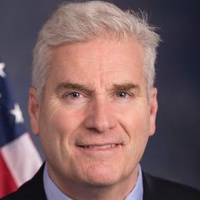
This Act prohibits the Federal Reserve from directly or indirectly issuing a Central Bank Digital Currency (CBDC) and bars the Fed from developing or using one for monetary policy without explicit Congressional authorization.
Tom Emmer
Representative
MN
Tom Emmer
Representative
MN
The Anti-CBDC Surveillance State Act strictly prohibits the Federal Reserve from directly or indirectly issuing a Central Bank Digital Currency (CBDC) to individuals. This legislation prevents the Fed from developing, testing, or implementing any digital currency that functions as a direct liability of the Federal Reserve. Furthermore, Congress asserts that any authority to create such a digital asset must explicitly come from Congress itself.
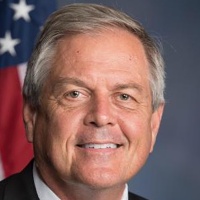
This resolution mandates the public release of nearly all Department of Justice documents related to the Jeffrey Epstein and Ghislaine Maxwell investigations, with limited exceptions for victim privacy and ongoing legal integrity.
Ralph Norman
Representative
SC
Ralph Norman
Representative
SC
This resolution mandates the Department of Justice (DOJ) to publicly release nearly all documents, records, and communications related to the investigations of Jeffrey Epstein and Ghislaine Maxwell within 30 days. The bill strictly prohibits withholding information based on embarrassment or political sensitivity. Any permitted redactions, such as protecting victim privacy or grand jury secrets, must be publicly justified to Congress.
This Act mandates that VA medical staff promptly certify the deaths of veterans who died from natural causes within 48 hours to expedite burial and survivor benefits.
Tom Emmer
Representative
MN
Tom Emmer
Representative
MN
The Veteran Burial Timeliness and Death Certificate Accountability Act addresses significant delays in obtaining death certificates for veterans who die from natural causes, often due to VA medical staff delays. This bill mandates that VA medical providers must certify a veteran's death within 48 hours or allow the local medical examiner to step in. Furthermore, the VA must annually report on its compliance with this new timely certification requirement.
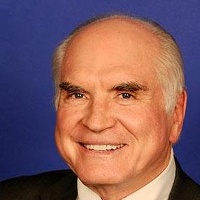
The Treat and Reduce Obesity Act of 2025 expands Medicare coverage for intensive behavioral therapy for obesity and mandates Part D coverage for certain weight management medications for eligible beneficiaries.
Mike Kelly
Representative
PA
Mike Kelly
Representative
PA
The Treat and Reduce Obesity Act of 2025 aims to combat the growing obesity epidemic, particularly among older adults, by expanding access to intensive behavioral therapy under Medicare. This bill mandates that Medicare Part D plans begin covering FDA-approved medications for obesity and weight management in individuals with related health conditions. Finally, it requires the Secretary of HHS to report regularly to Congress on the implementation and coordination of these new obesity treatment strategies.
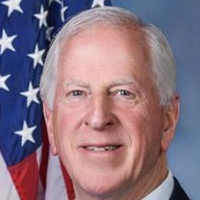
The CONNECT for Health Act of 2025 permanently expands Medicare telehealth access by removing geographic restrictions, increasing practitioner flexibility, bolstering program integrity, and mandating supports for quality remote care delivery.
Mike Thompson
Representative
CA
Mike Thompson
Representative
CA
The CONNECT for Health Act of 2025 significantly expands and permanently secures access to Medicare telehealth services by eliminating outdated geographic restrictions and allowing more practitioners to offer remote care. The bill also strengthens program integrity by dedicating funds for telehealth oversight while clarifying rules around providing necessary technology to patients. Finally, it mandates the creation of tailored educational resources and public reporting to improve quality measurement and transparency in remote care delivery.
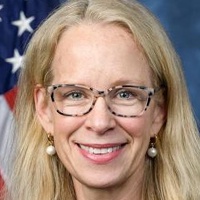
This resolution strongly condemns the deadly attack on Minnesota lawmakers, honors the victims and first responders, and calls for an end to political violence nationwide.
Kelly Morrison
Representative
MN
Kelly Morrison
Representative
MN
This resolution strongly condemns the horrific attacks on Minnesota lawmakers in Brooklyn Park and Champlin, which resulted in the deaths of Speaker Emerita Melissa Hortman and her husband. It honors the victims, praises the bravery of first responders, and calls for unity across the nation to reject political violence. The bill emphasizes the critical need for civil debate over violence to protect American democracy.