Legislative Activity
Track Michelle's sponsored bills, co-sponsored legislation, and voting record
This bill establishes national reciprocity for concealed carry permits, allowing individuals legally permitted to carry in their home state to carry a handgun in any other state that allows concealed carry.
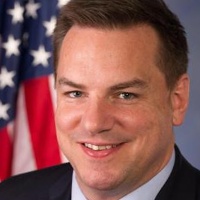
Richard Hudson
Representative
NC
Richard Hudson
Representative
NC
The Constitutional Concealed Carry Reciprocity Act of 2025 establishes a national standard for carrying concealed handguns across state lines. This act allows individuals legally permitted to carry in their home state to carry concealed in any other state that allows its residents to carry concealed firearms. The law does not override private property restrictions or prohibitions on government property, but it provides protections and legal recourse for those traveling in compliance with the new federal standard.
This act establishes expedited judicial review and shifts the burden of proof to the government when individuals challenge NICS denials, while also mandating annual reporting on record challenges.
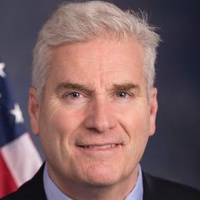
Tom Emmer
Representative
MN
Tom Emmer
Representative
MN
The Firearm Due Process Protection Act of 2025 aims to strengthen due process rights for individuals challenging denials in the National Instant Criminal Background Check System (NICS). It mandates expedited court hearings for record correction lawsuits and shifts the burden of proof onto the government to demonstrate why a person should be ineligible to own a firearm. Additionally, the bill requires the FBI to submit annual reports detailing the outcomes and timelines of all NICS record challenges.
This bill prohibits discrimination against pregnancy centers that offer life-affirming alternatives to abortion and strengthens enforcement mechanisms for related conscience protections.
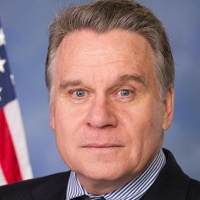
Christopher Smith
Representative
NJ
Christopher Smith
Representative
NJ
The Let Pregnancy Centers Serve Act of 2025 aims to protect pregnancy resource centers from discrimination by federal and state entities due to their commitment to offering life-affirming alternatives to abortion. This bill prohibits government agencies receiving federal funds from penalizing organizations that do not perform, refer for, or counsel in favor of abortion. Furthermore, it strengthens enforcement by allowing qualified parties to directly sue government entities for violating these conscience protections.
The Innovative FEED Act of 2025 establishes a new regulatory pathway under the FDA for substances added to animal food intended to modify digestive byproducts, reduce foodborne pathogens, or alter gut function without providing nutrition.
Nicholas Langworthy
Representative
NY
Nicholas Langworthy
Representative
NY
The Innovative FEED Act of 2025 establishes a new regulatory category for "zootechnical animal food substances" intended to modify animal digestive byproducts or reduce foodborne pathogens without treating disease. This bill mandates that these new substances must undergo the standard food additive approval process with the FDA, requiring petitioners to provide extensive data on their intended effects. Approval is contingent upon proving the substance achieves its claimed function under proposed use conditions, and all resulting animal food must carry a specific disclaimer stating it is not for disease treatment.
The Major Richard Star Act ensures that military retirees with combat-related disabilities can concurrently receive their full military retirement pay and VA disability compensation without reduction.

Gus Bilirakis
Representative
FL
Gus Bilirakis
Representative
FL
The Major Richard Star Act ensures that military retirees with combat-related disabilities can receive both their military retirement pay and VA disability compensation concurrently without reduction. This law removes previous restrictions that caused military retirement pay to be offset by VA disability payments for these specific cases. The changes take effect on the first day of the month following the Act's enactment.
Extends the statute of limitations to 10 years for prosecuting fraud related to specific pandemic unemployment programs and rescinds $5,000,000 from unspent COVID-19 relief funds.
Jason Smith
Representative
MO
Jason Smith
Representative
MO
The "Pandemic Unemployment Fraud Enforcement Act" extends the statute of limitations to 10 years for prosecuting fraud related to specific pandemic unemployment programs. It applies to violations or conspiracies under Title 18 and Title 31 of the U.S. Code and rescinds $5,000,000 from previously allocated funds to offset the budget. The changes made by this law will begin on the date of enactment.
This Act eliminates the waiting periods for Social Security disability benefits and Medicare coverage for individuals diagnosed with metastatic breast cancer.
Andrew Garbarino
Representative
NY
Andrew Garbarino
Representative
NY
The Metastatic Breast Cancer Access to Care Act aims to improve support for individuals diagnosed with metastatic breast cancer. This bill eliminates the standard waiting period for receiving Social Security disability insurance benefits and waives the 24-month waiting period for Medicare coverage. These changes ensure immediate access to crucial financial and healthcare support upon diagnosis.
This bill allows investors to defer taxes on capital gain dividends from mutual funds when those dividends are automatically reinvested until the shares are sold or the investor passes away.
Beth Van Duyne
Representative
TX
Beth Van Duyne
Representative
TX
This bill, the Generating Retirement Ownership through Long-Term Holding Act, allows individual investors to defer paying taxes on capital gain dividends from mutual funds if those dividends are automatically reinvested into more fund shares. Taxes on these deferred gains are only due when the investor sells the shares or upon death. This provision aims to encourage long-term investment in mutual funds by providing immediate tax relief on reinvested earnings.
This act amends the tax code to give businesses the option to immediately deduct or amortize (spread out over at least five years) their research and experimental expenditures.
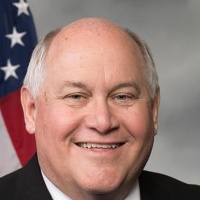
Ron Estes
Representative
KS
Ron Estes
Representative
KS
The American Innovation and R&D Competitiveness Act of 2025 revises how businesses treat research and experimental (R&E) expenditures for tax purposes. Taxpayers can now choose between immediately deducting R&E costs or amortizing them over a period of at least 60 months. This legislation also makes technical adjustments to ensure consistency between immediate deductions and claiming the research tax credit.
This bill censures Representative Al Green for disrupting the President's address to Congress and requires him to receive a formal reprimand before the House.
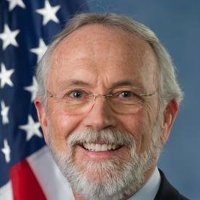
Dan Newhouse
Representative
WA
Dan Newhouse
Representative
WA
This bill censures Representative Al Green of Texas for disrupting the President's address to Congress on March 4, 2025. It condemns his actions and orders him to appear before the House of Representatives to receive a formal reprimand. During this time the Speaker of the House will publicly read the resolution of censure.
This Act updates the definition of fossil fuel under the Clean Air Act to specifically include fuel used by ocean-going vessels, paving the way for new renewable fuel standards for the shipping industry.
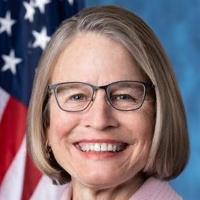
Mariannette Miller-Meeks
Representative
IA
Mariannette Miller-Meeks
Representative
IA
This Act updates the definition of "fossil fuel" under the Clean Air Act to specifically include fuel used by ocean-going vessels. This change allows the EPA to incorporate maritime fuel into renewable fuel standards moving forward. The EPA is required to finalize the necessary regulations within one year of the bill's enactment.
This bill reinstates the pre-American Rescue Plan Act threshold for third-party payment networks to report gig economy earnings to the IRS, requiring both over $20,000 in payments and over 200 transactions.
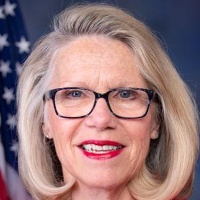
Carol Miller
Representative
WV
Carol Miller
Representative
WV
The Saving Gig Economy Taxpayers Act seeks to reinstate the previous, higher reporting thresholds for third-party payment processors issuing Form 1099-K. This means payment networks will only be required to report earnings to the IRS if a user exceeds both a \$20,000 total payment amount and 200 separate transactions in a calendar year. Furthermore, the bill applies this "de minimis" standard to backup withholding rules for these network payments starting in 2025.
The ACRE Act of 2025 creates a federal tax exemption for qualified lenders on interest earned from loans secured by rural or agricultural real property, excluding loans to foreign adversary entities.
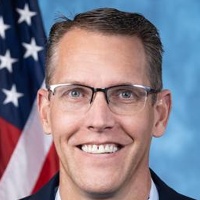
Randy Feenstra
Representative
IA
Randy Feenstra
Representative
IA
The Access to Credit for our Rural Economy Act of 2025 (ACRE Act) creates a new federal tax incentive for qualified lenders. This incentive excludes income earned from interest on loans secured by rural or agricultural real property from taxation. The goal is to encourage lending for agricultural, forestry, and certain rural home improvement purposes while prohibiting loans to foreign adversary entities.
The "Federal Firearms Licensee Protection Act of 2025" increases penalties for stealing firearms from licensed dealers, manufacturers, or importers, especially during burglaries or robberies, and clarifies related definitions.
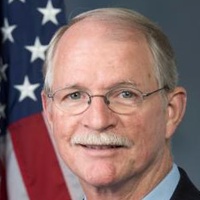
John Rutherford
Representative
FL
John Rutherford
Representative
FL
The "Federal Firearms Licensee Protection Act of 2025" increases penalties for stealing firearms from licensed dealers. It sets stricter punishments, including up to 20 years in prison, for violating laws related to firearm theft. The act also mandates minimum prison sentences of 3 years for burglaries and 5 years for robberies targeting licensed firearm businesses.
The "Rebuild America’s Health Care Schools Act of 2025" expands Medicare coverage to include all direct and indirect costs hospitals incur for nursing and allied health education programs, ensuring better funding and preventing recoupment of previously covered costs.
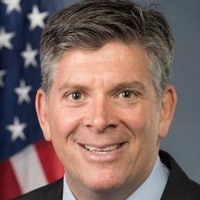
Darin LaHood
Representative
IL
Darin LaHood
Representative
IL
The "Rebuild America’s Health Care Schools Act of 2025" updates how Medicare reimburses hospitals for the costs of running nursing and allied health education programs. It broadens the definition of "reasonable costs" to include both direct and indirect expenses, regardless of whether they are incurred directly by the hospital or through related entities. The Act also requires the Secretary of Health and Human Services to issue rules implementing these changes and to refund hospitals for past cost reductions that would now be allowable. This aims to provide greater financial support for these crucial healthcare education programs.
Nullifies the EPA's rule on greenhouse gas emissions from power plants and reinstates the Affordable Clean Energy Rule.
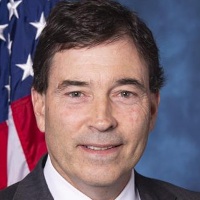
Troy Balderson
Representative
OH
Troy Balderson
Representative
OH
This bill nullifies the Environmental Protection Agency's rule on greenhouse gas emissions from power plants. The rule targeted new, modified, and reconstructed fossil fuel-fired electric generating units. It also set emission guidelines and repealed the Affordable Clean Energy Rule.
The "Farm to Fly Act of 2025" aims to boost sustainable aviation fuel production and usage by including it in USDA bioenergy programs, supporting farmers, and promoting rural economic development.

Max Miller
Representative
OH
Max Miller
Representative
OH
The "Farm to Fly Act of 2025" aims to boost the production and use of sustainable aviation fuels by including them in Department of Agriculture bio-energy programs. It amends existing definitions to recognize sustainable aviation fuel and directs the Secretary of Agriculture to promote its development through collaborative initiatives and manufacturing assistance. This act supports U.S. agriculture, enhances energy security, and promotes clean energy in the aviation sector by utilizing sustainable biomass resources.
Prohibits the purchase of real estate near U.S. federal lands by agents or businesses associated with the government of the People's Republic of China with 25% or more equity interest.
Dan Newhouse
Representative
WA
Dan Newhouse
Representative
WA
The "No American Land for Communist China Act" prohibits the President from allowing individuals or entities associated with the Chinese government from purchasing real estate near covered federal lands. Covered lands include those managed by the Departments of Interior, Defense, Agriculture (Forest Service), and Energy, as well as Indian country. This restriction applies to entities with at least 25% equity interest held by Chinese government-affiliated individuals or businesses. The Act defines "United States" broadly to include states, territories, and other U.S. possessions.
This bill adds the Secretary of Agriculture to the Committee on Foreign Investment in the United States (CFIUS) and requires CFIUS to review agricultural land transactions, especially those involving entities from China, North Korea, Russia, or Iran.
Dan Newhouse
Representative
WA
Dan Newhouse
Representative
WA
The "Protecting American Agriculture from Foreign Adversaries Act of 2025" adds the Secretary of Agriculture to the Committee on Foreign Investment in the United States (CFIUS) for agricultural matters. It mandates CFIUS review of agricultural land transactions, particularly those involving entities from China, North Korea, Russia, or Iran, to safeguard American agriculture. This ensures scrutiny of foreign investments in agricultural land and related industries, addressing potential threats to national security. The requirements for a specific country will end if that country is removed from the list of foreign adversaries in section 791.4 of title 15, Code of Federal Regulations.
The "Protect and Serve Act of 2025" establishes federal penalties for intentionally causing serious harm or death to law enforcement officers because of their position, under certain circumstances, and requires Attorney General certification for federal prosecution in many cases.
John Rutherford
Representative
FL
John Rutherford
Representative
FL
The "Protect and Serve Act of 2025" creates federal offenses for intentionally causing serious injury or death to law enforcement officers because of their status as officers. It sets penalties including imprisonment and fines, with increased penalties if death results or if kidnapping or attempted killing is involved. Federal prosecution requires certification from the Attorney General, based on a request from the state or if it is in the public interest to ensure substantial justice. The act defines "law enforcement officer" and "State" for the purposes of the new offenses.