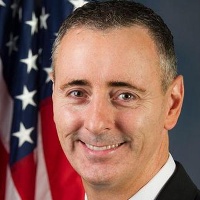
Legislative Activity
Track Brian's sponsored bills, co-sponsored legislation, and voting record
The CREATE Act increases the spending limits and extends the expiration date for tax benefits related to qualified productions.
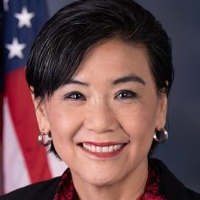
Judy Chu
Representative
CA
Judy Chu
Representative
CA
The CREATE Act, or Creative Relief and Expensing for Artistic Entertainment Act, modifies tax rules for qualified productions by significantly increasing the allowable spending limits for certain tax benefits. This legislation also introduces automatic inflation adjustments for these dollar amounts starting in 2027. Furthermore, the bill extends the expiration date for these beneficial tax provisions from the end of 2025 to the end of 2030.
This bill establishes a standard methodology for measuring agricultural soil carbon, creates a national soil carbon inventory network, and develops predictive models to assess the environmental impact of land management practices.
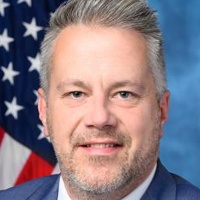
Eric Sorensen
Representative
IL
Eric Sorensen
Representative
IL
The Advancing Research on Agricultural Soil Health Act of 2025 aims to standardize how soil carbon is measured for research and conservation purposes. The bill establishes a national Soil Carbon Inventory and Analysis Network to track carbon stocks across U.S. lands every five years using the new standard methodology. Furthermore, it mandates the development of a predictive modeling tool to estimate the environmental impacts of various land management practices. This legislation supports producers by offering technical assistance for voluntary soil carbon reporting.
This Act establishes a centralized, searchable website to consolidate federal, state, and local permit and licensing requirements for small businesses.
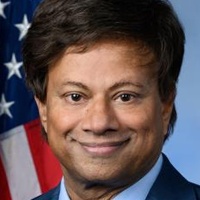
Shri Thanedar
Representative
MI
Shri Thanedar
Representative
MI
The One Stop Shop for Small Business Licensing Act of 2025 mandates the creation of a centralized, publicly accessible website within one year of enactment. This online resource will consolidate and clearly organize all federal, state, and local permit and licensing requirements for small businesses. The goal is to simplify compliance by allowing users to easily find necessary information based on their location and industry.
The Don Young American Grown Act mandates that official decorations in high-level federal buildings must exclusively use flowers and greenery grown in the United States.
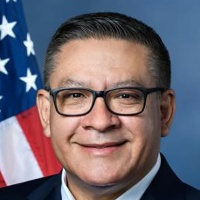
Salud Carbajal
Representative
CA
Salud Carbajal
Representative
CA
The Don Young American Grown Act mandates that official floral and greenery decorations in high-level federal buildings, including the Executive Office of the President, State, and Defense Departments, must be grown in the United States. This requirement applies to cut flowers and greens used for official displays, excluding personal decorations. The new rule will take effect one year after the Act is signed into law.
This Act establishes the "Local Farmers Feeding Our Communities" program to strengthen local food security by funding agreements that support local producers and distribute fresh food to communities.
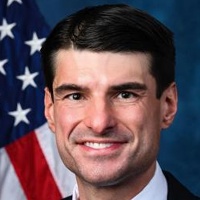
Robert Bresnahan
Representative
PA
Robert Bresnahan
Representative
PA
The Local Farmers Feeding our Communities Act establishes a new program to support local food producers and strengthen regional food security. This initiative requires the Secretary of Agriculture to fund agreements that ensure nutritious, locally sourced food is purchased and distributed widely, prioritizing small and beginning farmers. Funds must be used to buy minimally processed local products and provide technical assistance to producers. The program is backed by mandatory funding starting in Fiscal Year 2026.
This resolution recognizes National Night Out as a vital annual event for strengthening community bonds with law enforcement and promoting public safety awareness.
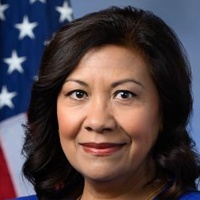
Norma Torres
Representative
CA
Norma Torres
Representative
CA
This resolution officially recognizes August 5th as National Night Out, an annual event dedicated to strengthening community bonds and promoting public safety. It encourages local law enforcement to use this day to build trust by connecting with residents and clearly communicating emergency contact procedures. The bill celebrates the event's 40-year history of uniting neighborhoods across the nation.
The College Transparency Act establishes a secure, centralized system for tracking student data across postsecondary institutions to increase transparency regarding costs, completion, and post-college outcomes.
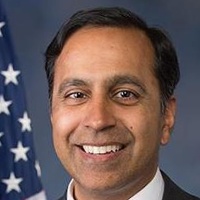
Raja Krishnamoorthi
Representative
IL
Raja Krishnamoorthi
Representative
IL
The College Transparency Act establishes a secure, new national system for tracking student data from postsecondary institutions to improve transparency regarding enrollment, completion, costs, and post-college outcomes. This system will collect detailed, student-level data, securely matched with other federal records, to create public, aggregate reports for comparison. The law mandates strict privacy and security standards while aiming to reduce overall reporting burdens for colleges.
This Act eliminates age restrictions and simplifies premium requirements for adult children covered under the TRICARE Young Adult program.
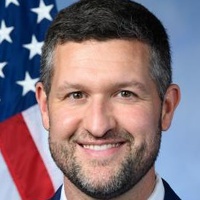
Patrick Ryan
Representative
NY
Patrick Ryan
Representative
NY
The Health Care Fairness for Military Families Act of 2025 significantly improves the TRICARE Young Adult (TYA) program for military dependents. This legislation eliminates the age restriction for TYA eligibility and removes the separate premium requirement for coverage. These changes aim to provide broader and simpler healthcare access for adult children of service members.
This bill reauthorizes key grant and education programs under the Virginia Graeme Baker Pool and Spa Safety Act for fiscal years 2025 through 2027.
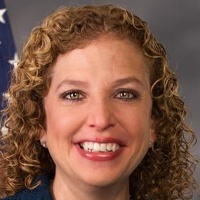
Debbie Wasserman Schultz
Representative
FL
Debbie Wasserman Schultz
Representative
FL
This bill reauthorizes key programs under the Virginia Graeme Baker Pool and Spa Safety Act. Specifically, it extends funding for state and community safety improvement grants and related education and awareness initiatives through fiscal year 2027. The purpose is to ensure continued support for vital pool and spa safety efforts.
This bill establishes a federal grant program to help low-income households pay for their drinking water and sewer services.
Eric Sorensen
Representative
IL
Eric Sorensen
Representative
IL
This bill establishes the Low-Income Household Water Assistance Program to provide grants to states and tribes. These funds will help public water systems cover the water and sewer bills for eligible low-income households. The program aims to supplement existing aid by assisting families whose income is at or below 150% of the poverty level or 60% of the state median income. Funding is authorized at $500 million annually from fiscal years 2026 through 2030.
The ABLE Employment Flexibility Act modifies retirement plan rules to allow eligible individuals with disabilities to direct employer contributions into their ABLE accounts without jeopardizing their federal benefits.
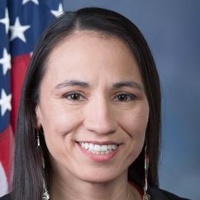
Sharice Davids
Representative
KS
Sharice Davids
Representative
KS
The ABLE Employment Flexibility Act modifies retirement plan rules to allow eligible individuals with disabilities to direct employer contributions into their ABLE accounts instead of traditional retirement plans. This change aims to help working individuals save money without jeopardizing their eligibility for means-tested federal benefits. The bill also clarifies that employer contributions made directly to an ABLE account are treated as reasonable business expenses.
The Community Mental Wellness and Resilience Act of 2025 establishes a federal grant program to fund local networks implementing public health strategies to strengthen community mental wellness and resilience, with a set-aside for rural areas.
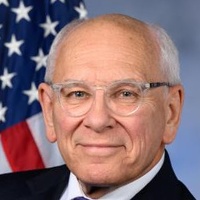
Paul Tonko
Representative
NY
Paul Tonko
Representative
NY
The Community Mental Wellness and Resilience Act of 2025 establishes a new federal grant program to fund local initiatives focused on strengthening community mental wellness and resilience. This program offers planning grants followed by larger competitive program grants to established coordinating networks utilizing a public health approach. A mandatory 20% of funds are set aside to ensure support reaches rural areas.
The GIVE MILK Act grants participants in the WIC program the explicit choice to select their preferred type of milk—nonfat, low-fat, reduced-fat, or whole milk.
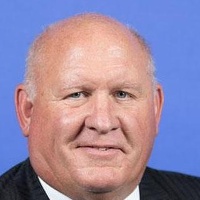
Glenn Thompson
Representative
PA
Glenn Thompson
Representative
PA
The GIVE MILK Act aims to address low dairy consumption among Americans, particularly children, by emphasizing milk's essential role in providing key nutrients like calcium and Vitamin D. This legislation specifically grants participants in the WIC program the direct choice of selecting their preferred type of milk—including whole, low-fat, reduced-fat, or nonfat—when receiving benefits. The Secretary of Agriculture is required to update regulations to implement this new participant choice.
This Act expands Medicare coverage for hereditary cancer genetic testing, preventative surgeries, and evidence-based cancer screenings for at-risk individuals.
Debbie Wasserman Schultz
Representative
FL
Debbie Wasserman Schultz
Representative
FL
The Reducing Hereditary Cancer Act expands Medicare coverage for individuals with a family or personal history suggestive of hereditary cancer. This legislation mandates Medicare coverage for appropriate genetic testing and risk-reducing preventive surgeries. Furthermore, it allows for expanded, evidence-based cancer screenings for individuals already diagnosed with a hereditary cancer gene mutation.
This Act establishes a new reciprocal temporary work visa category for South Korean nationals in specialty occupations, subject to an annual cap of 15,000 principal applicants.
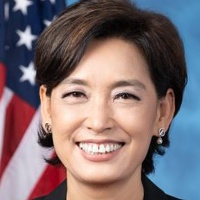
Young Kim
Representative
CA
Young Kim
Representative
CA
The Partner with Korea Act establishes a new reciprocal temporary work visa category specifically for South Korean nationals seeking employment in specialty occupations within the United States. This program is subject to an annual cap of 15,000 principal applicants. The legislation updates immigration procedures to incorporate this dedicated visa stream, contingent upon employer attestations approved by the Secretary of Labor.
This resolution expresses congressional disapproval of the United States Fish and Wildlife Service's submitted rule regarding the Barred Owl Management Strategy.
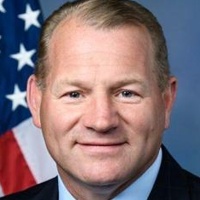
Troy Nehls
Representative
TX
Troy Nehls
Representative
TX
This joint resolution expresses the disapproval of Congress regarding the United States Fish and Wildlife Service's recently submitted rule on the "Barred Owl Management Strategy." By invoking the Congressional Review Act, this action nullifies the proposed management strategy, preventing it from taking legal effect. Essentially, Congress is rejecting the USFWS's plan for managing Barred Owls.
This bill establishes a new system for distributing up to 2,000 additional Medicare-funded residency positions annually from 2026 through 2032, prioritizing hospitals serving underserved areas, and mandates a study on strategies to increase workforce diversity.
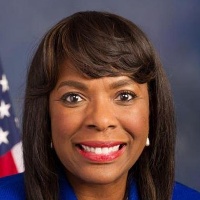
Terri Sewell
Representative
AL
Terri Sewell
Representative
AL
The Resident Physician Shortage Reduction Act of 2025 establishes a structured process for distributing up to 2,000 additional, federally funded residency positions annually between fiscal years 2026 and 2032. This distribution prioritizes hospitals serving in underserved areas, those already training above their limit, and those committed to primary care and general surgery training. The bill also mandates a study and report by the Comptroller General on effective strategies to increase diversity within the health professional workforce.
This Act prioritizes federal research and development funding for controlling the invasive Spotted Lanternfly and extends key agricultural research programs through 2030.
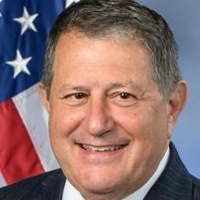
Joseph Morelle
Representative
NY
Joseph Morelle
Representative
NY
The Spotted Lanternfly Research and Development Act prioritizes federal funding for research and extension programs specifically aimed at controlling the invasive Spotted Lanternfly. This legislation ensures that developing effective tools and treatments against this pest becomes a high-priority initiative. Additionally, the Act extends the authorization for several existing high-priority agricultural research programs until 2030.
This Act establishes a corporate tax rate reduction for qualifying U.S. corporations that implement broad-based employee stock ownership plans, while also making the distributed stock tax-free to the employees upon receipt.
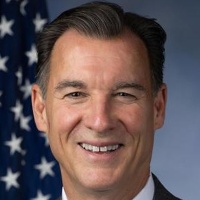
Thomas Suozzi
Representative
NY
Thomas Suozzi
Representative
NY
The Share Holder Allocation for Rewards to Employees Plan Act (SHARE Plan Act) establishes a new corporate tax incentive for U.S. companies that distribute a significant amount of their stock equity to employees through formal, broad-based plans. Eligible "SHARE corporations" receive a 3 percentage point reduction in their corporate income tax rate. Crucially, stock received by employees under a qualified SHARE plan is excluded from the employee's gross income for federal tax purposes. The bill sets strict requirements for plan structure, employee participation, and minimum equity distribution ratios to qualify for these benefits.
This bill establishes programs for proactive mental health outreach to underserved veterans and mandates annual mental health consultations for veterans receiving disability compensation for service-connected mental health conditions, while also extending the expiration date for certain VA housing loan fee structures.
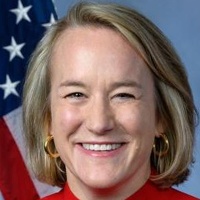
Nicole (Nikki) Budzinski
Representative
IL
Nicole (Nikki) Budzinski
Representative
IL
The VA Mental Health Outreach and Engagement Act establishes new programs to proactively connect veterans not currently receiving care with necessary mental health services, especially those at risk of suicide or homelessness. It also mandates annual mental health outreach and consultation offers for veterans already receiving disability compensation for a mental health condition. Finally, the bill extends the current fee structure for certain VA housing loans.