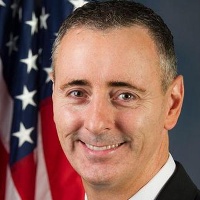
Legislative Activity
Track Brian's sponsored bills, co-sponsored legislation, and voting record
This Act allows urbanized area formula grant funds to be used for public transportation operating costs, contingent upon recipients certifying and maintaining their local spending efforts.
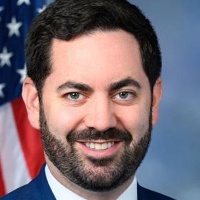
Michael Lawler
Representative
NY
Michael Lawler
Representative
NY
The Transit Funding Flexibility Act amends federal law to allow Urbanized Area Formula grant funds to be used more flexibly for public transportation operating costs. It removes specific population-based restrictions on grant eligibility. Crucially, recipients must now annually certify they will maintain their local spending effort for federally funded equipment and facilities, or face a mandatory 13% reduction in future federal funding.
This bill establishes a mandatory supply fee paid by Medicare drug plans to long-term care pharmacies for specific prescriptions in 2026 and 2027, while also mandating a GAO study on the financial sustainability of the current payment system.
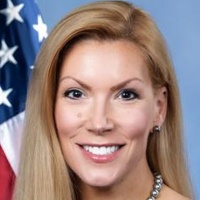
Beth Van Duyne
Representative
TX
Beth Van Duyne
Representative
TX
This Act establishes a mandatory supply fee for Medicare drug plans to pay long-term care pharmacies for specific prescriptions dispensed in 2026 and 2027. The bill mandates a $30 fee per prescription in 2026, increasing in 2027, with penalties for non-payment. Additionally, the GAO is required to study the financial sustainability of the current payment structure for these essential pharmacies. This legislation aims to ensure continued access to medications for patients in long-term care settings.
This Act mandates the phase-out and eventual ban of engine bleed air systems in new and existing aircraft designs to improve cabin air quality.
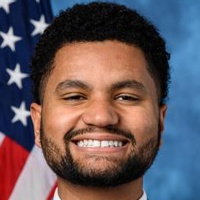
Maxwell Frost
Representative
FL
Maxwell Frost
Representative
FL
The Safe Air on Airplanes Act mandates the phase-out of "bleed air systems" in new aircraft designs to improve cabin air quality. This legislation requires the FAA to ban these systems in future aircraft designs within six months. For existing aircraft designs still in production, the bill requires the installation of specialized filters within seven years, followed by a 30-year timeline for completely eliminating bleed air systems from newly manufactured planes.
The Enduring Welcome Act of 2025 establishes a permanent Office of the Coordinator for Afghan Relocation Efforts within the State Department to streamline and support the resettlement of Afghan allies and their families.
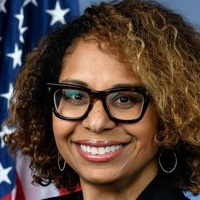
Sydney Kamlager-Dove
Representative
CA
Sydney Kamlager-Dove
Representative
CA
The Enduring Welcome Act of 2025 establishes a permanent Office of the Coordinator for Afghan Relocation Efforts within the State Department to streamline and support the resettlement of Afghan allies. This Act mandates the creation of a secure, centralized database to track all applicants, beneficiaries, and relocation progress, ensuring accountability to Congress. The Coordinator will manage interagency efforts, resolve family reunification roadblocks, and provide integration support for covered persons. This entire framework is set to automatically expire five years after enactment unless otherwise specified.
This bill mandates a Department of Defense report assessing the threat posed by violent antisemitism within transnational extremist movements by March 20, 2026.
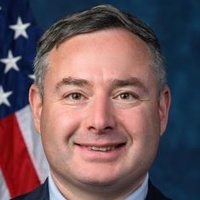
Eugene Vindman
Representative
VA
Eugene Vindman
Representative
VA
The Violent Antisemitism Threat Assessment Act mandates the Secretary of Defense to produce a comprehensive report by March 20, 2026. This report must detail the threat posed by violent antisemitism when integrated within transnational extremist movements. It will specifically analyze antisemitic ideology, related violence, propaganda, and the resulting danger to U.S. persons and interests globally.
The BITE Act establishes a comprehensive national system utilizing AI, data tracking, and public education to prevent and predict vector-borne diseases like those transmitted by ticks.
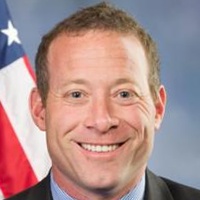
Josh Gottheimer
Representative
NJ
Josh Gottheimer
Representative
NJ
The Battling Infections Transmitted by Ticks and Exposure (BITE) Act establishes a comprehensive national system to prevent vector-borne diseases like Lyme disease. This system will utilize AI-driven early warning alerts, expert identification services, and real-time monitoring of insurance claims and symptoms. A key goal of the Act is to support efforts to reduce Lyme disease cases by 25% by 2035.
This Act directs the Secretary of HHS to report on and improve state coverage of remote physiologic monitoring devices for pregnant and postpartum Medicaid beneficiaries.
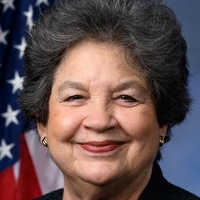
Lois Frankel
Representative
FL
Lois Frankel
Representative
FL
The Connected Maternal Online Monitoring (Connected MOM) Act aims to improve health outcomes for pregnant and postpartum women on Medicaid by examining and addressing barriers to state coverage for remote physiologic monitoring devices. The Secretary of Health and Human Services must report to Congress on current state coverage rules and suggest improvements for utilizing these monitoring tools. Following the report, federal resources provided to states must be updated to reflect the recommended best practices for covering remote maternal health monitoring.
This Act establishes a pilot program to provide grants to states for creating electronic services that identify ticks, assess disease risk, and offer public guidance.
Josh Gottheimer
Representative
NJ
Josh Gottheimer
Representative
NJ
The Tick Identification Pilot Program Act of 2025 establishes a pilot program to provide grants to states for creating electronic tick identification services. These state programs will allow residents to submit photos of ticks for review by qualified biologists within 72 hours. The goal is to rapidly inform the public about the tick species, potential disease risk, and necessary next steps to combat tick-borne illnesses.
This Act directs the U.S. Postal Service to issue a special semipostal stamp to raise funds for Lyme disease and tick-borne illness research at the National Institute of Allergy and Infectious Diseases.
Josh Gottheimer
Representative
NJ
Josh Gottheimer
Representative
NJ
The Stamp Out Lyme Disease Act directs the U.S. Postal Service to issue a special semipostal stamp to raise funds for Lyme disease research. All proceeds from the sale of this stamp will be directed to the National Institute of Allergy and Infectious Diseases (NIAID). This measure aims to support research into tick-borne illnesses, acknowledging the significant public health and financial burden of Lyme disease in the United States.
This Act establishes new federal grants to help public wastewater treatment plants upgrade their systems to treat or eliminate emerging contaminants like PFAS.
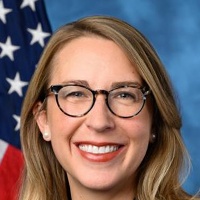
Hillary Scholten
Representative
MI
Hillary Scholten
Representative
MI
The Public Utility Remediation and Enhancement for Water Act establishes a new federal grant program administered by the EPA to help public wastewater treatment plants upgrade facilities. These grants specifically target the planning, design, and construction needed to treat or eliminate emerging contaminants like PFAS chemicals. The federal government will cover at least 75% of eligible project costs to improve water quality.
This bill penalizes companies that move call center jobs overseas while requiring transparency about agent location and AI use during customer service communications.
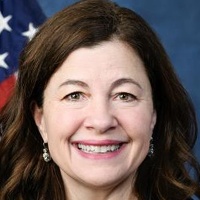
Kristen McDonald Rivet
Representative
MI
Kristen McDonald Rivet
Representative
MI
The Keep Call Centers in America Act of 2025 aims to incentivize keeping customer service jobs in the U.S. by penalizing companies that move call centers overseas with loss of federal grants and contracts. The bill also mandates transparency, requiring businesses to disclose an agent's physical location or the use of AI during customer service communications. Furthermore, it ensures that all call center work performed under a federal contract must be completed within the United States.
The Apprenticeships for Small Businesses Act of 2025 establishes a new tax credit for small businesses based on wages and insurance costs for qualified young or training employees.
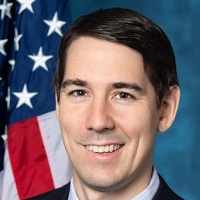
Josh Harder
Representative
CA
Josh Harder
Representative
CA
The Apprenticeships for Small Businesses Act of 2025 establishes a new Career and Technical Education Credit to support small businesses. This credit allows eligible employers to claim up to $10,000 annually based on 50% of qualified wages and workers' compensation costs for employees under 21 or those in approved training programs. The goal is to incentivize small businesses to invest in the training and development of young or newly skilled workers.
This Act establishes a multi-sector Task Force, led by the Treasury Secretary, to study, recommend strategies for, and report on preventing evolving electronic payment scams.
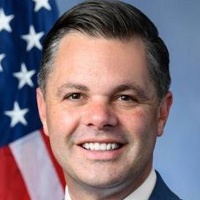
Zachary (Zach) Nunn
Representative
IA
Zachary (Zach) Nunn
Representative
IA
The Taskforce for Recognizing and Averting Payment Scams Act (TRAPS Act) establishes a new Task Force led by the Secretary of the Treasury. This diverse group, including federal agencies, industry experts, and consumer advocates, will study evolving payment scams. The Task Force is charged with developing cross-sector prevention strategies and submitting comprehensive recommendations for new laws and improved coordination to combat these fraudulent activities.
The GO Ag Act establishes a competitive grant program, capped at \$100,000 per recipient, to fund the creation of new high school agricultural education programs through fiscal year 2028.
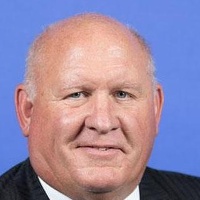
Glenn Thompson
Representative
PA
Glenn Thompson
Representative
PA
The Growing Opportunities in Agriculture Act (GO Ag Act) establishes a new competitive grant program to fund the creation of innovative, high-quality agricultural education programs in high schools. These grants, limited to $100,000 per entity, are intended to develop new curricula, support work-based learning, and fund leadership training. Recipients must report annually on program performance, with a total authorization of $5 million through FY 2028.
This bill establishes a competitive grant program to fund the creation and operation of pet-friendly interim and permanent housing for unhoused individuals, ensuring access to necessary supportive and veterinary care for both people and their companion animals.
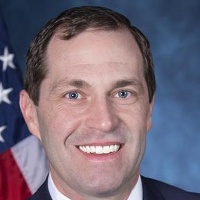
Jason Crow
Representative
CO
Jason Crow
Representative
CO
The Providing for Unhoused People and Pets Act of 2025 (PUPP Act) establishes a grant program to fund the creation and upgrading of interim and permanent housing that accommodates unhoused individuals along with their pets. Managed jointly by the Secretaries of Agriculture and HUD, these grants support construction, renovation, and essential pet-related operating costs. Grantees must ensure housing provides necessary supportive services for occupants and basic veterinary care for their companion animals.
This Act establishes a process for reporting on and creating a plan to mitigate the cybersecurity and national security risks posed by future cryptographically-relevant quantum computers.
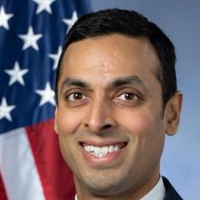
Suhas Subramanyam
Representative
VA
Suhas Subramanyam
Representative
VA
The Quantum Encryption Readiness and Resilience Act mandates a comprehensive review of the cybersecurity and national security risks posed by advanced quantum computers. It requires the establishment of a detailed risk mitigation plan focusing on the adoption of post-quantum cryptography across federal agencies and critical economic sectors. The bill also directs regular follow-up reports to Congress tracking the progress of these essential security upgrades.
This Act establishes and funds federal research programs and specialized Centers of Excellence to investigate the health effects of plastic exposure on humans.

Haley Stevens
Representative
MI
Haley Stevens
Representative
MI
The Plastic Health Research Act aims to significantly increase federal research into the health effects of plastic exposure, including microplastics and nanoplastics. It mandates the expansion of existing research programs and the establishment of specialized Centers of Excellence to develop standardized testing methods and assess health risks. The bill requires annual reporting to Congress on research progress and authorizes dedicated funding through fiscal year 2030 for these initiatives.
The ETHICS Act mandates that Members of Congress and their families divest from or place specific stock holdings into qualified blind trusts, increases penalties for STOCK Act noncompliance, and requires publicly searchable online filing of financial disclosure forms.
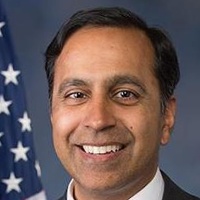
Raja Krishnamoorthi
Representative
IL
Raja Krishnamoorthi
Representative
IL
The Ending Trading and Holdings in Congressional Stocks (ETHICS) Act mandates that Members of Congress and their immediate families divest from or place specific stock holdings into qualified blind trusts to prevent conflicts of interest. The bill also establishes new civil penalties for failing to comply with existing stock trading disclosure laws (the STOCK Act). Furthermore, it requires that congressional financial disclosure forms be made publicly available online in a searchable, machine-readable format.
The CREATE Act increases the spending limits and extends the expiration date for tax benefits related to qualified productions.
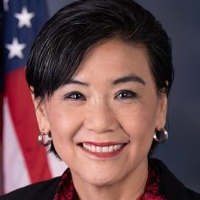
Judy Chu
Representative
CA
Judy Chu
Representative
CA
The CREATE Act, or Creative Relief and Expensing for Artistic Entertainment Act, modifies tax rules for qualified productions by significantly increasing the allowable spending limits for certain tax benefits. This legislation also introduces automatic inflation adjustments for these dollar amounts starting in 2027. Furthermore, the bill extends the expiration date for these beneficial tax provisions from the end of 2025 to the end of 2030.
This bill establishes a standard methodology for measuring agricultural soil carbon, creates a national soil carbon inventory network, and develops predictive models to assess the environmental impact of land management practices.
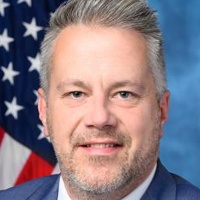
Eric Sorensen
Representative
IL
Eric Sorensen
Representative
IL
The Advancing Research on Agricultural Soil Health Act of 2025 aims to standardize how soil carbon is measured for research and conservation purposes. The bill establishes a national Soil Carbon Inventory and Analysis Network to track carbon stocks across U.S. lands every five years using the new standard methodology. Furthermore, it mandates the development of a predictive modeling tool to estimate the environmental impacts of various land management practices. This legislation supports producers by offering technical assistance for voluntary soil carbon reporting.