Legislative Activity
Track Bill's sponsored bills, co-sponsored legislation, and voting record
The I CAN Act removes practice and billing barriers for Nurse Practitioners, CRNAs, and CNMs across Medicare and Medicaid while increasing transparency in federal health program coverage decisions.
David Joyce
Representative
OH
David Joyce
Representative
OH
The "I CAN Act" is comprehensive legislation designed to remove existing practice and billing barriers for various Advanced Practice Registered Nurses (APRNs)—including Nurse Practitioners, CRNAs, and CNMs—within Medicare and Medicaid. It aims to expand patient access to care by allowing these qualified professionals to supervise, order, and bill for services to the full extent of their state-defined scope of practice. Furthermore, the bill enhances transparency and accountability for Medicare's local coverage decisions affecting APRN services. Overall, this act seeks to integrate APRNs more fully into federal healthcare programs, improving efficiency and service delivery.
The Honoring Our Fallen Heroes Act of 2025 expands public safety officer benefits to include disability and death coverage for certain cancers presumed to be caused by on-duty exposure to carcinogens, and clarifies "line of duty" definitions for first responder benefits.
Mary Scanlon
Representative
PA
Mary Scanlon
Representative
PA
The Honoring Our Fallen Heroes Act of 2025 expands public safety officer benefits to include deaths and disabilities caused by exposure-related cancers, presuming that certain cancers diagnosed within 15 years of service are line-of-duty injuries if the officer served for at least 5 years. It defines "exposure-related cancer" and allows for updates to the list based on medical evidence, while also permitting individuals to petition for additions. The Act also clarifies "line of duty action" and applies retroactively to claims dating back to January 1, 2020, with a three-year window for filing claims based on these amendments.
This bill excludes certain veterans’ disability benefits from income calculations for HUD-VASH and other housing assistance programs to increase eligibility for unhoused disabled veterans.
Brad Sherman
Representative
CA
Brad Sherman
Representative
CA
The Housing Unhoused Disabled Veterans Act aims to increase housing accessibility for veterans by excluding VA disability benefits from income calculations for HUD-VASH and other specific housing programs. By disregarding these benefits when determining eligibility, the bill ensures that disabled veterans can more easily qualify for essential housing assistance.
The Credit Union Board Modernization Act updates federal requirements to allow credit unions to determine board meeting frequency based on their age and financial performance ratings.
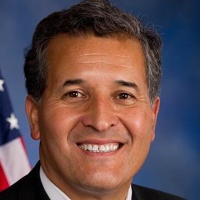
Juan Vargas
Representative
CA
Juan Vargas
Representative
CA
The Credit Union Board Modernization Act updates federal requirements for board of directors meetings, moving away from a mandatory monthly schedule. Under this bill, meeting frequency will be determined by a credit union’s age and its financial performance ratings, allowing high-performing institutions greater operational flexibility while maintaining oversight for newer or lower-rated credit unions.
The "Freedom to Invest in Tomorrow's Workforce Act" expands the use of 529 savings accounts to cover expenses related to postsecondary credentialing programs, including tuition, fees, books, supplies, equipment, and testing fees.

Robert Wittman
Representative
VA
Robert Wittman
Representative
VA
The "Freedom to Invest in Tomorrow's Workforce Act" amends Section 529 savings accounts to include expenses related to postsecondary credentialing programs. This allows 529 funds to cover costs like tuition, fees, books, supplies, and testing fees for recognized programs and credentials, as defined by the bill. These changes would apply to distributions made after the bill is enacted.
The "Taxpayer Data Protection Act" limits access to the Treasury Department's payment systems to authorized personnel and requires investigation and reporting of unauthorized access.

Haley Stevens
Representative
MI
Haley Stevens
Representative
MI
The Taxpayer Data Protection Act limits access to the Treasury Department's payment systems to Treasury employees or contractors with satisfactory performance reviews and security clearances. It sets specific criteria for individuals accessing the system, including conflict of interest restrictions, training, and ethics agreements. The Act also mandates the Treasury Department's Inspector General to investigate and report to Congress on any unauthorized system use.
The SECURE Firearm Storage Act mandates that federally licensed firearms importers, manufacturers, and dealers must securely store firearms and paper records of firearm transactions at their business premises when closed, with penalties for noncompliance.
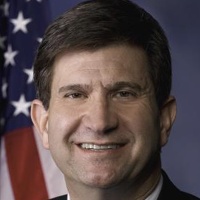
Bradley Schneider
Representative
IL
Bradley Schneider
Representative
IL
The SECURE Firearm Storage Act mandates that federally licensed firearms importers, manufacturers, and dealers must secure all firearms in their inventory with hardened steel rods or locked in a safe when the business is closed. It also requires secure storage for paper records of firearm transactions and allows the Attorney General to set additional security requirements. Noncompliance can result in civil penalties, license suspension, or revocation, and all firearms license applications must include a plan for compliance with these new storage requirements.
The CLEAR Act amends Title 5 of the United States Code, Section 552(f)(1), to include any entity established under Section 3161 within the scope of the Freedom of Information Act (FOIA).
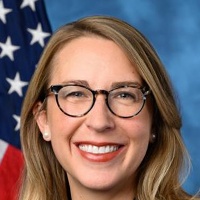
Hillary Scholten
Representative
MI
Hillary Scholten
Representative
MI
The CLEAR Act amends the Freedom of Information Act (FOIA) to include entities established under Section 3161, ensuring their records are accessible to the public. This change applies to all FOIA requests made after the Act's enactment, regardless of when the records were created.
The Scientific Integrity Act mandates federal agencies to establish and enforce scientific integrity policies that protect scientific research from political interference, ensure open communication of scientific findings, and provide whistleblower protection for scientists.
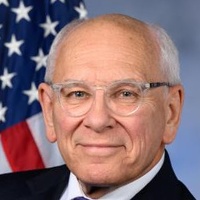
Paul Tonko
Representative
NY
Paul Tonko
Representative
NY
The Scientific Integrity Act mandates that federal agencies that fund, conduct, or oversee scientific research establish and enforce scientific integrity policies. These policies aim to protect scientists from political interference, ensure the open communication of scientific findings, and establish clear processes for reporting and addressing scientific misconduct. The Act requires agencies to appoint Scientific Integrity Officers, provide regular training, and report on misconduct complaints, with oversight from the Office of Science and Technology Policy and Congress. It also protects the rights of federal employees and contractors to share their findings and prevents the suppression or distortion of scientific data.
The Protect Our Letter Carriers Act of 2025 authorizes $7 billion to upgrade postal security infrastructure while mandating dedicated federal prosecutors for postal crimes and increasing sentencing guidelines for assaults against postal employees.
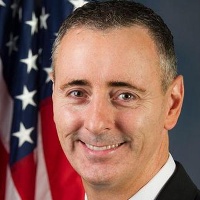
Brian Fitzpatrick
Representative
PA
Brian Fitzpatrick
Representative
PA
The Protect Our Letter Carriers Act of 2025 aims to enhance the safety of postal workers by funding high-security infrastructure upgrades, including electronic mailbox keys. The bill also mandates the appointment of dedicated federal prosecutors for postal crimes in every judicial district and requires stricter sentencing guidelines for those who assault or rob postal employees.
The "Protecting Sensitive Locations Act" restricts immigration enforcement actions at sensitive locations like schools and places of worship, requiring discretion and oversight.
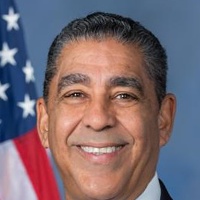
Adriano Espaillat
Representative
NY
Adriano Espaillat
Representative
NY
The "Protecting Sensitive Locations Act" amends the Immigration and Nationality Act to restrict immigration enforcement actions within 1,000 feet of sensitive locations like schools, hospitals, and places of worship, except in exigent circumstances. It mandates training, reporting, and oversight for enforcement activities near these locations, and invalidates evidence obtained in violation of the Act. The Act aims to ensure discretion and limit enforcement impact on sensitive community spaces, while also requiring annual reports to Congress on enforcement actions taken in sensitive locations.
The No Tax Breaks for Outsourcing Act amends the Internal Revenue Code to eliminate tax incentives for offshoring by reforming international corporate taxation, tightening interest deduction rules, and closing loopholes used by inverted and foreign-managed corporations.

Lloyd Doggett
Representative
TX
Lloyd Doggett
Representative
TX
The **No Tax Breaks for Outsourcing Act** amends the Internal Revenue Code to discourage corporations from shifting profits and operations overseas. The bill replaces the current global intangible low-taxed income (GILTI) regime with a "net CFC tested income" system, implements country-by-country tax reporting, and limits interest deductions for large international groups. Additionally, it strengthens rules to prevent corporate inversions and treats foreign corporations managed within the United States as domestic entities for tax purposes.
The Right to Contraception Act establishes a federal right to obtain and use contraception and prohibits government interference with access to contraceptive services and information.

Lizzie Fletcher
Representative
TX
Lizzie Fletcher
Representative
TX
The Right to Contraception Act establishes a federal right for individuals to access and use contraception without government interference. It prohibits federal and state governments from enacting laws that restrict access to contraceptives or the provision of related services. The Act provides clear enforcement mechanisms, allowing individuals and the Attorney General to sue to strike down any rule that violates these protections.
The Caring for All Families Act expands the Family and Medical Leave Act to cover a broader range of family relationships and introduces new leave entitlements for parental involvement and routine family wellness.
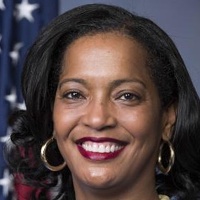
Jahana Hayes
Representative
CT
Jahana Hayes
Representative
CT
The Caring for All Families Act expands the Family and Medical Leave Act (FMLA) to allow employees to take job-protected leave to care for a broader range of family members, including domestic partners, extended relatives, and individuals with close, family-like bonds. Additionally, the bill introduces a new leave entitlement for parental involvement and family wellness, providing up to 24 hours of leave per year for school activities and routine medical care. These updates apply to both private-sector and federal employees to better support modern caregiving needs.
This resolution expresses strong support for the U.S. Department of Education and public K-12 schools, while formally opposing any efforts to defund, dismantle, or weaken federal support for public education.
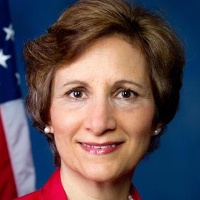
Suzanne Bonamici
Representative
OR
Suzanne Bonamici
Representative
OR
This resolution affirms strong support for the U.S. Department of Education and its critical role in funding and protecting public K-12 schools. It emphasizes the importance of federal investment in closing opportunity gaps and ensuring civil rights protections for all students. Furthermore, the bill explicitly condemns any efforts to defund public education, dismantle the Department of Education, or divert public funds to private school vouchers.
This Act directs the Secretary of the Treasury to mint and issue commemorative coins honoring the legacy of civil rights icon Rosa Parks, with proceeds supporting the Rosa and Raymond Parks Institute for Self Development.
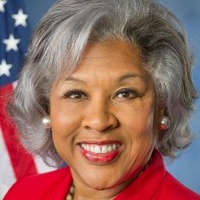
Joyce Beatty
Representative
OH
Joyce Beatty
Representative
OH
The Rosa Parks Commemorative Coin Act directs the Secretary of the Treasury to mint and issue a series of commemorative coins in 2029 to honor the legacy of civil rights icon Rosa Parks. Proceeds from the sale of these collector coins, including designated surcharges, will support the mission of the Rosa and Raymond Parks Institute for Self Development. The program is designed to ensure no net cost to the federal government.
The NO BAN Act prohibits religious discrimination in immigration and establishes stricter oversight and evidentiary requirements for the President’s authority to suspend or restrict entry into the United States.
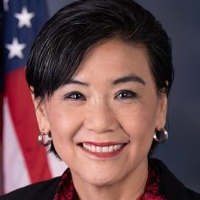
Judy Chu
Representative
CA
Judy Chu
Representative
CA
The NO BAN Act prohibits discrimination in immigration based on religion, race, sex, nationality, or place of birth. It also places strict limitations on the President’s authority to suspend or restrict entry into the United States, requiring evidence-based justification, congressional oversight, and public reporting. These measures ensure that any future immigration restrictions are narrowly tailored and subject to judicial review.
Recognizes the cultural and historical significance of Lunar New Year, celebrates Asian Americans and all who observe it, and wishes them a happy and prosperous new year.

Grace Meng
Representative
NY
Grace Meng
Representative
NY
This bill recognizes the cultural and historical significance of Lunar New Year. It acknowledges the importance of Lunar New Year for Asian Americans and others in the U.S., and expresses respect for those who celebrate it worldwide. The bill wishes all celebrants a happy and prosperous new year.
The MAKERS Act establishes a National Science Foundation grant program to support research and the development of makerspaces, aimed at enhancing STEM education and workforce readiness in diverse communities.
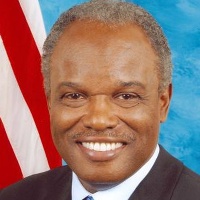
David Scott
Representative
GA
David Scott
Representative
GA
The MAKERS Act establishes a National Science Foundation grant program to support the research and development of makerspaces at institutions of higher education. By fostering hands-on STEM learning and collaboration, the bill aims to build a skilled workforce and provide valuable technical training to students and community members. Priority is given to projects that partner with workforce development entities, community colleges, and minority-serving institutions.
This bill expresses the House of Representatives' desire to keep the United States Postal Service (USPS) as an independent entity within the Federal Government, protecting it from privatization. It emphasizes the USPS's importance to the mailing industry, its role in connecting communities, and the potential negative impacts of privatization on prices, services, and infrastructure.
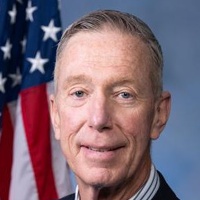
Stephen Lynch
Representative
MA
Stephen Lynch
Representative
MA
This bill expresses the House of Representatives' view that Congress should act to maintain the United States Postal Service (USPS) as an independent entity within the Federal Government. It emphasizes the USPS's role as a self-sustaining service vital to the economy and national connectivity. The resolution discourages privatization, citing concerns about increased costs, reduced services, and damage to critical infrastructure.