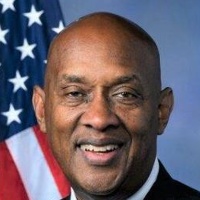
Legislative Activity
Track Dwight's sponsored bills, co-sponsored legislation, and voting record
This act increases the maximum loan amounts available to small businesses under certain SBA programs and mandates annual reporting on the distribution of those enhanced loans.
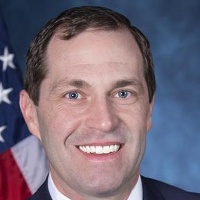
Jason Crow
Representative
CO
Jason Crow
Representative
CO
The Small Business Energy Loan Enhancement Act significantly increases the maximum loan amounts available to eligible small businesses under specific Small Business Administration (SBA) programs, raising the limit from $\$5.5$ million to $\$10$ million. This legislation also mandates that the SBA report annually to Congress detailing the industries and geographic areas benefiting from these enhanced loan categories. The goal is to provide greater financial resources for small businesses through SBA lending.
This act permanently bans new oil and gas leasing for exploration, development, and production in the North Atlantic, Mid-Atlantic, South Atlantic, and Straits of Florida planning areas of the Outer Continental Shelf.
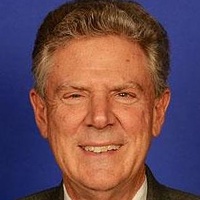
Frank Pallone
Representative
NJ
Frank Pallone
Representative
NJ
The Clean Ocean And Safe Tourism Anti-Drilling Act of 2025 (COAST Anti-Drilling Act) permanently prohibits new oil and gas leasing activities on the Outer Continental Shelf in the North Atlantic, Mid-Atlantic, South Atlantic, and Straits of Florida planning areas. This legislation ensures these specific ocean regions are protected from future exploration and development.
This Act establishes an advisory committee to systematically review and recommend replacements for offensive place names on federal lands to promote reconciliation and dignity.
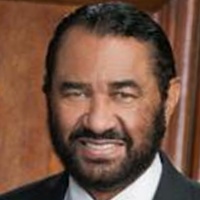
Al Green
Representative
TX
Al Green
Representative
TX
The Reconciliation in Place Names Act establishes a new Advisory Committee to systematically review and recommend replacements for offensive geographic names on federal lands. This committee, composed of diverse experts and tribal representatives, will advise the Board on Geographic Names regarding proposed changes. The Board must then approve or reject these renaming proposals within three years, prioritizing changes unless a compelling public interest dictates otherwise. This process aims to foster reconciliation by removing derogatory and prejudiced place names across the United States.
This resolution expresses Congressional support for library staff, recognizes the essential community services libraries provide, and defends the right of all citizens to freely access information.

Pramila Jayapal
Representative
WA
Pramila Jayapal
Representative
WA
This resolution expresses strong support for library staff and the essential, expanded community services libraries provide, from social support to digital access. It calls for funding commensurate with these vital roles and defends the right of all citizens to freely access information. Furthermore, the bill supports the civil rights and union voice of library workers against threats and censorship.
This bill terminates specific prior presidential tariff orders and requires Congressional approval for the President to impose new trade barriers or withdraw existing trade agreement concessions.
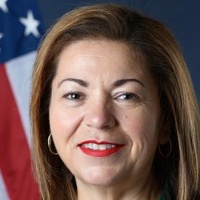
Linda Sánchez
Representative
CA
Linda Sánchez
Representative
CA
This Act immediately terminates specific existing presidential executive orders imposing tariffs. It requires Congressional approval via a fast-tracked joint resolution before the President can impose new trade barriers or withdraw existing trade agreement concessions. This ensures major new trade restrictions require legislative authorization, except in cases involving existing anti-dumping enforcement or specific trade dispute rulings.
This bill establishes the American Family Act, which revamps the Child Tax Credit into a system of refundable monthly advance payments for qualifying children and a separate credit for other dependents.

Rosa DeLauro
Representative
CT
Rosa DeLauro
Representative
CT
The American Family Act fundamentally overhauls the Child Tax Credit by replacing the annual lump sum with a system of advance, refundable monthly payments delivered directly to families. These monthly allowances vary based on the child's age, with higher amounts provided for younger children. The bill also establishes a separate, smaller credit for other dependents and outlines procedures for annual renewal and reconciliation of advance payments when filing taxes.
The Gas-Operated Semi-Automatic Firearms Exclusion (GOSAFE) Act prohibits the manufacture, sale, and possession of certain gas-operated semi-automatic firearms and large-capacity ammunition feeding devices, while establishing a formal process for firearm determinations and funding buy-back programs.
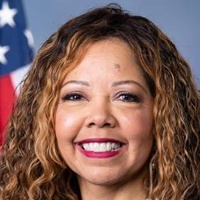
Lucy McBath
Representative
GA
Lucy McBath
Representative
GA
The Gas-Operated Semi-Automatic Firearms Exclusion Act (GOSAFE Act) prohibits the manufacture, sale, and possession of certain gas-operated semi-automatic firearms and large-capacity ammunition feeding devices (over 10 rounds). The bill establishes a formal process managed by the Attorney General and ATF to list prohibited firearms, while grandfathering existing possessions under strict transfer rules. Furthermore, it permits states to use federal Byrne grants for voluntary buy-back programs targeting these newly restricted items. Violations carry significant fines and potential prison sentences.
This resolution demands the President and HHS Secretary provide Congress with documents regarding the "Department of Government Efficiency's" access to sensitive taxpayer and child privacy data from federal hiring and locator services.
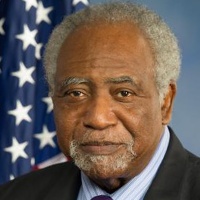
Danny Davis
Representative
IL
Danny Davis
Representative
IL
This resolution is an official request demanding the President and the Secretary of Health and Human Services immediately provide Congress with documents concerning the seizure of legally-protected taxpayer and child privacy data by the "Department of Government Efficiency" (DOGE). Specifically, it seeks records detailing DOGE's access to sensitive worker and financial data stored in the National Directory of New Hires and the Federal Parent Locator Service. The inquiry focuses on the legality, security protocols, and scope of these large-scale data requests, particularly those exceeding 40 million records.
This act bans bump stocks and similar devices that increase the firing rate of semi-automatic firearms, requiring registration for any previously modified weapons.
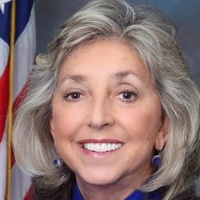
Dina Titus
Representative
NV
Dina Titus
Representative
NV
The Closing the Bump Stock Loophole Act of 2025 seeks to amend federal gun laws by banning devices and modifications that significantly increase the rate of fire of semiautomatic firearms, effectively treating them like machineguns. The bill specifically prohibits the manufacture, sale, or possession of such accessories and modified firearms after 120 days of enactment. Existing owners of previously modified firearms must register them under the National Firearms Act within that same timeframe to legally keep them.
The Raise the Wage Act of 2025 gradually increases the federal minimum wage to \$17.00, phases out subminimum wages for tipped employees and workers with disabilities, and eliminates the subminimum wage for young workers.
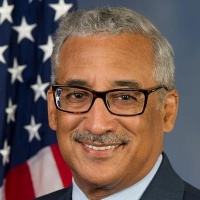
Robert Scott
Representative
VA
Robert Scott
Representative
VA
The Raise the Wage Act of 2025 establishes a phased increase of the federal minimum wage, culminating in a \$17.00 per hour rate five years after enactment, followed by automatic annual adjustments tied to median wage growth. This bill also phases out the lower minimum wage for tipped employees and workers under 20, ensuring they eventually earn the standard federal minimum wage. Furthermore, it sets a schedule to eliminate subminimum wages for individuals with disabilities and prohibits the issuance of new special certificates allowing for lower pay.
This Act establishes federal minimum standards for public employee collective bargaining rights, allowing states to maintain their own laws if they meet or exceed these standards, otherwise the Federal Labor Relations Authority will enforce federal rules.
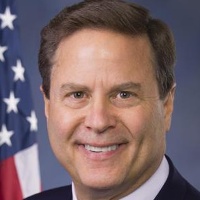
Donald Norcross
Representative
NJ
Donald Norcross
Representative
NJ
The Public Service Freedom to Negotiate Act of 2025 establishes federal minimum standards for collective bargaining rights for public employees across the nation. It requires the Federal Labor Relations Authority (FLRA) to review state laws to ensure they substantially provide these minimum rights, including the right to organize and bargain collectively. If a state fails to meet these standards, the FLRA will administer federal labor relations rules for the uncovered employees. The Act also prohibits strikes or lockouts that would measurably disrupt emergency or public safety services.
The Affordable Housing Credit Improvement Act of 2025 updates state allocation formulas, reforms tenant eligibility and credit determination rules, and enhances assistance for Native American and rural housing projects.
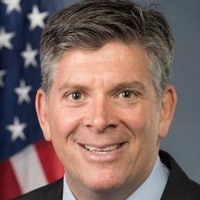
Darin LaHood
Representative
IL
Darin LaHood
Representative
IL
The Affordable Housing Credit Improvement Act of 2025 updates federal housing tax credit allocations to reflect current economic realities and boosts minimum state allotments. It reforms tenant eligibility rules to stabilize tenancy and enhance protections for vulnerable residents, including victims of abuse. The bill also provides disaster relief for property owners, increases incentives for housing the extremely low-income, and directs greater resources toward Native American and rural housing needs. Finally, it streamlines administrative processes and signals a future focus on data transparency and discouraging restrictive local zoning.
This resolution demands the President and key Secretaries provide documents detailing the local economic impact of federal job reductions and newly imposed tariffs.
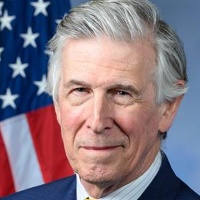
Donald Beyer
Representative
VA
Donald Beyer
Representative
VA
This resolution of inquiry formally requests the President and the Secretaries of the Treasury and Labor to provide the House of Representatives with specific documents. These documents must detail the economic impact of recent federal workforce reductions, particularly those stemming from the Department of Government Efficiency (DOGE), on local economies and unemployment rates. Additionally, Congress seeks information regarding the effect of newly imposed tariffs on the cost of imported goods.
This resolution expresses support for designating April 7, 2025, as World Health Day while recognizing critical U.S. healthcare challenges, prioritizing maternal and newborn health, addressing disparities, and calling for greater investment in public health.
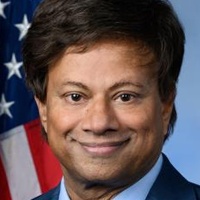
Shri Thanedar
Representative
MI
Shri Thanedar
Representative
MI
This resolution expresses support for designating April 7, 2025, as "World Health Day" and recognizes significant challenges within the U.S. healthcare system, including rising costs and disparities in access. It specifically highlights the urgent need to prioritize maternal and newborn health, address inequities affecting vulnerable populations, and support healthcare workers. Ultimately, the bill calls for increased investment to ensure affordable, high-quality healthcare for all Americans.
This resolution expresses the House's sense that paraprofessionals and education support staff deserve fair compensation, benefits, job security, and safe working conditions.
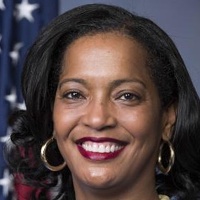
Jahana Hayes
Representative
CT
Jahana Hayes
Representative
CT
This resolution expresses the sense of the House of Representatives that paraprofessionals and education support staff deserve fair compensation, comprehensive benefits, and improved working conditions. It highlights the critical role these essential workers play in supporting millions of students nationwide. Ultimately, the bill calls for livable wages, job security, safe workplaces, and meaningful input into school policies for these staff members.
This bill eliminates reduced-price school meals while expanding eligibility for free meals by raising the income threshold and allowing direct certification for children receiving Medicaid.
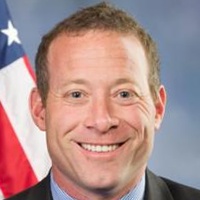
Josh Gottheimer
Representative
NJ
Josh Gottheimer
Representative
NJ
The Expanding Access to School Meals Act of 2025 aims to simplify school meal programs by eliminating the "reduced-price" meal category for both breakfast and lunch. It significantly expands eligibility for free school meals by raising the federal poverty level threshold to 224% and allowing automatic certification for children receiving Medicaid benefits. Additionally, the bill enhances financial support for schools by allowing retroactive reimbursement claims and increasing the multiplier for the Community Eligibility Program.
This Act allows employees to fully deduct union dues above the line and restores the itemized deduction for certain other job-related business expenses.
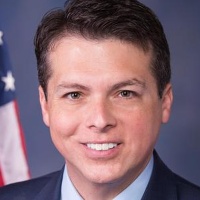
Brendan Boyle
Representative
PA
Brendan Boyle
Representative
PA
The Tax Fairness for Workers Act restores key federal tax deductions for employees, effective after 2024. This legislation makes union dues fully deductible "above the line," meaning they reduce Adjusted Gross Income without itemizing. Additionally, it allows itemizers to deduct certain other job-related business expenses that were previously limited.
The No Tax Breaks for Union Busting Act denies businesses tax deductions for expenses incurred while influencing employees regarding union organization and activities.
Donald Norcross
Representative
NJ
Donald Norcross
Representative
NJ
The No Tax Breaks for Union Busting (NTBUB) Act aims to disallow businesses from deducting federal income taxes for expenses incurred while attempting to influence employees regarding union organization or activities. This change is intended to stop companies from subsidizing anti-union campaigns through tax write-offs. The bill also establishes new, significant reporting requirements and penalties for businesses and third-party consultants who engage in these influence expenditures.
This bill streamlines security vetting for international STEM graduate students and creates a new pathway to lawful permanent residency for those holding advanced U.S. STEM degrees with qualifying job offers.
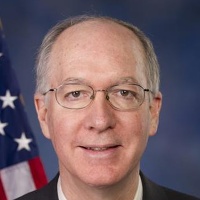
Bill Foster
Representative
IL
Bill Foster
Representative
IL
The Keep STEM Talent Act of 2025 aims to strengthen security vetting for international graduate students in STEM fields while creating a new pathway to permanent residency for those who earn advanced STEM degrees in the U.S. The bill mandates pre-admission applications and enhanced background checks for incoming STEM graduate students. Furthermore, it establishes a streamlined green card category for advanced STEM degree holders with qualifying job offers, allowing them to pursue permanent residency without jeopardizing their current student status.
This Act overhauls federal firearm dealer regulations by mandating enhanced physical security, stricter inventory tracking, increased licensing fees, and new oversight for online firearm facilitators.
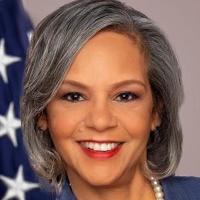
Robin Kelly
Representative
IL
Robin Kelly
Representative
IL
The Federal Firearm Licensee Act significantly overhauls federal regulation of gun dealers by mandating enhanced physical security, stricter inventory tracking, and increased record-keeping requirements. The bill repeals outdated restrictions on the ATF, increases licensing fees, and establishes new regulations for online firearm transfer facilitators. Furthermore, it strengthens enforcement by increasing penalties for compliance failures and mandating more frequent inspections for high-risk dealers.