Legislative Activity
Track Dwight's sponsored bills, co-sponsored legislation, and voting record
The Puppy Protection Act of 2025 establishes stricter housing, daily care, veterinary, and breeding standards for dog dealers under the Animal Welfare Act.
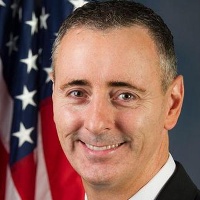
Brian Fitzpatrick
Representative
PA
Brian Fitzpatrick
Representative
PA
The Puppy Protection Act of 2025 significantly increases humane treatment standards for dog dealers under the Animal Welfare Act. This legislation mandates specific minimum space requirements, daily exercise access, and mandatory socialization for housed dogs. Furthermore, it establishes strict limits on female dog breeding frequency and age, alongside enhanced veterinary care protocols.
The Major Richard Star Act ensures that military retirees with combat-related disabilities can concurrently receive their full military retirement pay and VA disability compensation without reduction.

Gus Bilirakis
Representative
FL
Gus Bilirakis
Representative
FL
The Major Richard Star Act ensures that military retirees with combat-related disabilities can receive both their military retirement pay and VA disability compensation concurrently without reduction. This law removes previous restrictions that caused military retirement pay to be offset by VA disability payments for these specific cases. The changes take effect on the first day of the month following the Act's enactment.
This Act establishes stricter public review periods, community protections, and regulatory oversight before the Postal Service can close post offices or consolidate mail processing facilities.
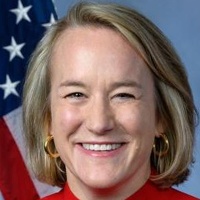
Nicole (Nikki) Budzinski
Representative
IL
Nicole (Nikki) Budzinski
Representative
IL
The Protect Postal Performance Act establishes stricter public review periods and new protections before the Postal Service can close or consolidate local post offices. It also imposes significant limitations on the USPS's ability to change mail processing centers and transportation schedules. These changes require advisory opinions from the Postal Regulatory Commission (PRC) and prohibit facility closures in areas with poor recent on-time delivery performance.
This Act establishes new federal monitoring, a dedicated integrity unit, and stricter repayment penalties to prevent and address the intentional misuse of subrecipient funds under the TANF program.
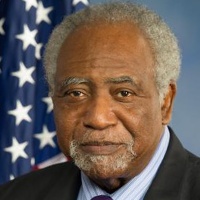
Danny Davis
Representative
IL
Danny Davis
Representative
IL
The TANF State Expenditure Integrity Act of 2025 strengthens federal oversight of how states pass Temporary Assistance for Needy Families (TANF) funds to local subrecipients. It establishes a new federal monitoring system and a dedicated "TANF Program Integrity Unit" to prevent and address intentional misuse of these funds. If intentional misuse is found, states will face stricter penalties requiring them to repay the misused amount specifically for direct cash assistance to low-income families.
The HELPER Act of 2025 establishes a new FHA mortgage insurance program offering 100% financing with an upfront premium and no monthly premiums for eligible first responders, educators, and law enforcement officers.
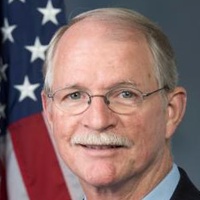
John Rutherford
Representative
FL
John Rutherford
Representative
FL
The HELPER Act of 2025 establishes a new FHA mortgage insurance program to assist first responders, educators, and law enforcement officers in purchasing homes. This program offers eligible first-time homebuyers 100% financing with no down payment required. Instead of monthly premiums, borrowers pay an upfront FHA insurance premium at closing.
This act officially designates Postal Service police officers as federal agents with authority over Postal Service property and establishes penalties for violating property rules set by the Postmaster General.
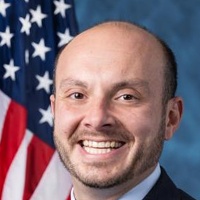
Andrew Garbarino
Representative
NY
Andrew Garbarino
Representative
NY
The Postal Police Reform Act of 2025 officially designates Postal Service police officers as federal law enforcement agents under Title 18 of the U.S. Code. This legislation grants the Postmaster General the authority to establish and enforce rules for protecting Postal Service property. Violations of these new rules may result in federal fines or imprisonment up to 30 days.
This Act establishes a federal strategy to prevent the trafficking of machinegun conversion devices, mandates forfeiture of profits from illegal machine gun activities, and requires specific reporting on these devices.
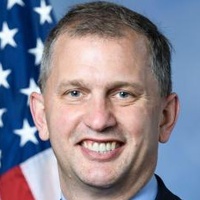
Sean Casten
Representative
IL
Sean Casten
Representative
IL
The Preventing Illegal Weapons Trafficking Act of 2025 mandates the creation of a federal strategy to intercept and seize illegal machinegun conversion devices entering or moving within the U.S. It also enhances penalties by allowing the forfeiture of proceeds derived from illegal machine gun trafficking. Furthermore, the Attorney General must now specifically report on crimes involving these conversion devices in the annual firearms trafficking report.
Demands the President and Treasury Secretary to release documents regarding the Department of Government Efficiency's access to Treasury payment systems and taxpayer data.

Lloyd Doggett
Representative
TX
Lloyd Doggett
Representative
TX
This resolution requests the President and Secretary of the Treasury to submit documents to the House of Representatives regarding the Department of Government Efficiency's (DOGE) access to Treasury payment systems and taxpayer information. The request includes communications and documents related to DOGE, Elon Musk, or his team's access to these systems, as well as any screenshots of Treasury payment systems data. The information must be provided within 14 days of the resolution's adoption.
Demands the President to provide information to the House regarding the Social Security Administration's operations post-January 20, 2025, including details on the Department of Government Efficiency's access and compliance with specific executive orders.
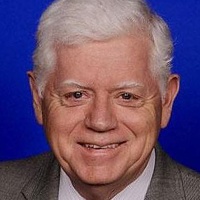
John Larson
Representative
CT
John Larson
Representative
CT
This resolution requests the President to provide the House of Representatives with information regarding the Social Security Administration's operations after January 20, 2025. The request includes details on the Department of Government Efficiency's access to the Social Security Administration, compliance with specific Executive Orders, call and visitor statistics, office closures, and staff reductions. The President is required to furnish the requested documents and information within 14 days of the resolution's adoption.
Condemns House Republican leadership for allowing a xenophobic post questioning a Congressman's citizenship.
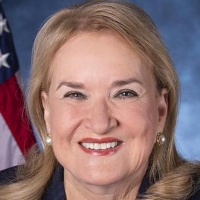
Sylvia Garcia
Representative
TX
Sylvia Garcia
Representative
TX
This bill condemns the House Republican Conference for a xenophobic social media post questioning Congressman Adriano Espaillat's immigration status and patriotism. It specifically condemns the House Republican leadership team for allowing the false statement that questioned Congressman Espaillat's citizenship.
The Stop Comstock Act streamlines federal statutes by removing outdated and redundant language concerning "indecent" or "immoral" materials, focusing legal definitions on "obscene materials."
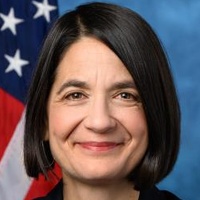
Becca Balint
Representative
VT
Becca Balint
Representative
VT
The Stop Comstock Act aims to modernize and streamline federal statutes concerning obscene materials. It revises several sections of federal law, including those related to crimes, transportation, and importation, by removing outdated or redundant language like "indecent" or "immoral." This legislative cleanup focuses the legal definitions to center specifically on "obscene materials."
This Act eliminates the waiting periods for Social Security disability benefits and Medicare coverage for individuals diagnosed with metastatic breast cancer.
Andrew Garbarino
Representative
NY
Andrew Garbarino
Representative
NY
The Metastatic Breast Cancer Access to Care Act aims to improve support for individuals diagnosed with metastatic breast cancer. This bill eliminates the standard waiting period for receiving Social Security disability insurance benefits and waives the 24-month waiting period for Medicare coverage. These changes ensure immediate access to crucial financial and healthcare support upon diagnosis.
This Act converts Transportation Security Administration (TSA) personnel to standard federal employment rules under Title 5, establishes transition protections, mandates workforce reviews, and addresses labor relations and employee safety.
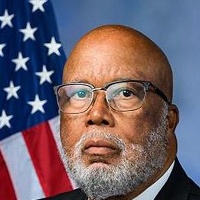
Bennie Thompson
Representative
MS
Bennie Thompson
Representative
MS
The Rights for the Transportation Security Administration Workforce Act transitions TSA personnel to standard federal employment rules under Title 5 of the U.S. Code by a set date no later than December 31, 2025. This mandates the freezing of current personnel policies during the transition while protecting current employee pay and benefits. The bill also requires extensive reviews by the Comptroller General on hiring, diversity, and workplace safety, and mandates consultation with employee representatives regarding labor relations. Finally, it ensures that screening agents retain collective bargaining rights and addresses specific concerns for Federal Air Marshals.
The HOME Investment Partnerships Reauthorization and Improvement Act of 2025 reauthorizes and reforms the HOME program through 2029, increases administrative funding, establishes a $2 billion federal loan guarantee program, and updates definitions and compliance rules for affordable housing development.
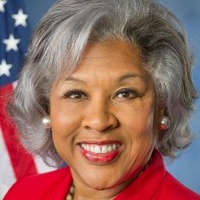
Joyce Beatty
Representative
OH
Joyce Beatty
Representative
OH
The HOME Investment Partnerships Reauthorization and Improvement Act of 2025 reauthorizes the HOME program for five years with increased funding levels and raises the cap on administrative expenses. It reforms affordability definitions, streamlines local eligibility requirements, and introduces a new federal loan guarantee program to finance local affordable housing projects. The bill also refines rules for Community Housing Development Organizations (CHDOs) and includes numerous technical corrections to modernize the underlying housing law.
The Medicare Dental, Vision, and Hearing Benefit Act of 2025 adds comprehensive dental, vision, and hearing care, including hearing aids, to Medicare coverage starting in 2026 while also mandating the inclusion of an oral health professional on the U.S. Preventive Services Task Force.
Lloyd Doggett
Representative
TX
Lloyd Doggett
Representative
TX
The Medicare Dental, Vision, and Hearing Benefit Act of 2025 significantly expands Medicare coverage to include comprehensive dental, vision, and hearing services starting in 2026. This legislation outlines specific payment schedules, frequency limits, and coverage percentages for routine exams, procedures, eyeglasses, contact lenses, and hearing aids. Furthermore, the bill mandates the inclusion of an oral health professional on the United States Preventive Services Task Force.
This act mandates that the U.S. Treasury must begin printing new twenty-dollar bills featuring Harriet Tubman on the front after December 31, 2028, with a preliminary design reveal by the end of 2026.
Joyce Beatty
Representative
OH
Joyce Beatty
Representative
OH
The Woman on the Twenty Act of 2025 mandates that Harriet Tubman must be featured on the front of the twenty-dollar bill. This legislation sets a firm deadline, requiring that no new $20 notes can be printed without her portrait after December 31, 2028. Furthermore, the Secretary of the Treasury must publicly reveal the preliminary design for the new note by the end of 2026.
The American Teacher Act establishes federal grants to incentivize states to set a minimum annual teacher salary of $60,000 and provide inflation adjustments for teacher pay.
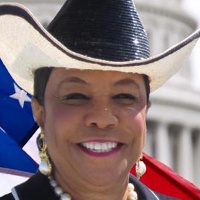
Frederica Wilson
Representative
FL
Frederica Wilson
Representative
FL
The American Teacher Act aims to address critical teacher shortages by establishing federal grants to help states raise the minimum annual salary for full-time teachers to \$60,000, adjusted for inflation. States must submit sustainability plans to ensure these minimums continue after the initial four-year grant period ends. The bill also provides funds for cost-of-living adjustments and a national campaign to enhance the value and diversity of the teaching profession.
This Act resets the probationary period for certain federal employees unfairly separated between January 20, 2025, and January 20, 2029, by crediting them for time already served.
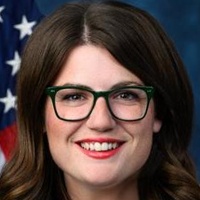
Sarah Elfreth
Representative
MD
Sarah Elfreth
Representative
MD
The Protect Our Probationary Employees Act resets the probationary period for certain federal employees who were involuntarily separated between January 20, 2025, and January 20, 2029. If these employees are rehired into a similar role at the same agency, their new probationary period will be reduced by the time they already served previously. This provision is temporary and will expire on January 20, 2029.
The Farewell to Foam Act of 2025 bans the sale and distribution of expanded polystyrene food service ware, loose fill packaging, and coolers starting January 1, 2028, with escalating fines for non-compliance.
Lloyd Doggett
Representative
TX
Lloyd Doggett
Representative
TX
The Farewell to Foam Act of 2025 bans the sale and distribution of expanded polystyrene (Styrofoam) food service ware, loose fill packaging, and coolers starting January 1, 2028. The bill clearly defines these targeted foam products and the roles of manufacturers, distributors, and retailers involved in their supply chain. Enforcement begins with a written warning for first-time violations, followed by escalating fines for repeat offenses. The Administrator of the EPA is granted the authority to issue necessary regulations to implement the Act.
This Act prohibits the President from using U.S. Armed Forces to invade or seize territory from Canada, Panama, or Greenland without a declaration of war, specific Congressional authorization, or in response to an attack on the U.S.
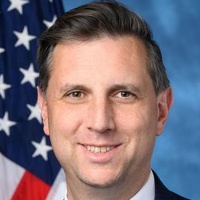
Seth Magaziner
Representative
RI
Seth Magaziner
Representative
RI
The No Invading Allies Act strictly prohibits the President from using U.S. Armed Forces to invade or occupy territory belonging to Canada, Panama, or Greenland. Any military action against these nations requires prior authorization via a Congressional declaration of war, specific authorization, or in response to an immediate attack on the U.S. or its forces. Furthermore, the bill limits the expenditure of funds for such actions, reinforcing U.S. commitments to international rules and alliances.