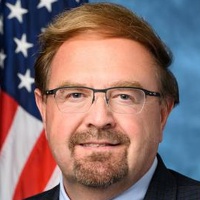
Legislative Activity
Track Charles's sponsored bills, co-sponsored legislation, and voting record
This bill ensures disaster survivors aren't denied FEMA aid before their insurance claims are settled.
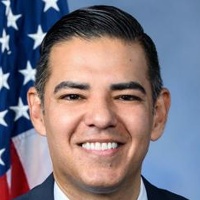
Robert Garcia
Representative
CA
Robert Garcia
Representative
CA
The Fair Disaster Assistance Act of 2025 prevents FEMA from sending disaster assistance denial notices to applicants before their insurance claims are fully processed. This ensures individuals are not prematurely denied assistance while awaiting insurance determinations. The Act directs FEMA to establish regulations to implement this change.
This bill creates a 20-year demonstration project waiving certain Social Security disability benefit rules for blind Americans to encourage their return to work.

Pete Sessions
Representative
TX
Pete Sessions
Representative
TX
The Blind Americans Return to Work Act of 2025 initiates a 20-year demonstration project aimed at helping blind Americans receiving Social Security disability benefits return to work. For the first 10 years, eligibility for benefits will be determined without considering substantial gainful activity, and benefits will be reduced based on earnings above a set amount, incentivizing employment without immediate loss of support. The project waives certain benefit requirements to facilitate successful employment, with participants having the option to opt out after the initial 10-year period. This act aims to support blind individuals in their transition back to the workforce while maintaining a safety net.
Exempts family farms and small businesses from asset considerations in need analysis for federal student aid.
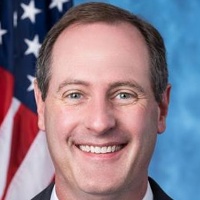
Tracey Mann
Representative
KS
Tracey Mann
Representative
KS
The "Family Farm and Small Business Exemption Act" amends the Higher Education Act of 1965 to exclude the net value of a family farm (on which the family resides) or a small business (with no more than 100 employees and owned/controlled by the family) from consideration as an asset when determining financial need for federal student aid. This change aims to make higher education more accessible for students from family farm and small business backgrounds.
The "Freedom to Invest in Tomorrow's Workforce Act" expands the use of 529 savings accounts to cover expenses related to postsecondary credentialing programs, including tuition, fees, books, supplies, equipment, and testing fees.

Robert Wittman
Representative
VA
Robert Wittman
Representative
VA
The "Freedom to Invest in Tomorrow's Workforce Act" amends Section 529 savings accounts to include expenses related to postsecondary credentialing programs. This allows 529 funds to cover costs like tuition, fees, books, supplies, and testing fees for recognized programs and credentials, as defined by the bill. These changes would apply to distributions made after the bill is enacted.
Mandates the disclosure of third parties entitled to payment from civil action settlements or judgments to ensure transparency.
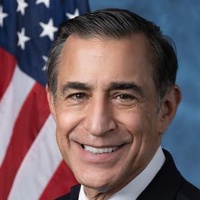
Darrell Issa
Representative
CA
Darrell Issa
Representative
CA
The Litigation Transparency Act of 2025 requires parties in civil actions to disclose the identity of any third party entitled to payment contingent on the outcome of the case, along with the relevant agreements. This disclosure aims to increase transparency in civil litigation by revealing who financially benefits from the lawsuit's outcome. Certain payments, such as loan repayments and attorney's fees, are exempt from this disclosure requirement. The Act applies to both ongoing and future court cases.
The Protect Our Letter Carriers Act of 2025 authorizes $7 billion to upgrade postal security infrastructure while mandating dedicated federal prosecutors for postal crimes and increasing sentencing guidelines for assaults against postal employees.
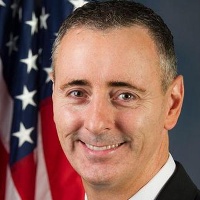
Brian Fitzpatrick
Representative
PA
Brian Fitzpatrick
Representative
PA
The Protect Our Letter Carriers Act of 2025 aims to enhance the safety of postal workers by funding high-security infrastructure upgrades, including electronic mailbox keys. The bill also mandates the appointment of dedicated federal prosecutors for postal crimes in every judicial district and requires stricter sentencing guidelines for those who assault or rob postal employees.
The CONSTRUCTS Act of 2025 establishes a grant program for community colleges and trade schools to expand residential construction training, with a focus on serving rural and underserved populations.
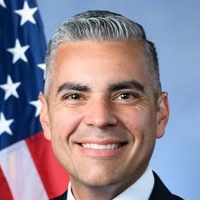
Juan Ciscomani
Representative
AZ
Juan Ciscomani
Representative
AZ
The CONSTRUCTS Act of 2025 establishes a competitive grant program to expand education and training for careers in the residential construction industry. By providing $20 million annually, the bill supports community colleges and trade schools in developing skilled labor pipelines, with a priority on serving rural and underserved populations. These programs aim to increase the supply of qualified workers while helping to address local housing needs through flexible, industry-aligned training.
The PATROL Act prevents the federal government from using the Rivers and Harbors Act of 1899 to legally challenge state-led efforts to construct physical border barriers.
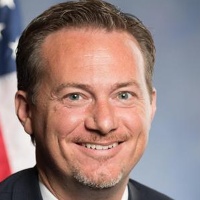
Michael Cloud
Representative
TX
Michael Cloud
Representative
TX
The PATROL Act (Preventing Aliens Through Rivers or Land Act) prohibits the federal government from using the Rivers and Harbors Act of 1899 to legally challenge states that construct physical barriers along their international borders. This legislation aims to protect state-led border security initiatives, such as walls, fences, or floating buoys, from federal civil lawsuits.
The Love Lives On Act of 2025 ensures that surviving spouses of veterans and service members retain their earned dependency compensation, survivor benefits, and TRICARE eligibility regardless of remarriage.
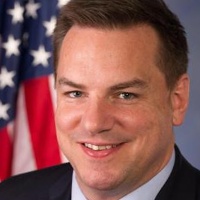
Richard Hudson
Representative
NC
Richard Hudson
Representative
NC
The Love Lives On Act of 2025 ensures that surviving spouses of veterans and service members retain their earned benefits, including dependency and indemnity compensation, educational assistance, and Survivor Benefit Plan annuities, regardless of remarriage. Additionally, the bill expands TRICARE eligibility to include widows and widowers whose subsequent marriages have ended. This legislation protects the financial security and healthcare access of surviving families by removing penalties associated with remarriage.
Mandates the prompt release of immigration status information to state officials for voter eligibility verification.
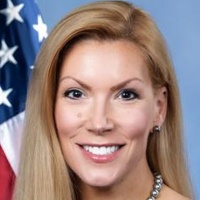
Beth Van Duyne
Representative
TX
Beth Van Duyne
Representative
TX
The "Voter Eligibility Verification Act of 2025" aims to ensure accurate voter rolls by requiring the prompt release of immigration status information to state officials. The Attorney General or Secretary of State must receive an individual's immigration status within 15 days of requesting it, including for potential voters. This will allow states to verify the eligibility of individuals for voter registration.
This bill requires the Congressional Budget Office and the Joint Committee on Taxation to include debt servicing costs in their official cost estimates for proposed legislation.
Michael Cloud
Representative
TX
Michael Cloud
Representative
TX
The Cost Estimates Improvement Act requires the Congressional Budget Office (CBO) and the Joint Committee on Taxation (JCT) to include the impact of debt servicing costs in their official legislative cost estimates. This legislation aims to provide a more comprehensive view of the long-term fiscal consequences of proposed federal spending and tax policies.
This bill directs the Department of Education to consider the International Holocaust Remembrance Alliance's definition of antisemitism when evaluating discrimination complaints under Title VI of the Civil Rights Act of 1964, while also protecting First Amendment rights.
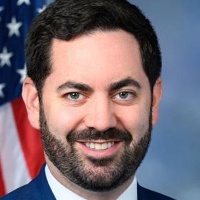
Michael Lawler
Representative
NY
Michael Lawler
Representative
NY
The Antisemitism Awareness Act of 2025 requires the Department of Education to consider the International Holocaust Remembrance Alliance's definition of antisemitism when evaluating discrimination complaints under Title VI of the Civil Rights Act of 1964, concerning race, color, and national origin. This aims to address rising antisemitism in educational settings. The Act clarifies that it does not expand the Department of Education's authority, change existing discrimination standards, reduce existing rights, or infringe upon First Amendment rights.
This bill prohibits state and local governments from imposing special taxes, insurance requirements, or user fees as a condition for the ownership, manufacture, or transfer of firearms and ammunition.
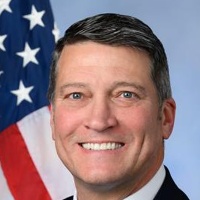
Ronny Jackson
Representative
TX
Ronny Jackson
Representative
TX
The "No User Fees for Gun Owners Act" prohibits state and local governments from imposing special taxes, insurance requirements, or user fees as a condition for owning, manufacturing, or transferring firearms and ammunition. The bill ensures that firearms are only subject to standard, generally applicable sales taxes, preventing discriminatory financial barriers to gun ownership.
The Lower Grocery Prices Act directs the GAO to study 20 years of food price trends and provide Congress with recommendations to reduce grocery costs for American consumers.
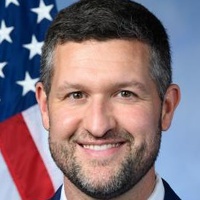
Patrick Ryan
Representative
NY
Patrick Ryan
Representative
NY
The Lower Grocery Prices Act directs the Government Accountability Office (GAO) to conduct a comprehensive 20-year study on the rising costs of groceries for U.S. consumers. The resulting report will provide Congress with data-driven recommendations aimed at identifying and implementing strategies to lower food prices.
The A PLUS Act empowers states to consolidate federal education funding into flexible, state-managed programs to reduce administrative burdens while maintaining public accountability for student achievement.

John Moolenaar
Representative
MI
John Moolenaar
Representative
MI
The A PLUS Act (Academic Partnerships Lead Us to Success Act) empowers states to consolidate federal education funding into a single stream, granting them greater flexibility to implement state-led education reforms. By reducing administrative burdens, the bill allows states to focus resources on improving academic achievement while maintaining public accountability through mandatory reporting to parents and taxpayers.
The Fairness for the Trades Act allows tax-free 529 college savings plan withdrawals to be used for purchasing essential business equipment and tools for individuals working in specified skilled trade professions.

Marie Gluesenkamp Perez
Representative
WA
Marie Gluesenkamp Perez
Representative
WA
The Fairness for the Trades Act expands 529 college savings plans to allow for tax-free withdrawals to cover the cost of essential business equipment. This benefit applies to individuals working in specific trade fields, including construction, forestry, and specialized repair services. By treating these tools and machinery as qualified expenses, the bill aims to reduce the financial barriers for those entering or operating within the trades.
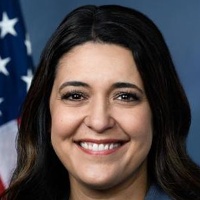
The Stop Illegal Reentry Act increases criminal penalties and establishes mandatory minimum prison sentences for aliens who reenter the United States after being previously removed or denied admission.
Stephanie Bice
Representative
OK
Stephanie Bice
Representative
OK
The Stop Illegal Reentry Act amends the Immigration and Nationality Act to increase criminal penalties for individuals who reenter the United States after being previously denied admission, excluded, or removed. The bill establishes tiered sentencing guidelines, including mandatory minimums for repeat offenders and those with prior aggravated felony convictions. These measures aim to strengthen enforcement against illegal reentry through more severe fines and extended prison terms.
The National Constitutional Carry Act prohibits state and local governments from restricting the public carry of firearms by individuals who are legally eligible to possess them under federal law.

Thomas Massie
Representative
KY
Thomas Massie
Representative
KY
The National Constitutional Carry Act seeks to protect the Second Amendment right of law-abiding citizens to carry firearms in public for self-defense. The bill prohibits state and local governments from imposing criminal or civil penalties on individuals who are legally eligible to possess firearms. By overriding restrictive local regulations, the legislation aims to ensure a uniform standard for the right to bear arms across the United States.
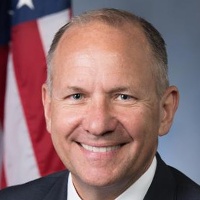
The Main Street Tax Certainty Act makes the 20% pass-through business income deduction permanent by removing its scheduled expiration after 2025.
Lloyd Smucker
Representative
PA
Lloyd Smucker
Representative
PA
The Main Street Tax Certainty Act makes the 20% pass-through business income deduction permanent. By removing the current 2025 expiration date, this legislation ensures long-term tax relief for owners of qualified pass-through entities.
This bill proposes a constitutional amendment to permanently set the number of Supreme Court justices at nine, requiring ratification by three-fourths of the states within seven years.

Dusty Johnson
Representative
SD
Dusty Johnson
Representative
SD
This bill proposes a constitutional amendment to fix the number of Supreme Court justices at nine. For this amendment to be valid, three-fourths of the state legislatures must ratify it within seven years of its submission.