Legislative Activity
Track Charles's sponsored bills, co-sponsored legislation, and voting record
The "Child Care Availability and Affordability Act" aims to make child care more accessible and affordable by expanding employer-provided child care credits, increasing tax-free dependent care assistance, and enhancing the household and dependent care tax credit.
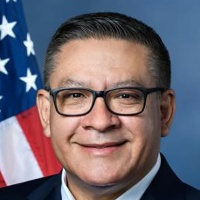
Salud Carbajal
Representative
CA
Salud Carbajal
Representative
CA
The Child Care Availability and Affordability Act aims to improve access to affordable child care by expanding employer-provided child care credits, increasing tax-free dependent care assistance, and creating a refundable household and dependent care tax credit. The employer provided child care credit is increased from 25% to 50% of qualified expenses, and the maximum credit amount is raised from $150,000 to $500,000. The amount of tax-free employer-provided dependent care assistance is increased from $5,000 to $7,500. A new tax credit is created for employment-related expenses paid for household and dependent care, with the applicable percentage starting at 50% and decreasing based on income, and the maximum creditable expenses are $5,000 for one qualifying individual and $8,000 for two or more.
This bill aims to enhance border security, address environmental damage on federal lands, and restrict housing options for undocumented non-citizens on federally managed lands.
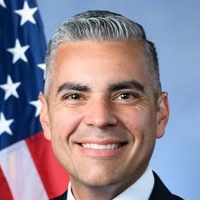
Juan Ciscomani
Representative
AZ
Juan Ciscomani
Representative
AZ
This bill aims to enhance security along the southern border by constructing roads, increasing access for U.S. Customs and Border Protection, and allowing temporary placement of structures by border states. It also seeks to mitigate environmental damage on federal lands caused by illegal activities through initiatives focused on reducing trash, preventing wildfires, and remediating contamination. Additionally, the bill restricts housing options for non-citizens who have not been formally admitted into the country by preventing the use of federal funds to house these individuals on federally managed lands.
This resolution expresses formal condolences to the families and loved ones of the 67 victims of the January 2025 collision between American Eagle Flight 5342 and a U.S. Army flight, while honoring the victims and commending the first responders.
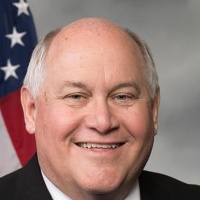
Ron Estes
Representative
KS
Ron Estes
Representative
KS
This resolution expresses the House of Representatives' deepest condolences to the families and loved ones of the 67 individuals who lost their lives in the January 29, 2025, collision of American Eagle Flight 5342 and a U.S. Army flight. It honors the victims, many of whom had strong ties to Wichita, Kansas, and commends the heroic efforts of the first responders and emergency personnel who managed the recovery.
The "End FEMA Benefits for Illegal Immigrants Act" terminates FEMA's program that funds shelter services for individuals awaiting immigration processing and redirects unspent funds.
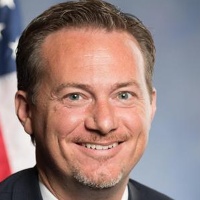
Michael Cloud
Representative
TX
Michael Cloud
Representative
TX
The "End FEMA Benefits for Illegal Immigrants Act" terminates FEMA's program that funds shelters and services for migrants, which aimed to reduce overcrowding in Customs and Border Protection facilities. It also rescinds any remaining funds allocated to FEMA from previous appropriations acts that were intended for Customs and Border Protection operations.
This bill modifies the definition of "qualifying single source drug" under the Social Security Act to include certain advanced drugs using genetically targeted technology for a limited time.
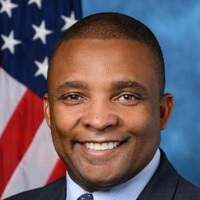
Donald Davis
Representative
NC
Donald Davis
Representative
NC
The "Maintaining Investments in New Innovation Act" amends the Social Security Act's definition of "qualifying single source drug" to include advanced drugs using genetically targeted technology. This update applies to drugs that can modify gene function, potentially impacting drug pricing and access regulations under the Act.
To award a Congressional Gold Medal to the 761st Tank Battalion, the first Black soldiers to serve in an American armored unit, for their valor and crucial contributions to the Allied victory in Europe.
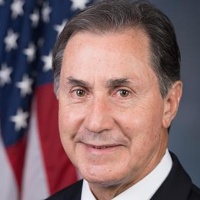
Gary Palmer
Representative
AL
Gary Palmer
Representative
AL
This bill authorizes the Speaker of the House and the President pro tempore of the Senate to award a Congressional Gold Medal to the 761st Tank Battalion, also known as the "Black Panthers," in recognition of their courageous service and crucial contributions during World War II. The medal will be given to the National Museum of African American History and Culture for display, honoring the 761st as the first Black soldiers to serve in an American armored unit and their significant role in the Allied victory in Europe. The bill also allows for the creation and sale of bronze duplicates of the medal to support the United States Mint Public Enterprise Fund.
The SCREEN Act requires online platforms that host or provide pornographic content to implement technology to verify users' ages and prevent minors from accessing harmful material.
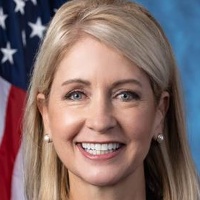
Mary Miller
Representative
IL
Mary Miller
Representative
IL
The SCREEN Act requires online platforms that host or provide pornographic content to implement technology verification measures to prevent minors from accessing harmful material. It mandates that these platforms use reliable age verification methods, undergo regular audits by the Federal Trade Commission (FTC) to ensure compliance, and protect user data collected during the verification process. The FTC is responsible for enforcing the Act, and the Government Accountability Office (GAO) must report to Congress on the effectiveness and impact of these measures. This act aims to protect children from the harmful effects of online pornography.
This resolution condemns the Iranian regime’s terrorism and human rights abuses while affirming support for the Iranian people’s right to establish a democratic, secular, and non-nuclear republic.
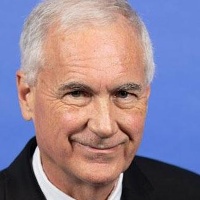
Tom McClintock
Representative
CA
Tom McClintock
Representative
CA
This resolution condemns the Iranian regime for its ongoing human rights abuses, state-sponsored terrorism, and regional instability. It expresses strong support for the Iranian people's struggle for a democratic, secular, and non-nuclear republic. Furthermore, the bill advocates for international accountability for the regime's crimes and calls for the protection of Iranian political refugees.
The "Protect and Serve Act of 2025" establishes federal penalties for intentionally causing serious harm or death to law enforcement officers because of their position, under certain circumstances, and requires Attorney General certification for federal prosecution in many cases.
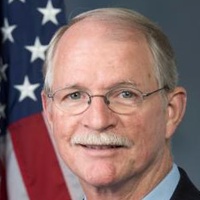
John Rutherford
Representative
FL
John Rutherford
Representative
FL
The "Protect and Serve Act of 2025" creates federal offenses for intentionally causing serious injury or death to law enforcement officers because of their status as officers. It sets penalties including imprisonment and fines, with increased penalties if death results or if kidnapping or attempted killing is involved. Federal prosecution requires certification from the Attorney General, based on a request from the state or if it is in the public interest to ensure substantial justice. The act defines "law enforcement officer" and "State" for the purposes of the new offenses.
The Leveling the Playing Field 2.0 Act strengthens U.S. trade laws to counteract unfair trade practices like foreign subsidies, currency manipulation, and duty evasion, ensuring fair competition for American businesses.
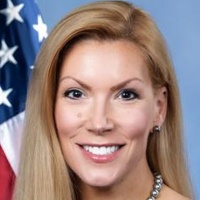
Beth Van Duyne
Representative
TX
Beth Van Duyne
Representative
TX
The Leveling the Playing Field 2.0 Act aims to strengthen U.S. trade laws by addressing unfair subsidies, currency undervaluation, duty evasion, and circumvention of trade remedies. It refines the process for handling successive trade investigations, ensuring that the International Trade Commission considers prior findings and assesses cumulative effects on domestic industries. The act also empowers authorities to counteract cost distortions in foreign countries and prevent importers from avoiding duties. Additionally, it includes provisions related to trade with Canada and Mexico and sets effective dates for new regulations.
The "Access Technology Affordability Act of 2025" creates a tax credit of up to $2,000 every three years for blind individuals who purchase qualified access technology.
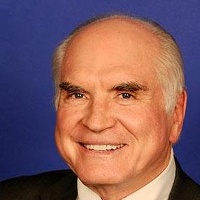
Mike Kelly
Representative
PA
Mike Kelly
Representative
PA
The "Access Technology Affordability Act of 2025" introduces a tax credit for blind individuals who purchase qualified access technology, such as hardware or software that converts visual information into accessible formats. The credit is capped at $2,000 per blind individual over any three consecutive tax years and will be adjusted for inflation after 2026. This credit is effective for tax years starting after December 31, 2025, and expires after December 31, 2030. It ensures that individuals cannot claim double benefits for the same expenses.
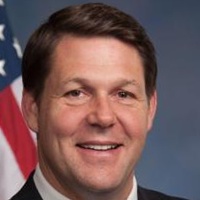
This bill prohibits tax deductions and credits for marijuana businesses trafficking in controlled substances, aligning federal tax law with the prohibition of marijuana under federal law.
Jodey Arrington
Representative
TX
Jodey Arrington
Representative
TX
The "No Deductions for Marijuana Businesses Act" amends the Internal Revenue Code to prohibit businesses involved in marijuana or controlled substance trafficking from claiming tax deductions or credits for their expenses. This restriction applies regardless of whether the business is violating federal or state law. The change will be effective for expenses paid after the bill is enacted.
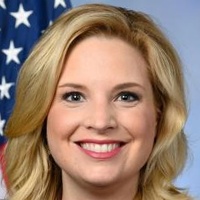
The "SBA Disaster Transparency Act" mandates the Small Business Administration to publicly post reports on disaster assistance submitted to Congress on its website.
Ashley Hinson
Representative
IA
Ashley Hinson
Representative
IA
The SBA Disaster Transparency Act requires the Small Business Administration (SBA) to publish reports related to disaster assistance on its website. This ensures transparency by making information accessible to the public after the reports are submitted to Representatives.
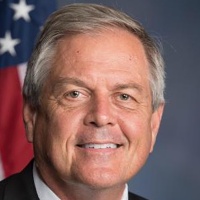
The bill mandates fair-value accounting for federal credit programs, requiring the Congressional Budget Office and the Office of Management and Budget to provide fair-value estimates for loan and loan guarantee programs to ensure budget compliance and transparency.
Ralph Norman
Representative
SC
Ralph Norman
Representative
SC
The "Fair-Value Accounting and Budget Act" mandates the use of fair-value estimates, in addition to credit reform estimates, for all federal loan and loan guarantee programs by the Congressional Budget Office (CBO). It requires the CBO to include both fair-value and credit reform estimates in its annual budget and economic outlook. Additionally, the Office of Management and Budget (OMB) must submit an annual report to Congress on fair-value estimates of federal credit programs. Both CBO and OMB are required to use the Government Accounting Standards Board's definition of "fair value" in their estimates.
The COST Act mandates transparency in the use of federal funds by requiring disclosure of the percentage and dollar amount of federal funding in programs, projects, and activities.
Ralph Norman
Representative
SC
Ralph Norman
Representative
SC
The COST Act mandates that any entity using federal funds for a program, project, or activity must disclose the percentage and dollar amount of the total cost covered by these funds in all related documents and communications. Compliance will be certified through performance progress reporting. The Office of Management and Budget will conduct annual reviews and provide a public mechanism for reporting non-compliance.
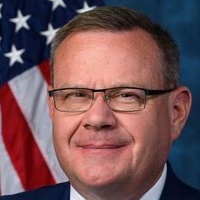
Designates a portion of U.S. Route 74 in North Carolina as a future interstate corridor.
Tim Moore
Representative
NC
Tim Moore
Representative
NC
This bill amends the Intermodal Surface Transportation Efficiency Act of 1991 to designate a portion of United States Route 74 in North Carolina as a high-priority corridor, paving the way for its future designation as an interstate highway. The specific section of Route 74 affected runs from Columbus, North Carolina, to Kings Mountain, North Carolina. The bill also updates references to high-priority corridors within the Act.
The "Fighting Trade Cheats Act of 2025" increases penalties for customs violations, allows private parties to sue for customs fraud, and excludes violators from the importer of record program.
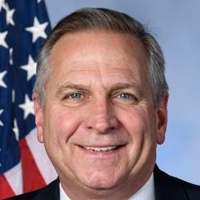
Mike Bost
Representative
IL
Mike Bost
Representative
IL
The "Fighting Trade Cheats Act of 2025" increases penalties for fraudulent and grossly negligent violations of U.S. customs laws, including banning violators and their affiliates from importing goods. It also allows private parties harmed by customs fraud to sue for damages and injunctive relief. The Act excludes those who commit fraud from participating in the importer of record program.
The "No Asylum for Criminals Act of 2025" makes anyone convicted of a felony or misdemeanor ineligible for asylum, with limited exceptions for certain political offenses.
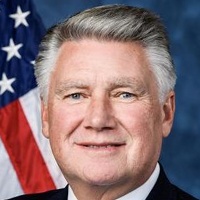
Mark Harris
Representative
NC
Mark Harris
Representative
NC
The "No Asylum for Criminals Act of 2025" amends asylum eligibility, denying it to anyone with a felony or misdemeanor conviction. A felony is defined as any crime defined as a felony by the relevant jurisdiction, or any crime punishable by more than one year of imprisonment, while a misdemeanor is any crime defined as a misdemeanor by the relevant jurisdiction, or any crime not punishable by more than one year of imprisonment. The Secretary of Homeland Security can create exceptions for certain political offenses committed outside the U.S.
The "Death Tax Repeal Act" eliminates estate and generation-skipping transfer taxes, adjusts gift tax calculations, and sets a $10,000,000 lifetime gift exemption.
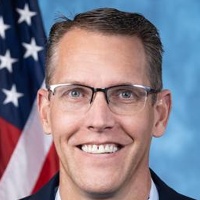
Randy Feenstra
Representative
IA
Randy Feenstra
Representative
IA
The "Death Tax Repeal Act" eliminates both estate and generation-skipping transfer taxes, effective from the date of enactment. It adjusts gift tax calculations by setting the lifetime gift exemption at $10,000,000, with inflation adjustments after 2011. The Act also includes transitional rules for applying certain sections of the Internal Revenue Code during the enactment year.
This resolution expresses Congressional opposition to imposing new performance fees or royalties on local radio stations and businesses for broadcasting or playing music.
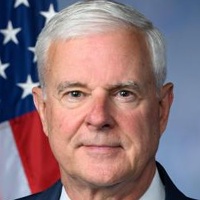
Steve Womack
Representative
AR
Steve Womack
Representative
AR
The Local Radio Freedom Act expresses Congressional opposition to imposing new performance fees, taxes, or royalties on local radio stations and businesses for playing music. It argues that the current system of free airplay provides essential promotional value to artists and that new fees would threaten the financial viability of local broadcasters and the vital community services they provide.