
Legislative Activity
Track Maxine's sponsored bills, co-sponsored legislation, and voting record
This resolution declares elective declawing of cats inhumane and urges states to prohibit the practice except when medically necessary.
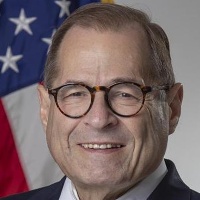
Jerrold Nadler
Representative
NY
Jerrold Nadler
Representative
NY
This resolution expresses strong opposition to elective declawing (onychectomy) of cats, deeming the procedure inhumane due to the lifelong pain and adverse behavioral effects it causes. It defines declawing broadly to include any procedure that disables a cat's claws and affirms that it should only be performed when medically necessary for the cat's health. The bill urges states to prohibit the practice on animal welfare and public health grounds, noting that humane alternatives exist.
This resolution recognizes the 15th anniversary of the 2011 Tucson shooting, honoring the victims, survivors, and the ongoing advocacy of Gabby Giffords.
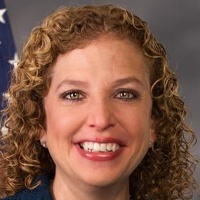
Debbie Wasserman Schultz
Representative
FL
Debbie Wasserman Schultz
Representative
FL
This resolution commemorates the 15th anniversary of the tragic January 8, 2011, Tucson shooting, honoring the six lives lost and the thirteen injured. It specifically commends the courage and ongoing advocacy of gun violence survivor and former Congresswoman Gabby Giffords. The resolution also recognizes the resilience of the community and reaffirms a commitment to ending political violence.
This bill mandates the removal of U.S. Armed Forces from hostilities within or against Venezuela unless explicitly authorized by Congress.
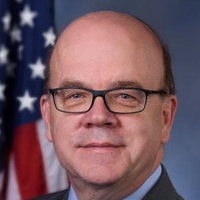
James McGovern
Representative
MA
James McGovern
Representative
MA
This bill mandates the President to immediately remove all United States Armed Forces from hostilities within or against Venezuela. This action is required unless Congress has specifically authorized the use of military force. The legislation aims to ensure that military engagement in Venezuela requires explicit Congressional approval.
This bill directs the President to withdraw U.S. Armed Forces from hostilities with presidentially designated terrorist organizations in the Western Hemisphere unless Congress authorizes the action.
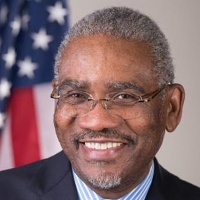
Gregory Meeks
Representative
NY
Gregory Meeks
Representative
NY
This bill directs the President to withdraw U.S. Armed Forces from hostilities involving designated terrorist organizations in the Western Hemisphere. Such withdrawal must occur unless Congress has explicitly authorized the military action through a declaration of war or a specific use of force authorization. The directive is issued under the authority of the War Powers Resolution.
The Public Health Air Quality Act of 2025 establishes comprehensive new monitoring, reporting, and data transparency requirements for industrial air toxics and ambient air quality across the nation.
Troy Carter
Representative
LA
Troy Carter
Representative
LA
The Public Health Air Quality Act of 2025 aims to significantly enhance air quality monitoring and public data access across the United States. It establishes new federal requirements for industrial facilities to monitor and report hazardous air pollutant emissions, including real-time fenceline data. The Act also mandates the deployment of hundreds of new, advanced air quality monitors in vulnerable communities to better assess compliance with National Ambient Air Quality Standards. Ultimately, this legislation seeks to use improved, publicly accessible data to protect public health from industrial air pollution.
This Act establishes a comprehensive federal strategy to combat rising antisemitism through policy statements, enhanced security grants, improved hate crime reporting, and specific mandates for educational institutions and federal agencies, while prohibiting the weaponization of antisemitism for partisan goals.
Jerrold Nadler
Representative
NY
Jerrold Nadler
Representative
NY
The Antisemitism Response and Prevention Act of 2025 aims to combat rising antisemitism through comprehensive federal action, emphasizing evidence-based strategies consistent with democratic values. The bill establishes new offices within the DOJ and FBI to coordinate counter-efforts and improve hate crime data collection. Furthermore, it mandates specific compliance and reporting requirements for colleges regarding civil rights and prohibits partisan conditions on nonprofit security grants.
This act strengthens survivor benefits for miners who died from black lung disease by creating new legal presumptions, restoring older disability definitions, and establishing a program to cover certain legal and medical costs.
Morgan McGarvey
Representative
KY
Morgan McGarvey
Representative
KY
The Relief for Survivors of Miners Act of 2025 strengthens survivor benefits for miners who died from black lung disease by creating stronger legal presumptions and restoring older disability definitions. The bill also establishes a new program to cover certain attorney fees and medical costs for protracted claims, paid initially by the Black Lung Disability Trust Fund. Finally, it mandates a Government Accountability Office review of interim benefit recoupment, payment sufficiency, and survivor claim regulations.
This bill reforms black lung benefits for coal miners, permanently establishes the Office of Workers' Compensation Programs, and updates dependent spouse definitions within the Black Lung Benefits Act.
Morgan McGarvey
Representative
KY
Morgan McGarvey
Representative
KY
The Black Lung Benefits Improvement Act of 2025 seeks to significantly reform and strengthen benefits for coal miners suffering from black lung disease by clarifying eligibility rules, improving access to medical evidence, and increasing financial support. The bill also permanently establishes the Office of Workers' Compensation Programs within the Department of Labor and modernizes various technical and definitional aspects of the Black Lung Benefits Act. Overall, this legislation aims to make securing benefits easier and faster for disabled miners and their families while increasing accountability for coal operators.
This act restricts senior government officials and their families from owning or trading specific investments, requiring divestment of existing holdings to restore public trust.
Seth Magaziner
Representative
RI
Seth Magaziner
Representative
RI
The Restore Trust in Government Act establishes strict new federal restrictions on senior government officials and their immediate families regarding the ownership and trading of specific financial investments. Covered individuals must divest existing investments that fall under the law's definition within a set timeframe, with limited exceptions. Violators face significant financial penalties, including a 10% fee on the investment value and disgorgement of any profits earned from prohibited transactions.
This act nullifies a recent Executive Order regarding federal labor relations and ensures existing collective bargaining agreements remain in effect.

Jared Golden
Representative
ME
Jared Golden
Representative
ME
The Protect America's Workforce Act nullifies a specific Executive Order issued in March 2025 concerning exclusions from federal labor-management relations programs. This legislation ensures that any existing collective bargaining agreements between federal agencies and employee unions remain fully in effect until their stated expiration dates. The Act also prohibits the use of federal funds to implement the overturned Executive Order.
This act increases the annual and aggregate loan limits for Federal Direct Unsubsidized Stafford Loans for graduate and professional students, effective July 1, 2026.
Timothy Kennedy
Representative
NY
Timothy Kennedy
Representative
NY
The Loan Equity for Advanced Professionals Act raises the federal student loan limits for graduate and professional students. Effective July 1, 2026, the annual borrowing limit for Federal Direct Unsubsidized Stafford Loans will increase to \$50,000, and the aggregate limit will rise to \$200,000. This aims to provide greater financial support for advanced degree candidates.
This resolution commends state and local governments for championing reproductive rights as human rights while condemning abortion restrictions and criminalization following the *Dobbs* decision.
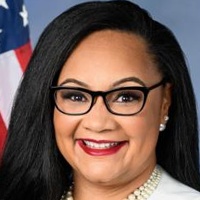
Nikema Williams
Representative
GA
Nikema Williams
Representative
GA
This concurrent resolution commends state and local governments for championing reproductive rights as human rights following the overturning of *Roe v. Wade*. It declares that denying abortion care leads to severe health risks and highlights the criminalization of pregnancy outcomes across the U.S. The resolution urges states to repeal abortion restrictions and affirm that reproductive rights are fundamental human rights.
This bill significantly increases civil penalties across various federal labor laws, strengthens enforcement for health plan compliance, establishes penalties for employer unfair labor practices, and treats certain recordkeeping failures as continuing violations.
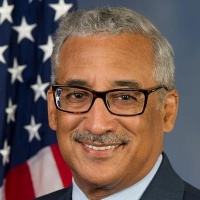
Robert Scott
Representative
VA
Robert Scott
Representative
VA
The Labor Enforcement to Securely Protect Workers (LETS Protect Workers) Act significantly increases civil penalties for violations across major federal labor laws, including child labor, wage and hour, and workplace safety standards. It strengthens enforcement mechanisms for mine safety violations and retaliation against miners, while also establishing new penalties for employer unfair labor practices under the National Labor Relations Act. Furthermore, the bill enhances enforcement for health plan parity and makes certain recordkeeping failures under OSHA and FLSA continuing violations.
The Right to Read Act of 2025 establishes definitions for effective school libraries and the right to read, amends federal education law to require state and local plans supporting these rights, authorizes funding for literacy programs, and mandates data collection on school libraries.
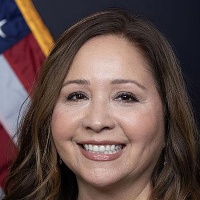
Adelita Grijalva
Representative
AZ
Adelita Grijalva
Representative
AZ
The Right to Read Act of 2025 amends federal education law to establish a comprehensive "right to read" for all students, ensuring access to evidence-based instruction, effective school libraries, and diverse reading materials. The bill defines key terms like "effective school library" and mandates that states and local agencies detail plans to support these resources and protect students' First Amendment rights regarding information access. Furthermore, it authorizes significant new funding to improve literacy programs, support school librarians, and mandates national data collection on school library resources.
The Dignity for Detained Immigrants Act establishes comprehensive standards, rigorous oversight, and new custody procedures to ensure humane treatment and due process for all noncitizens detained by the Department of Homeland Security, while phasing out for-profit detention facilities.

Pramila Jayapal
Representative
WA
Pramila Jayapal
Representative
WA
The Dignity for Detained Immigrants Act aims to overhaul immigration detention by establishing mandatory, high standards based on ABA guidelines and increasing transparency through rigorous, unannounced inspections. The bill prohibits the use of private, for-profit detention facilities within three years and ends the mandatory detention of most noncitizens, prioritizing release or community-based alternatives. Furthermore, it establishes new due process rights, including timely custody hearings, a presumption of release, and prohibitions on detaining children or using solitary confinement.
This bill repeals harmful provisions of a previous act, exempts unaccompanied children from various immigration fees, and restricts the use of their sponsor information for enforcement purposes.

Dan Goldman
Representative
NY
Dan Goldman
Representative
NY
The Upholding Protections for Unaccompanied Children Act of 2025 seeks to reverse harmful provisions affecting unaccompanied children. This bill eliminates various immigration-related fees for current and former unaccompanied children, including those for asylum and employment authorization. It also prohibits physically intrusive medical examinations and restricts the sharing of sponsor information with immigration enforcement agencies. Furthermore, the Act mandates the refunding of previously paid fees.
This act rescinds significant immigration enforcement funding while establishing multiple new tax credits aimed at increasing housing affordability for first-time buyers, builders of starter homes, and renters, alongside incentives for converting commercial buildings into affordable housing.
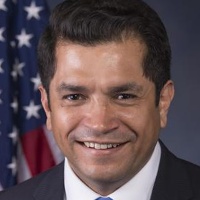
Jimmy Gomez
Representative
CA
Jimmy Gomez
Representative
CA
The Make Housing Affordable and Defend Democracy Act aims to increase housing accessibility through several tax incentives while simultaneously rescinding significant funding previously allocated for immigration enforcement. Key provisions establish new tax credits for first-time homebuyers, builders of starter homes, and the conversion of commercial buildings into affordable rentals. Additionally, the bill introduces a Renter Tax Credit for those spending over 30% of their income on rent, with an option for monthly advance payments.
This act prohibits individuals convicted of a misdemeanor hate crime or who received an enhanced sentence due to hate or bias from obtaining or possessing firearms.
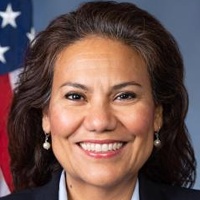
Veronica Escobar
Representative
TX
Veronica Escobar
Representative
TX
The Disarm Hate Act prohibits individuals convicted of a misdemeanor hate crime, or who received an enhanced sentence for a misdemeanor due to hate or bias, from obtaining or possessing firearms. This legislation specifically targets misdemeanor offenses involving threats or force motivated by bias against protected characteristics. The bill also makes it illegal for others to sell or transfer firearms to these prohibited persons.
This Act prohibits discrimination based on religion, sex, or marital status in federally funded child welfare services to improve outcomes for all children, especially LGBTQ youth.
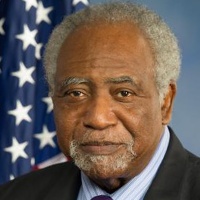
Danny Davis
Representative
IL
Danny Davis
Representative
IL
The John Lewis Every Child Deserves a Family Act prohibits discrimination based on religion, sex, or marital status in federally funded child welfare services. This aims to increase the number of stable, family-like placements for children, especially for LGBTQ youth who are overrepresented in foster care. The bill mandates federal guidance, training, and data collection to improve safety and well-being outcomes for all children involved in the system.
This resolution recognizes the epidemic of violence against transgender people, memorializes those lost this year, and calls for action to ensure their safety and dignity.
Pramila Jayapal
Representative
WA
Pramila Jayapal
Representative
WA
This resolution supports the goals of Transgender Day of Remembrance by recognizing the ongoing epidemic of violence targeting transgender people, particularly transgender women of color. It memorializes the lives lost this year and highlights the systemic barriers, including discrimination and lack of healthcare access, faced by the transgender community. The bill calls for urgent action from the government to protect these lives through inclusive legislation and policies that ensure dignity and respect for all individuals.