Legislative Activity
Track Maxine's sponsored bills, co-sponsored legislation, and voting record
This Act prohibits insurance companies from discriminating against living organ donors when issuing life, disability, or long-term care policies and mandates the updating of educational materials regarding donation risks and insurance implications.
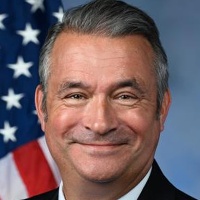
Don Bacon
Representative
NE
Don Bacon
Representative
NE
The Living Donor Protection Act of 2025 prohibits life, disability, and long-term care insurance companies from denying coverage or increasing premiums solely because an individual is a living organ donor. This legislation ensures that living donors are not financially penalized for their altruistic act. Additionally, the bill requires the Secretary of HHS to update educational materials to accurately reflect the insurance protections afforded to living donors.
This constitutional amendment prohibits immunity from criminal prosecution for federal officials based on their official duties and bars the President from self-pardoning.
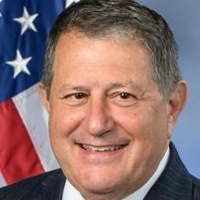
Joseph Morelle
Representative
NY
Joseph Morelle
Representative
NY
This proposed constitutional amendment would eliminate immunity from criminal prosecution for federal officials, including the President, based on their official duties. It also explicitly prohibits the President from issuing a self-pardon for any federal crimes. If ratified, these changes would take effect immediately.
This bill amends the Family and Medical Leave Act to explicitly qualify time taken for an employee's own organ donation surgery as a serious health condition.
Don Bacon
Representative
NE
Don Bacon
Representative
NE
This bill amends the Family and Medical Leave Act (FMLA) to explicitly clarify that time taken off for an employee's own organ donation surgery qualifies as a serious health condition. This ensures both private and federal sector workers receive FMLA protection for recovery from organ donation. The legislation also specifies how federal employees must substitute existing paid leave when taking FMLA time for this purpose.
The EACH Act of 2025 mandates that all federally funded health programs and facilities must cover and provide abortion services, while also prohibiting federal interference with private insurance coverage.
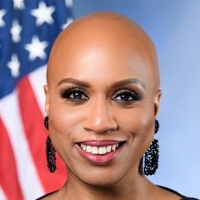
Ayanna Pressley
Representative
MA
Ayanna Pressley
Representative
MA
The EACH Act of 2025 aims to ensure equal access to abortion coverage by requiring all federally funded health programs and facilities to cover abortion services. This legislation prohibits federal interference with state or private insurance coverage of abortion and repeals Section 1303 of the Affordable Care Act. Ultimately, the bill seeks to eliminate financial and insurance barriers to abortion care, particularly for low-income individuals relying on programs like Medicaid.
This bill prohibits pharmaceutical companies from advertising prescription drugs directly to consumers if they have run any such advertisements within the preceding 30 days.
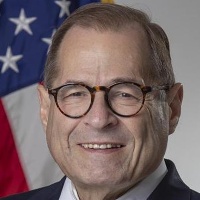
Jerrold Nadler
Representative
NY
Jerrold Nadler
Representative
NY
The End Prescription Drug Ads Now Act prohibits pharmaceutical companies from advertising prescription drugs directly to consumers. This ban applies to any direct-to-consumer advertising conducted within the preceding 30 days for that specific drug. The goal is to immediately stop the promotion of prescription medications to the general public upon the law's enactment.
The Innovate to Save Lives Act establishes a new 10% tax credit for small businesses conducting qualified research to mitigate threats from specified drugs like fentanyl and methamphetamine.
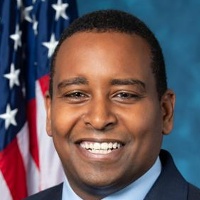
Joe Neguse
Representative
CO
Joe Neguse
Representative
CO
The Innovate to Save Lives Act creates a new 10% tax credit for small businesses conducting qualified research aimed at mitigating threats from specified drugs like fentanyl and methamphetamine. This incentive targets research focused on preventing the use of or treating the effects of these dangerous substances. The provision is designed to encourage private sector innovation in combating the ongoing drug crisis.
This bill places a temporary moratorium on the closure or restriction of access to National Oceanic and Atmospheric Administration (NOAA) facilities until 180 days after a required justification report is submitted to Congress.
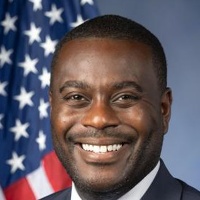
Gabe Amo
Representative
RI
Gabe Amo
Representative
RI
The Stop NOAA Closures Act places a temporary moratorium on the closure or restriction of access to any National Oceanic and Atmospheric Administration (NOAA) facilities. This freeze remains in effect until 180 days after key officials submit a required report to Congress detailing the criteria and process for any future facility changes. After the moratorium lifts, any major facility action will still require a 30-day advance notice and justification report to Congress, except in cases of immediate emergency threatening staff safety.
This Act prohibits the destruction of U.S. foreign aid supplies like food and medicine, mandating their delivery or donation to intended recipients before expiration to save lives and taxpayer dollars.
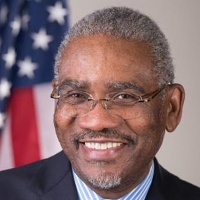
Gregory Meeks
Representative
NY
Gregory Meeks
Representative
NY
The Saving Lives and Taxpayer Dollars Act aims to ensure that U.S. foreign assistance commodities, such as food and medicine, are delivered to those in need rather than being destroyed. This legislation mandates that aid supplies must be distributed before they expire or spoil, thereby maximizing the humanitarian impact of U.S. aid. Furthermore, it establishes strict reporting requirements to track and prevent the waste of these vital resources. The bill highlights that effective foreign aid supports global health, strengthens the U.S. economy, and benefits American agriculture.
This bill restricts the use of federal law enforcement and military personnel for domestic crowd control, mandates clear identification, limits operations to federal property unless requested by state and local officials, and requires public reporting of deployments.
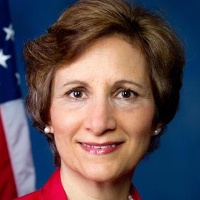
Suzanne Bonamici
Representative
OR
Suzanne Bonamici
Representative
OR
The Preventing Authoritarian Policing Tactics on America’s Streets Act establishes strict limitations on the deployment of federal law enforcement and military personnel for domestic crowd control. This bill mandates that all federal personnel involved in such situations must clearly display identifying information, such as their name and agency. Furthermore, it generally restricts their operations to federal property unless specific state and local requests are made or the Insurrection Act is invoked. Agencies must also publicly report details of any deployment within 24 hours.
This resolution urges Congress to prioritize the rapid and equitable development of solutions that address the unique health vulnerabilities of children facing extreme weather and poor air quality.
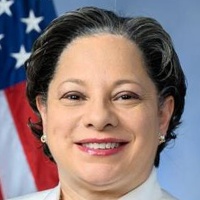
Jennifer McClellan
Representative
VA
Jennifer McClellan
Representative
VA
This resolution expresses the sense of Congress that extreme weather poses unique and severe threats to the health and well-being of children. It urges that solutions to address these escalating dangers must be rapidly and equitably developed and deployed with children's specific vulnerabilities in mind. The bill calls for prioritizing the physical and mental health needs of children in all future climate adaptation and air quality planning efforts.
This resolution declares the Trump administration's fossil fuel directives a health and safety emergency disproportionately harming children's fundamental rights by worsening climate change and suppressing climate science.

Janice Schakowsky
Representative
IL
Janice Schakowsky
Representative
IL
This resolution declares a health and safety emergency disproportionately affecting children due to prior administration directives that promoted fossil fuels and suppressed climate science. Congress asserts that these actions harm children's fundamental rights to life and a stable environment by worsening climate change impacts. The bill demands the current administration cease policies that increase greenhouse gases and restore access to suppressed climate research. Ultimately, it calls for aligning all energy and climate laws with the duty to protect the rights and future of young people.
This bill prohibits U.S. Immigration and Customs Enforcement (ICE) from using federal funds to detain or transport U.S. citizens during civil immigration enforcement activities.
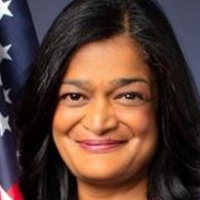
Pramila Jayapal
Representative
WA
Pramila Jayapal
Representative
WA
The Stop ICE from Kidnapping U.S. Citizens Act strictly prohibits U.S. Immigration and Customs Enforcement (ICE) from using any federal funds for civil immigration enforcement activities involving U.S. citizens. Specifically, this bill bans ICE from spending money to detain or transport any citizen of the United States. This measure ensures federal funds are not used to wrongfully target or remove American citizens.
This Act mandates federal standards requiring employers to implement comprehensive heat illness and injury prevention programs to protect workers from dangerous heat stress.
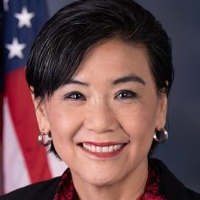
Judy Chu
Representative
CA
Judy Chu
Representative
CA
The Asunción Valdivia Heat Illness, Injury, and Fatality Prevention Act of 2025 mandates that employers protect workers from dangerous heat stress by establishing comprehensive safety standards. This Act requires the Secretary of Labor to create evidence-based rules covering engineering controls, administrative procedures, required training, and paid rest breaks to prevent heat-related illness. Furthermore, the law establishes strict enforcement mechanisms, whistleblower protections, and specific timelines for the implementation of these new federal heat protection standards.
This bill mandates the Attorney General to release nearly all unclassified Department of Justice records related to Jeffrey Epstein within 30 days, with limited exceptions for victim privacy or active investigations.
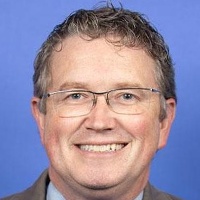
Thomas Massie
Representative
KY
Thomas Massie
Representative
KY
This bill, titled the Epstein Files Transparency Act, mandates the Attorney General to release nearly all unclassified Department of Justice records related to Jeffrey Epstein within 30 days of enactment. The legislation strictly limits the justifications for withholding or redacting documents, prohibiting secrecy based on political sensitivity or potential embarrassment. The only permissible redactions involve victim privacy, child sexual abuse material, or narrowly defined threats to active investigations or national security classifications. Upon completion, the Attorney General must submit a detailed report to Congress listing all released and withheld materials, including an unredacted list of all named government officials.
This act enables states to apply for federal waivers to create and implement their own comprehensive, budget-neutral universal healthcare systems.
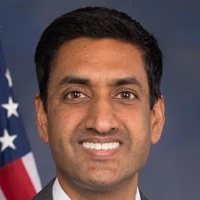
Ro Khanna
Representative
CA
Ro Khanna
Representative
CA
The State-Based Universal Health Care Act of 2025 empowers individual states to design and implement their own comprehensive universal health coverage systems. States can apply for a federal waiver to bypass most existing federal health insurance rules, including major parts of the ACA, Medicare, and Medicaid. In exchange for waiving federal funding, the federal government will transfer equivalent funds to the state, provided the state commits to covering at least 95% of its residents within five years and maintains budget neutrality for the federal government.
This bill authorizes the creation and sale of commemorative coins for the 2028 Los Angeles and 2034 Salt Lake City Olympic and Paralympic Games to help fund the events, with all surcharges going to the respective organizing committees after covering production costs.
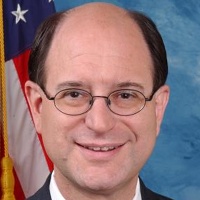
Brad Sherman
Representative
CA
Brad Sherman
Representative
CA
This Act authorizes the Secretary of the Treasury to mint and sell special commemorative coins for the 2028 Los Angeles Olympic and Paralympic Games and the 2034 Salt Lake City Winter Olympic and Paralympic Games. The coins will feature designs celebrating American athletes and the Games themselves. All surcharges collected from the sale of these coins will be directed to the respective organizing committees to help fund the events and related youth sports programs. The entire program must be conducted at no cost to the U.S. Government.
This resolution expresses support for designating July 10th as Journeyman Lineworkers Recognition Day to honor the dangerous and essential service provided by these workers, especially during crises.
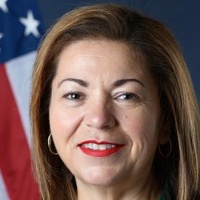
Linda Sánchez
Representative
CA
Linda Sánchez
Representative
CA
This resolution expresses support for designating July 10th as Journeyman Lineworkers Recognition Day. It honors the essential and dangerous work performed by these skilled professionals, especially their heroic efforts in restoring power after major disasters. The day serves to recognize their service and remember those who have lost their lives performing this vital work.
This resolution formally recognizes the significant and persistent wage gap disproportionately affecting Black women in the United States.
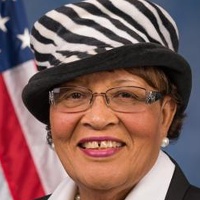
Alma Adams
Representative
NC
Alma Adams
Representative
NC
This resolution formally recognizes the significant and persistent wage disparity faced by Black women in the United States. It highlights that despite existing equal pay laws, Black women earn substantially less than their male counterparts, leading to massive lifetime earnings losses. Congress uses this measure to emphasize the urgent need to address both racial and gender discrimination to achieve true pay equity.
This bill prohibits executive branch personnel from using physical force or detention against a Member of Congress conducting official oversight activities on federally controlled property, provided the Member is not posing an immediate physical danger.
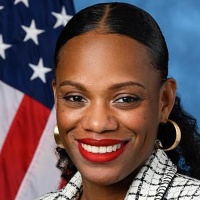
Summer Lee
Representative
PA
Summer Lee
Representative
PA
The Congressional Oversight Access Act prohibits federal employees from using physical force or detaining a Member of Congress who is conducting official oversight activities on federally controlled property. This protection applies when the Member identifies themselves and is not posing a clear and immediate physical danger. The Act ensures Congress can monitor federal operations while still respecting necessary security screenings.
This bill establishes a Special Envoy for Humanitarian Aid Workers to investigate incidents, improve coordination, and mandates the suspension of security aid to countries that unlawfully harm aid workers.

Chellie Pingree
Representative
ME
Chellie Pingree
Representative
ME
This bill establishes a new Special Envoy for Humanitarian Aid Workers within the State Department to investigate serious incidents involving U.S.-supported aid workers abroad. It mandates the suspension of security assistance to foreign countries that unlawfully kill or injure aid workers and refuse to cooperate with investigations. Furthermore, the bill creates an interagency group, led by the Envoy, to conduct detailed inquiries into every death or detention of an aid worker during an active mission.