Legislative Activity
Track Suzan's sponsored bills, co-sponsored legislation, and voting record
This bill extends and modifies various tax credits for energy production, efficiency improvements, and clean vehicle adoption to lower energy costs and support American energy leadership.
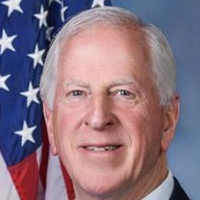
Mike Thompson
Representative
CA
Mike Thompson
Representative
CA
The American Energy Independence and Affordability Act is a comprehensive bill designed to lower energy costs by extending and adjusting key tax incentives across energy production, efficiency, and clean vehicle adoption. It stabilizes support for renewable energy manufacturing, extends deadlines for energy-efficient building credits, and ensures consumer incentives for electric vehicles remain available through 2032. Overall, the legislation aims to provide long-term certainty for energy investments and consumer adoption of cleaner technologies.
This resolution formally honors the extraordinary life, groundbreaking scientific contributions, and enduring global legacy of Dr. Jane Goodall.

Mike Quigley
Representative
IL
Mike Quigley
Representative
IL
This resolution formally honors the extraordinary life, leadership, and enduring legacy of Dr. Jane Goodall. It celebrates her groundbreaking scientific contributions to primatology and her tireless global advocacy for wildlife conservation and environmental education. The bill recognizes her founding of the Roots and Shoots program and extends sympathy to her family and colleagues.
This resolution expresses Congressional support for recognizing October 2025 as National Dyslexia Awareness Month to highlight the importance of early identification and support for individuals with dyslexia.
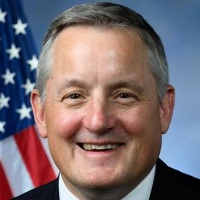
Bruce Westerman
Representative
AR
Bruce Westerman
Representative
AR
This resolution expresses the sense of Congress in support of recognizing October 2025 as National Dyslexia Awareness Month. It highlights dyslexia as the most common learning disability, often affecting smart individuals who struggle with reading due to sound processing issues. The bill emphasizes the critical need for early screening and diagnosis to ensure affected individuals receive the necessary support for academic success.
This act establishes an expedited 30-day approval process through the FDA for licensed blood centers seeking to add new apheresis collection devices at existing locations.
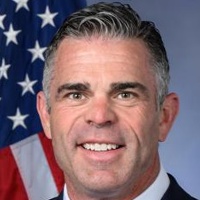
Tony Wied
Representative
WI
Tony Wied
Representative
WI
The BLOOD Centers Act establishes an expedited approval process through the FDA for licensed blood centers seeking to add new apheresis collection devices at existing locations. This fast-track system mandates a 30-day decision window for supplemental Biologics License Application (BLA) supplements, ensuring quicker deployment of new equipment. The goal is to streamline operations for established blood centers that meet high safety and quality standards.
This resolution expresses the House of Representatives' support for designating the second Monday in October 2025 as "Indigenous Peoples' Day" to honor the history, culture, and contributions of Indigenous Peoples.
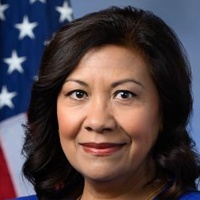
Norma Torres
Representative
CA
Norma Torres
Representative
CA
This resolution expresses the strong support of the House of Representatives for designating the second Monday in October 2025 as "Indigenous Peoples' Day." It aims to formally recognize and honor the history, culture, and enduring contributions of Indigenous Peoples in the United States. The measure encourages public observance and supports the eventual establishment of this day as an official Federal holiday.
The PAVE Act mandates that Medicare cover and require the verification and evaluation of reported penicillin allergies during seniors' initial and annual wellness visits to improve patient outcomes and antibiotic stewardship.
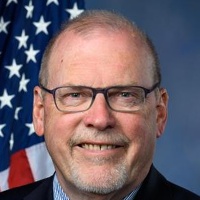
H. Griffith
Representative
VA
H. Griffith
Representative
VA
The Penicillin Allergy Verification and Evaluation (PAVE) Act addresses the widespread issue of inaccurate penicillin allergy labels, which often lead to poorer patient outcomes. This bill mandates that Medicare cover and require physicians to perform a formal penicillin allergy verification and evaluation for seniors during their initial and annual wellness visits. The goal is to correctly identify patients who can safely take penicillin, improving care and promoting responsible antibiotic stewardship.
This resolution expresses Congressional support for designating October 8, 2025, as "National Hydrogen and Fuel Cell Day" to promote awareness of this clean energy technology.

Jim Costa
Representative
CA
Jim Costa
Representative
CA
This resolution expresses the formal support of Congress for designating October 8, 2025, as "National Hydrogen and Fuel Cell Day." It serves as a non-binding statement recognizing the critical role of hydrogen and fuel cell technology in addressing energy, environmental, and economic challenges. The bill highlights the clean, efficient, and versatile applications of this technology across transportation and power generation. Ultimately, it encourages public awareness and continued American innovation in the hydrogen sector.
This act automatically reinstates Department of Energy financial assistance awards that were previously canceled based on the May 15, 2025 Secretarial Memorandum.
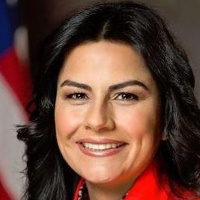
Nanette Barragán
Representative
CA
Nanette Barragán
Representative
CA
The Stop the Trump Electricity Price Hikes Act immediately reinstates financial assistance awards previously canceled by the Department of Energy (DOE). This action specifically reverses cancellations based on the May 15, 2025 Secretarial Memorandum. The bill ensures these awards continue as if they had never been terminated.
This resolution expresses support for recognizing October 2025 as Filipino American History Month to celebrate the rich history, culture, and significant contributions of Filipino Americans to the United States.
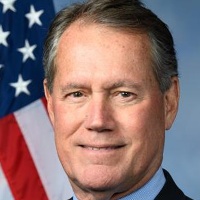
Ed Case
Representative
HI
Ed Case
Representative
HI
This resolution expresses strong support for recognizing October 2025 as Filipino American History Month. It celebrates the rich history, culture, and significant contributions of Filipino Americans across all sectors of U.S. society. The bill also calls for renewed efforts to study and educate the public about this vital, yet often overlooked, part of the American story.
This act expands physical therapists' participation in the National Health Service Corps loan repayment program and ensures Medicare coverage for their services at Rural Health Clinics and Federally Qualified Health Centers.

Diana DeGette
Representative
CO
Diana DeGette
Representative
CO
The Physical Therapist Workforce and Patient Access Act of 2025 aims to increase patient access to physical therapy, recognizing its importance in pain management and recovery. This bill integrates physical therapists into the National Health Service Corps, making them eligible for loan repayment in underserved areas. Furthermore, it mandates that Medicare Rural Health Clinics and Federally Qualified Health Centers cover physical therapy services starting in 2027.
This Act provides appropriations and mandates contract price adjustments to compensate federal contractor employees for losses incurred due to funding lapses or government shutdowns.
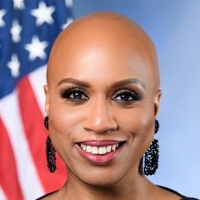
Ayanna Pressley
Representative
MA
Ayanna Pressley
Representative
MA
The Fair Pay for Federal Contractors Act of 2025 ensures that employees of federal contractors are compensated for losses incurred due to government funding lapses or shutdowns. It requires federal agencies to adjust existing contracts to cover reasonable costs associated with furloughs, pay cuts, or mandatory leave taken by contractor employees. The bill appropriates necessary funds to cover these contract price adjustments and mandates public reporting on the compensation provided.
This resolution expresses support for designating October 1, 2025, as "National Animal Rescue Day" to raise awareness, promote adoption, and encourage spaying and neutering efforts nationwide.
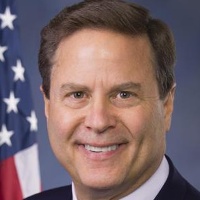
Donald Norcross
Representative
NJ
Donald Norcross
Representative
NJ
This resolution expresses support for designating October 1, 2025, as "National Animal Rescue Day." The goal is to raise awareness about the importance of animal adoption and the critical work of rescue organizations nationwide. This day aims to encourage spaying and neutering efforts to combat pet overpopulation and promote increased animal adoptions.
This Act prohibits most immigration enforcement activities within 1,000 feet of protected emergency response locations unless exigent circumstances exist.
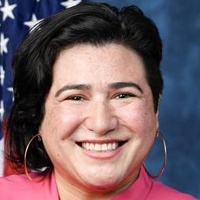
Emily Randall
Representative
WA
Emily Randall
Representative
WA
The Emergency Responder Protection Act establishes a 1,000-foot protected zone around emergency response locations, severely restricting immigration enforcement activities near disaster sites and aid centers. Immigration officers generally cannot conduct enforcement actions within this zone unless facing exigent circumstances, such as imminent risk of death or violence. The bill mandates strict operational rules, annual training for officers, and detailed reporting requirements to the DHS Inspector General and Congress regarding any enforcement actions taken near these protected areas. Violations of this rule may result in the termination of removal proceedings and the inadmissibility of evidence gathered.
This resolution expresses the House's support for World Contraception Day and outlines the importance of ensuring equitable, comprehensive, and affordable access to contraception both domestically and globally.
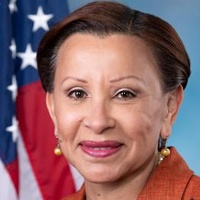
Nydia Velázquez
Representative
NY
Nydia Velázquez
Representative
NY
This resolution expresses the House of Representatives' strong support for recognizing "World Contraception Day" and emphasizes the critical importance of accessible and affordable contraception for public health, economic stability, and individual autonomy. It highlights existing disparities in access, particularly for marginalized communities, and calls for policy actions to ensure universal access to the full range of FDA-approved contraceptive methods. The bill ultimately advocates for strengthening federal programs that support family planning both domestically and globally.
This Act establishes federal grants to fund comprehensive, trauma-informed mental health services and support programs in schools for students facing significant challenges.
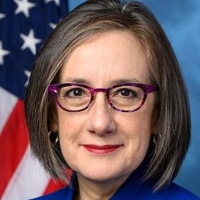
Andrea Salinas
Representative
OR
Andrea Salinas
Representative
OR
The Mental Health Services for Students Act of 2025 establishes a new federal program to provide comprehensive, trauma-informed mental health services and supports in schools through grants and contracts. These funds will support partnerships to implement awareness campaigns, staff training on trauma and suicide risk, and direct student and family treatment. The Secretary must ensure equitable distribution of funding, which is capped at \$2 million per award, with Congress authorized to appropriate \$300 million annually for the initial years.
The Safe Step Act mandates that group health plans using medication step therapy establish clear, timely exception processes for patients and doctors when required drugs are medically inappropriate or ineffective.
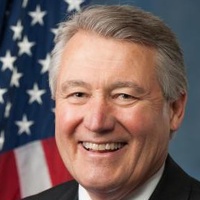
Rick Allen
Representative
GA
Rick Allen
Representative
GA
The Safe Step Act establishes mandatory, transparent exception processes for health plans that use "step therapy" protocols for prescription drugs. This ensures patients or their doctors can quickly request coverage for a prescribed medication when specific clinical criteria are met, such as previous treatment failure or risk of harm. Plans must decide on standard requests within 72 hours and urgent requests within 24 hours, and approved exceptions must last for at least one year. Furthermore, insurers must report detailed data annually on exception requests, approvals, and denials to the Secretary of Health and Human Services.
This resolution expresses support for designating a week in September 2025 to recognize the vital contributions of Asian American and Native American Pacific Islander-Serving Institutions in higher education.
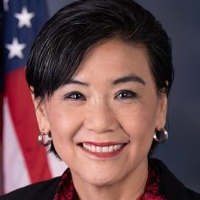
Judy Chu
Representative
CA
Judy Chu
Representative
CA
This resolution expresses strong support for recognizing September 22–28, 2025, as "Asian American and Native American Pacific Islander-Serving Institutions Week." It highlights the critical role these institutions play in educating a significant portion of AANAPISI students, many of whom are first-generation and low-income. The bill encourages national acknowledgment and support for the programs and achievements of these vital colleges and universities.
The America’s CHILDREN Act of 2025 establishes a path to permanent residency for certain long-term college graduates who entered the U.S. as dependents of work visa holders and updates age-out protections for dependent children.
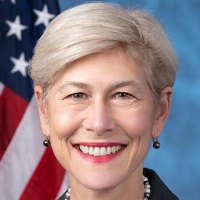
Deborah Ross
Representative
NC
Deborah Ross
Representative
NC
The America’s CHILDREN Act of 2025 establishes a new pathway to permanent residency for certain individuals who entered the U.S. as children, lived here legally for at least eight years as dependents of work visa holders, and subsequently earned a U.S. college degree. The bill also introduces significant "age-out" protections, allowing long-term dependents to retain their original priority dates for visa processing. Furthermore, it clarifies rules for derivative beneficiaries, potentially granting them work authorization in certain dependent statuses.
This House resolution strongly condemns all forms of political violence and demands an end to dehumanizing rhetoric against political opponents.

Marc Veasey
Representative
TX
Marc Veasey
Representative
TX
This House Resolution strongly condemns all forms of political violence and threats against elected officials and public figures, regardless of political affiliation. It affirms that disagreements must be resolved through peaceful and democratic means, not intimidation or force. The resolution urges law enforcement to prosecute those who commit or encourage such violence. Finally, it calls on all leaders to cease using dehumanizing rhetoric and promote civil discourse.
This Act mandates that most health insurance plans, Medicare Part D, Medicaid, and CHIP must cover specific, currently recommended vaccines without out-of-pocket costs for a limited time.

Frank Pallone
Representative
NJ
Frank Pallone
Representative
NJ
The Protecting Free Vaccines Act mandates that most private health insurance plans must cover specific vaccines recommended by the CDC's Advisory Committee on Immunization Practices (ACIP) without any out-of-pocket costs until January 1, 2030. This requirement also updates coverage rules for Medicare Part D, Medicaid, and CHIP to ensure continuity of coverage for these recommended immunizations. The bill locks in coverage based on the ACIP recommendations in place as of October 25, 2024, across various federal health programs.