Legislative Activity
Track Chris's sponsored bills, co-sponsored legislation, and voting record
This resolution seeks to nullify the Department of Education’s recent rule regarding the William D. Ford Federal Direct Loan Program.
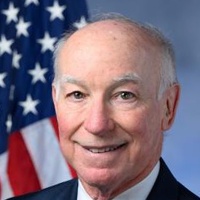
Joe Courtney
Representative
CT
Joe Courtney
Representative
CT
This resolution seeks to exercise congressional disapproval of the Department of Education’s recent rule regarding the William D. Ford Federal Direct Loan Program. If passed, the resolution would nullify the rule, rendering it without force or effect.
The RESTART Communities Act of 2026 establishes a partnership between the EDA and EPA to drive job creation and economic revitalization at environmentally contaminated sites.
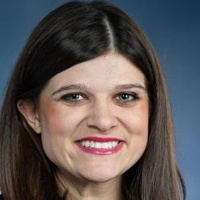
Haley Stevens
Representative
MI
Haley Stevens
Representative
MI
The RESTART Communities Act of 2026 establishes a formal partnership between the Economic Development Administration and the EPA to drive economic recovery at contaminated sites. This legislation streamlines federal support, technical assistance, and workforce development to help communities transform environmentally impacted areas into hubs for job creation and sustainable growth.
This bill mandates gender-neutral occupational standards across the U.S. Armed Forces and establishes new reporting requirements for military assignments and performance criteria.
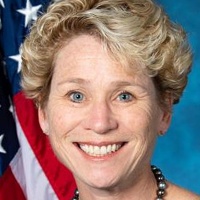
Chrissy Houlahan
Representative
PA
Chrissy Houlahan
Representative
PA
This bill mandates gender-neutral assignment standards across all branches of the U.S. Armed Forces, effective September 30, 2026. It requires that all occupational performance standards be based on scientifically rigorous, job-specific criteria rather than gender. Additionally, the legislation establishes new annual reporting requirements for Congress and mandates a formal review of ground combat unit effectiveness.
The Home Team Act of 2026 prohibits professional sports leagues from banning public ownership and requires franchise owners to offer their local community a fair opportunity to purchase the team before relocating or dissolving it.
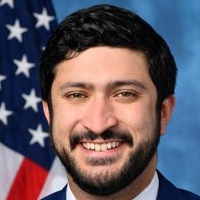
Gregorio Casar
Representative
TX
Gregorio Casar
Representative
TX
The Home Team Act of 2026 protects local communities by prohibiting professional sports leagues from banning public or government ownership of franchises. It requires team owners to provide their home community with a fair opportunity to purchase the franchise before it can be relocated or eliminated. Additionally, the bill mandates that any sale price be adjusted to account for public subsidies previously invested in the team's stadium.
The PREDICT Act prohibits federal officials and their associates from trading in prediction markets tied to political event outcomes.
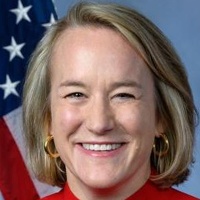
Nicole (Nikki) Budzinski
Representative
IL
Nicole (Nikki) Budzinski
Representative
IL
The PREDICT Act prohibits federal officials, including members of Congress, the President, and high-level executive and judicial employees, from trading in prediction markets tied to political events. The bill mandates financial penalties for violations, requires the disgorgement of any profits, and ensures public transparency by requiring ethics offices to disclose all assessed fines.
The Ultra-Millionaire Tax Act of 2026 establishes an annual federal wealth tax on individuals with a net worth exceeding $50 million while increasing funding for IRS enforcement and taxpayer services.
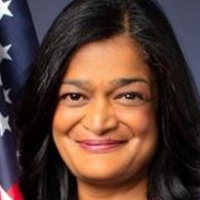
Pramila Jayapal
Representative
WA
Pramila Jayapal
Representative
WA
The Ultra-Millionaire Tax Act of 2026 proposes a new annual federal wealth tax on individuals with a net worth exceeding $50 million, with rates ranging from 2% to 3% based on total assets. The legislation includes robust enforcement measures, such as increased IRS funding and mandatory audit requirements, to ensure compliance among the ultra-wealthy. Additionally, it strengthens foreign asset disclosure requirements to prevent tax avoidance.
This act mandates that gas pipeline operators identify, report, and manage risks associated with aging, high-risk AldylA polyethylene piping to improve national pipeline safety.
Chrissy Houlahan
Representative
PA
Chrissy Houlahan
Representative
PA
The Preventing Future Vintage Plastic Pipeline Tragedies Act mandates that gas pipeline operators identify and report the presence of AldylA polyethylene piping, a historic material associated with safety risks. The bill also updates federal safety requirements to ensure states and operators prioritize the assessment and replacement of these aging plastic pipes alongside other high-risk materials.
The CLIMB Act prohibits federal agencies from penalizing businesses for providing services to state-legal cannabis companies and establishes a safe harbor for national securities exchanges to list and trade cannabis-related securities.
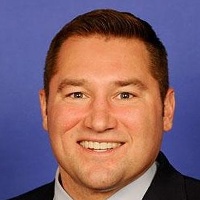
Guy Reschenthaler
Representative
PA
Guy Reschenthaler
Representative
PA
The Capital Lending and Investment for Marijuana Businesses (CLIMB) Act prohibits federal agencies from penalizing individuals or entities for providing essential business services to state-compliant cannabis companies. Additionally, the bill establishes a safe harbor for national securities exchanges and financial market participants to list and trade securities issued by these businesses. This legislation aims to integrate the cannabis industry into the broader financial system by removing federal barriers to investment and professional services.
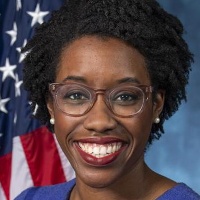
The Momnibus Act is a comprehensive legislative package designed to improve maternal health outcomes and reduce racial disparities by addressing social determinants, expanding nutritional and mental health support, diversifying the perinatal workforce, and investing in data-driven, community-based care.
Lauren Underwood
Representative
IL
Lauren Underwood
Representative
IL
The Momnibus Act is a comprehensive legislative package designed to end preventable maternal mortality and close racial and ethnic disparities in maternal health outcomes. By addressing social determinants of health, expanding nutritional and mental health support, and investing in a diverse, culturally competent workforce, the bill provides a holistic framework for improving care. Through targeted federal grants, enhanced data collection, and innovative technology, the Act aims to ensure that all pregnant and postpartum individuals receive the equitable, high-quality care they deserve.
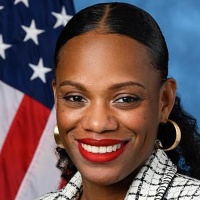
This resolution impeaches U.S. Attorney General Pamela Bondi for high crimes and misdemeanors, including the abuse of power, obstruction of justice, and the politicization of the Department of Justice.
Summer Lee
Representative
PA
Summer Lee
Representative
PA
This resolution initiates impeachment proceedings against U.S. Attorney General Pamela Bondi, charging her with high crimes and misdemeanors. The articles allege a pattern of abuse of power, including the unlawful withholding of subpoenaed Jeffrey Epstein files, the politicization of the Department of Justice, and the targeting of political opponents and journalists. Furthermore, the bill accuses Bondi of misleading Congress and the courts, violating her constitutional oath, and subverting the rule of law.
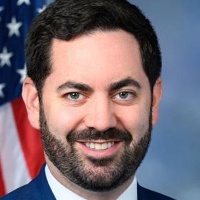
The Enhanced Iran Sanctions Act of 2025 mandates broad economic and immigration sanctions on foreign individuals, entities, and financial institutions that support Iran’s nuclear, missile, drone, or terrorist activities, while specifically targeting the country's petroleum and petrochemical sectors.
Michael Lawler
Representative
NY
Michael Lawler
Representative
NY
The Enhanced Iran Sanctions Act of 2025 strengthens U.S. policy by imposing mandatory sanctions on foreign persons and financial institutions that support Iran’s nuclear, ballistic missile, drone, and terrorist activities. The bill specifically targets Iran’s petroleum and petrochemical sectors to cut off funding for these malign programs. Additionally, it expands the State Department’s "Rewards for Justice" program to incentivize the reporting of individuals who evade these sanctions.
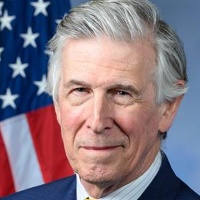
The Working Americans’ Tax Cut Act establishes a 25.5% maximum federal income tax rate for low- and middle-income earners while implementing a new progressive tax surcharge on high-income individuals.
Donald Beyer
Representative
VA
Donald Beyer
Representative
VA
The Working Americans’ Tax Cut Act aims to provide tax relief to low- and middle-income earners by capping their federal income tax at 25.5% for income exceeding a cost-of-living exemption. To offset this, the bill introduces a new graduated tax surcharge on high-income individuals earning over $1 million. These changes are set to take effect for taxable years beginning after December 31, 2025.
The Take Back Our Hospitals Act of 2026 prohibits Medicare payments to hospitals and skilled nursing facilities owned or controlled by private equity funds or real estate investment trusts.
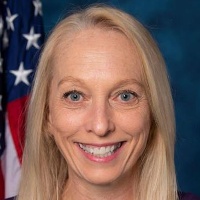
Mary Scanlon
Representative
PA
Mary Scanlon
Representative
PA
The Take Back Our Hospitals Act of 2026 prohibits Medicare payments to hospitals and skilled nursing facilities owned or controlled by private equity funds or real estate investment trusts. This legislation aims to reduce the influence of investment firms in healthcare by mandating divestiture or loss of federal funding. Existing facilities are granted a three-year transition period to comply with these new ownership restrictions.
This resolution directs the President to remove U.S. Armed Forces from unauthorized hostilities against Iran, pursuant to the War Powers Resolution.
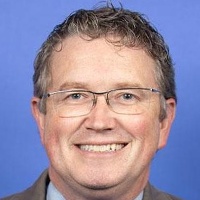
Thomas Massie
Representative
KY
Thomas Massie
Representative
KY
This resolution directs the President, under the authority of the War Powers Resolution, to immediately remove U.S. Armed Forces from unauthorized hostilities against the Islamic Republic of Iran. It asserts that military action must cease unless Congress has formally declared war or passed a specific authorization for the use of force. The bill explicitly states that it does not authorize new military action nor does it impede necessary self-defense against an immediate attack.
The PrEP Access and Coverage Act of 2026 mandates comprehensive, cost-free insurance coverage for HIV prevention services across public and private health plans while prohibiting discriminatory insurance practices and funding national education and outreach programs.
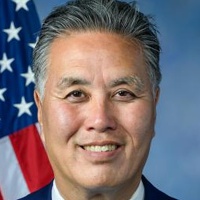
Mark Takano
Representative
CA
Mark Takano
Representative
CA
The PrEP Access and Coverage Act of 2026 mandates comprehensive, cost-free insurance coverage for HIV prevention services (PrEP and PEP) across private health plans, Medicare, Medicaid, TRICARE, and veteran health programs. The bill prohibits insurers from denying coverage or increasing premiums based on the use of HIV prevention medication and establishes robust patient confidentiality protections. Additionally, it authorizes national public health education campaigns and provides grant funding to expand access to prevention services for uninsured and underinsured populations.
This resolution urges the President to order U.S. flags flown at half-staff to honor the life and legacy of civil rights leader Reverend Jesse Jackson.
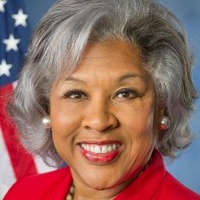
Joyce Beatty
Representative
OH
Joyce Beatty
Representative
OH
This resolution formally honors the life and enduring legacy of civil rights leader Reverend Jesse Louis Burns Jackson, Sr. It recognizes his significant contributions to the Civil Rights Movement, including his work with Dr. Martin Luther King, Jr. and his founding of Operation PUSH. The bill specifically urges the President to order that the U.S. flag be flown at half-staff in his memory.
The Direct File Act of 2026 establishes a permanent, free, government-owned online tax filing system within the IRS while prohibiting agreements that restrict the government from providing tax preparation services.
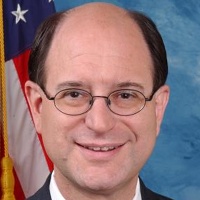
Brad Sherman
Representative
CA
Brad Sherman
Representative
CA
The Direct File Act of 2026 establishes a permanent, free, government-owned online tax filing system within the IRS, ensuring taxpayers have a simplified and accessible way to file their returns. The bill prohibits the Treasury from entering into agreements that restrict the government's ability to provide these services and mandates the integration of state tax filing options. Additionally, it streamlines the tax process by setting new filing deadlines for employer information returns to improve efficiency for all taxpayers.
This act renames Medicare Advantage to the Alternative Private Health Plan program and imposes a $\$100,000$ civil money penalty for advertising plans using the term "Medicare" in their title.
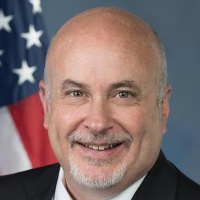
Mark Pocan
Representative
WI
Mark Pocan
Representative
WI
The Save Medicare Act renames the Medicare Advantage program to the "Alternative Private Health Plan program." It also establishes a significant civil money penalty of \$100,000 for any entity that advertises a Part C plan using the term "Medicare" in its title. The bill mandates an orderly transition to the new program name by October 15, 2023.
The Trade Adjustment Assistance Modernization Act expands and strengthens federal support, training, and financial aid for workers, firms, communities, and farmers negatively impacted by international trade.
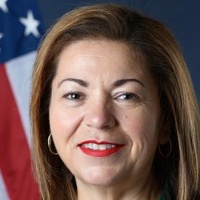
Linda Sánchez
Representative
CA
Linda Sánchez
Representative
CA
The Trade Adjustment Assistance Modernization Act strengthens and expands federal support for American workers, businesses, communities, and farmers negatively impacted by international trade. This legislation increases financial benefits, improves access to retraining and healthcare subsidies, and provides new economic development grants for distressed regions. By extending these programs through 2033, the bill ensures a more robust, long-term safety net for those navigating the challenges of a changing global economy.
This bill strengthens democracy by banning foreign spending in U.S. elections, increasing transparency for "dark money" in politics, and mandating clear disclosure of funders in political advertising.
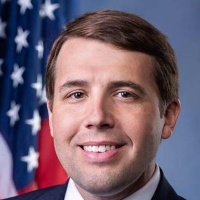
Chris Pappas
Representative
NH
Chris Pappas
Representative
NH
The Democracy Is Strengthened by Casting Light On Spending in Elections Act of 2026 aims to increase transparency and security in U.S. elections. It closes loopholes to ban foreign national spending in elections, mandates disclosure for "dark money" political spending, and requires clear funding disclosures on political ads. The bill also centralizes legal challenges to campaign finance laws in Washington, D.C., for faster resolution.