The PREDICT Act prohibits federal officials and their associates from trading in prediction markets tied to political event outcomes.
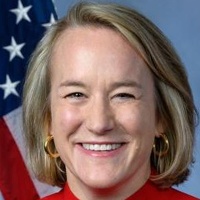
Nicole (Nikki) Budzinski
Representative
IL-13
The PREDICT Act prohibits federal officials, including members of Congress, the President, and high-level executive and judicial employees, from trading in prediction markets tied to political events. The bill mandates financial penalties for violations, requires the disgorgement of any profits, and ensures public transparency by requiring ethics offices to disclose all assessed fines.
PREDICT Act Bans Federal Officials from Betting on Election Outcomes: 10% Fines and Profit Forfeiture Set for Violators.
The PREDICT Act creates a hard line between governing and gambling by banning high-level federal officials from participating in prediction markets. Under this bill, 'covered individuals'—which includes everyone from the President and Members of Congress down to high-ranking military officers (O-7 and above) and senior executive staff—are prohibited from entering into any financial contracts where the payout depends on the outcome of a political event. This effectively shuts the door on officials using non-public information to bet on election results, legislative votes, or other policy shifts for personal gain. The restriction isn't just for the officials themselves; it extends to their spouses, dependent children, and any entities with a fiduciary duty to trade on their behalf.
Betting on the Ballot Box
To ensure these rules have teeth, the bill establishes a 'disgorgement' system for anyone caught breaking the rules. If a Senator or a high-level judicial officer makes a winning bet on a political outcome, they don't just lose the profit; they are hit with an additional fee equal to 10 percent of the total transaction value. These funds are then funneled directly into the U.S. Treasury (Section 2). For a busy professional watching from the sidelines, this means that the people making the laws can no longer treat those very laws like a sports book at a casino. It’s designed to eliminate the 'insider' edge that comes with knowing which way a committee vote is leaning before the public does.
No Taxpayer Bailouts for Bad Bets
One of the most direct provisions in the bill ensures that officials can't use their office accounts to cover their tracks. Section 2 explicitly forbids covered individuals from using the Members' Representational Allowance, campaign contributions, or any other federal funds to pay off their fines. The penalty must come out of their own pockets—specifically their government salary. This prevents a scenario where a politician uses donor money to pay for a fine incurred while trying to profit off their position. It’s a straightforward 'you break it, you buy it' policy that protects taxpayer and donor resources from being used as a safety net for unethical trading.
Radical Transparency in Real-Time
The PREDICT Act also mandates that the public gets a front-row seat to any ethics violations. Every supervising ethics office is required to maintain a public website that lists every fine assessed, the reason for the penalty, and whether the official actually paid up. By moving these disclosures from dusty filing cabinets to a searchable online format, the bill allows voters and watchdog groups to monitor compliance without needing a law degree. For the average person juggling a 9-to-5, this provides a clear, digital paper trail to hold leadership accountable, ensuring that 'transparency' is more than just a buzzword in the federal code.