Legislative Activity
Track Lloyd's sponsored bills, co-sponsored legislation, and voting record
The PrEP Access and Coverage Act of 2026 mandates comprehensive, cost-free insurance coverage for HIV prevention services across public and private health plans while prohibiting discriminatory insurance practices and funding national education and outreach programs.
Mark Takano
Representative
CA
Mark Takano
Representative
CA
The PrEP Access and Coverage Act of 2026 mandates comprehensive, cost-free insurance coverage for HIV prevention services (PrEP and PEP) across private health plans, Medicare, Medicaid, TRICARE, and veteran health programs. The bill prohibits insurers from denying coverage or increasing premiums based on the use of HIV prevention medication and establishes robust patient confidentiality protections. Additionally, it authorizes national public health education campaigns and provides grant funding to expand access to prevention services for uninsured and underinsured populations.
This act renames Medicare Advantage to the Alternative Private Health Plan program and imposes a $\$100,000$ civil money penalty for advertising plans using the term "Medicare" in their title.
Mark Pocan
Representative
WI
Mark Pocan
Representative
WI
The Save Medicare Act renames the Medicare Advantage program to the "Alternative Private Health Plan program." It also establishes a significant civil money penalty of \$100,000 for any entity that advertises a Part C plan using the term "Medicare" in its title. The bill mandates an orderly transition to the new program name by October 15, 2023.
The Direct File Act of 2026 establishes a permanent, free, government-owned online tax filing system within the IRS while prohibiting agreements that restrict the government from providing tax preparation services.
Brad Sherman
Representative
CA
Brad Sherman
Representative
CA
The Direct File Act of 2026 establishes a permanent, free, government-owned online tax filing system within the IRS, ensuring taxpayers have a simplified and accessible way to file their returns. The bill prohibits the Treasury from entering into agreements that restrict the government's ability to provide these services and mandates the integration of state tax filing options. Additionally, it streamlines the tax process by setting new filing deadlines for employer information returns to improve efficiency for all taxpayers.
This resolution honors the life, legacy, and enduring commitment to civil rights and equality of Reverend Jesse Louis Jackson, Sr.
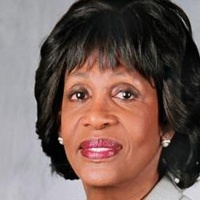
Maxine Waters
Representative
CA
Maxine Waters
Representative
CA
This resolution honors the life, leadership, and enduring legacy of Reverend Jesse Louis Jackson, Sr. It recognizes his pivotal role as a civil rights leader, his groundbreaking political campaigns, and his global advocacy for human rights and equality. The measure encourages all Americans to continue his work by moving forward with hope rather than fear and division.
This bill strengthens democracy by banning foreign spending in U.S. elections, increasing transparency for "dark money" in politics, and mandating clear disclosure of funders in political advertising.
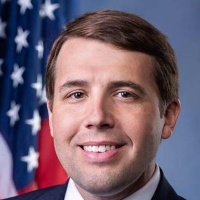
Chris Pappas
Representative
NH
Chris Pappas
Representative
NH
The Democracy Is Strengthened by Casting Light On Spending in Elections Act of 2026 aims to increase transparency and security in U.S. elections. It closes loopholes to ban foreign national spending in elections, mandates disclosure for "dark money" political spending, and requires clear funding disclosures on political ads. The bill also centralizes legal challenges to campaign finance laws in Washington, D.C., for faster resolution.
The Trade Adjustment Assistance Modernization Act expands and strengthens federal support, training, and financial aid for workers, firms, communities, and farmers negatively impacted by international trade.
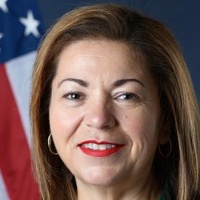
Linda Sánchez
Representative
CA
Linda Sánchez
Representative
CA
The Trade Adjustment Assistance Modernization Act strengthens and expands federal support for American workers, businesses, communities, and farmers negatively impacted by international trade. This legislation increases financial benefits, improves access to retraining and healthcare subsidies, and provides new economic development grants for distressed regions. By extending these programs through 2033, the bill ensures a more robust, long-term safety net for those navigating the challenges of a changing global economy.
This resolution demands the President, Treasury Secretary, and Homeland Security Secretary provide the House with documents related to the implementation and enforcement of the information-sharing agreement between Treasury and Homeland Security concerning nontax criminal enforcement.
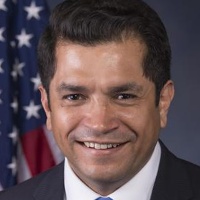
Jimmy Gomez
Representative
CA
Jimmy Gomez
Representative
CA
This resolution demands that the President, Treasury Secretary, and Homeland Security Secretary provide the House of Representatives with specific documents related to the "Memorandum of Understanding for the Exchange of Information for Nontax Criminal Enforcement." The request focuses on all communications and policies concerning the disclosure and handling of taxpayer return information between the two departments. The required information must be furnished within 14 days, subject to necessary legal redactions.
This act restricts the transfer of surplus military equipment from the Department of Defense to local law enforcement agencies by banning certain military gear and imposing strict new accountability and community notification requirements.
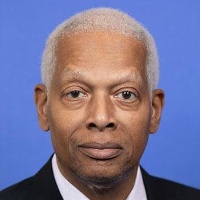
Henry Johnson
Representative
GA
Henry Johnson
Representative
GA
The Stop Militarizing Law Enforcement Act aims to significantly restrict the transfer of surplus military equipment from the Department of Defense to local law enforcement agencies. This bill bans the transfer of many military-grade items, such as armored vehicles and certain weapons, while imposing strict new public notification, local approval, and annual accountability requirements for any approved transfers. The legislation seeks to prevent the inappropriate militarization of police forces by increasing oversight and limiting access to combat-ready gear.
The African American History Act of 2026 authorizes the National Museum of African American History and Culture to develop and support educational programs, resources, and curricula to enhance the teaching of African American history nationwide.
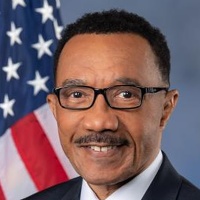
Kweisi Mfume
Representative
MD
Kweisi Mfume
Representative
MD
The African American History Act of 2026 authorizes the National Museum of African American History and Culture to develop and expand educational resources, curricula, and digital programming for students and educators nationwide. By providing $10 million in annual funding through 2030, the Act aims to promote a deeper understanding of African American history through a social justice and anti-bias lens. Additionally, the legislation encourages the development of similar educational initiatives across other Smithsonian museums dedicated to diverse American histories.
The Connect the Grid Act establishes a national transmission planning framework, expands federal authority over transmission permitting, brings ERCOT under FERC jurisdiction, and mandates reliability upgrades between regional grids.
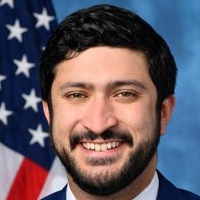
Gregorio Casar
Representative
TX
Gregorio Casar
Representative
TX
The Connect the Grid Act aims to modernize and expand the national electric transmission system through comprehensive planning, federal permitting authority for critical projects, and enhanced interregional coordination. It specifically brings the Texas grid (ERCOT) under greater federal oversight and mandates new reliability standards for interconnections with neighboring regions. The bill also increases funding for transmission infrastructure and promotes the use of domestic materials and labor standards.
This resolution demands the President and HHS Secretary provide Congress with documents related to the "Defend the Spend" freeze on child care payments to states, tribes, and territories.
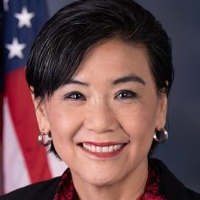
Judy Chu
Representative
CA
Judy Chu
Representative
CA
This resolution demands that the President and the Secretary of Health and Human Services provide the House of Representatives with specific documents. These documents must relate to the "Defend the Spend" freeze on child care payments distributed to states, tribes, and territories. The request seeks information regarding communications, payment delays, and contractual procedures surrounding these federal funds.
The Ceasefire Compliance Act of 2026 mandates that U.S. defense transfers to Israel be conditioned on verified compliance with ceasefire agreements, humanitarian aid access, and the protection of Palestinian civilians in Gaza and the West Bank.
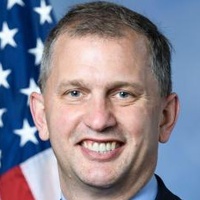
Sean Casten
Representative
IL
Sean Casten
Representative
IL
The Ceasefire Compliance Act of 2026 establishes U.S. policy to uphold the October 2025 ceasefire and peace plan in Gaza while prohibiting the transfer of U.S. defense articles to Israel for use in Gaza or the West Bank unless specific humanitarian and diplomatic conditions are met. The bill mandates regular reporting to Congress to certify Israel's compliance with these requirements and establishes an end-use monitoring group to track the deployment of U.S.-provided weapons. While restricting offensive arms transfers, the Act preserves U.S. support for Israeli missile defense systems and ongoing humanitarian aid to Gaza.
This act awards the Congressional Gold Medal to the Freedom House Ambulance Service in recognition of its pioneering role in developing the modern paramedic system and its contributions to emergency medical services.
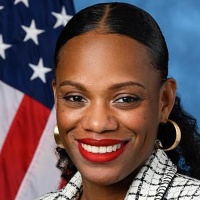
Summer Lee
Representative
PA
Summer Lee
Representative
PA
The Freedom House Ambulance Service Congressional Gold Medal Act honors the pioneering Pittsburgh-based service that established the model for modern emergency medical care. As the nation’s first paramedic program, Freedom House revolutionized life-saving techniques while providing vital job training to the Black community. This legislation awards a Congressional Gold Medal to the service to commemorate its enduring contributions to both medical innovation and civil rights.
This bill establishes an annual cap of 400,000 H-2A temporary agricultural worker visas, with an exception for positions filled by union-represented workers.
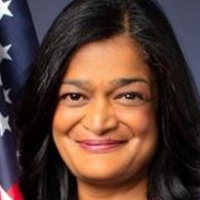
Pramila Jayapal
Representative
WA
Pramila Jayapal
Representative
WA
The U.S. Farmworker Protection Act aims to address the rapid growth of the H-2A agricultural guestworker program, which Congress finds threatens U.S. farmworker wages and employment. This bill establishes an annual cap of 400,000 H-2A worker certifications per fiscal year. However, any positions filled by workers represented by a certified bargaining representative (union) will not count toward this annual limit.
This Act mandates automatic spending reductions for Department of Defense components that fail to achieve a clean financial audit opinion after fiscal year 2025.
Mark Pocan
Representative
WI
Mark Pocan
Representative
WI
The Audit the Pentagon Act of 2026 addresses the Department of Defense's repeated failure to pass a financial audit. This bill establishes automatic spending reductions for any DoD component that fails to receive a clean audit opinion after fiscal year 2025. It also outlines Congressional priorities regarding protecting wounded warrior accounts and maintaining financial controls for classified programs.
The Healthy Families Act establishes a national standard requiring most employers to provide employees with earned paid sick leave for personal or family health needs and related safety issues.

Rosa DeLauro
Representative
CT
Rosa DeLauro
Representative
CT
The Healthy Families Act establishes a national standard requiring most employers to provide employees with earned paid sick leave. Employees will accrue a minimum of one hour of paid time for every 30 hours worked, usable for personal or family health needs, domestic violence, sexual assault, or stalking. The Act prohibits employer retaliation for using this leave and ensures existing, more generous leave policies are not diminished.
This bill establishes a comprehensive Transgender Bill of Rights to codify and protect the rights of transgender and nonbinary people across healthcare, employment, legal recognition, and safety.
Pramila Jayapal
Representative
WA
Pramila Jayapal
Representative
WA
This resolution establishes a comprehensive Transgender Bill of Rights to codify and protect the rights of transgender and nonbinary people across the United States. It mandates federal action to ensure equal access to healthcare, employment, housing, legal recognition, and safety. The bill aims to eliminate discrimination and affirm bodily autonomy by amending existing federal civil rights laws.
This resolution demands the President provide the House with documents regarding the Department of Government Efficiency's access to and use of Social Security Administration personal data, including NUMIDENT.
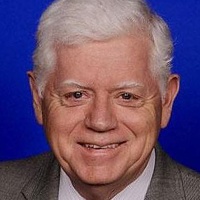
John Larson
Representative
CT
John Larson
Representative
CT
This resolution of inquiry demands the President provide the House of Representatives with specific documents related to the Department of Government Efficiency's (DOGE) access to and use of Social Security Administration data, including NUMIDENT. The request focuses on communications concerning the sharing of personally identifiable information with external groups, the Department of Homeland Security, and any potential violations of court orders. The House requires these materials within 14 days of the resolution's adoption.
This act establishes a national policy and authorizes funding to accelerate innovation in Lyme disease care, diagnostics, and public awareness through prize competitions.
Christopher Smith
Representative
NJ
Christopher Smith
Representative
NJ
The LymeX Authorization Act establishes a national policy to advance Lyme disease care through collaboration and innovation across various sectors. It directs efforts to foster breakthroughs in health education, public awareness, and the development of rapid, next-generation diagnostics. The bill also authorizes $5 million for prize competitions aimed at accelerating innovation in Lyme disease prevention, diagnosis, and treatment.
The BRAVE Burma Act modifies sanctions reporting requirements and directs the U.S. to oppose increases to Burma's IMF shareholding while the State Administration Council is in power.
Bill Huizenga
Representative
MI
Bill Huizenga
Representative
MI
The BRAVE Burma Act aims to increase accountability for the military regime in Burma through enhanced sanctions reporting. It requires the President to assess Burmese state-owned enterprises and entities involved in the jet fuel sector for potential sanctions. Furthermore, the Act directs the U.S. to oppose increases to Burma's shareholding in the International Monetary Fund while the State Administration Council is in power.