
Legislative Activity
Track Byron's sponsored bills, co-sponsored legislation, and voting record
The Asylum Accountability Act permanently bars individuals who fail to appear at removal proceedings from ever adjusting their immigration status to lawful permanent resident.
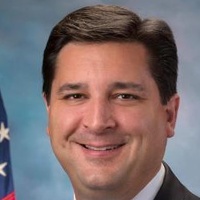
David Rouzer
Representative
NC
David Rouzer
Representative
NC
The Asylum Accountability Act amends the Immigration and Nationality Act to impose permanent ineligibility for adjustment of status for individuals who fail to appear at their removal proceedings. This legislation removes the current 10-year limitation, ensuring that those who do not comply with court requirements remain permanently ineligible for lawful permanent resident status.
The Estate Tax Rate Reduction Act establishes a flat 20 percent federal tax rate for estates, gifts, and generation-skipping transfers effective January 1, 2025.
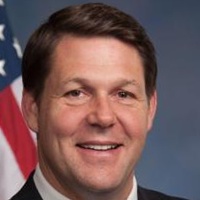
Jodey Arrington
Representative
TX
Jodey Arrington
Representative
TX
The Estate Tax Rate Reduction Act simplifies federal tax policy by establishing a flat 20 percent tax rate for estates, gifts, and generation-skipping transfers. This legislation replaces existing graduated rate structures and applies to all applicable transfers made after December 31, 2024.
This bill proposes a constitutional amendment to permanently set the number of Supreme Court justices at nine, requiring ratification by three-fourths of the states within seven years.

Dusty Johnson
Representative
SD
Dusty Johnson
Representative
SD
This bill proposes a constitutional amendment to fix the number of Supreme Court justices at nine. For this amendment to be valid, three-fourths of the state legislatures must ratify it within seven years of its submission.
The Reining In Federal Licensing Enforcement (RIFLE) Act of 2025 reforms federal firearms licensing by establishing graduated penalty structures, enhancing due process protections for dealers, and limiting the Attorney General's authority in enforcement and revocation proceedings.
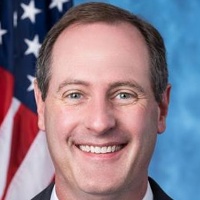
Tracey Mann
Representative
KS
Tracey Mann
Representative
KS
The Reining In Federal Licensing Enforcement (RIFLE) Act of 2025 reforms the federal firearms licensing system by establishing a graduated penalty structure that distinguishes between unintentional and willful violations. The bill mandates increased procedural protections for licensees, including expanded notice requirements, opportunities to cure violations, and the right to formal administrative hearings and judicial review. Additionally, it sets stricter standards for proving "willful" violations, provides a 90-day window for inventory liquidation upon license termination, and requires the Attorney General to establish formal, public standards for inspections and enforcement actions.
This resolution formally supports the "Day of Tears" by encouraging the lowering of U.S. flags to half-staff annually on January 22nd to memorialize the unborn.
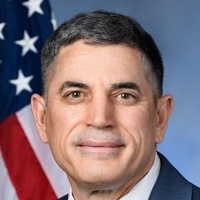
Andrew Clyde
Representative
GA
Andrew Clyde
Representative
GA
This resolution formally expresses the House of Representatives' support for the "Day of Tears" to mourn the estimated 62 million unborn lives lost since 1973. It encourages the lowering of United States flags to half-staff on January 22nd each year to honor these lives. Furthermore, the resolution urges state legislatures to pass laws affirming the sanctity of life and improving abortion data collection.
The SHARKED Act of 2025 establishes a task force and funds research to address conflicts between sharks and fishing operations through enhanced dialogue and non-lethal deterrent strategies.

Robert Wittman
Representative
VA
Robert Wittman
Representative
VA
The SHARKED Act of 2025 establishes a Shark Task Force to address conflicts between sharks and fishing operations, known as shark depredation. This group will coordinate research and develop strategies, including non-lethal deterrents, to minimize harmful interactions. The bill also authorizes dedicated funding for new research projects focused on understanding and mitigating shark depredation issues.
The Birthright Citizenship Act of 2025 limits automatic birthright citizenship to children born in the U.S. to at least one parent who is a U.S. citizen, a lawful permanent resident, or an alien serving in the U.S. armed forces.
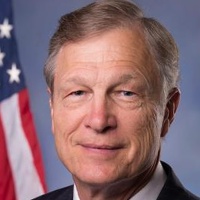
Brian Babin
Representative
TX
Brian Babin
Representative
TX
The Birthright Citizenship Act of 2025 proposes to limit automatic birthright citizenship to children born in the United States who have at least one parent who is a U.S. citizen, a lawful permanent resident, or an alien serving in the U.S. armed forces. This legislation would exclude children born to parents without legal status or those on temporary visas from receiving automatic citizenship. These changes would apply only to individuals born on or after the date of the Act's enactment.
Sarah’s Law mandates the detention of noncitizens charged with crimes resulting in death or serious bodily injury and requires the Department of Homeland Security to provide timely updates to victims or their families.
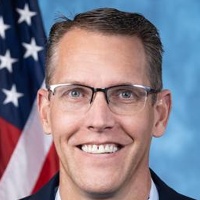
Randy Feenstra
Representative
IA
Randy Feenstra
Representative
IA
Sarah’s Law mandates the detention of noncitizens who are charged with or convicted of crimes resulting in death or serious bodily injury. The bill also requires the Department of Homeland Security to issue detainers for these individuals and provide victims or their families with timely, ongoing updates regarding the offender's immigration and custody status.
This bill mandates the destruction of existing firearm transaction records from closed businesses and prohibits the ATF from collecting such records in the future.
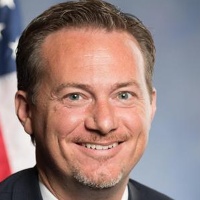
Michael Cloud
Representative
TX
Michael Cloud
Representative
TX
The "No Retaining Every Gun In a System That Restricts Your Rights Act" mandates the destruction of all firearm transaction records currently held by the ATF from discontinued businesses. Furthermore, it amends federal law to prohibit the future collection and transfer of these records to the government when a firearms business ceases operations. The bill also requires the ATF to submit a formal report to Congress confirming the number of records destroyed.
The Federal Agency Sunset Commission Act of 2025 establishes a bipartisan commission to systematically review, evaluate, and periodically abolish federal agencies unless they are explicitly reauthorized by Congress.
Michael Cloud
Representative
TX
Michael Cloud
Representative
TX
The Federal Agency Sunset Commission Act of 2025 establishes a bipartisan commission tasked with systematically reviewing federal agencies to determine their efficiency and necessity. Under this act, agencies will be subject to periodic review and automatic abolishment unless Congress passes legislation to reauthorize them. The commission is empowered to recommend the consolidation, reorganization, or termination of agencies to improve government efficiency and reduce redundancy.
The Red Snapper Act of 2025 prohibits the Secretary of Commerce from closing South Atlantic bottom fishing areas until the Great Red Snapper Count study is completed and integrated into official stock assessments.
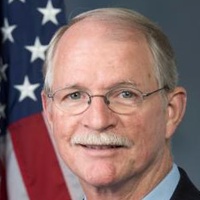
John Rutherford
Representative
FL
John Rutherford
Representative
FL
The Red Snapper Act of 2025 prohibits the Secretary of Commerce from closing South Atlantic fishing areas until the "Great Red Snapper Count" study is completed and its data is integrated into official stock assessments. This legislation aims to protect the regional economy and recreational fishing industry by ensuring management decisions are based on the most current and accurate scientific data.
The SHOW UP Act of 2025 mandates that executive agencies revert to pre-pandemic telework policies and requires rigorous certification before any future expansion of remote work.

James Comer
Representative
KY
James Comer
Representative
KY
The SHOW UP Act of 2025 requires executive agencies to revert their telework policies to pre-pandemic levels by December 31, 2019. Any future expansion of telework must be supported by a comprehensive impact study and certified by the Office of Personnel Management to ensure it improves mission performance and reduces agency costs.
The No Tax on Tips Act provides a federal income tax deduction of up to $25,000 for qualified cash tips and extends the FICA tax credit for employer-paid tips to include beauty service establishments.

Vern Buchanan
Representative
FL
Vern Buchanan
Representative
FL
The "No Tax on Tips Act" proposes a federal tax deduction of up to $25,000 per year for cash tips received by workers in traditionally tipped occupations. Additionally, the bill expands the existing tax credit for employer-paid Social Security taxes on tips to include beauty service establishments. These changes are designed to provide tax relief for service workers and support businesses where tipping is customary.
Affirms states' rights to defend against invasion, citing the influx of cartels and criminal elements across the southern border and criticizing the Biden administration's border security policies.
Jodey Arrington
Representative
TX
Jodey Arrington
Representative
TX
This bill asserts the constitutional right of states to defend themselves against invasion, citing the situation at the southern border from 2021-2024 as an invasion by cartels, terrorists, and criminal elements. It criticizes the Biden administration's border policies and claims the federal government failed to protect southern border states, thus empowering states to take defensive action.
This bill mandates the implementation of the Migrant Protection Protocols, requiring the Secretary of Homeland Security to return qualifying noncitizens arriving from contiguous countries to Mexico or Canada during their immigration proceedings.
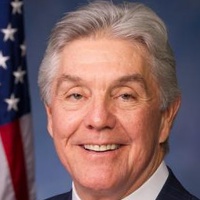
Roger Williams
Representative
TX
Roger Williams
Representative
TX
The Make the Migrant Protection Protocols Mandatory Act of 2025 amends the Immigration and Nationality Act to require, rather than permit, the return of certain noncitizens to Mexico or Canada while their immigration proceedings are pending. This legislation removes discretionary authority from the Department of Homeland Security, effectively mandating the implementation of the "Remain in Mexico" policy.
This bill authorizes the presentation of a Congressional Gold Medal to Muhammad Ali in recognition of his extraordinary athletic achievements and humanitarian contributions to the United States.

André Carson
Representative
IN
André Carson
Representative
IN
The Muhammad Ali Congressional Gold Medal Act authorizes the presentation of a Congressional Gold Medal to Muhammad Ali in recognition of his extraordinary athletic achievements and lifelong humanitarian contributions. The bill directs the Secretary of the Treasury to design and strike the medal for presentation to his wife, Lonnie Ali, and authorizes the production and sale of bronze duplicates.
This bill expands the security-related grounds for inadmissibility to the United States and restricts the government's authority to grant waivers for individuals involved in espionage, illegal exports, or activities aimed at undermining the U.S. government.

Ben Cline
Representative
VA
Ben Cline
Representative
VA
The Protecting America From Spies Act strengthens national security by expanding the grounds for which foreign nationals can be deemed inadmissible to the United States. It targets individuals involved in espionage, illegal technology exports, or activities aimed at undermining the U.S. government. Additionally, the bill restricts the government's authority to grant waivers for these security-related offenses, ensuring stricter enforcement of immigration entry requirements.
The Honor Inauguration Day Act mandates that the United States flag be flown at full staff on every presidential Inauguration Day.

Mónica De La Cruz
Representative
TX
Mónica De La Cruz
Representative
TX
The Honor Inauguration Day Act mandates that the United States flag be flown at full staff on every presidential Inauguration Day. This legislation ensures that the flag remains at its highest peak to celebrate the democratic process and the expression of the people's will, regardless of any conflicting display regulations.
The Legal Workforce Act mandates that all U.S. employers use a phased-in electronic verification system to confirm the employment eligibility of all new and existing employees.
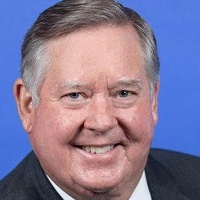
Ken Calvert
Representative
CA
Ken Calvert
Representative
CA
The Legal Workforce Act mandates that all U.S. employers use a new, electronic verification system to confirm the work eligibility of every new hire. This legislation replaces the existing E-Verify program with a phased-in, mandatory process that requires employers to verify both identity and work authorization for all employees. Additionally, the bill increases penalties for hiring unauthorized workers, establishes new fraud prevention measures, and preempts state laws to create a uniform national employment verification policy.
The REMAIN in Mexico Act of 2025 mandates the implementation of the Migrant Protection Protocols, requiring asylum seekers to wait in Mexico while their claims are processed.
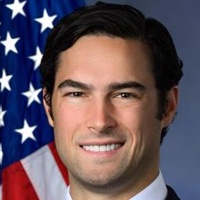
Brandon Gill
Representative
TX
Brandon Gill
Representative
TX
The REMAIN in Mexico Act of 2025 mandates that the Secretary of Homeland Security reinstate the Migrant Protection Protocols (MPP). This legislation requires that asylum seekers be returned to Mexico to await their U.S. immigration proceedings, effectively codifying the 2019 policy guidance into law.