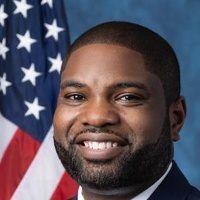
Legislative Activity
Track Byron's sponsored bills, co-sponsored legislation, and voting record
The Prison Rape Prevention Act of 2025 mandates that the Bureau of Prisons house and transport inmates based on biological sex and prohibits the use of federal funds for gender-related medical treatments.
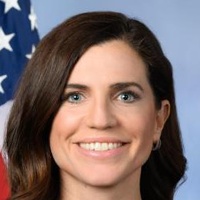
Nancy Mace
Representative
SC
Nancy Mace
Representative
SC
The Prison Rape Prevention Act of 2025 mandates that the Bureau of Prisons house and transport inmates exclusively according to their biological sex. Additionally, the bill prohibits the Bureau from providing or funding gender-related medical treatments for prisoners.
This bill directs the Department of Education to consider the International Holocaust Remembrance Alliance's definition of antisemitism when evaluating discrimination complaints under Title VI of the Civil Rights Act of 1964, while also protecting First Amendment rights.

Michael Lawler
Representative
NY
Michael Lawler
Representative
NY
The Antisemitism Awareness Act of 2025 requires the Department of Education to consider the International Holocaust Remembrance Alliance's definition of antisemitism when evaluating discrimination complaints under Title VI of the Civil Rights Act of 1964, concerning race, color, and national origin. This aims to address rising antisemitism in educational settings. The Act clarifies that it does not expand the Department of Education's authority, change existing discrimination standards, reduce existing rights, or infringe upon First Amendment rights.
Mandates the prompt release of immigration status information to state officials for voter eligibility verification.
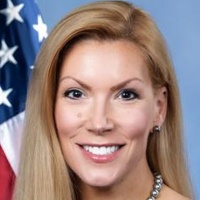
Beth Van Duyne
Representative
TX
Beth Van Duyne
Representative
TX
The "Voter Eligibility Verification Act of 2025" aims to ensure accurate voter rolls by requiring the prompt release of immigration status information to state officials. The Attorney General or Secretary of State must receive an individual's immigration status within 15 days of requesting it, including for potential voters. This will allow states to verify the eligibility of individuals for voter registration.
The PATROL Act prevents the federal government from using the Rivers and Harbors Act of 1899 to legally challenge state-led efforts to construct physical border barriers.
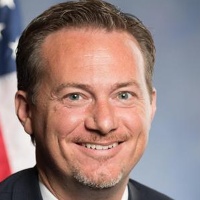
Michael Cloud
Representative
TX
Michael Cloud
Representative
TX
The PATROL Act (Preventing Aliens Through Rivers or Land Act) prohibits the federal government from using the Rivers and Harbors Act of 1899 to legally challenge states that construct physical barriers along their international borders. This legislation aims to protect state-led border security initiatives, such as walls, fences, or floating buoys, from federal civil lawsuits.
The Dismantle DEI Act of 2025 immediately rescinds federal diversity, equity, and inclusion (DEI) mandates across executive offices, contracting, grants, and education, while banning related training and imposing penalties for non-compliance.
Michael Cloud
Representative
TX
Michael Cloud
Representative
TX
The Dismantle DEI Act of 2025 aims to immediately rescind diversity, equity, and inclusion (DEI) mandates across the federal government, including shutting down related offices and banning specific ideological training for federal personnel and contractors. The bill prohibits the use of federal funds for DEI activities by grant recipients and mandates that federal advisory committees cease all such practices or face termination. Furthermore, it establishes strong enforcement mechanisms, allowing individuals to sue violators and seek financial penalties for non-compliance.
This bill establishes a federal standard requiring pasteurized orange juice to contain at least 10.0 percent orange juice soluble solids by weight.
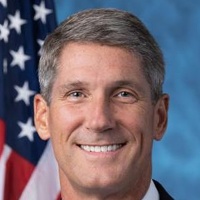
C. Franklin
Representative
FL
C. Franklin
Representative
FL
The Defending Domestic Orange Juice Production Act of 2025 establishes a federal quality standard requiring pasteurized orange juice to contain at least 10.0 percent orange juice soluble solids by weight. This measure ensures product consistency by excluding added sweeteners from the calculation of these solids.
This bill mandates a comprehensive Department of Defense report assessing the national security impacts and recovered technology from the Chinese high-altitude surveillance balloon downed in February 2023.
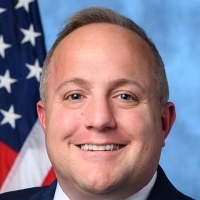
Russell Fry
Representative
SC
Russell Fry
Representative
SC
The Chinese Spy Balloon Assessment Act mandates that the Secretary of Defense submit a comprehensive report to Congress regarding the national security implications of the Chinese surveillance balloon downed in February 2023. This report must detail the impact on U.S. military installations and provide an analysis of the recovered technology and its origins.
This bill prohibits state and local governments from imposing special taxes, insurance requirements, or user fees as a condition for the ownership, manufacture, or transfer of firearms and ammunition.
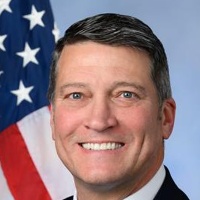
Ronny Jackson
Representative
TX
Ronny Jackson
Representative
TX
The "No User Fees for Gun Owners Act" prohibits state and local governments from imposing special taxes, insurance requirements, or user fees as a condition for owning, manufacturing, or transferring firearms and ammunition. The bill ensures that firearms are only subject to standard, generally applicable sales taxes, preventing discriminatory financial barriers to gun ownership.
This bill proposes a constitutional amendment to prohibit non-citizens from voting in any federal, state, tribal, or local election in the United States, granting Congress the power to enforce this amendment.
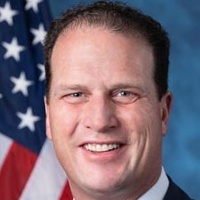
August Pfluger
Representative
TX
August Pfluger
Representative
TX
This bill proposes a constitutional amendment to prohibit non-citizens from voting in any federal, state, tribal, or local election in the United States. It grants Congress the authority to enforce this amendment. For the amendment to be valid, it must be ratified by three-fourths of the state legislatures within seven years of its submission.
This bill directs the Secretary of State to designate specific Mexican drug cartels as foreign terrorist organizations and requires a formal report on their eligibility for such a designation.
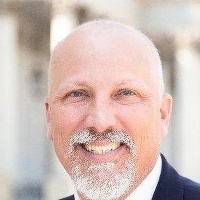
Chip Roy
Representative
TX
Chip Roy
Representative
TX
The Drug Cartel Terrorist Designation Act directs the Secretary of State to designate four major Mexican drug cartels as foreign terrorist organizations. The bill mandates a comprehensive report to Congress evaluating these groups against federal terrorism criteria and requires the designation of any additional cartels that meet these standards. It also clarifies that these designations do not expand asylum eligibility for individuals.
The Disaster Assistance Fairness Act expands federal disaster relief eligibility to cover debris removal and essential repairs for residential common interest communities, condominiums, housing cooperatives, and manufactured housing communities.
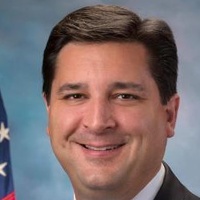
David Rouzer
Representative
NC
David Rouzer
Representative
NC
The Disaster Assistance Fairness Act amends the Stafford Act to ensure that residential common interest communities—including condominiums, housing cooperatives, and manufactured housing communities—can access federal disaster relief. The bill authorizes federal assistance for debris removal on private community property and allows for the repair of essential shared infrastructure following a major disaster.
The Educational Choice for Children Act of 2025 establishes federal tax credits for contributions to scholarship-granting organizations, providing lower- and middle-income families with financial support for K–12 educational expenses.
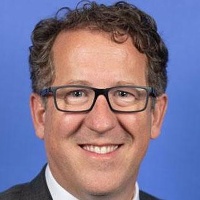
Adrian Smith
Representative
NE
Adrian Smith
Representative
NE
The Educational Choice for Children Act of 2025 establishes federal tax credits for individuals and corporations that contribute to scholarship-granting organizations. These organizations provide K–12 education scholarships to students from lower- and middle-income households to cover tuition, tutoring, and other qualified educational expenses. The bill also protects the autonomy of participating schools and scholarship organizations from government interference while ensuring that scholarship funds remain tax-free for recipient families.
This bill prohibits state and local jurisdictions from employing non-U.S. citizens to administer federal elections.
August Pfluger
Representative
TX
August Pfluger
Representative
TX
The "No Foreign Persons Administering Our Elections Act" prohibits state and local jurisdictions from hiring non-U.S. citizens to administer federal elections. This legislation ensures that only U.S. citizens are responsible for the management and oversight of the federal electoral process.
The Defund the CFPB Act proposes eliminating all federal funding for the Bureau of Consumer Financial Protection.
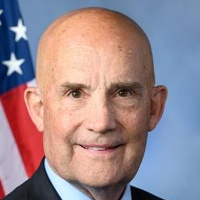
Keith Self
Representative
TX
Keith Self
Representative
TX
The "Defund the CFPB Act" proposes eliminating all federal funding for the Bureau of Consumer Financial Protection. By capping the agency's budget at $0, the bill effectively seeks to terminate the Bureau's financial operations and its ability to function as established under the Consumer Financial Protection Act of 2010.
The Educational Choice for Children Act of 2025 establishes a federal tax credit for donations to scholarship-granting organizations to help families fund K-12 educational expenses, including private school tuition and homeschooling costs.
Adrian Smith
Representative
NE
Adrian Smith
Representative
NE
The Educational Choice for Children Act of 2025 establishes a federal tax credit for donations to scholarship-granting organizations, which provide financial assistance for K-12 educational expenses. This initiative aims to expand school choice by helping eligible families cover costs such as tuition, tutoring, and educational therapies. The bill also includes robust protections to ensure the autonomy of participating private and religious schools and the freedom of parents to direct their children's education.
The Abundant American Resources Act of 2025 mandates federal agencies to conduct comprehensive studies assessing the economic value of mineral resources located on restricted onshore and offshore federal lands.
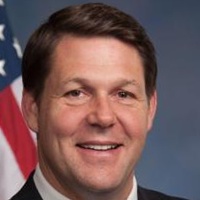
Jodey Arrington
Representative
TX
Jodey Arrington
Representative
TX
The Abundant American Resources Act of 2025 mandates that federal agencies conduct comprehensive studies to determine the economic value of mineral, oil, and natural gas deposits located within restricted onshore and offshore federal lands. These assessments aim to quantify the potential resources currently held in areas such as national monuments and protected environmental zones. The findings must be completed within three years of the bill's enactment.
The Stop Illegal Reentry Act increases criminal penalties and establishes mandatory minimum prison sentences for aliens who reenter the United States after being previously removed or denied admission.
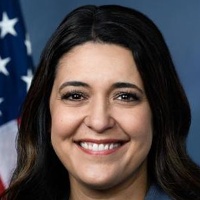
Stephanie Bice
Representative
OK
Stephanie Bice
Representative
OK
The Stop Illegal Reentry Act amends the Immigration and Nationality Act to increase criminal penalties for individuals who reenter the United States after being previously denied admission, excluded, or removed. The bill establishes tiered sentencing guidelines, including mandatory minimums for repeat offenders and those with prior aggravated felony convictions. These measures aim to strengthen enforcement against illegal reentry through more severe fines and extended prison terms.
This bill amends the Internal Revenue Code to require taxpayers to provide valid, work-authorized Social Security numbers for themselves and their qualifying children to claim the Child Tax Credit and Earned Income Tax Credit.
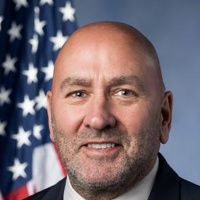
Clay Higgins
Representative
LA
Clay Higgins
Representative
LA
The Safeguarding American Workers’ Benefits Act updates eligibility requirements for the Child Tax Credit and the Earned Income Tax Credit. It mandates that taxpayers and qualifying children provide a valid Social Security number—issued to a U.S. citizen or work-authorized noncitizen—before the tax return due date to claim these benefits. These changes are set to take effect for tax years beginning after December 31, 2025.
This bill prohibits states from accepting or utilizing private funding, donations, or services for the administration of federal elections, with a limited exception for the use of donated polling space.
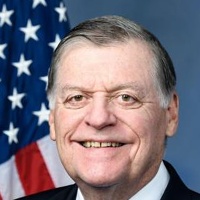
Tom Cole
Representative
OK
Tom Cole
Representative
OK
The Protect American Election Administration Act of 2025 prohibits state and local governments from accepting or spending private donations to fund the administration of federal elections, including voter outreach and registration activities. While it provides a limited exception for the donation of physical polling space, the bill mandates that all other election-related costs be covered by public funds. This legislation aims to ensure election integrity by enforcing these restrictions through the Help America Vote Act.
The Families’ Rights and Responsibilities Act establishes the fundamental right of parents to direct the upbringing, education, and healthcare of their children, requiring the government to meet the highest standard of judicial scrutiny before interfering with those rights.
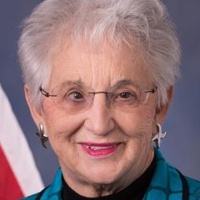
Virginia Foxx
Representative
NC
Virginia Foxx
Representative
NC
The Families’ Rights and Responsibilities Act establishes the fundamental right of parents to direct the upbringing, education, and health care of their children. It mandates that the government cannot substantially burden these rights without a compelling interest and requires the use of the "strict scrutiny" legal standard in such cases. Additionally, the bill provides parents with the legal standing to challenge government interference in court and allows for the recovery of attorney's fees if they prevail.