
Legislative Activity
Track Jasmine's sponsored bills, co-sponsored legislation, and voting record
This bill strengthens democracy by banning foreign spending in U.S. elections, increasing transparency for "dark money" in politics, and mandating clear disclosure of funders in political advertising.
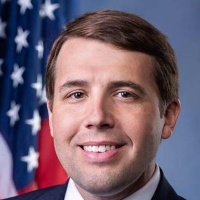
Chris Pappas
Representative
NH
Chris Pappas
Representative
NH
The Democracy Is Strengthened by Casting Light On Spending in Elections Act of 2026 aims to increase transparency and security in U.S. elections. It closes loopholes to ban foreign national spending in elections, mandates disclosure for "dark money" political spending, and requires clear funding disclosures on political ads. The bill also centralizes legal challenges to campaign finance laws in Washington, D.C., for faster resolution.
The African American History Act of 2026 authorizes the National Museum of African American History and Culture to develop and support educational programs, resources, and curricula to enhance the teaching of African American history nationwide.
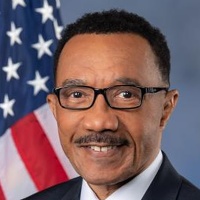
Kweisi Mfume
Representative
MD
Kweisi Mfume
Representative
MD
The African American History Act of 2026 authorizes the National Museum of African American History and Culture to develop and expand educational resources, curricula, and digital programming for students and educators nationwide. By providing $10 million in annual funding through 2030, the Act aims to promote a deeper understanding of African American history through a social justice and anti-bias lens. Additionally, the legislation encourages the development of similar educational initiatives across other Smithsonian museums dedicated to diverse American histories.
The RELIEF Act mandates the refunding of certain tariffs collected by U.S. Customs and Border Protection under the International Emergency Economic Powers Act starting January 1, 2025.
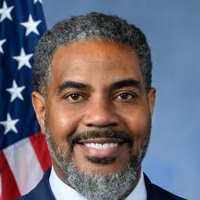
Steven Horsford
Representative
NV
Steven Horsford
Representative
NV
The RELIEF Act establishes a mandatory refund process for certain tariffs collected by U.S. Customs and Border Protection starting January 1, 2025, specifically those imposed under the International Emergency Economic Powers Act. This legislation requires the Commissioner of Customs and Border Protection to automatically issue refunds to importers within 90 days of enactment. Importers will receive these refunds without needing to file an application or protest.
The Connect the Grid Act establishes a national transmission planning framework, expands federal authority over transmission permitting, brings ERCOT under FERC jurisdiction, and mandates reliability upgrades between regional grids.
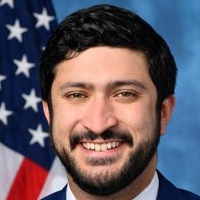
Gregorio Casar
Representative
TX
Gregorio Casar
Representative
TX
The Connect the Grid Act aims to modernize and expand the national electric transmission system through comprehensive planning, federal permitting authority for critical projects, and enhanced interregional coordination. It specifically brings the Texas grid (ERCOT) under greater federal oversight and mandates new reliability standards for interconnections with neighboring regions. The bill also increases funding for transmission infrastructure and promotes the use of domestic materials and labor standards.
The Healthy Hair Act prohibits the use of formaldehyde in hair straightening and smoothing products and mandates an FDA study on the associated health risks.
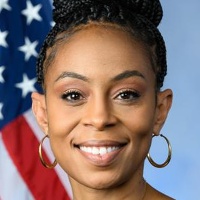
Shontel Brown
Representative
OH
Shontel Brown
Representative
OH
The Healthy Hair Act prohibits the sale of hair straightening and smoothing products that contain formaldehyde or formaldehyde-releasing substances. Additionally, the bill mandates that the FDA and NIOSH conduct comprehensive studies on the health impacts of these chemicals, particularly for salon workers, to inform future regulatory actions.
This resolution designates Black History Month 2026, honors the contributions of Black Americans through the "Unsung Souls" and "Righteous Intercessors" recognitions, and affirms the importance of a complete national narrative.
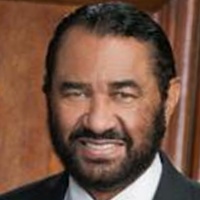
Al Green
Representative
TX
Al Green
Representative
TX
This resolution officially recognizes Black History Month and adopts "A Century of Black History Commemorations" as the theme for 2026. It honors the contributions of Black Americans by establishing categories for "Unsung Souls" and "Righteous Intercessors." Ultimately, the bill affirms that Black history commemorations are essential for a complete national narrative and inspiring future progress toward liberty and justice for all.
The Military Family Diaper Partnership Act establishes a federal fund to provide diapers and essential supplies to military families in need through a partnership with the National Diaper Bank Network.
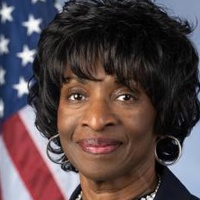
Valerie Foushee
Representative
NC
Valerie Foushee
Representative
NC
The Military Family Diaper Partnership Act establishes a federal fund to provide diapers and essential supplies to military families in need. Through a partnership with the National Diaper Bank Network, the Department of Defense will provide $1 million annually from 2027 to 2030, which must be matched by non-federal contributions. These resources will be distributed through local diaper banks located near military installations to support service members and their families.
The RELIEF Act mandates that U.S. Customs and Border Protection automatically refund all tariffs collected under the International Emergency Economic Powers Act since January 1, 2025.
Steven Horsford
Representative
NV
Steven Horsford
Representative
NV
The RELIEF Act mandates that U.S. Customs and Border Protection refund all tariffs collected under the International Emergency Economic Powers Act since January 1, 2025. These refunds will be processed automatically for importers of record without the need for a formal application or protest. The agency is required to complete all disbursements within 90 days of the bill's enactment.
This Act establishes federal best practices and mandates local educational agencies to develop guidance on secure firearm storage and suicide prevention for students and the community.

Dan Goldman
Representative
NY
Dan Goldman
Representative
NY
The Secure Firearm Storage and Suicide Prevention Act of 2026 aims to reduce firearm-related injuries and suicides, particularly among youth. It directs the Secretary of Education to develop national best practices for secure firearm storage and suicide prevention education. Local educational agencies must then create and distribute tailored guidance incorporating these federal standards to students and parents annually.
This bill exempts specific less-than-lethal projectile devices from federal firearm restrictions, excise taxes, and National Firearms Act regulations to promote de-escalation innovation in law enforcement.
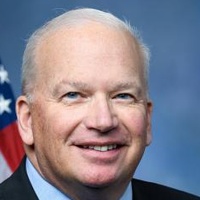
Scott Fitzgerald
Representative
WI
Scott Fitzgerald
Representative
WI
The Law-Enforcement Innovate to De-Escalate Act aims to promote de-escalation by exempting specific, clearly defined less-than-lethal projectile devices from federal firearm restrictions and excise taxes. This legislation provides a formal process for determining which devices qualify for these exemptions under both federal law and the National Firearms Act. The bill also modernizes tax regulations by exempting qualifying less-than-lethal devices and their ammunition from federal excise taxes.
This Act prohibits the discharge of plastic pellets and pre-production plastic materials into U.S. waters from industrial facilities through EPA regulations and permitting requirements.
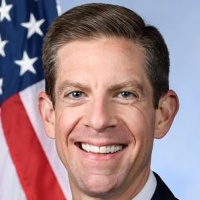
Mike Levin
Representative
CA
Mike Levin
Representative
CA
The Plastic Pellet Free Waters Act prohibits the discharge of plastic pellets and other pre-production plastic materials into U.S. waters from industrial facilities. This requires the EPA to swiftly issue a rule banning these discharges from facilities involved in the manufacturing, use, packaging, or transport of these plastics. The prohibition will be enforced through existing permitting and regulatory systems under the Federal Water Pollution Control Act.
The Healthy Families Act establishes a national standard requiring most employers to provide employees with earned paid sick leave for personal or family health needs and related safety issues.

Rosa DeLauro
Representative
CT
Rosa DeLauro
Representative
CT
The Healthy Families Act establishes a national standard requiring most employers to provide employees with earned paid sick leave. Employees will accrue a minimum of one hour of paid time for every 30 hours worked, usable for personal or family health needs, domestic violence, sexual assault, or stalking. The Act prohibits employer retaliation for using this leave and ensures existing, more generous leave policies are not diminished.
This act brings firearms under the regulatory authority of the Consumer Product Safety Commission by removing their exclusion from the definition of a "consumer product."
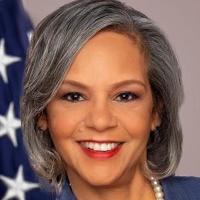
Robin Kelly
Representative
IL
Robin Kelly
Representative
IL
The Firearm Safety Act of 2025 removes the existing exclusion for firearms under the Consumer Product Safety Act. This action subjects firearms to regulation by the Consumer Product Safety Commission (CPSC) as consumer products.
This bill imposes an immediate freeze on all hiring and transfers within U.S. Immigration and Customs Enforcement (ICE) until Congress passes a new law explicitly superseding this measure.

Lizzie Fletcher
Representative
TX
Lizzie Fletcher
Representative
TX
This bill immediately halts all hiring and transfers of personnel to U.S. Immigration and Customs Enforcement (ICE) using federal funds. The hiring freeze will remain in effect until Congress passes and enacts a new law specifically designed to supersede this provision.
This bill mandates a Congressional Budget Office study on the long-term economic and societal impacts of immigration policies implemented starting in 2025.
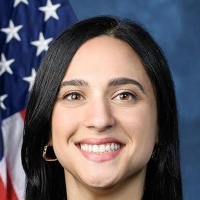
Yassamin Ansari
Representative
AZ
Yassamin Ansari
Representative
AZ
This act mandates the Congressional Budget Office, in collaboration with the Council of Economic Advisers, to conduct a comprehensive study on the long-term economic impacts of potential mass deportation policies enacted after January 20, 2025. The study will analyze effects on industries, public safety, GDP, tax revenue, and more over a 20 to 40-year period. Relevant federal agencies are required to provide necessary data to complete this analysis.
The Drain ICE Act of 2026 seeks to repeal specific sections of a previous law and rescind related funding, citing concerns over the Trump Administration's immigration enforcement practices, detention conditions, and resource allocation.
Yassamin Ansari
Representative
AZ
Yassamin Ansari
Representative
AZ
The Drain ICE Act of 2026 aims to fundamentally reform immigration enforcement by repealing specific sections of a prior law (Public Law 11921) and rescinding associated funding. This legislation is introduced in response to Congressional findings detailing concerns over mass deportation policies, inhumane detention conditions, and the detention of non-criminal individuals under the Trump Administration. The bill seeks to end practices deemed contrary to constitutional protections and human rights in immigration enforcement.
This Act establishes minimum humane standards for ICE detention facilities, mandates public reporting and real-time health tracking systems, and strengthens oversight to ensure detainee welfare.
Yassamin Ansari
Representative
AZ
Yassamin Ansari
Representative
AZ
The Stop Inhumane Conditions in ICE Detention Act of 2026 mandates minimum health, safety, and legal standards for all ICE detention facilities, prohibiting funding for non-compliant sites. It establishes rigorous, real-time health reporting systems and requires unannounced inspections with penalties, including contract termination, for facilities that fail to meet these standards. Furthermore, the bill creates anonymous complaint channels and mandates annual audits focusing on gender-related health protections.
The Rebuild America’s Schools Act of 2026 establishes federal grant and bond programs to provide billions of dollars for the long-term improvement, modernization, and repair of public school facilities, prioritizing health, safety, and environmental conditions in high-need districts.
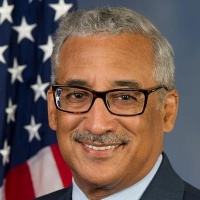
Robert Scott
Representative
VA
Robert Scott
Representative
VA
The **Rebuild America’s Schools Act of 2026** establishes major federal funding streams, including grants and tax-credit bonds, to modernize and repair public school facilities nationwide from 2027 through 2031. The legislation prioritizes districts with the greatest need, focusing on improving student health, safety, and environmental conditions in school buildings. It also mandates increased transparency through public databases tracking facility conditions and requires specific labor and "Buy America" standards for funded construction projects.
This act establishes uniform procedures to prevent the loss, destruction, or expiration of residual supplies from U.S. foreign aid projects.
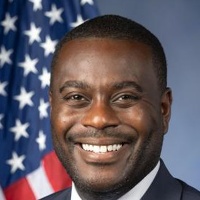
Gabe Amo
Representative
RI
Gabe Amo
Representative
RI
This bill, the SUPPLIES Act, mandates the Department of State and USAID to establish and publish clear procedures for managing leftover supplies when foreign aid projects conclude. The primary goal is to prevent the loss, destruction, or expiration of these unused commodities. These new guidelines must prioritize the proper disposition of residual supplies.
This bill seeks to disapprove and nullify the Department of Veterans Affairs' final rule regarding "Reproductive Health Services."
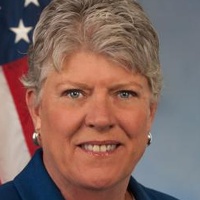
Julia Brownley
Representative
CA
Julia Brownley
Representative
CA
This resolution seeks to disapprove the Department of Veterans Affairs' final rule concerning "Reproductive Health Services" issued in September 2024. If enacted, this disapproval, made under the Congressional Review Act, would prevent the VA rule from taking legal effect.