
Legislative Activity
Track Sheila's sponsored bills, co-sponsored legislation, and voting record
The Major Richard Star Act ensures that military retirees with combat-related disabilities can concurrently receive their full military retirement pay and VA disability compensation without reduction.

Gus Bilirakis
Representative
FL
Gus Bilirakis
Representative
FL
The Major Richard Star Act ensures that military retirees with combat-related disabilities can receive both their military retirement pay and VA disability compensation concurrently without reduction. This law removes previous restrictions that caused military retirement pay to be offset by VA disability payments for these specific cases. The changes take effect on the first day of the month following the Act's enactment.
The Stop Comstock Act streamlines federal statutes by removing outdated and redundant language concerning "indecent" or "immoral" materials, focusing legal definitions on "obscene materials."
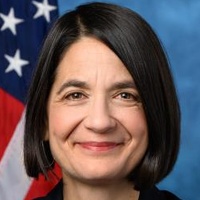
Becca Balint
Representative
VT
Becca Balint
Representative
VT
The Stop Comstock Act aims to modernize and streamline federal statutes concerning obscene materials. It revises several sections of federal law, including those related to crimes, transportation, and importation, by removing outdated or redundant language like "indecent" or "immoral." This legislative cleanup focuses the legal definitions to center specifically on "obscene materials."
The Caring for Survivors Act of 2025 increases dependency and indemnity compensation for surviving spouses and lowers the required period of total disability rating before death for survivors to qualify for certain benefits.
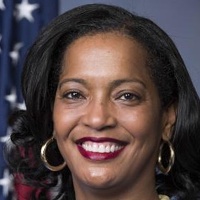
Jahana Hayes
Representative
CT
Jahana Hayes
Representative
CT
The Caring for Survivors Act of 2025 aims to increase financial support for surviving spouses of veterans. This bill raises the monthly Dependency and Indemnity Compensation (DIC) payment rate for surviving spouses. Additionally, it lowers the required duration of total disability rating before death from ten years to five years for survivors to qualify for certain DIC benefits. If the disability period was between five and ten years, the benefit amount will be proportionally adjusted.
The Medicare Dental, Vision, and Hearing Benefit Act of 2025 adds comprehensive dental, vision, and hearing care, including hearing aids, to Medicare coverage starting in 2026 while also mandating the inclusion of an oral health professional on the U.S. Preventive Services Task Force.

Lloyd Doggett
Representative
TX
Lloyd Doggett
Representative
TX
The Medicare Dental, Vision, and Hearing Benefit Act of 2025 significantly expands Medicare coverage to include comprehensive dental, vision, and hearing services starting in 2026. This legislation outlines specific payment schedules, frequency limits, and coverage percentages for routine exams, procedures, eyeglasses, contact lenses, and hearing aids. Furthermore, the bill mandates the inclusion of an oral health professional on the United States Preventive Services Task Force.
This act expands the Work Opportunity Tax Credit to include employers who hire qualified military spouses.
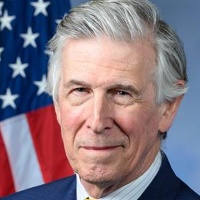
Donald Beyer
Representative
VA
Donald Beyer
Representative
VA
The Military Spouse Hiring Act amends the Internal Revenue Code to expand eligibility for the Work Opportunity Tax Credit (WOTC). This change allows employers to claim the tax credit for hiring qualified military spouses. A qualified military spouse is defined as someone certified as being married to a member of the U.S. Armed Forces.
The NEWBORN Act establishes grant-funded pilot programs through the Health Resources and Services Administration to reduce infant mortality, prioritizing areas with the highest rates and focusing on at-risk mothers and key risk factors.

Steve Cohen
Representative
TN
Steve Cohen
Representative
TN
The Nationally Enhancing the Well-being of Babies through Outreach and Research Now (NEWBORN) Act establishes new pilot programs to combat high infant mortality rates across the country. These programs will provide grants, prioritizing the 50 counties with the highest rates, to develop community-specific outreach and support services for at-risk mothers. Funds can be used for everything from prenatal care coordination and smoking cessation programs to public education campaigns. The Secretary will use annual reports from grant recipients to evaluate the effectiveness of these localized efforts.
Condemns House Republican leadership for allowing a xenophobic post questioning a Congressman's citizenship.
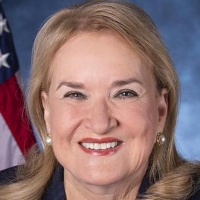
Sylvia Garcia
Representative
TX
Sylvia Garcia
Representative
TX
This bill condemns the House Republican Conference for a xenophobic social media post questioning Congressman Adriano Espaillat's immigration status and patriotism. It specifically condemns the House Republican leadership team for allowing the false statement that questioned Congressman Espaillat's citizenship.
This Act converts Transportation Security Administration (TSA) personnel to standard federal employment rules under Title 5, establishes transition protections, mandates workforce reviews, and addresses labor relations and employee safety.
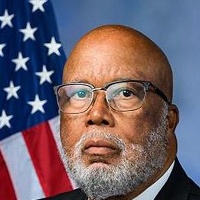
Bennie Thompson
Representative
MS
Bennie Thompson
Representative
MS
The Rights for the Transportation Security Administration Workforce Act transitions TSA personnel to standard federal employment rules under Title 5 of the U.S. Code by a set date no later than December 31, 2025. This mandates the freezing of current personnel policies during the transition while protecting current employee pay and benefits. The bill also requires extensive reviews by the Comptroller General on hiring, diversity, and workplace safety, and mandates consultation with employee representatives regarding labor relations. Finally, it ensures that screening agents retain collective bargaining rights and addresses specific concerns for Federal Air Marshals.
Recognizes and honors National Board Certified Teachers for their positive impact on student learning and encourages support for the growth of new certified teachers.

Julia Letlow
Representative
LA
Julia Letlow
Representative
LA
This resolution recognizes and honors teachers who have achieved or maintained National Board Certification as of March 2025, acknowledging their positive impact on student learning and potential lifetime earnings. It encourages the growth of new National Board Certified Teachers by urging educators, administrators, school districts, and States to provide candidates with incentives and support.
This Act establishes a federal long-term care insurance benefit under Social Security to help seniors finance extended care needs and remain at home, while also funding public education on long-term planning.
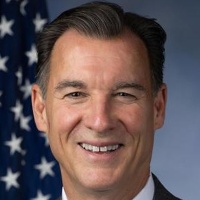
Thomas Suozzi
Representative
NY
Thomas Suozzi
Representative
NY
The Well-Being Insurance for Seniors to be at Home Act (WISH Act) establishes a new federal long-term care insurance benefit under Social Security to help seniors financially plan for extended care needs and remain in their communities. This benefit is funded through a newly created Trust Fund and is designed to supplement, not replace, personal savings and existing care options. The Act also mandates a national education campaign and requires the Social Security Administration to send personalized notices informing individuals about their potential coverage status.
This Act eliminates the waiting periods for Social Security disability benefits and Medicare coverage for individuals diagnosed with metastatic breast cancer.
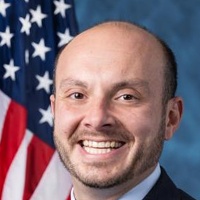
Andrew Garbarino
Representative
NY
Andrew Garbarino
Representative
NY
The Metastatic Breast Cancer Access to Care Act aims to improve support for individuals diagnosed with metastatic breast cancer. This bill eliminates the standard waiting period for receiving Social Security disability insurance benefits and waives the 24-month waiting period for Medicare coverage. These changes ensure immediate access to crucial financial and healthcare support upon diagnosis.
The "TSA Commuting Fairness Act" mandates a study on the feasibility of compensating TSA employees for time spent commuting between airport duty locations and parking/transit areas.
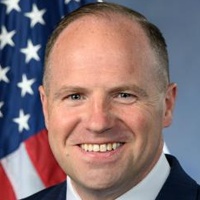
Timothy Kennedy
Representative
NY
Timothy Kennedy
Representative
NY
The "TSA Commuting Fairness Act" requires the TSA Administrator to conduct a study on the feasibility of counting the time TSA employees spend commuting between their duty locations and airport parking or transit stops as on-duty hours. The study will assess the potential benefits, costs, and technological feasibility of such a policy. This includes impacts on employee compensation, retirement, and TSA operations at various airport sizes.
The American Teacher Act establishes federal grants to incentivize states to set a minimum annual teacher salary of $60,000 and provide inflation adjustments for teacher pay.
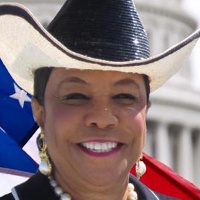
Frederica Wilson
Representative
FL
Frederica Wilson
Representative
FL
The American Teacher Act aims to address critical teacher shortages by establishing federal grants to help states raise the minimum annual salary for full-time teachers to \$60,000, adjusted for inflation. States must submit sustainability plans to ensure these minimums continue after the initial four-year grant period ends. The bill also provides funds for cost-of-living adjustments and a national campaign to enhance the value and diversity of the teaching profession.
This act mandates that the U.S. Treasury must begin printing new twenty-dollar bills featuring Harriet Tubman on the front after December 31, 2028, with a preliminary design reveal by the end of 2026.
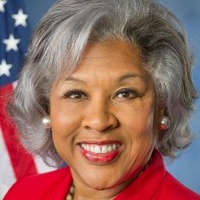
Joyce Beatty
Representative
OH
Joyce Beatty
Representative
OH
The Woman on the Twenty Act of 2025 mandates that Harriet Tubman must be featured on the front of the twenty-dollar bill. This legislation sets a firm deadline, requiring that no new $20 notes can be printed without her portrait after December 31, 2028. Furthermore, the Secretary of the Treasury must publicly reveal the preliminary design for the new note by the end of 2026.
This resolution supports National Women and Girls HIV/AIDS Awareness Day, emphasizing the need to address the disproportionate impact of HIV/AIDS on women and girls globally through increased awareness, prevention, and access to care.
Maxine Waters
Representative
CA
Maxine Waters
Representative
CA
This resolution recognizes the ongoing impact of HIV/AIDS, particularly on women and girls, and supports increased awareness, prevention, and access to care and treatment. It emphasizes the need for targeted efforts to address vulnerabilities, reduce disparities, and promote youth-friendly health services. The resolution also encourages global efforts to combat discrimination and improve access to sexual and reproductive health services.
The "Do No Harm Act" clarifies that the Religious Freedom Restoration Act cannot be used to bypass federal laws protecting against discrimination, ensuring equal opportunity, or safeguarding access to healthcare and other essential services.
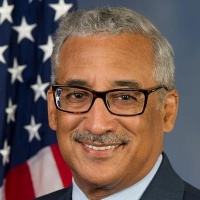
Robert Scott
Representative
VA
Robert Scott
Representative
VA
The "Do No Harm Act" amends the Religious Freedom Restoration Act of 1993 to ensure religious freedom is not used to justify discrimination or harm. It clarifies that the Act does not override federal laws protecting against discrimination, ensuring equal opportunity, or safeguarding access to healthcare and other essential services. This amendment confirms that the Religious Freedom Restoration Act applies only when the government is a party in a judicial proceeding.
The "U.S. Engagement in Sudanese Peace Act" aims to address the crisis in Sudan by authorizing sanctions on those involved in human rights abuses and conflict, establishing a comprehensive strategy for peace, and empowering Sudanese women and youth in conflict resolution.
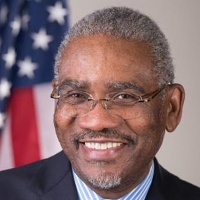
Gregory Meeks
Representative
NY
Gregory Meeks
Representative
NY
The U.S. Engagement in Sudanese Peace Act aims to address the crisis in Sudan by mandating the President to investigate and sanction those involved in human rights abuses and obstruction of humanitarian aid. It requires a comprehensive strategy to protect civilians, provide humanitarian aid, and foster peace, with an emphasis on empowering Sudanese women and youth in conflict resolution. The act also seeks to prevent the flow of weapons to conflict parties and ensures accountability for human rights abuses. Ultimately, the goal is to promote a sustainable peace through diplomatic and multilateral efforts.
The "Children’s Health Insurance Program Permanency Act" permanently extends funding and support for key children's health programs, including CHIP, and allows states to expand Medicaid and CHIP eligibility.
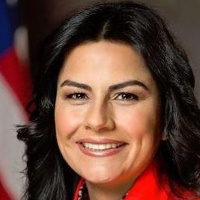
Nanette Barragán
Representative
CA
Nanette Barragán
Representative
CA
The Children's Health Insurance Program Permanency Act (CHIPP Act) permanently extends funding for the Children's Health Insurance Program (CHIP) and other related programs. It also makes permanent several programs and demonstration projects under the Social Security Act, such as the Pediatric Quality Measures Program and the Express Lane Eligibility Option. Additionally, the act provides states with the option to increase children's eligibility for Medicaid and CHIP by allowing them to cover children whose family income exceeds the state's current maximum income level.
The Farewell to Foam Act of 2025 bans the sale and distribution of expanded polystyrene food service ware, loose fill packaging, and coolers starting January 1, 2028, with escalating fines for non-compliance.
Lloyd Doggett
Representative
TX
Lloyd Doggett
Representative
TX
The Farewell to Foam Act of 2025 bans the sale and distribution of expanded polystyrene (Styrofoam) food service ware, loose fill packaging, and coolers starting January 1, 2028. The bill clearly defines these targeted foam products and the roles of manufacturers, distributors, and retailers involved in their supply chain. Enforcement begins with a written warning for first-time violations, followed by escalating fines for repeat offenses. The Administrator of the EPA is granted the authority to issue necessary regulations to implement the Act.
The "Mamas and Babies in Underserved Communities Act of 2025" aims to improve maternal healthcare and reduce disparities in underserved communities by providing grants to healthcare providers for expanded and enhanced services.
Maxine Waters
Representative
CA
Maxine Waters
Representative
CA
The "Mamas and Babies in Underserved Communities Act of 2025" aims to improve maternal health outcomes and reduce disparities in underserved communities by providing grants to healthcare providers. These grants will support the expansion and enhancement of maternal health services, including prenatal, postnatal care for infants, and postpartum care for mothers. Priority is given to entities serving minority, low-income, or medically underserved areas, particularly those led by community members. The act allocates necessary funds from 2026 to 2030 to facilitate these improvements.