
Legislative Activity
Track Mike's sponsored bills, co-sponsored legislation, and voting record
The Retirement Savings for Americans Act of 2025 establishes a mandatory, government-matched retirement savings account for workers, overseen by a new federal board, and provides a direct government match deposited into these accounts as a tax credit.
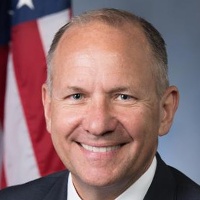
Lloyd Smucker
Representative
PA
Lloyd Smucker
Representative
PA
The Retirement Savings for Americans Act of 2025 establishes the American Worker Retirement Fund, a new, mandatory-enrollment retirement savings vehicle within the U.S. Treasury designed to help workers build protected savings through personal contributions and government matching credits. The bill also creates a governing Board to oversee the investment management system, imposing strict fiduciary duties on all administrators. Finally, it introduces a Government Match Tax Credit, which directly deposits a tiered government match into participants' accounts based on their savings rate and income level.
The Secure Family Futures Act of 2025 modifies tax code provisions for applicable insurance companies by excluding certain debt from being treated as a capital asset and extending the capital loss carryover period to ten years for specific losses incurred after 2025.
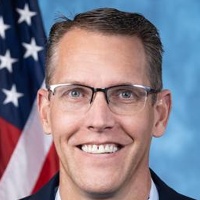
Randy Feenstra
Representative
IA
Randy Feenstra
Representative
IA
The Secure Family Futures Act of 2025 modifies tax treatment for certain debt holdings of applicable insurance companies, excluding specific debt instruments from being treated as capital assets for tax purposes. Additionally, this Act extends the capital loss carryover period to 10 years for specified losses incurred by these insurance companies. These changes apply only to transactions occurring after December 31, 2025.
This Act imposes sweeping, mandatory sanctions, tariffs, and investment prohibitions on the Russian Federation and its affiliates until Russia negotiates a lasting peace with Ukraine.
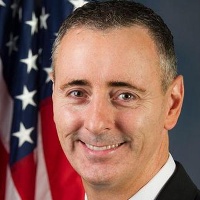
Brian Fitzpatrick
Representative
PA
Brian Fitzpatrick
Representative
PA
The Sanctioning Russia Act of 2025 imposes sweeping economic penalties on the Russian Federation in response to its aggression against Ukraine. This legislation mandates severe, immediate sanctions against key Russian officials, financial institutions, and energy sector entities, including asset freezes and trade prohibitions. Furthermore, the Act dramatically increases import duties on Russian goods and requires the President to review and reimpose these measures until Russia negotiates a lasting peace with Ukraine.
This Act establishes a program, managed by the Librarian of Congress, to create and disseminate educational resources countering denial of the Armenian Genocide.
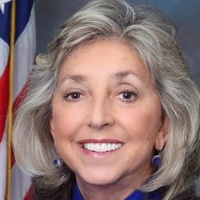
Dina Titus
Representative
NV
Dina Titus
Representative
NV
The Armenian Genocide Education Act establishes a program managed by the Librarian of Congress to develop and share educational resources combating denial of the 1915-1923 Armenian Genocide. This initiative will create online materials, train educators, and encourage the integration of accurate history into school curricula. The Act authorizes $2 million annually for five years to support these educational efforts aimed at promoting awareness and preventing future atrocities.
The Reentry Act of 2025 allows inmates to receive Medicaid assistance during the 30 days preceding their release and mandates a comprehensive report on healthcare standards within correctional facilities.
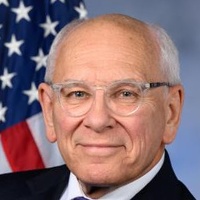
Paul Tonko
Representative
NY
Paul Tonko
Representative
NY
The Reentry Act of 2025 allows incarcerated individuals to receive medical assistance through Medicaid during the 30 days immediately preceding their release. This legislation also mandates a comprehensive report from MACPAC analyzing current healthcare standards within correctional facilities. The report will examine the impact of this coverage change and offer recommendations for improving healthcare access for those transitioning back into the community.
This bill directs the Librarian of Congress to transition the *Constitution Annotated* and its supplements from physical hardbound books to freely accessible digital versions to improve efficiency and availability.
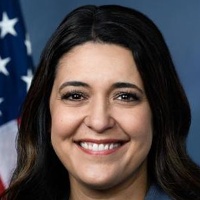
Stephanie Bice
Representative
OK
Stephanie Bice
Representative
OK
This bill directs the Librarian of Congress to transition the production of the *Constitution Annotated* and its supplements from physical, hardbound books to entirely digital formats. The goal is to promote more cost-effective, efficient, and expanded public availability of this important legal resource. Consequently, the requirement to print decennial editions and annual pocket supplements will be repealed after specific dates, moving all updates to a publicly accessible website.
The COMPLETE Care Act increases Medicare payments to primary care providers for integrating behavioral health services between 2027 and 2029 and provides technical assistance to support these practices.

Nicole Malliotakis
Representative
NY
Nicole Malliotakis
Representative
NY
The COMPLETE Care Act aims to improve mental healthcare access by providing Medicare incentives for primary care providers to integrate behavioral health services into their practices between 2027 and 2029. This legislation offers increased Medicare payments for specific integrated services during those years, ensuring these bonuses do not trigger cuts elsewhere in the Medicare budget. Additionally, the bill mandates technical assistance to help primary care offices successfully adopt these new integrated care models.
This Act amends the Base Erosion and Anti-Abuse Tax (BEAT) rules to impose stricter regulations on U.S. companies connected to foreign entities subject to specific extraterritorial income taxes.
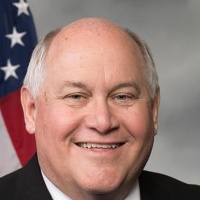
Ron Estes
Representative
KS
Ron Estes
Representative
KS
The Unfair Tax Prevention Act amends the Base Erosion and Anti-Abuse Tax (BEAT) rules to specifically target certain U.S. companies connected to foreign tax systems operating outside their direct jurisdiction. These "foreign-owned extraterritorial tax regime entities" will now be automatically subject to BEAT, with specific exceptions removed and a portion of their cost of goods sold automatically treated as a base erosion benefit. This legislation aims to close loopholes related to complex, indirect foreign ownership structures.
This bill mandates that Medicare provide equitable reimbursement for the transportation and setup of portable ultrasound equipment, mirroring current payments for portable X-ray services.
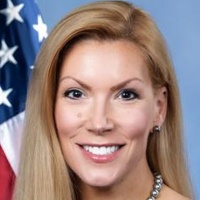
Beth Van Duyne
Representative
TX
Beth Van Duyne
Representative
TX
The Portable Ultrasound Reimbursement Equity Act of 2025 updates Medicare coverage to include diagnostic ultrasound tests. This legislation mandates that Medicare establish separate payments for the transportation and setup of portable ultrasound equipment, mirroring existing payments for portable X-ray services. These changes are set to take effect starting January 1, 2027.
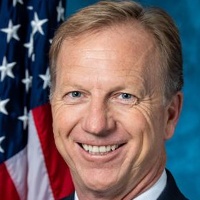
This bill amends the Internal Revenue Code to allow distributions from Health Savings Accounts (HSAs) for the account beneficiary's funeral expenses, up to a $\$5,000$ limit, to be treated as qualified distributions.
Kevin Hern
Representative
OK
Kevin Hern
Representative
OK
This bill amends the Internal Revenue Code to allow distributions from a Health Savings Account (HSA) for the funeral expenses of the account beneficiary to be treated as qualified, tax-free distributions. These expenses, which include burial, cremation, and related services, are capped at a total of \$5,000 per beneficiary. The legislation also clarifies that funeral expenses incurred within 90 days after the account holder's death can be treated as if they occurred before death for tax purposes.
This bill excludes certain veterinary student loan repayments and forgiveness amounts from taxable income to encourage veterinarians to practice in rural areas.

Adrian Smith
Representative
NE
Adrian Smith
Representative
NE
The Rural Veterinary Workforce Act aims to encourage more veterinarians to serve in underserved rural areas by making participation in certain loan repayment or forgiveness programs more financially appealing. This bill amends the tax code to exclude amounts received through qualifying state or federal veterinary student loan repayment programs from being counted as taxable income. This tax benefit applies to amounts received for taxable years beginning after December 31, 2025.
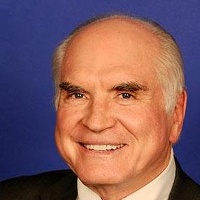
The PHIT Act of 2025 allows taxpayers to deduct up to \$1,000 annually for qualified expenses related to physical fitness, gym memberships, and exercise instruction to promote healthier lifestyles.
Mike Kelly
Representative
PA
Mike Kelly
Representative
PA
The Personal Health Investment Today Act of 2025 (PHIT Act) aims to improve public health by incentivizing healthier lifestyles, particularly to combat obesity. This bill allows taxpayers to treat certain qualified sports and fitness expenses, such as gym memberships and instruction fees, as deductible medical expenses. Deductions are capped annually at \$1,000 per individual or \$2,000 for joint filers.
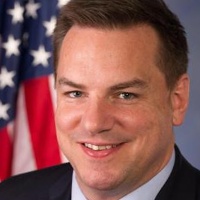
This bill establishes national reciprocity for concealed carry permits, allowing individuals legally permitted to carry in their home state to carry a handgun in any other state that allows concealed carry.
Richard Hudson
Representative
NC
Richard Hudson
Representative
NC
The Constitutional Concealed Carry Reciprocity Act of 2025 establishes a national standard for carrying concealed handguns across state lines. This act allows individuals legally permitted to carry in their home state to carry concealed in any other state that allows its residents to carry concealed firearms. The law does not override private property restrictions or prohibitions on government property, but it provides protections and legal recourse for those traveling in compliance with the new federal standard.
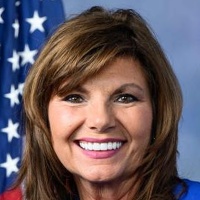
This bill mandates a study on preterm infant formula regulations and temporarily freezes state-level rules that differ from federal standards, while preserving the right to sue manufacturers for willful misconduct causing serious harm.
Diana Harshbarger
Representative
TN
Diana Harshbarger
Representative
TN
This bill aims to create national uniformity for preterm infant formula by temporarily freezing state regulations that differ from federal standards for two years. It mandates a study by the FDA to review the availability and rules surrounding this specialized formula, including whether premarket approval should be required. The temporary freeze on state rules does not prevent lawsuits or criminal charges against manufacturers for willful misconduct that causes serious harm or death.
This bill revokes federal student aid eligibility and converts existing grants into non-dischargeable loans for individuals convicted of assaulting a police officer or participating in violent riots.
August Pfluger
Representative
TX
August Pfluger
Representative
TX
The FAFSA Act of 2025 revokes federal student aid eligibility, including grants and loans, for individuals convicted of assaulting a police officer or certain riot-related crimes. Any federal grants received prior to the conviction will be immediately converted into Federal Direct Unsubsidized Stafford Loans that must be repaid with interest. These converted loans will not be eligible for any existing federal forgiveness or discharge programs.
The Puppy Protection Act of 2025 establishes stricter housing, daily care, veterinary, and breeding standards for dog dealers under the Animal Welfare Act.
Brian Fitzpatrick
Representative
PA
Brian Fitzpatrick
Representative
PA
The Puppy Protection Act of 2025 significantly increases humane treatment standards for dog dealers under the Animal Welfare Act. This legislation mandates specific minimum space requirements, daily exercise access, and mandatory socialization for housed dogs. Furthermore, it establishes strict limits on female dog breeding frequency and age, alongside enhanced veterinary care protocols.
This bill amends the Internal Revenue Code to increase the asset threshold for taxable REIT subsidiaries from 20 to 25 percent, effective for tax years beginning after December 31, 2025.
Mike Kelly
Representative
PA
Mike Kelly
Representative
PA
This bill amends the Internal Revenue Code to restore and modify the asset test for Real Estate Investment Trust (REIT) taxable REIT subsidiaries (TRSs). Specifically, it increases the allowable percentage for certain assets held by a TRS from 20 percent to 25 percent. This change will take effect for tax years beginning after December 31, 2025.
This bill restores protections to prevent private health insurance plans from discriminating against dialysis patients with End-Stage Renal Disease (ESRD) or shifting their treatment costs unfairly onto Medicare.
Mike Kelly
Representative
PA
Mike Kelly
Representative
PA
The Restore Protections for Dialysis Patients Act aims to prevent private health insurance plans from discriminating against patients with End-Stage Renal Disease (ESRD). This legislation clarifies that plans cannot offer worse benefits or unfairly limit coverage for dialysis treatments compared to other medical services. Furthermore, it stops these plans from shifting the primary financial responsibility for ESRD care onto Medicare. The bill maintains existing rules ensuring fair treatment while preserving a health plan's ability to select its network of dialysis providers.
This bill extends the Medicare ground ambulance payment pilot program through 2028 to ensure continued patient access to these essential medical services.
Claudia Tenney
Representative
NY
Claudia Tenney
Representative
NY
The Protecting Access to Ground Ambulance Medical Services Act of 2025 extends the current Medicare payment structure for ground ambulance services. This change ensures continuity in how these vital services are reimbursed under existing rules. Specifically, the temporary payment pilot program is extended through 2028, preventing an immediate change in payment policy.
The Air America Act of 2025 authorizes one-time monetary awards to former Air America employees or their survivors for service supporting the CIA between 1950 and 1976.
Glenn Grothman
Representative
WI
Glenn Grothman
Representative
WI
The Air America Act of 2025 recognizes the sacrifices of former Air America employees who served the U.S. Government between 1950 and 1976. This Act authorizes a one-time monetary award, up to $40,000 plus potential additional amounts, for qualifying service members or their survivors. The CIA Director is responsible for administering these payments, which are capped at a total of $60 million, and establishing the application procedures. Decisions made by the Director regarding these awards are final and not subject to judicial review.