Legislative Activity
Track Jason's sponsored bills, co-sponsored legislation, and voting record
The Momnibus Act is a comprehensive legislative package designed to improve maternal health outcomes and reduce racial disparities by addressing social determinants, expanding nutritional and mental health support, diversifying the perinatal workforce, and investing in data-driven, community-based care.
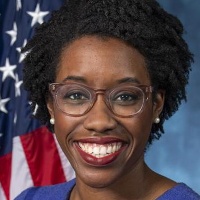
Lauren Underwood
Representative
IL
Lauren Underwood
Representative
IL
The Momnibus Act is a comprehensive legislative package designed to end preventable maternal mortality and close racial and ethnic disparities in maternal health outcomes. By addressing social determinants of health, expanding nutritional and mental health support, and investing in a diverse, culturally competent workforce, the bill provides a holistic framework for improving care. Through targeted federal grants, enhanced data collection, and innovative technology, the Act aims to ensure that all pregnant and postpartum individuals receive the equitable, high-quality care they deserve.
The Enhanced Iran Sanctions Act of 2025 mandates broad economic and immigration sanctions on foreign individuals, entities, and financial institutions that support Iran’s nuclear, missile, drone, or terrorist activities, while specifically targeting the country's petroleum and petrochemical sectors.
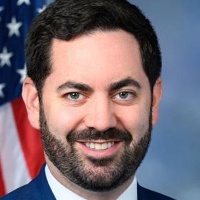
Michael Lawler
Representative
NY
Michael Lawler
Representative
NY
The Enhanced Iran Sanctions Act of 2025 strengthens U.S. policy by imposing mandatory sanctions on foreign persons and financial institutions that support Iran’s nuclear, ballistic missile, drone, and terrorist activities. The bill specifically targets Iran’s petroleum and petrochemical sectors to cut off funding for these malign programs. Additionally, it expands the State Department’s "Rewards for Justice" program to incentivize the reporting of individuals who evade these sanctions.
This act expands Medicaid recognition of podiatrists as physicians and streamlines Medicare documentation requirements for diabetic therapeutic shoes.
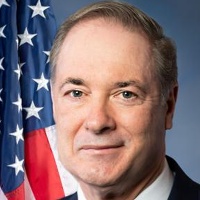
John Joyce
Representative
PA
John Joyce
Representative
PA
The Diabetes Foot Health Access and Modernization Act of 2026 improves patient care by officially recognizing doctors of podiatric medicine as physicians within the Medicaid program. Additionally, the bill streamlines Medicare documentation requirements to ensure patients with diabetes have better access to essential therapeutic footwear.
The PrEP Access and Coverage Act of 2026 mandates comprehensive, cost-free insurance coverage for HIV prevention services across public and private health plans while prohibiting discriminatory insurance practices and funding national education and outreach programs.
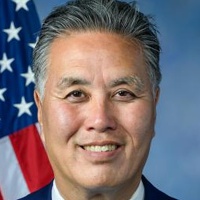
Mark Takano
Representative
CA
Mark Takano
Representative
CA
The PrEP Access and Coverage Act of 2026 mandates comprehensive, cost-free insurance coverage for HIV prevention services (PrEP and PEP) across private health plans, Medicare, Medicaid, TRICARE, and veteran health programs. The bill prohibits insurers from denying coverage or increasing premiums based on the use of HIV prevention medication and establishes robust patient confidentiality protections. Additionally, it authorizes national public health education campaigns and provides grant funding to expand access to prevention services for uninsured and underinsured populations.
This resolution urges the President to order U.S. flags flown at half-staff to honor the life and legacy of civil rights leader Reverend Jesse Jackson.
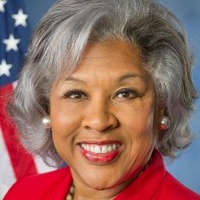
Joyce Beatty
Representative
OH
Joyce Beatty
Representative
OH
This resolution formally honors the life and enduring legacy of civil rights leader Reverend Jesse Louis Burns Jackson, Sr. It recognizes his significant contributions to the Civil Rights Movement, including his work with Dr. Martin Luther King, Jr. and his founding of Operation PUSH. The bill specifically urges the President to order that the U.S. flag be flown at half-staff in his memory.
This bill strengthens democracy by banning foreign spending in U.S. elections, increasing transparency for "dark money" in politics, and mandating clear disclosure of funders in political advertising.
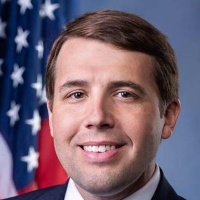
Chris Pappas
Representative
NH
Chris Pappas
Representative
NH
The Democracy Is Strengthened by Casting Light On Spending in Elections Act of 2026 aims to increase transparency and security in U.S. elections. It closes loopholes to ban foreign national spending in elections, mandates disclosure for "dark money" political spending, and requires clear funding disclosures on political ads. The bill also centralizes legal challenges to campaign finance laws in Washington, D.C., for faster resolution.
This act expands eligibility for Western rural water programs, including storage and supply projects, to include the state of Colorado.
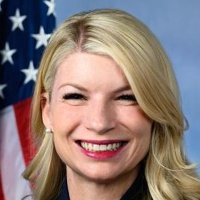
Brittany Pettersen
Representative
CO
Brittany Pettersen
Representative
CO
The Rural Water Security Act expands access to federal water infrastructure programs for Colorado. This legislation specifically amends the Water Resources Development Act of 1999 to include Colorado in the eligibility criteria for Western Rural Water projects, including water storage and groundwater recharge initiatives.
This bill establishes a federal process for Extreme Risk Protection Orders, creates a grant program to incentivize states to adopt similar laws, and mandates the recognition of such orders across state lines.
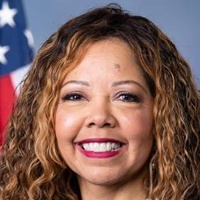
Lucy McBath
Representative
GA
Lucy McBath
Representative
GA
The Federal Extreme Risk Protection Order Act of 2026 establishes a federal process for issuing Extreme Risk Protection Orders (ERPOs) that temporarily prohibit individuals deemed a danger from possessing firearms. The bill allows family members or law enforcement to petition federal courts for temporary or long-term orders based on evidence of imminent risk of harm. Furthermore, it creates a federal grant program to incentivize and support states and tribes in implementing their own qualifying ERPO laws. Finally, it mandates that individuals subject to these federal orders surrender their firearms and ensures these orders are recognized across state lines.
This bill mandates that Federally-qualified health centers receive the full 340B discounted drug price upfront at the point of purchase, prohibiting post-purchase price adjustments.
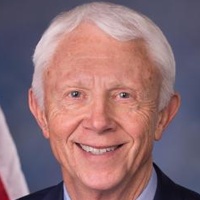
Jack Bergman
Representative
MI
Jack Bergman
Representative
MI
The Community Health Center Drug Pricing Protection Act ensures that Federally-qualified health centers (FQHCs) receive the full 340B discounted price for drugs at the point of purchase. This legislation prohibits manufacturers from requiring FQHCs to pay more than the established ceiling price upfront, regardless of any later rebates or reimbursements. The goal is to guarantee immediate, upfront savings for these vital health centers.
This bill establishes a new Medicare benefit and payment system for comprehensive ALS-related services, effective in 2027, while also requiring a report on clinical trial challenges.

Janice Schakowsky
Representative
IL
Janice Schakowsky
Representative
IL
The ALS Better Care Act aims to improve care for individuals with ALS by establishing new Medicare coverage for essential ALS-related services starting in 2027. This includes creating a new, single payment system for providers delivering specialized care, such as therapy and nursing support. Additionally, the bill mandates a report to address current challenges in staffing and administering ALS clinical trials.
This bill seeks to disapprove and nullify the Department of Veterans Affairs' final rule regarding "Reproductive Health Services."
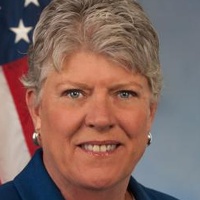
Julia Brownley
Representative
CA
Julia Brownley
Representative
CA
This resolution seeks to disapprove the Department of Veterans Affairs' final rule concerning "Reproductive Health Services" issued in September 2024. If enacted, this disapproval, made under the Congressional Review Act, would prevent the VA rule from taking legal effect.
This bill mandates the removal of U.S. Armed Forces from Venezuela unless explicitly authorized by Congress.
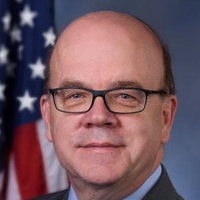
James McGovern
Representative
MA
James McGovern
Representative
MA
This bill mandates the President to withdraw all United States Armed Forces from Venezuela. This action is required unless Congress has formally declared war or passed specific legislation authorizing the use of military force in that country.
This resolution demands the President and Secretary of State provide the House with documents detailing the Administration's stance, policies, and related communications concerning U.S. interest in Greenland.
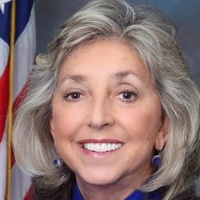
Dina Titus
Representative
NV
Dina Titus
Representative
NV
This resolution is an official inquiry demanding the President and Secretary of State provide the House of Representatives with specific documents regarding the Administration's stance on Greenland. It specifically seeks records concerning U.S. ownership plans, policy toward Danish sovereignty, and security assessments related to the U.S.-Denmark defense agreement. The bill also requires documentation of all related communications between U.S. officials and private citizens, Danish/Greenlandic authorities, or NATO allies.
This bill impeaches Secretary of Homeland Security Kristi Lynn Arnold Noem for high crimes and misdemeanors, citing willful refusal to comply with oversight law, violating the Impoundment Control Act, directing unlawful ICE misconduct, and misusing federal funds for personal gain.
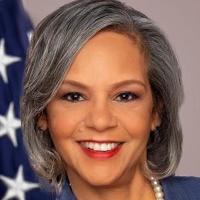
Robin Kelly
Representative
IL
Robin Kelly
Representative
IL
This resolution initiates impeachment proceedings against Secretary of Homeland Security Kristi Lynn Arnold Noem for high crimes and misdemeanors. The articles of impeachment charge her with willfully refusing to comply with Congressional oversight laws and violating the Impoundment Control Act by improperly withholding funds. Further articles allege she directed widespread misconduct by ICE agents that violated federal law and constitutional rights, and misused taxpayer funds for personal gain through improper contracting.
This bill modifies deposits into the Crime Victims Fund by excluding certain False Claims Act recoveries and mandates an Inspector General audit of the Fund's sustainability.
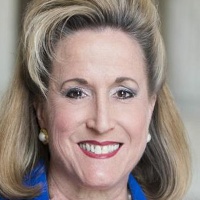
Ann Wagner
Representative
MO
Ann Wagner
Representative
MO
This bill amends the Victims of Crime Act of 1984 to temporarily exclude certain False Claims Act recoveries from being deposited into the Crime Victims Fund through fiscal year 2029. It also mandates a comprehensive audit by the Department of Justice Inspector General on the Fund's sustainability and the impact of recent legislative changes. The resulting report will provide recommendations for improving the Fund's effectiveness and oversight.
This act prohibits the use of federal funds and official action for any invasion of NATO member territory.
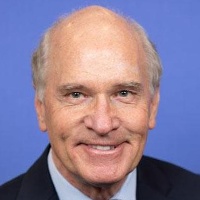
William Keating
Representative
MA
William Keating
Representative
MA
The **No Funds for NATO Invasion Act** prohibits the use of any federal funds for an invasion of any territory belonging to a member nation of the North Atlantic Treaty Organization (NATO). Furthermore, the bill bars U.S. officials from taking any action to execute such an invasion.
This act reforms the requirements and procedures for determining and maintaining duty status.
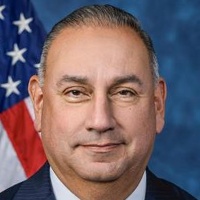
Gilbert Cisneros
Representative
CA
Gilbert Cisneros
Representative
CA
The Duty Status Reform Act aims to modernize and streamline the process for determining and managing duty status for federal employees. This legislation seeks to clarify existing regulations and ensure fair and consistent application of duty status rules across government agencies.
This resolution recognizes the 15th anniversary of the 2011 Tucson shooting, honoring the victims, survivors, and the ongoing advocacy of Gabby Giffords.
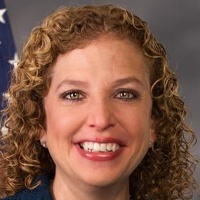
Debbie Wasserman Schultz
Representative
FL
Debbie Wasserman Schultz
Representative
FL
This resolution commemorates the 15th anniversary of the tragic January 8, 2011, Tucson shooting, honoring the six lives lost and the thirteen injured. It specifically commends the courage and ongoing advocacy of gun violence survivor and former Congresswoman Gabby Giffords. The resolution also recognizes the resilience of the community and reaffirms a commitment to ending political violence.
This bill prohibits the use of federal funds for military force in or against Venezuela through 2026 unless Congress declares war or passes a specific authorizing law, with exceptions for defensive actions.
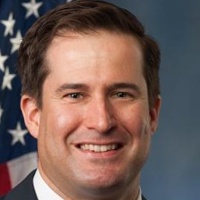
Seth Moulton
Representative
MA
Seth Moulton
Representative
MA
This bill prohibits the use of federal funds for military force in or against Venezuela through the end of 2026. This restriction remains in place unless Congress formally declares war or passes a new, specific authorization for military action that complies with the War Powers Resolution. An exception is made for necessary defensive actions, such as repelling a sudden attack.
This bill mandates the registration and public reporting of NIH-funded clinical trial results, establishes diversity goals for participant recruitment, and funds public education campaigns to address participation barriers.
Robin Kelly
Representative
IL
Robin Kelly
Representative
IL
The NIH Clinical Trial Integrity Act mandates the public registration and timely reporting of results for all NIH-funded clinical trials. It also establishes strict diversity goals for participant recruitment based on race, ethnicity, age, and sex, requiring detailed plans to achieve representation. Furthermore, the bill authorizes a study on eliminating participant cost barriers and funds a national campaign to boost public awareness of diverse trial participation.