
Legislative Activity
Track Ben's sponsored bills, co-sponsored legislation, and voting record
This bill mandates the termination of the U.S. Department of Education effective December 31, 2026.

Thomas Massie
Representative
KY
Thomas Massie
Representative
KY
This bill proposes the complete termination of the United States Department of Education. If enacted, the agency would be officially dissolved on December 31, 2026.
This bill supports the designation of January 30, 2025, as CTE and RHI Awareness Day to promote awareness, research, and education about chronic traumatic encephalopathy and repeated head impacts. It encourages federal agencies to disseminate information about CTE and RHI and urges Americans to participate in awareness activities.
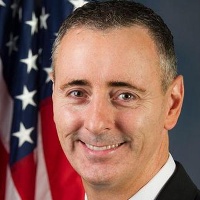
Brian Fitzpatrick
Representative
PA
Brian Fitzpatrick
Representative
PA
This bill supports the designation of January 30, 2025, as CTE and RHI Awareness Day to increase public knowledge of chronic traumatic encephalopathy (CTE) and repeated head impacts (RHI). It acknowledges the risks and impact of these conditions, particularly for athletes, veterans, and others susceptible to head trauma. The bill encourages further research, early diagnosis, and informed decision-making, while also recognizing the contributions of researchers, affected families, and organizations dedicated to CTE awareness. It also urges the CDC and NIH to include CTE and RHI information in concussion education.
The 287(g) Program Protection Act mandates that the Department of Homeland Security enter into immigration enforcement agreements with state and local law enforcement agencies upon request and establishes new oversight, reporting, and funding requirements for the program.
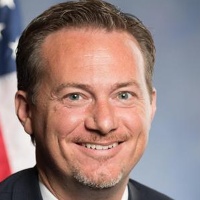
Michael Cloud
Representative
TX
Michael Cloud
Representative
TX
The 287(g) Program Protection Act mandates that the Department of Homeland Security enter into immigration enforcement agreements with any state or local law enforcement agency that requests one. The bill streamlines the approval process, protects existing agreements from arbitrary termination, and requires the Secretary to provide annual performance reports and recruitment plans to expand the program. Additionally, it establishes uniform training standards and reallocates funding to support these state and local partnerships.
The Illegitimate Court Counteraction Act sanctions individuals assisting the International Criminal Court (ICC) in investigating, arresting, or prosecuting protected persons, including U.S. citizens and allies, and rescinds funding for the ICC.

Chip Roy
Representative
TX
Chip Roy
Representative
TX
The Illegitimate Court Counteraction Act imposes sanctions on individuals and their families who assist the International Criminal Court (ICC) in investigating, arresting, detaining, or prosecuting "protected persons," which include U.S. citizens, military personnel, government officials, and citizens/residents of U.S. allies not consenting to the ICC. It requires the President to block the property of those who aid the ICC, deny them entry into the U.S., and rescinds any funds for the ICC. The bill allows for waivers of these sanctions if vital to U.S. national security and termination of sanctions if the ICC ceases action against protected persons.
This bill amends the Internal Revenue Code to require taxpayers to provide valid, work-authorized Social Security numbers for themselves and their qualifying children to claim the Child Tax Credit and Earned Income Tax Credit.
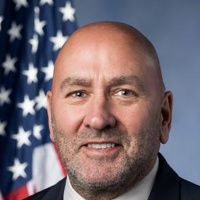
Clay Higgins
Representative
LA
Clay Higgins
Representative
LA
The Safeguarding American Workers’ Benefits Act updates eligibility requirements for the Child Tax Credit and the Earned Income Tax Credit. It mandates that taxpayers and qualifying children provide a valid Social Security number—issued to a U.S. citizen or work-authorized noncitizen—before the tax return due date to claim these benefits. These changes are set to take effect for tax years beginning after December 31, 2025.
The Life at Conception Act declares that the constitutional right to life begins at the moment of fertilization and applies to every member of the species *homo sapiens* at all stages of development.
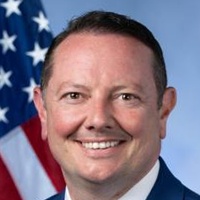
Eric Burlison
Representative
MO
Eric Burlison
Representative
MO
The Life at Conception Act declares that the constitutional right to life begins at the moment of fertilization, defining all human beings as persons from that point forward. The bill establishes legal personhood for every member of the species *homo sapiens* at all stages of development. Additionally, it explicitly prohibits the prosecution of any woman for the death of her unborn child.
The CBO Show Your Work Act mandates that the Congressional Budget Office publicly release the models, data, and computational details used in its legislative cost estimates to ensure transparency and independent replicability.
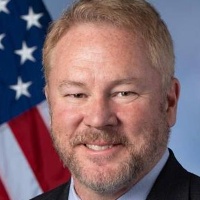
Warren Davidson
Representative
OH
Warren Davidson
Representative
OH
The CBO Show Your Work Act mandates that the Congressional Budget Office publicly release the models, data, and computational details used to estimate the fiscal and economic impacts of legislation. By requiring transparency and replicability, the bill ensures that outside parties can independently verify CBO findings. It also establishes clear protocols for handling confidential data to maintain privacy while maximizing public access to information.
The Born-Alive Abortion Survivors Protection Act requires health care practitioners to provide the same level of care to infants born alive after an abortion attempt as they would to any other newborn, mandating immediate hospitalization and imposing penalties for violations, while protecting the mother from prosecution. It also allows the mother of a child born alive to file a civil action against anyone who violated the act.
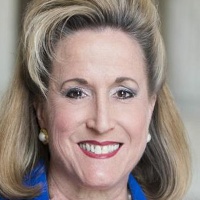
Ann Wagner
Representative
MO
Ann Wagner
Representative
MO
The "Born-Alive Abortion Survivors Protection Act" ensures that infants born alive after an abortion receive the same medical care as any other newborn, mandating immediate hospitalization and requiring healthcare practitioners to report any failures to comply. Violators face fines, imprisonment, and potential prosecution for homicide or attempted homicide, while the mother of the child cannot be prosecuted. The bill also allows the woman who had the abortion to file a civil action against anyone who violated the act. It defines abortion and attempts at abortion, and renames "Partial-Birth Abortions" to "Abortions" in relevant sections of the U.S. Code.
This bill mandates the dissolution of the Federal Insurance Office and redistributes its regulatory and oversight responsibilities to the Secretary of the Treasury and other federal financial agencies.
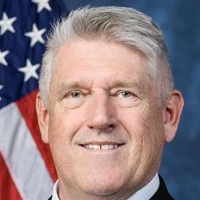
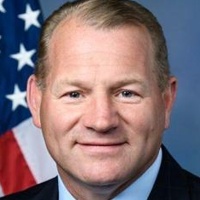
Troy Downing
Representative
MT
Troy Downing
Representative
MT
The Federal Insurance Office Elimination Act proposes the dissolution of the Federal Insurance Office (FIO) within the Department of the Treasury. This legislation removes the FIO from various financial oversight and regulatory processes, reassigning its responsibilities to the Secretary of the Treasury, the Federal Reserve, and other relevant agencies.
The Main Street Tax Certainty Act makes the 20% pass-through business income deduction permanent by removing its scheduled expiration after 2025.
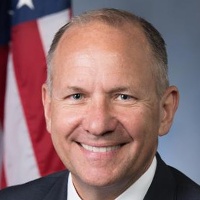
Lloyd Smucker
Representative
PA
Lloyd Smucker
Representative
PA
The Main Street Tax Certainty Act makes the 20% pass-through business income deduction permanent. By removing the current 2025 expiration date, this legislation ensures long-term tax relief for owners of qualified pass-through entities.
The SAVE Moms and Babies Act of 2025 prohibits the FDA from approving new abortion drugs and imposes strict federal restrictions on the distribution, usage, and reporting requirements for existing abortion medications.
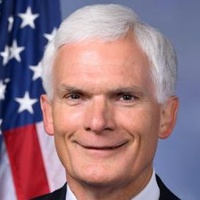
Robert Latta
Representative
OH
Robert Latta
Representative
OH
The SAVE Moms and Babies Act of 2025 prohibits the FDA from approving new abortion drugs and restricts the use of existing ones. The bill mandates strict safety protocols, including in-person administration requirements, expanded adverse event reporting, and limitations on gestational age for drug use.
The National Constitutional Carry Act prohibits state and local governments from restricting the public carry of firearms by individuals who are legally eligible to possess them under federal law.
Thomas Massie
Representative
KY
Thomas Massie
Representative
KY
The National Constitutional Carry Act seeks to protect the Second Amendment right of law-abiding citizens to carry firearms in public for self-defense. The bill prohibits state and local governments from imposing criminal or civil penalties on individuals who are legally eligible to possess firearms. By overriding restrictive local regulations, the legislation aims to ensure a uniform standard for the right to bear arms across the United States.
The End Unaccountable Amnesty Act reforms immigration policy by restricting executive authority over Temporary Protected Status and parole, tightening eligibility for unaccompanied children, repealing cancellation of removal, and prohibiting the use of certain government documents for air travel.
Troy Nehls
Representative
TX
Troy Nehls
Representative
TX
The **End Unaccountable Amnesty Act** seeks to restrict executive authority over immigration by shifting Temporary Protected Status (TPS) and parole designations to congressional oversight. The bill also tightens eligibility for unaccompanied minors, repeals "cancellation of removal" as a form of immigration relief, and prohibits the use of certain DHS-issued documents for air travel. Additionally, it imposes strict annual caps on parole grants and mandates the removal of sponsors who are unlawfully present in the United States.
Designates January 26 - February 1, 2025 as "National School Choice Week", supporting diverse education options and parental empowerment in K-12 education. Encourages awareness events and recognition of contributions from students, parents, teachers, and school leaders.

John Moolenaar
Representative
MI
John Moolenaar
Representative
MI
This bill expresses support for designating January 26 - February 1, 2025, as "National School Choice Week" to recognize the importance of diverse K-12 education options and the role of parents in choosing the best learning environment for their children. It encourages raising awareness about the benefits of educational choice and congratulates those involved in education.
The PARTS Act of 2025 amends the definition of "firearm silencer" and "firearm muffler" to include certain parts and devices used to diminish the sound of a firearm.
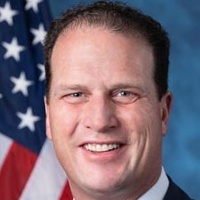
August Pfluger
Representative
TX
August Pfluger
Representative
TX
The "Protecting Americans Right To Silence Act of 2025" or the "PARTS Act of 2025" amends the definition of "firearm silencer" and "firearm muffler" under federal law. The updated definition includes any device designed to silence or muffle a portable firearm, whether attached directly or through other devices. It also includes the primary housing or structure for sound-reduction components of such devices.
This bill prohibits federal funding for abortions and for health insurance plans that cover abortions, clarifies these prohibitions under the Affordable Care Act, and requires health plans to disclose the extent of their abortion coverage and any related surcharges.
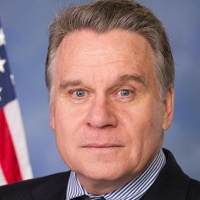
Christopher Smith
Representative
NJ
Christopher Smith
Representative
NJ
The "No Taxpayer Funding for Abortion and Abortion Insurance Full Disclosure Act of 2025" seeks to prohibit the use of federal funds for abortions and for health plans that cover abortions, while allowing individuals and entities to purchase separate abortion coverage with non-federal funds. It clarifies that premium tax credits and cost-sharing reductions under the Affordable Care Act (ACA) cannot be used for health plans that include abortion coverage. The Act also revises notice requirements for health plans, mandating clear disclosure of abortion coverage and any associated premium surcharges to enrollees. Exceptions to the funding restrictions are included for cases of rape, incest, or when the mother's life is in danger.
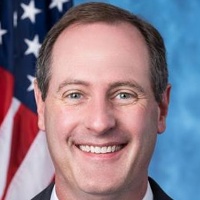
The Reining In Federal Licensing Enforcement (RIFLE) Act of 2025 reforms federal firearms licensing by establishing graduated penalty structures, enhancing due process protections for dealers, and limiting the Attorney General's authority in enforcement and revocation proceedings.
Tracey Mann
Representative
KS
Tracey Mann
Representative
KS
The Reining In Federal Licensing Enforcement (RIFLE) Act of 2025 reforms the federal firearms licensing system by establishing a graduated penalty structure that distinguishes between unintentional and willful violations. The bill mandates increased procedural protections for licensees, including expanded notice requirements, opportunities to cure violations, and the right to formal administrative hearings and judicial review. Additionally, it sets stricter standards for proving "willful" violations, provides a 90-day window for inventory liquidation upon license termination, and requires the Attorney General to establish formal, public standards for inspections and enforcement actions.
This bill prohibits federal funding for any institution of higher education that hosts or is affiliated with a campus-based clinic providing abortions or abortion-inducing drugs.
Chip Roy
Representative
TX
Chip Roy
Representative
TX
The Protecting Life on College Campus Act of 2025 prohibits federal funding for any institution of higher education that hosts or is affiliated with campus-based clinics providing abortions or abortion-inducing drugs. To remain eligible for federal support, institutions must submit an annual certification confirming their compliance with these restrictions.
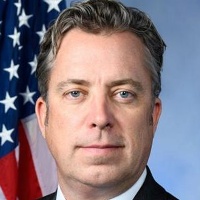
The Ending Chemical Abortions Act of 2025 seeks to establish a federal criminal prohibition on the prescription, distribution, and sale of chemical abortion drugs, with limited exceptions for the life of the mother or the treatment of miscarriages.
Andrew Ogles
Representative
TN
Andrew Ogles
Representative
TN
The Ending Chemical Abortions Act of 2025 seeks to prohibit the prescription, distribution, and sale of drugs intended to cause an abortion. The bill establishes federal criminal penalties for violations, while providing specific exceptions for contraception, the treatment of miscarriages, and medical emergencies that threaten the life of the mother. It also clarifies that women who undergo chemical abortions are exempt from criminal prosecution under this act.
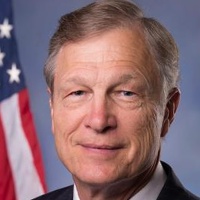
The Birthright Citizenship Act of 2025 limits automatic birthright citizenship to children born in the U.S. to at least one parent who is a U.S. citizen, a lawful permanent resident, or an alien serving in the U.S. armed forces.
Brian Babin
Representative
TX
Brian Babin
Representative
TX
The Birthright Citizenship Act of 2025 proposes to limit automatic birthright citizenship to children born in the United States who have at least one parent who is a U.S. citizen, a lawful permanent resident, or an alien serving in the U.S. armed forces. This legislation would exclude children born to parents without legal status or those on temporary visas from receiving automatic citizenship. These changes would apply only to individuals born on or after the date of the Act's enactment.