Legislative Activity
Track Sean's sponsored bills, co-sponsored legislation, and voting record
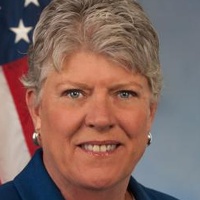
This Act establishes a competitive grant program through the EPA to help entities reduce food waste by 50 percent by 2035 compared to 2015 levels.
Julia Brownley
Representative
CA
Julia Brownley
Representative
CA
The Zero Food Waste Act establishes a competitive grant program through the EPA to achieve a 50% reduction in national food waste by 2035. These grants will support state, local, tribal governments, and nonprofits in studying, planning, collecting data on, and implementing projects to reduce food waste. The legislation prioritizes funding for projects that prevent waste and benefit communities disproportionately affected by environmental harms.
This act nullifies a recent Executive Order regarding federal labor relations and ensures existing collective bargaining agreements remain in effect.

Jared Golden
Representative
ME
Jared Golden
Representative
ME
The Protect America's Workforce Act nullifies a specific Executive Order issued in March 2025 concerning exclusions from federal labor-management relations programs. This legislation ensures that any existing collective bargaining agreements between federal agencies and employee unions remain fully in effect until their stated expiration dates. The Act also prohibits the use of federal funds to implement the overturned Executive Order.
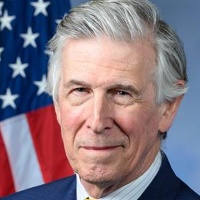
The Keeping All Students Safe Act strictly prohibits dangerous restraint and seclusion in federally funded schools while mandating comprehensive state reporting, staff training, and parental notification for any permissible physical restraint.
Donald Beyer
Representative
VA
Donald Beyer
Representative
VA
The Keeping All Students Safe Act strictly prohibits dangerous restraint and seclusion practices in federally funded schools, establishing national safety standards and requiring immediate parental notification after any restraint incident. It mandates that states create detailed plans, publicly report incident data broken down by student demographics, and utilize federal grants to fund training and prevention strategies. The bill creates a private right of action for families harmed by violations and ensures oversight across various federal school systems.
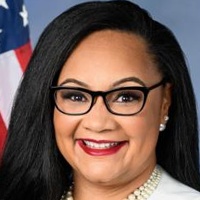
This resolution commends state and local governments for championing reproductive rights as human rights while condemning abortion restrictions and criminalization following the *Dobbs* decision.
Nikema Williams
Representative
GA
Nikema Williams
Representative
GA
This concurrent resolution commends state and local governments for championing reproductive rights as human rights following the overturning of *Roe v. Wade*. It declares that denying abortion care leads to severe health risks and highlights the criminalization of pregnancy outcomes across the U.S. The resolution urges states to repeal abortion restrictions and affirm that reproductive rights are fundamental human rights.
This bill officially renames the United States Postal Service facility at 5225 Harrison Avenue in Rockford, Illinois, as the Jay P. Larson Post Office Building.
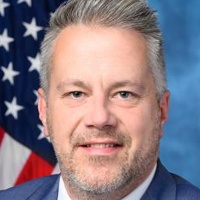
Eric Sorensen
Representative
IL
Eric Sorensen
Representative
IL
This bill officially designates the United States Postal Service facility located at 5225 Harrison Avenue in Rockford, Illinois, as the **Jay P. Larson Post Office Building**. The legislation ensures that all future official references to this specific location will use the newly established name.
This bill officially names the World War II Women's Memorial at Arlington National Cemetery and adjusts location restrictions for a related commemorative work in Washington, D.C.

Debbie Dingell
Representative
MI
Debbie Dingell
Representative
MI
This Act officially names the memorial at the entrance to Arlington National Cemetery as the "World War II Women's Memorial." It also designates this memorial as a "commemorative work" under existing federal law. Furthermore, the bill allows a specific World War II home front women's commemorative work to be placed in designated areas within Washington, D.C., overriding standard location restrictions.
This bill establishes new requirements, time limits, and Congressional approval for Department of Defense support to civilian law enforcement, prohibits dual service in the DoD and civilian law enforcement, and creates a private right of action for violations.
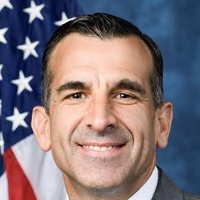
Sam Liccardo
Representative
CA
Sam Liccardo
Representative
CA
The Military in Law Enforcement Accountability Act establishes new requirements and strict time limits for the Department of Defense when providing support to civilian law enforcement agencies, requiring prior Congressional notification and justification. It also prohibits Department of Defense personnel from simultaneously serving in civilian law enforcement roles, with limited exceptions for reservists. Furthermore, the bill broadens the circumstances under which military and federal law enforcement can assist civil authorities and creates a private right of action for violations of the Act.
The Dignity for Detained Immigrants Act establishes comprehensive standards, rigorous oversight, and new custody procedures to ensure humane treatment and due process for all noncitizens detained by the Department of Homeland Security, while phasing out for-profit detention facilities.

Pramila Jayapal
Representative
WA
Pramila Jayapal
Representative
WA
The Dignity for Detained Immigrants Act aims to overhaul immigration detention by establishing mandatory, high standards based on ABA guidelines and increasing transparency through rigorous, unannounced inspections. The bill prohibits the use of private, for-profit detention facilities within three years and ends the mandatory detention of most noncitizens, prioritizing release or community-based alternatives. Furthermore, it establishes new due process rights, including timely custody hearings, a presumption of release, and prohibitions on detaining children or using solitary confinement.
This bill mandates the SEC to update venture capital fund regulations by expanding the definition of qualifying investments and imposing new limits on secondary market and fund-of-fund holdings.
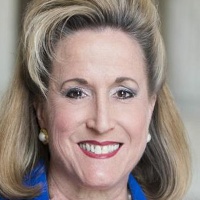
Ann Wagner
Representative
MO
Ann Wagner
Representative
MO
The Developing and Empowering our Aspiring Leaders Act of 2025 directs the SEC to update venture capital fund regulations within 180 days. This update expands the definition of a "qualifying investment" to include secondary purchases and investments in other venture capital funds. Furthermore, the bill imposes a new limit, restricting a fund's holdings in other VC funds or secondary investments to no more than 49% of its total capital.
The Mikaela Naylon Give Kids a Chance Act primarily focuses on enhancing pediatric drug research, ensuring completion of pediatric study requirements, extending incentives for rare pediatric disease treatments, and making targeted updates to FDA and organ transplant network operations.
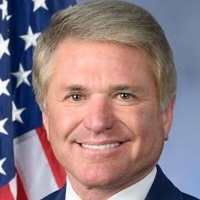
Michael McCaul
Representative
TX
Michael McCaul
Representative
TX
The Mikaela Naylon Give Kids a Chance Act focuses primarily on improving pediatric drug development and ensuring patient access to necessary treatments. This legislation mandates new research requirements for molecularly targeted pediatric cancer drugs, strengthens FDA enforcement of pediatric study completion, and extends incentives for developing drugs for rare pediatric diseases. Additionally, the bill updates organ transplant network functions and establishes an Abraham Accords Office within the FDA to enhance international regulatory cooperation.
The Find It Early Act mandates no-cost coverage for additional, recommended breast cancer screenings for high-risk individuals across private insurance, Medicare, Medicaid, TRICARE, and VA health programs starting in 2026.

Rosa DeLauro
Representative
CT
Rosa DeLauro
Representative
CT
The Find It Early Act mandates that certain individuals at increased risk for breast cancer receive additional, recommended screenings with no out-of-pocket costs. This coverage requirement applies across private health plans, Medicare, Medicaid, TRICARE, and the Department of Veterans Affairs. These provisions are set to take effect starting January 1, 2026.
This Act prohibits discrimination based on religion, sex, or marital status in federally funded child welfare services to improve outcomes for all children, especially LGBTQ youth.

Danny Davis
Representative
IL
Danny Davis
Representative
IL
The John Lewis Every Child Deserves a Family Act prohibits discrimination based on religion, sex, or marital status in federally funded child welfare services. This aims to increase the number of stable, family-like placements for children, especially for LGBTQ youth who are overrepresented in foster care. The bill mandates federal guidance, training, and data collection to improve safety and well-being outcomes for all children involved in the system.
This bill expands Medicare coverage for medical nutrition therapy services to treat a wider range of chronic conditions and allows more healthcare providers to order these services.

Robin Kelly
Representative
IL
Robin Kelly
Representative
IL
This bill, the Medical Nutrition Therapy Act of 2025, aims to significantly expand Medicare coverage for medical nutrition therapy services. It broadens the list of covered chronic conditions beyond diabetes and kidney disease to include obesity, hypertension, cancer, and more. Furthermore, the legislation allows a wider range of healthcare providers, such as nurse practitioners and physician assistants, to order these medically necessary nutrition services.
This Act provides liability protection for individuals and organizations who donate or distribute menstrual products in good faith to those in need.

Grace Meng
Representative
NY
Grace Meng
Representative
NY
The Good Samaritan Menstrual Products Act provides liability protections for individuals, manufacturers, and nonprofit organizations that donate or distribute menstrual products in good faith to those in need. This protection covers the nature, age, or condition of apparently usable donated products. However, these protections do not apply in cases of gross negligence or intentional misconduct.
This bill creates a Medicare buy-in option for first responders aged 50 to 64 who retired or became disabled, allowing them to access Medicare coverage early.
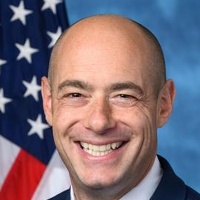
Greg Landsman
Representative
OH
Greg Landsman
Representative
OH
The Expanding Health Care Options for First Responders Act creates a new Medicare buy-in option for qualified first responders aged 50 to 64 who retired or became disabled. This allows eligible individuals to enroll in Medicare Parts A, B, and D, or Medicare Advantage plans, before reaching age 65. The bill establishes premium calculations, coordinates coverage with the Affordable Care Act, and creates an oversight board to monitor the program.
This bill establishes sanctions against foreign individuals responsible for human rights violations against LGBTQI people and mandates enhanced tracking and reporting of such abuses in annual human rights reports.

Sarah McBride
Representative
DE
Sarah McBride
Representative
DE
The Global Respect Act aims to promote and protect the human rights of LGBTQI individuals worldwide. It mandates the President to identify and report foreign persons responsible for human rights violations against LGBTQI people, leading to their inadmissibility to the United States. Furthermore, the Act requires enhanced tracking and reporting of violence and discrimination targeting individuals based on sexual orientation, gender identity, or sex characteristics in the annual human rights reports.
This bill mandates the disclosure of chemicals used in hydraulic fracturing operations to the state both before and after operations, while ensuring immediate disclosure of proprietary formulas during medical emergencies.

Diana DeGette
Representative
CO
Diana DeGette
Representative
CO
The Fracturing Responsibility and Awareness of Chemicals Act of 2025 amends the Safe Drinking Water Act to bring hydraulic fracturing fluid injection under federal regulation. This bill mandates that operators disclose the specific chemicals used before and after fracturing operations to the relevant state authority. Furthermore, it ensures immediate disclosure of proprietary chemical formulas to medical professionals during emergencies.
This act repeals specific sections of a prior reconciliation act to restore previous laws affecting American families and farmers.
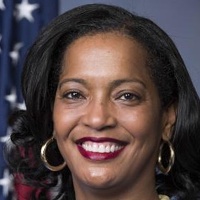
Jahana Hayes
Representative
CT
Jahana Hayes
Representative
CT
The Restoring Food Security for American Families and Farmers Act of 2025 aims to strengthen domestic food security by repealing specific sections of a prior reconciliation act. This action effectively revives the original laws that were previously amended by the repealed provisions. The bill seeks to revert existing agricultural and food-related statutes to their pre-amendment status.
This bill mandates regular testing and public reporting of nearby drinking water sources for all hydraulic fracturing operations that inject fluids underground.

Janice Schakowsky
Representative
IL
Janice Schakowsky
Representative
IL
The Safe Hydration is an American Right in Energy Development Act of 2025 amends the Safe Drinking Water Act to establish new testing and reporting requirements for hydraulic fracturing (fracking) operations. This bill prohibits fracking injection unless operators agree to test nearby underground drinking water sources according to a set schedule and submit results to the EPA. The EPA is required to create a publicly accessible database of all submitted test results.
The CLOSE Act removes the Clean Air Act exemption for aggregating oil and gas emissions and mandates the EPA to list hydrogen sulfide as a hazardous air pollutant.

Yvette Clarke
Representative
NY
Yvette Clarke
Representative
NY
The CLOSE Act aims to strengthen air quality regulations by removing the exemption that previously allowed for the aggregation of emissions from oil and gas sources under the Clean Air Act. Furthermore, this legislation mandates the EPA to formally list hydrogen sulfide as a hazardous air pollutant. This action will require the EPA to establish specific source categories for hydrogen sulfide emissions, including oil and gas wells.