Legislative Activity
Track Sean's sponsored bills, co-sponsored legislation, and voting record
This act simplifies the employment requirement for the Public Service Loan Forgiveness program by clarifying that qualifying employment time is counted as long as borrowers were employed in a qualifying job while making required payments.
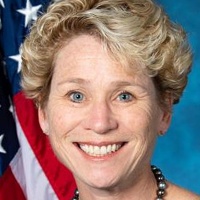
Chrissy Houlahan
Representative
PA
Chrissy Houlahan
Representative
PA
The PSLF Payment Completion Fairness Act simplifies the requirements for the Public Service Loan Forgiveness (PSLF) program. This bill removes the confusing dual requirement that previously mandated simultaneous qualifying employment and payment status for service time to count. Moving forward, the focus is simply on having been employed in a qualifying job while making the required payments.
This Act prohibits the advertising and provision of paid conversion therapy intended to change an individual's sexual orientation or gender identity, empowering the FTC and State Attorneys General to enforce these prohibitions.
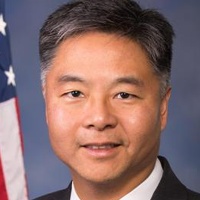
Ted Lieu
Representative
CA
Ted Lieu
Representative
CA
The Therapeutic Fraud Prevention Act of 2025 declares that practices attempting to change an individual's sexual orientation or gender identity for payment constitute an unfair and deceptive business practice. Citing professional consensus on the ineffectiveness and harm of such "conversion therapy," the bill prohibits its provision and advertising. Enforcement authority is granted to the Federal Trade Commission (FTC), and the law allows both the U.S. Attorney General and State Attorneys General to file civil actions against violators.
The Captive Primate Safety Act of 2025 bans the interstate commerce, breeding, and possession of most nonhuman primates, with limited exceptions for existing registered owners and research facilities.

Mike Quigley
Representative
IL
Mike Quigley
Representative
IL
The Captive Primate Safety Act of 2025 amends the Lacey Act to prohibit the importation, sale, breeding, and possession of most nonhuman primates across state lines. This sweeping ban includes species like monkeys and lemurs, with limited exceptions for registered research facilities and existing owners who register their animals promptly. The law establishes immediate prohibitions, even before the Secretary of the Interior finalizes all associated regulations.
This act establishes research grants and training programs to develop and implement PFAS-free, next-generation turnout gear to protect firefighters from occupational illness and injury.
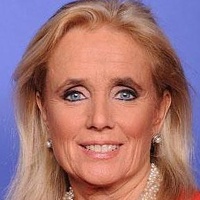
Debbie Dingell
Representative
MI
Debbie Dingell
Representative
MI
The PFAS Alternatives Act aims to protect firefighters by funding research and development for next-generation turnout gear that eliminates harmful PFAS chemicals. The bill establishes grants through NIOSH to create safer, PFAS-free protective equipment and separate funding for training programs on the proper care of this new gear. Ultimately, this legislation seeks to reduce occupational illness and injury among fire and EMS personnel.
This resolution recognizes the impact of menstrual stigma and expresses support for designating May as National Menstrual Health Awareness Month to promote education, research, and equitable access to care.
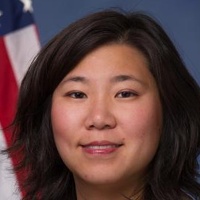
Grace Meng
Representative
NY
Grace Meng
Representative
NY
This resolution expresses strong support for designating May as "National Menstrual Health Awareness Month." It recognizes the significant impact that menstruation stigma has on the health, education, and economic participation of women and people who menstruate. The bill advocates for increased education, better access to care for menstrual conditions, and greater clinical research into women's reproductive health.
The Better CARE for Animals Act of 2025 strengthens the enforcement of the Animal Welfare Act by expanding investigative authority, establishing new civil penalties up to \$10,000 per day, and explicitly granting the Attorney General power to file civil actions, including seeking seizure and forfeiture of animals.
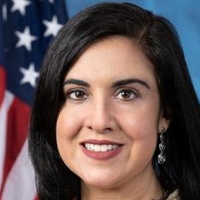
Nicole Malliotakis
Representative
NY
Nicole Malliotakis
Representative
NY
The Better CARE for Animals Act of 2025 significantly strengthens enforcement of the Animal Welfare Act by clarifying definitions and expanding the scope of investigations. It grants the Attorney General explicit authority to file civil actions seeking penalties up to $10,000 per day, and mandates that collected fines help cover temporary animal care costs. The bill also requires the Secretary of Agriculture and the Attorney General to establish a formal agreement for coordinated enforcement.
This bill makes diapers a qualified medical expense for tax-advantaged accounts and prohibits state and local governments from imposing sales tax on diaper purchases.
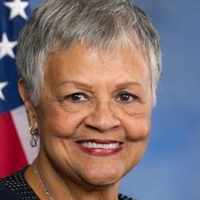
Bonnie Watson Coleman
Representative
NJ
Bonnie Watson Coleman
Representative
NJ
The Improving Diaper Affordability Act of 2025 addresses the significant financial burden and health risks associated with diaper need for American families. This bill makes diapers a qualified expense for tax-advantaged accounts like HSAs, FSAs, and HRAs, effectively lowering the cost through pre-tax dollars. Additionally, it prohibits state and local governments from imposing retail sales or use taxes on the purchase of diapers. These measures aim to increase access to this essential item for low-income households.
This bill bans the manufacture, sale, and transfer of specific semiautomatic assault weapons and large-capacity ammunition feeding devices while grandfathering existing possessions and establishing new transfer requirements.
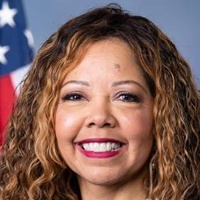
Lucy McBath
Representative
GA
Lucy McBath
Representative
GA
The Assault Weapons Ban of 2025 comprehensively defines and bans the manufacture, sale, and transfer of specific semiautomatic assault weapons and large capacity ammunition feeding devices. The bill grandfathers existing weapons but imposes new requirements for their secure storage and mandates dealer involvement for future private transfers. It also allows federal grant money to be used by states for buy-back programs targeting these banned items.
This Act mandates increased financial and operational transparency from health care sharing ministries to both government agencies and their members, alongside new disclosure requirements for enrollment contractors.
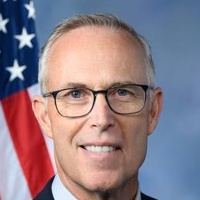
Jared Huffman
Representative
CA
Jared Huffman
Representative
CA
The Health Share Transparency Act of 2025 requires health care sharing ministries (HCSMs) to significantly increase public and governmental disclosure regarding their finances, operations, and claim practices. Ministries must provide detailed annual reports to federal agencies and give clear, prominent disclosures to prospective and current members about coverage limitations and appeal processes. The bill also mandates that enrollment contractors educate potential members on the differences between HCSMs and traditional insurance plans.
The Equality Act comprehensively prohibits discrimination based on sex, sexual orientation, and gender identity across key areas including public accommodations, employment, housing, credit, and jury service.
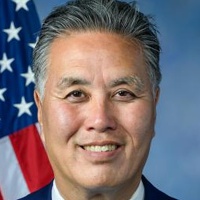
Mark Takano
Representative
CA
Mark Takano
Representative
CA
The Equality Act comprehensively expands federal civil rights protections against discrimination based on sex, sexual orientation, and gender identity across key areas of American life. It amends existing laws to prohibit discrimination in public accommodations, housing, credit, employment, and federal funding. The purpose of the bill is to provide consistent, explicit, and comprehensive remedies for individuals facing bias in these essential sectors.
This bill repeals the Arctic National Wildlife Refuge oil and gas program and designates over 1.5 million acres of the refuge as protected wilderness.
Jared Huffman
Representative
CA
Jared Huffman
Representative
CA
The Arctic Refuge Protection Act officially repeals the previous law authorizing oil and gas leasing in the Arctic National Wildlife Refuge. This legislation simultaneously designates approximately 1.56 million acres within the Refuge as protected wilderness under the National Wilderness Preservation System. The Secretary of the Interior is now required to manage this newly designated land according to strict wilderness preservation standards.
This Act authorizes the President to impose sanctions, including asset freezes and visa bans, on foreign individuals involved in violence, property destruction, or displacement in the West Bank.
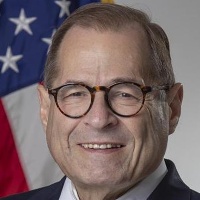
Jerrold Nadler
Representative
NY
Jerrold Nadler
Representative
NY
The West Bank Violence Prevention Act of 2025 declares extreme settler violence and displacement in the West Bank a threat to U.S. national security interests. This Act mandates the President to impose sanctions, including asset freezes and visa bans, on foreign individuals responsible for undermining peace and stability in the region. The Treasury Department must report to Congress on the implementation of these sanctions every 90 days.
This resolution expresses support for honoring Earth Day, recognizes past environmental achievements, warns against undermining current climate laws, and urges the President to issue a proclamation encouraging environmental action.
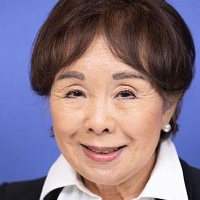
Doris Matsui
Representative
CA
Doris Matsui
Representative
CA
This resolution expresses strong support for honoring Earth Day and recognizes its historical importance in launching the modern environmental movement. It highlights ongoing challenges like climate change while celebrating recent landmark investments in clean energy and infrastructure. Ultimately, the bill urges the President to issue a proclamation recognizing Earth Day and encourages all Americans to take sustained action to protect the environment for future generations.
This Act establishes a 30% tax credit for businesses investing in qualifying on-site or municipal water reuse projects to encourage the use of recycled water.
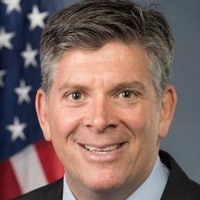
Darin LaHood
Representative
IL
Darin LaHood
Representative
IL
The Advancing Water Reuse Act establishes a new "qualifying water reuse project credit" to incentivize businesses to recycle water. This credit offers a 30% tax break on qualified investments in on-site water recycling systems or infrastructure that supports industrial or commercial water reuse. The tax incentive is designed to encourage the adoption of water conservation technologies until the end of 2032.
This Act establishes a federal grant program for states, local governments, and eligible dealers to conduct gun buybacks using restricted smart prepaid cards, and criminalizes the use of those cards for firearm or ammunition purchases.
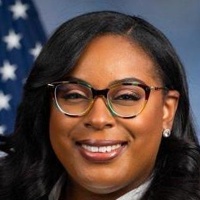
LaMonica McIver
Representative
NJ
LaMonica McIver
Representative
NJ
The Safer Neighborhoods Gun Buyback Act of 2025 establishes a federal grant program administered by the Bureau of Justice Assistance to fund state, local, and tribal governments, as well as eligible gun dealers, to conduct local gun buyback events. These buybacks must utilize specially designed "smart prepaid cards" that are technologically barred from purchasing firearms or ammunition. The bill also creates a new federal crime with significant penalties for anyone using or accepting these specific prepaid cards to illegally acquire or transfer a firearm or ammunition.
This bill eliminates the federal income tax on Social Security benefits while adjusting the Social Security payroll tax cap and increasing future benefit calculations for high earners starting in 2026.
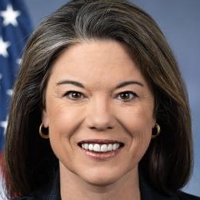
Angie Craig
Representative
MN
Angie Craig
Representative
MN
The You Earned It, You Keep It Act eliminates federal income tax on Social Security benefits while ensuring trust funds remain whole through Treasury appropriations. Starting in 2026, the bill significantly alters the Social Security payroll tax cap for high earners, introducing a new $\$250,000$ threshold for both wage taxation and benefit calculation. Furthermore, it adjusts the benefit formula for future retirees by adding a small bonus based on earnings above $\$250,000$, while protecting access to needs-based programs like SSI and Medicaid.
The Youth Workforce Readiness Act of 2025 establishes grants for out-of-school programs run by community organizations to prepare eligible youth (ages 6-18) for employment through work experience, training, and mentorship, while also strengthening local Youth Councils.
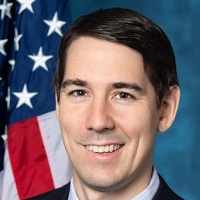
Josh Harder
Representative
CA
Josh Harder
Representative
CA
The Youth Workforce Readiness Act of 2025 establishes a competitive grant program to fund national organizations in developing comprehensive, out-of-school workforce readiness programs for youth aged 6 to 18. This Act aims to boost employment opportunities by connecting youth education and training with employer needs through community partnerships. Furthermore, it strengthens youth voices by mandating the reestablishment and integration of Youth Councils within local workforce boards to advise on training and readiness initiatives.
This act increases the maximum loan amounts available to small businesses under certain SBA programs and mandates annual reporting on the distribution of those enhanced loans.
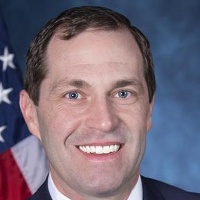
Jason Crow
Representative
CO
Jason Crow
Representative
CO
The Small Business Energy Loan Enhancement Act significantly increases the maximum loan amounts available to eligible small businesses under specific Small Business Administration (SBA) programs, raising the limit from $\$5.5$ million to $\$10$ million. This legislation also mandates that the SBA report annually to Congress detailing the industries and geographic areas benefiting from these enhanced loan categories. The goal is to provide greater financial resources for small businesses through SBA lending.
The WISE Act aims to remove barriers for immigrant survivors of crime and abuse seeking legal status, while significantly reforming and expanding protections within the U-visa program and other victim-based immigration relief.
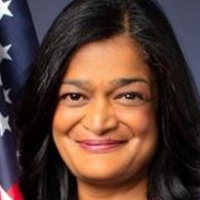
Pramila Jayapal
Representative
WA
Pramila Jayapal
Representative
WA
The Working for Immigrant Safety and Empowerment (WISE) Act aims to strengthen protections and streamline legal pathways for non-citizen survivors of crime and abuse, including domestic violence and trafficking. The bill reforms the U-visa program by eliminating its annual cap and speeding up work authorization for victims. It also establishes new protections against detention and deportation for victims with pending humanitarian applications and expands access to public benefits for certain lawfully present noncitizens.
This Act establishes an Advisory Council to survey needs, identify best practices, and disseminate comprehensive resources for victims of all forms of gun violence.
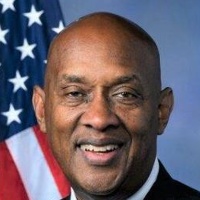
Dwight Evans
Representative
PA
Dwight Evans
Representative
PA
The Resources for Victims of Gun Violence Act of 2025 establishes an Advisory Council, led by HHS, to assess the needs of gun violence victims and service providers. This Council will survey stakeholders, review existing support programs, and identify best practices for medical, financial, and mental health assistance. Its primary function is to compile and widely distribute a comprehensive list of available federal, state, and nonprofit resources to ensure victims can easily access necessary aid.