The Federal Naming Standards Act prohibits naming federal buildings, facilities, or programs after elected officials or political appointees until at least 10 years after they leave office.
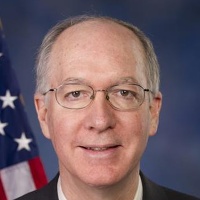
Bill Foster
Representative
IL-11
The Federal Naming Standards Act prohibits federal buildings, facilities, and programs from being named after elected officials or political appointees until at least 10 years after they leave office. This legislation aims to prevent the politicization of public property by establishing strict waiting periods and oversight by agency inspectors general. It includes specific exemptions for deceased individuals and historical or educational contexts.
Federal Naming Standards Act Sets 10-Year Cooling-Off Period for Naming Buildings After Politicians
The Federal Naming Standards Act aims to hit the pause button on the common practice of naming federal buildings, programs, or facilities after the people who run them. Under this bill, any elected official or political appointee would have to wait at least 10 years after leaving their post before their name could be considered for a federal plaque or branding. The goal is to ensure that these honors are based on long-term historical significance rather than current political influence or personal branding efforts.
The Million-Dollar Cooldown
For officials who have turned their public service into a lucrative private career, the wait could be even longer. Section 2 of the bill introduces a unique financial trigger: if a former official earns more than $1,000,000 annually from the commercial use of their name, image, or likeness (NIL), the 10-year ban stays in place until their earnings from those activities drop below that million-dollar mark. This means a high-profile politician who signs a massive media or branding deal might never see their name on a federal courthouse while their commercial value remains at peak levels. It’s a provision that targets the intersection of public office and private profit, ensuring that federal property isn't used to bolster a person's active commercial brand.
Exceptions and Everyday Impacts
This isn't a total wipeout of history. The bill specifically excludes deceased individuals, meaning we can still honor those who have passed away without waiting out the clock. It also protects existing names—so you won't see workers scraping letters off buildings that were already named before this Act. For the average person visiting a national park or working in a federal office, the most noticeable change will be a shift in museum exhibits or educational materials. The bill allows for "incidental uses," meaning a former official’s face can still appear in a historical display or a documentary funded by the government, provided they aren't the "principal branding" of the site.
Watching the Watchdogs
Enforcement falls to the Inspectors General of federal agencies, who are required to investigate complaints about naming violations and report to Congress within 90 days. While this adds a layer of accountability, the bill is somewhat vague on what happens if a violation is found. There’s also a bit of a gray area in what counts as "principal branding" versus "incidental use." For example, if a library wing is named after a donor who was also a former appointee, the distinction might get blurry. While the bill seeks to cut down on political favoritism, it also means that genuinely impactful public servants who aren't wealthy or deceased might have to wait a decade or more for their contributions to be formally recognized by the government they served.