The High Court Gift Ban Act prohibits federal judicial officers from accepting gifts exceeding $50 per instance or $100 annually from a single source, with specific exceptions and enforcement penalties.
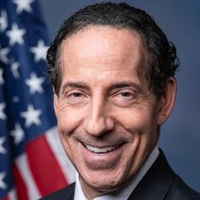
Jamie Raskin
Representative
MD-8
The High Court Gift Ban Act establishes strict limits on gifts accepted by federal judicial officers, prohibiting any gift valued over $50 or exceeding $100 in total annual value from a single source. The bill includes specific exemptions for personal hospitality, professional events, and family gifts, while mandating enforcement through the Judicial Conference and potential civil or criminal penalties for violations.
High Court Gift Ban Act Sets $50 Individual Limit on Gifts to Federal Judges
The High Court Gift Ban Act aims to clean up the optics of the federal bench by placing a hard cap on the perks judges can accept. Under the proposed rules, federal judges would be prohibited from taking any gift valued at more than $50 in a single instance. Furthermore, they can’t rack up more than $100 in total gifts from the same person or organization over the course of a calendar year. This isn't just about cash; the bill defines a "gift" broadly to include everything from event tickets and travel reimbursements to discounts and hospitality. If a judge is caught knowingly breaking these rules, the Attorney General can step in with civil penalties or even criminal charges.
The Fine Print on Favors
While the $50 cap sounds strict, the bill carves out several common-sense exceptions to keep judges from being totally isolated. Judges can still accept gifts from relatives or other judges, and they can keep honorary degrees or public service awards from educational institutions. They are also free to use discounts that are available to all federal employees or the general public—like a standard bank loan or a professional membership perk. One key area of flexibility involves "personal hospitality." A judge can still stay at a friend’s vacation home without it counting toward the $50 limit, provided that the host is an individual (not a corporation), the stay is for a non-business purpose, and the host is actually present. However, this hospitality cannot exceed the annual federal gift tax exclusion, which currently sits around $18,000.
Work Trips and Legal Seminars
For the office workers and legal professionals who follow judicial education, the bill changes the math on seminars. Judges can still have their travel, food, and lodging covered for events related to the law, but there are new guardrails. The total reimbursement for a trip is capped at $2,000. If a seminar is particularly expensive, a judge would need a written waiver from the Chief Justice or a chief circuit judge to accept more. Crucially, these reimbursements cannot come from a "prohibited source"—defined as anyone who currently has a case before the judge or is likely to in the future. This is designed to ensure that the person picking up the tab for a judge's hotel room isn't the same person waiting for a ruling from that judge the following week.
Accountability and the Family Tree
The bill also closes a potential loophole regarding family members. If a judge’s spouse or child receives a fancy gift, and the judge knows about it and realizes it was only given because of their high-ranking position, that gift counts against the judge’s own $50 limit. To get the ball rolling, the Supreme Court and the Judicial Conference are required to issue formal regulations within 180 days to make these rules official. For the average citizen, this means the rules for the highest courts would start looking a lot more like the ethics rules found in many private-sector HR handbooks, aiming to ensure that judicial decisions are based on the law rather than the perks of the office.