Legislative Activity
Track Bill's sponsored bills, co-sponsored legislation, and voting record
This Act establishes the Baltic Security Initiative to deepen U.S. military cooperation with Estonia, Latvia, and Lithuania to deter Russian aggression and enhance regional defense capabilities through 2028 with \$350 million authorized annually.
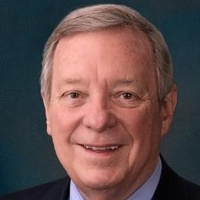
Richard Durbin
Senator
IL
Richard Durbin
Senator
IL
The Baltic Security Initiative Act establishes a new program to deepen U.S. military cooperation with Estonia, Latvia, and Lithuania to deter Russian aggression and implement NATO strategy. This initiative will focus on long-term projects like enhancing air defense, improving cyber resilience, and developing regional military capabilities. The Secretary of Defense must submit a strategy outlining these efforts and is authorized $350 million annually from FY2026 through FY2028 to support the program.
This bill repeals the EPA's recent multi-pollutant emissions standards and prohibits the EPA from issuing tailpipe regulations that mandate specific vehicle technologies or limit the availability of new motor vehicles based on engine type.

Michael Crapo
Senator
ID
Michael Crapo
Senator
ID
The Choice in Automobile Retail Sales Act of 2025 repeals the EPA's recent multi-pollutant emissions standards for light-duty and medium-duty vehicles. Furthermore, this Act prohibits the EPA from issuing future tailpipe emission regulations that mandate specific technologies or limit the availability of new motor vehicles based on engine type. The EPA must update existing rules within 24 months to comply with these new restrictions.
The Security and Oversight for International Landholdings Act of 2025 expands CFIUS review of foreign agricultural land and real estate near military bases, prohibits federal aid to certain foreign-owned farmland, and increases disclosure and reporting requirements for foreign landholdings.

James Lankford
Senator
OK
James Lankford
Senator
OK
The Security and Oversight for International Landholdings Act of 2025 (SOIL Act) expands the Committee on Foreign Investment in the United States (CFIUS) review authority over foreign acquisitions of U.S. agricultural land and real estate near military bases, particularly involving entities from designated national security risk countries. The bill also prohibits federal agricultural assistance for landholdings tied to these flagged nations and strengthens disclosure requirements for foreign-held agricultural leases. Finally, it mandates an annual public report detailing foreign ownership of U.S. farmland broken down by country, state, and county.
This Act prohibits the EPA from enforcing the Phase 3 heavy-duty vehicle emission rules and bars future tailpipe regulations from mandating specific technologies or limiting the availability of new vehicle types.
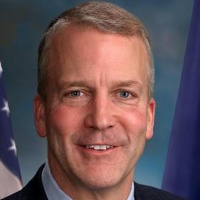
Dan Sullivan
Senator
AK
Dan Sullivan
Senator
AK
The Freedom to Haul Act of 2025 prohibits the EPA from implementing or enforcing the Phase 3 heavy-duty vehicle emission rules. Furthermore, the bill prevents the EPA from issuing tailpipe emission regulations that mandate specific technologies or limit the availability of new motor vehicles based on engine type. This ensures manufacturers retain flexibility in meeting pollution standards.
This Act mandates accurate Medicaid drug cost surveys to set fair pharmacy payments and prohibits spread pricing by requiring transparent pass-through payments from Pharmacy Benefit Managers to pharmacies.
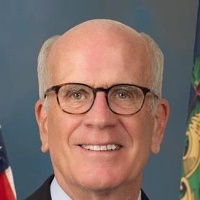
Peter Welch
Senator
VT
Peter Welch
Senator
VT
The Protecting Pharmacies in Medicaid Act aims to ensure pharmacies receive accurate payments under Medicaid by requiring government surveys to establish transparent national drug acquisition cost benchmarks. It also prohibits abusive "spread pricing" by requiring Pharmacy Benefit Managers (PBMs) to pass through ingredient costs plus dispensing fees directly to pharmacies. This legislation mandates greater transparency in PBM contracts and establishes penalties for non-compliant pharmacies refusing to participate in cost surveys.
The Patients Before Middlemen Act mandates fair pharmacy network access for Medicare beneficiaries and imposes strict transparency and compensation limits on Pharmacy Benefit Managers (PBMs) operating within Medicare Part D.

Marsha Blackburn
Senator
TN
Marsha Blackburn
Senator
TN
The Patients Before Middlemen Act aims to increase transparency and fairness in Medicare Part D prescription drug plans by regulating Pharmacy Benefit Managers (PBMs) and improving pharmacy access. The bill requires PBMs to limit their compensation to bona fide service fees and mandates extensive annual reporting on drug costs and rebates. Additionally, it establishes standards to ensure all pharmacies have fair access to Medicare networks and protects independent pharmacies.
The NFIP Extension Act of 2025 extends the authorization and funding of the National Flood Insurance Program until September 30, 2025.
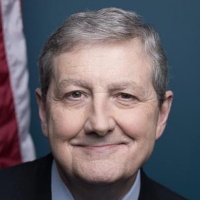
John Kennedy
Senator
LA
John Kennedy
Senator
LA
The NFIP Extension Act of 2025 is a short-term measure designed to keep the National Flood Insurance Program operational. This bill extends both the program's authorization and its financing authority for two years, setting the new expiration date to September 30, 2025. This ensures continued coverage and funding for flood insurance nationwide.
This bill mandates the creation of a comprehensive strategy to increase U.S. exports to Africa and Latin America by 200% within ten years, supported by dedicated export coordinators and trade missions.
Richard Durbin
Senator
IL
Richard Durbin
Senator
IL
This Act mandates the creation of a comprehensive U.S. strategy to significantly boost American exports of goods and services to Africa and Latin America/the Caribbean by 200 percent within ten years. The President must develop this plan in consultation with various government bodies and private sector groups, submitting the final strategy within 200 days of enactment. The bill also establishes dedicated Export Strategy Coordinators and requires joint trade missions to these regions to ensure successful implementation and job creation.
The "Protection of Women and Girls in Sports Act of 2025" amends Title IX to prohibit individuals born male from participating in women's and girls' athletic programs in educational institutions that receive federal funds, defining "sex" as determined at birth.
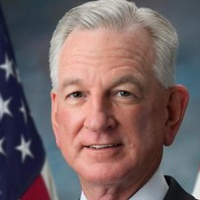
Tommy Tuberville
Senator
AL
Tommy Tuberville
Senator
AL
The "Protection of Women and Girls in Sports Act of 2025" amends Title IX to prohibit schools receiving federal funding from allowing individuals born male to participate in female athletic programs. Sex is defined as determined by reproductive biology and genetics at birth. This bill aims to ensure fair competition for women and girls in sports.
The "Invest to Protect Act of 2025" establishes a grant program to provide resources for training, mental health support, recruitment, and retention of local law enforcement officers in jurisdictions with fewer than 175 officers.
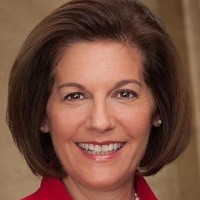
Catherine Cortez Masto
Senator
NV
Catherine Cortez Masto
Senator
NV
The "Invest to Protect Act of 2025" establishes a grant program to support local law enforcement by providing resources for training, mental health services, recruitment, and retention. These grants prioritize de-escalation training, victim-centered approaches, and officer well-being. The program emphasizes accountability through audits, reporting requirements, and transparency in officer recruitment and retention incentives. It allocates \$50 million annually from 2026 to 2030 to facilitate these improvements in law enforcement practices and community safety.
This Act repeals the corporate alternative minimum tax and modifies the tentative minimum tax calculation for non-corporate taxpayers, effective for tax years beginning after December 31, 2024.
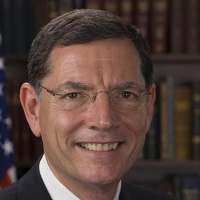
John Barrasso
Senator
WY
John Barrasso
Senator
WY
The Book Minimum Tax Repeal Act completely eliminates the corporate alternative minimum tax (AMT) for corporations, effective for tax years beginning after December 31, 2024. For non-corporate taxpayers, the bill updates the tentative minimum tax calculation with new tiered tax rates of 26% and 28%. This legislation also makes necessary technical adjustments across the Internal Revenue Code to remove references to the repealed corporate AMT structure.
This bill ensures that surviving spouses of veterans who die from ALS receive increased dependency and indemnity compensation, regardless of how long the veteran had the disease before passing.

Lisa Murkowski
Senator
AK
Lisa Murkowski
Senator
AK
The Justice for ALS Veterans Act of 2025 ensures that surviving spouses of veterans who die from amyotrophic lateral sclerosis (ALS) receive increased dependency and indemnity compensation. This benefit is provided regardless of how long the veteran had ALS before passing away. The Act applies retroactively to veterans who died from ALS on or after October 1, 2022.
The "Sickle Cell Disease Comprehensive Care Act" enables state Medicaid programs to provide comprehensive care through health homes for individuals with sickle cell disease, ensuring access to dental and vision services and requiring detailed reporting on healthcare quality, access, and expenditures.
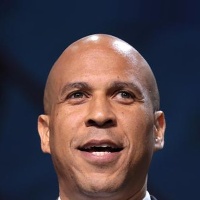
Cory Booker
Senator
NJ
Cory Booker
Senator
NJ
The "Sickle Cell Disease Comprehensive Care Act" enables state Medicaid programs to provide comprehensive care through health homes for individuals with sickle cell disease starting January 1, 2026. It requires states with sickle cell disease-focused plans to provide dental and vision services and to report on healthcare quality, access, and expenditures. The Act also directs the Secretary of Health and Human Services to publish best practices for these state plans.
This resolution commemorates the third anniversary of Russia’s invasion of Ukraine while reaffirming the United States' unwavering support for Ukrainian sovereignty, territorial integrity, and democratic aspirations.
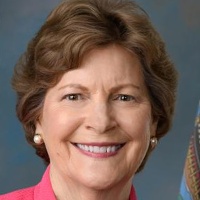
Jeanne Shaheen
Senator
NH
Jeanne Shaheen
Senator
NH
This resolution marks the third anniversary of Russia’s full-scale invasion of Ukraine by reaffirming the United States' unwavering support for Ukraine’s sovereignty and territorial integrity. It honors the resilience of the Ukrainian people, condemns ongoing Russian aggression, and pledges continued commitment to Ukraine’s defense and democratic future.
The "Federal Prisons Accountability Act of 2025" mandates that the Bureau of Prisons Director be appointed by the President and confirmed by the Senate, serving a single 10-year term.
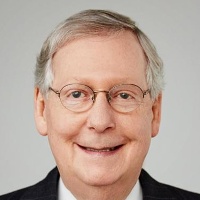
Mitch McConnell
Senator
KY
Mitch McConnell
Senator
KY
The "Federal Prisons Accountability Act of 2025" changes the appointment process for the Director of the Bureau of Prisons. Going forward, the President will appoint the Director with Senate approval, similar to other high-ranking officials in the Department of Justice, for a single 10-year term. The Director will report directly to the Attorney General.
The "Fatal Overdose Reduction Act of 2025" establishes a Medicaid demonstration program for Health Engagement Hubs to increase access to treatment for opioid and substance use disorders.

Maria Cantwell
Senator
WA
Maria Cantwell
Senator
WA
The "Fatal Overdose Reduction Act of 2025" aims to increase access to treatment for opioid and substance use disorders by establishing a Health Engagement Hub Demonstration Program under Medicaid. This program will provide funding for states to create drop-in centers offering a range of medical and social services, including harm reduction, mental health care, and addiction treatment. The Act prioritizes serving Medicaid and uninsured individuals in communities heavily impacted by overdose, with a focus on evidence-based models and community involvement. It also requires comprehensive reporting and evaluation to assess the program's effectiveness.
The "Retirement Security for American Hostages Act of 2025" amends the Social Security Act to provide retirement security to United States nationals who were unlawfully or wrongfully detained or held hostage abroad by deeming them to have earned wages for each month of their detainment.
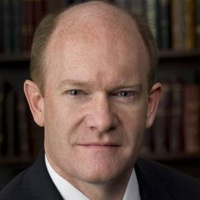
Christopher Coons
Senator
DE
Christopher Coons
Senator
DE
The "Retirement Security for American Hostages Act of 2025" amends the Social Security Act to provide retirement benefits to U.S. nationals who were wrongfully detained or held hostage abroad. It ensures these individuals are credited with deemed wages for each month of their detainment or hostage situation, based on the national average wage index, for the purpose of calculating Social Security benefits. The bill requires the Social Security Commissioner to establish regulations for application and certification, with the changes taking effect 24 months after enactment.
The "Stop Tax Penalties on American Hostages Act of 2025" postpones tax deadlines and reimburses paid late fees for U.S. nationals held hostage or wrongfully detained abroad.
Christopher Coons
Senator
DE
Christopher Coons
Senator
DE
The "Stop Tax Penalties on American Hostages Act of 2025" postpones tax deadlines for U.S. nationals held hostage or wrongfully detained abroad, including their spouses. It also allows these individuals to apply for a refund or abatement of certain tax penalties and fines paid between January 1, 2021, and the bill's enactment. The Secretaries of State, the Attorney General, and the Treasury will coordinate to identify eligible individuals and implement these provisions.
The "IRS MATH Act of 2025" improves IRS notices regarding math or clerical errors by requiring detailed explanations of errors, informing taxpayers of abatement options, and implementing a pilot program for certified mail delivery of notices.
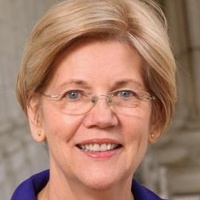
Elizabeth Warren
Senator
MA
Elizabeth Warren
Senator
MA
The IRS MATH Act of 2025 amends the Internal Revenue Code to improve IRS notices regarding math or clerical errors by requiring more detailed explanations of errors, informing taxpayers of abatement options, and implementing a pilot program for certified mail delivery of notices. The Act mandates that the IRS provide clear, specific information about the error, including the relevant tax code section and line number, and establishes procedures for taxpayers to request abatements. Additionally, the Treasury Secretary must conduct a pilot program using certified mail for error notices and report the program's effectiveness to Congress.
This bill designates a portion of Sumner Row in Washington, D.C., as "Alexei Navalny Way" to honor the Russian political activist and symbolize solidarity with those fighting for freedom in Russia.
Richard Durbin
Senator
IL
Richard Durbin
Senator
IL
This bill designates a portion of Sumner Row Northwest in Washington, D.C., as "Alexei Navalny Way" to honor the Russian political activist and his fight for democratic freedoms. It requires the District of Columbia to erect street signs with the new designation near the Russian Ambassador's residence, symbolizing solidarity with the Russian people who are fighting for fundamental freedoms. Congress finds that the Putin administration has been involved in repressing people, assassinating political opponents, and committing human rights abuses. Alexei Navalny fought against corruption in Russia and was allegedly murdered by the Putin regime.