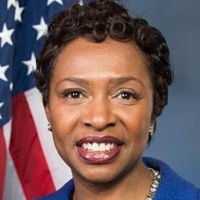
Legislative Activity
Track Yvette's sponsored bills, co-sponsored legislation, and voting record
The Youth Voting Rights Act establishes new federal protections and requirements to expand and enforce voting access for young citizens, including pre-registration for 16- and 17-year-olds, mandatory on-campus polling places, and validation of student IDs.
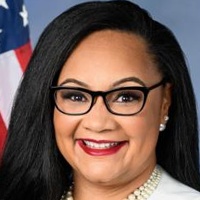
Nikema Williams
Representative
GA
Nikema Williams
Representative
GA
The Youth Voting Rights Act aims to strengthen voting access for young Americans by enforcing the 26th Amendment. This bill mandates that public colleges facilitate voter registration, allows 16- and 17-year-olds to pre-register for federal elections, and requires on-campus polling locations. It also establishes grants to encourage youth civic engagement and strengthens protections against age-based barriers in voting, including ID rules and absentee voting.
The People Over Long Lines Act mandates a maximum 30-minute wait time for federal elections, requires states to submit plans to ensure fair resource allocation, and establishes funding to prevent unreasonable voter delays.
Nikema Williams
Representative
GA
Nikema Williams
Representative
GA
The People Over Long Lines Act (POLL Act) aims to protect the fundamental right to vote by establishing a national standard that no eligible citizen should wait more than 30 minutes to cast a ballot in a federal election. To achieve this, the bill mandates that states submit plans detailing how they will ensure fair wait times and requires the Attorney General to set minimum standards for voting resources like poll workers and equipment. Furthermore, the Act authorizes federal funding to help states comply and creates a private right of action allowing citizens to sue over excessive wait times.
This resolution recognizes the 50th anniversary of Cabo Verde's independence and celebrates the deep historical ties and contributions of Cabo Verdean-Americans to both nations.
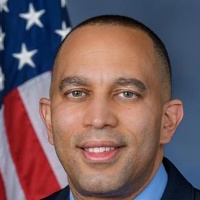
Hakeem Jeffries
Representative
NY
Hakeem Jeffries
Representative
NY
This resolution recognizes the 50th anniversary of the independence of the Republic of Cabo Verde and celebrates the deep, historical ties between the U.S. and Cabo Verde. It honors the significant contributions of Cabo Verdean-Americans to both nations and acknowledges Cabo Verde's commitment to democracy and good governance. The document also commends Cabo Verde's role in international affairs, including its support for Ukraine.
This bill repeals specific prior health reconciliation provisions and expands eligibility for the Premium Tax Credit by removing the 400% income cap and adjusting the subsidy calculation formula.
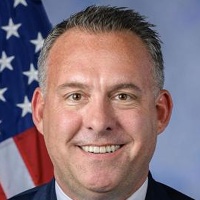
Adam Gray
Representative
CA
Adam Gray
Representative
CA
The Protecting Health Care and Lowering Costs Act of 2025 repeals specific prior reconciliation health provisions. This bill significantly expands eligibility for the Premium Tax Credit by eliminating the 400% Federal Poverty Level income cap. It also updates the subsidy calculation formula to ensure a smoother, linear adjustment of assistance across various income levels.
The EATS Act of 2025 expands eligibility for SNAP benefits by removing previous restrictions for students enrolled at least half-time in recognized educational programs.
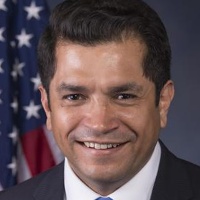
Jimmy Gomez
Representative
CA
Jimmy Gomez
Representative
CA
The EATS Act of 2025 significantly updates eligibility for the Supplemental Nutrition Assistance Program (SNAP) by removing previous restrictions that often disqualified students. This legislation explicitly includes bona fide students enrolled at least half-time in recognized educational programs as eligible participants for food assistance. These changes take effect on January 2, 2026.
This act authorizes $50 million annually from 2026 through 2031 for the CDC to conduct research on firearms safety and gun violence prevention.
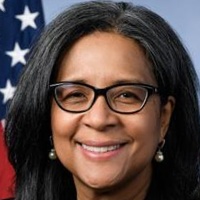
Marilyn Strickland
Representative
WA
Marilyn Strickland
Representative
WA
The Gun Violence Prevention Research Act of 2025 authorizes $50 million annually for the Centers for Disease Control and Prevention (CDC) to conduct or support research on firearms safety and gun violence prevention. This dedicated funding is authorized for each fiscal year from 2026 through 2031. This new allocation is separate from and in addition to any existing CDC research funding.
This resolution supports Minority Mental Health Awareness Month by recognizing the disproportionate mental health struggles and access barriers faced by minority populations and urging increased focus on culturally competent care.

Jasmine Crockett
Representative
TX
Jasmine Crockett
Representative
TX
This resolution supports Minority Mental Health Awareness Month by recognizing the disproportionate impact of mental health conditions on minority populations. It highlights significant racial disparities in mental health experiences and barriers to culturally competent care. The bill calls on the President to increase efforts to improve access to mental health services that specifically address the unique cultural and social challenges faced by minority communities.
This act repeals the prohibition on Medicaid payments to certain healthcare entities and mandates retroactive payment for services already rendered under the repealed ban.
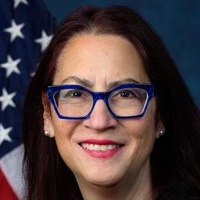
Laura Friedman
Representative
CA
Laura Friedman
Representative
CA
The Restoring Essential Healthcare Act repeals an outdated ban that prevented Medicaid from making payments to certain healthcare providers. This legislation ensures that these previously prohibited entities will now be reimbursed for medical services rendered between the enactment of the original ban and the passage of this Act. In short, it restores payment eligibility and retroactively covers past services.
This Act establishes programs to facilitate educational exchanges for international scholars at U.S. community colleges and vocational schools while also building the capacity of these U.S. institutions to expand their own study abroad offerings.
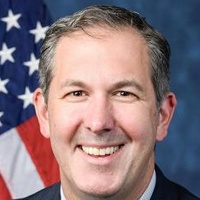
Johnny Olszewski
Representative
MD
Johnny Olszewski
Representative
MD
The Community College Educational Exchange Act aims to expand international educational opportunities by establishing new programs for foreign scholars to study at U.S. community and vocational colleges. It also creates a capacity-building initiative to help these U.S. institutions develop more study abroad options, particularly in STEM and technical fields. The legislation mandates increased outreach and technical assistance to ensure eligible colleges can successfully participate in federal exchange programs.
The Protected Time Off Act establishes a federal minimum accrual rate of one hour of paid annual leave for every 25 hours worked, while protecting employees' rights to use and enforce this earned time off.
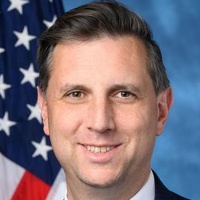
Seth Magaziner
Representative
RI
Seth Magaziner
Representative
RI
The Protected Time Off Act establishes a federal minimum standard for earned paid annual leave, requiring employers to grant employees at least one hour of paid time off for every 25 hours worked, up to 80 hours annually. This law specifies how leave is accrued, used, and rolled over, while protecting employees from retaliation for exercising these rights. It also ensures that existing state laws or agreements that provide more generous leave benefits remain in effect. Enforcement mechanisms are established, largely mirroring those under the Fair Labor Standards Act, allowing both government investigation and direct employee lawsuits.
This Act eliminates age restrictions and simplifies premium requirements for adult children covered under the TRICARE Young Adult program.
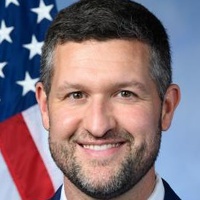
Patrick Ryan
Representative
NY
Patrick Ryan
Representative
NY
The Health Care Fairness for Military Families Act of 2025 significantly improves the TRICARE Young Adult (TYA) program for military dependents. This legislation eliminates the age restriction for TYA eligibility and removes the separate premium requirement for coverage. These changes aim to provide broader and simpler healthcare access for adult children of service members.
The Smart Cities and Communities Act of 2025 establishes federal coordination, grants, workforce training, and interoperability standards to enhance the adoption and security of smart city technology across the United States.
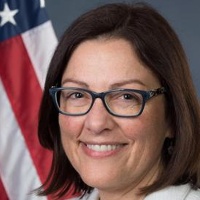
Suzan DelBene
Representative
WA
Suzan DelBene
Representative
WA
The Smart Cities and Communities Act of 2025 aims to significantly enhance the development and adoption of smart city technologies across the U.S. It establishes federal coordination, creates grant programs for local implementation and cybersecurity training, and mandates efforts to improve technology interoperability through standard-setting. Ultimately, the bill seeks to streamline federal support, accelerate safe technology adoption, and promote U.S. leadership in the global smart city sector.
This bill establishes a mandatory system for the Department of Homeland Security to track, record, and report all instances of detaining or removing U.S. citizens or lawful permanent residents during immigration enforcement actions.
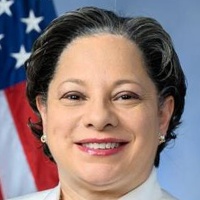
Jennifer McClellan
Representative
VA
Jennifer McClellan
Representative
VA
This bill mandates the Department of Homeland Security (DHS) to establish a comprehensive system for tracking and reporting all instances where U.S. citizens or lawful permanent residents are detained or removed during immigration enforcement actions. The system requires quarterly reports to Congress detailing these incidents, including those involving individuals transferred from other law enforcement agencies. Furthermore, the bill requires DHS to create a formal process allowing detained or removed individuals to submit proof of their citizenship or permanent resident status.
The Keep Kids Covered Act extends continuous Medicaid and CHIP coverage for children and former foster youth to ensure longer periods without re-enrollment.
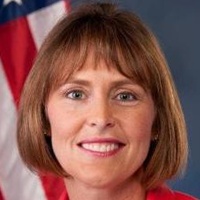
Kathy Castor
Representative
FL
Kathy Castor
Representative
FL
The Keep Kids Covered Act aims to ensure children maintain continuous health coverage under Medicaid and CHIP for longer periods. This legislation extends continuous eligibility for children under age 19, significantly increasing the duration they remain covered without needing to re-enroll. Furthermore, it grants former foster youth continuous Medicaid eligibility until they turn 26.
This Act prohibits the knowing use of artificial intelligence to impersonate a federal official in a materially false or misleading manner, with exceptions for clearly labeled satire or parody.
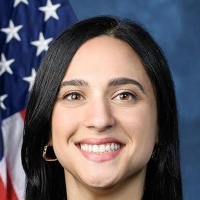
Yassamin Ansari
Representative
AZ
Yassamin Ansari
Representative
AZ
The AI Impersonation Prevention Act of 2025 prohibits the knowing use of artificial intelligence to impersonate a federal official in a way that creates materially false or misleading content. This makes it illegal to generate deepfake audio, video, or text mimicking a government employee without clearly disclosing that the content is not authentic. Exceptions exist for satire and parody, provided the artificial nature of the content is explicitly clear.
This Act prohibits the shackling and detention of pregnant and postpartum noncitizens except in extraordinary, narrowly defined circumstances, while mandating comprehensive healthcare access and staff training.
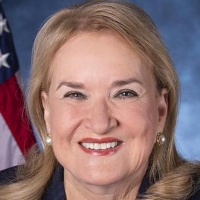
Sylvia Garcia
Representative
TX
Sylvia Garcia
Representative
TX
The Stop Shackling and Detaining Pregnant Women Act aims to significantly reform the detention of pregnant and postpartum noncitizens by establishing a presumption against their detention. This bill strictly limits the use of physical restraints on pregnant detainees and mandates comprehensive reproductive healthcare access. Furthermore, it requires detailed quarterly and annual reporting on the treatment and outcomes of pregnant individuals in custody.
The Facial Recognition Act of 2025 establishes federal regulations requiring court orders for most law enforcement use of facial recognition, mandates accuracy and bias testing, and requires public reporting to protect civil liberties.
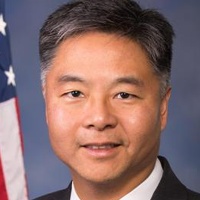
Ted Lieu
Representative
CA
Ted Lieu
Representative
CA
The Facial Recognition Act of 2025 establishes comprehensive federal regulations governing law enforcement's use of facial recognition technology, primarily requiring court orders for most searches and mandating the purging of certain outdated arrest records. The bill enforces strict limits to protect civil liberties, prohibits using the technology as the sole basis for probable cause, and institutes rigorous annual testing for accuracy and bias. Furthermore, it mandates public reporting on usage and allows citizens to sue for violations of these new privacy and accountability standards.
This Act severely restricts the use of solitary confinement in federal facilities, mandates a minimum of 14 hours of daily social interaction for all incarcerated individuals, and establishes strict oversight and state incentives to end the practice nationwide.
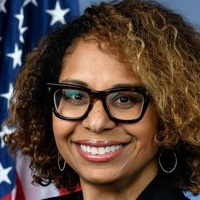
Sydney Kamlager-Dove
Representative
CA
Sydney Kamlager-Dove
Representative
CA
The End Solitary Confinement Act aims to drastically limit the use of solitary confinement in federal facilities by mandating a minimum of 14 hours of daily social interaction for all incarcerated individuals. The bill establishes strict emergency exceptions for isolation, prohibits its use against vulnerable populations, and creates an independent community monitoring body to ensure compliance. Furthermore, it incentivizes states to adopt similar standards by tying federal funding to adherence to these new minimum treatment requirements.
This bill establishes a new system for distributing up to 2,000 additional Medicare-funded residency positions annually from 2026 through 2032, prioritizing hospitals serving underserved areas, and mandates a study on strategies to increase workforce diversity.
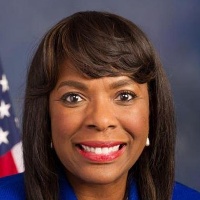
Terri Sewell
Representative
AL
Terri Sewell
Representative
AL
The Resident Physician Shortage Reduction Act of 2025 establishes a structured process for distributing up to 2,000 additional, federally funded residency positions annually between fiscal years 2026 and 2032. This distribution prioritizes hospitals serving in underserved areas, those already training above their limit, and those committed to primary care and general surgery training. The bill also mandates a study and report by the Comptroller General on effective strategies to increase diversity within the health professional workforce.
This bill amends the Family and Medical Leave Act to explicitly qualify time taken for an employee's own organ donation surgery as a serious health condition.
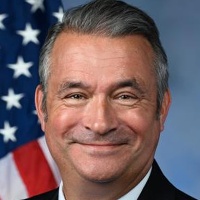
Don Bacon
Representative
NE
Don Bacon
Representative
NE
This bill amends the Family and Medical Leave Act (FMLA) to explicitly clarify that time taken off for an employee's own organ donation surgery qualifies as a serious health condition. This ensures both private and federal sector workers receive FMLA protection for recovery from organ donation. The legislation also specifies how federal employees must substitute existing paid leave when taking FMLA time for this purpose.