Legislative Activity
Track Kathy's sponsored bills, co-sponsored legislation, and voting record
The FAMILY Act establishes a national paid family and medical leave insurance program administered by the Social Security Administration, providing benefits for caregiving related to serious health conditions or victims of violence.

Rosa DeLauro
Representative
CT
Rosa DeLauro
Representative
CT
The FAMILY Act establishes a national Paid Family and Medical Leave Insurance program administered by a new office within the Social Security Administration. This program provides monthly benefits to eligible individuals who take time off for qualified caregiving reasons, including serious health conditions or victims of violence. The Act also sets forth detailed eligibility requirements, benefit calculation formulas, and job protection guarantees for employees utilizing the leave. Finally, it creates a funding mechanism to support existing state-level paid leave programs that meet federal standards.
This resolution expresses support for increasing the number of Latino students and young professionals entering and succeeding in science, technology, engineering, and mathematics (STEM) careers.
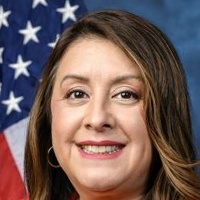
Luz Rivas
Representative
CA
Luz Rivas
Representative
CA
This resolution expresses strong support for increasing the number of Latino students and young professionals entering high-demand careers in science, technology, engineering, and mathematics (STEM). It highlights the significant underrepresentation of Latinos in these vital fields despite their growing presence in the U.S. workforce. The bill encourages federal investment in programs that address barriers and promote STEM education pathways for the Latino community. Ultimately, this focus aims to strengthen the nation's high-skilled workforce and economic competitiveness.
The George Floyd Justice in Policing Act of 2025 comprehensively reforms policing by increasing accountability, mandating transparency through data collection, restricting dangerous tactics, and prohibiting sexual misconduct by officials acting under color of law.
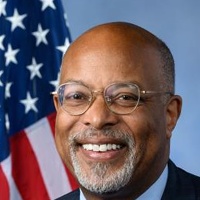
Glenn Ivey
Representative
MD
Glenn Ivey
Representative
MD
The George Floyd Justice in Policing Act of 2025 is a comprehensive bill designed to increase police accountability and transparency nationwide through federal mandates and funding incentives. It reforms standards for prosecuting civil rights violations, eliminates qualified immunity, and establishes national registries for police misconduct and use-of-force data. Furthermore, the Act bans specific dangerous police tactics like chokeholds and restricts the transfer of military equipment to local departments.
This bill posthumously awards a Congressional Gold Medal to honor the groundbreaking civil rights achievements of Constance Baker Motley and authorizes the production and sale of bronze duplicates.
Rosa DeLauro
Representative
CT
Rosa DeLauro
Representative
CT
This bill, the Congressional Tribute to Constance Baker Motley Act of 2025, posthumously awards the Congressional Gold Medal to the pioneering civil rights attorney and federal judge, Constance Baker Motley. The legislation recognizes her historic achievements, including her role in *Brown v. Board of Education* and her service as the first African-American woman appointed as a federal judge. The Secretary of the Treasury is authorized to strike the medal, and provisions are made for selling bronze duplicates to cover production costs.
The RESULTS Act reforms how Medicare determines payment rates for clinical diagnostic laboratory tests by mandating the use of comprehensive, real-world private payor claims data collected from an independent entity.
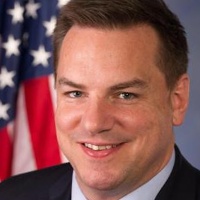
Richard Hudson
Representative
NC
Richard Hudson
Representative
NC
The Reforming and Enhancing Sustainable Updates to Laboratory Testing Services Act of 2025 (RESULTS Act) aims to improve Medicare payment rates for clinical lab tests by mandating the collection of more accurate, real-world payment data directly from large, independent private insurance claims databases. This legislation updates definitions, collection timelines, and calculation methods to ensure Medicare payments for widely available tests reflect current market rates. It also establishes default payment rules if sufficient private payor data cannot be secured.
This bill establishes a national system and interagency committee to coordinate federal efforts, fund community resilience projects, and study data gaps to prevent health emergencies and deaths related to extreme heat.
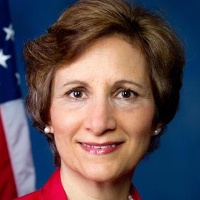
Suzanne Bonamici
Representative
OR
Suzanne Bonamici
Representative
OR
The Preventing HEAT Illness and Deaths Act of 2025 aims to combat the nation's leading weather-related killer by establishing a comprehensive federal strategy against extreme heat. The bill creates an Interagency Committee and a National Integrated Heat Health Information System (NIHHIS) within NOAA to coordinate research, data sharing, and preparedness efforts across government agencies. Furthermore, it authorizes significant financial assistance for community projects focused on heat resilience, prioritizing historically disadvantaged areas. The Act also mandates a national study to identify critical gaps in current heat response policies and infrastructure.
The MORE Act seeks to federally decriminalize cannabis, expunge past non-violent federal cannabis convictions, establish reinvestment programs, and open up SBA access for cannabis-related businesses.
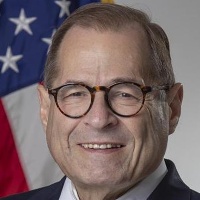
Jerrold Nadler
Representative
NY
Jerrold Nadler
Representative
NY
The Marijuana Opportunity Reinvestment and Expungement (MORE) Act seeks to federally decriminalize cannabis by removing it from the Controlled Substances Act, which will retroactively apply to past offenses. The bill establishes an Opportunity Trust Fund, financed by new cannabis taxes, to reinvest in communities harmed by prohibition. Furthermore, it mandates the expungement of non-violent federal cannabis convictions and opens up Small Business Administration (SBA) programs to legitimate cannabis businesses.
This Act directs the Secretary of HHS to report on and improve state coverage of remote physiologic monitoring devices for pregnant and postpartum Medicaid beneficiaries.
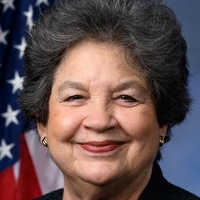
Lois Frankel
Representative
FL
Lois Frankel
Representative
FL
The Connected Maternal Online Monitoring (Connected MOM) Act aims to improve health outcomes for pregnant and postpartum women on Medicaid by examining and addressing barriers to state coverage for remote physiologic monitoring devices. The Secretary of Health and Human Services must report to Congress on current state coverage rules and suggest improvements for utilizing these monitoring tools. Following the report, federal resources provided to states must be updated to reflect the recommended best practices for covering remote maternal health monitoring.
This resolution officially establishes August 20th as Original Slavery Remembrance Day to recognize the history of slavery, honor those who fought against it, and acknowledge its lasting effects.

Al Green
Representative
TX
Al Green
Representative
TX
This resolution officially establishes August 20th as **Original Slavery Remembrance Day** to formally recognize and condemn the history of slavery in the U.S. and globally. It commemorates the lives of enslaved people, honors historical figures who fought for freedom, and acknowledges the lasting effects of slavery on contemporary society. The resolution requests the President to issue a proclamation calling for appropriate national observance of this day.
This bill extends the federal regulations governing High Occupancy Vehicle (HOV) facilities from September 30, 2025, to September 30, 2031.
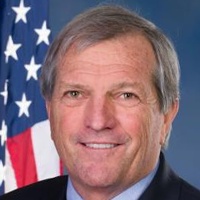
Mark DeSaulnier
Representative
CA
Mark DeSaulnier
Representative
CA
The High Occupancy Vehicle Lane Exemption Reauthorization Act extends the federal regulations governing High Occupancy Vehicle (HOV) facilities. Specifically, this bill pushes back the expiration date for these existing HOV facility rules from September 30, 2025, to September 30, 2031. This ensures the current federal guidelines remain in effect for an additional six years.
This bill penalizes companies that move call center jobs overseas while requiring transparency about agent location and AI use during customer service communications.
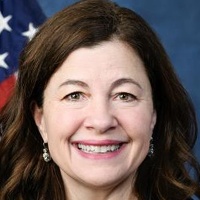
Kristen McDonald Rivet
Representative
MI
Kristen McDonald Rivet
Representative
MI
The Keep Call Centers in America Act of 2025 aims to incentivize keeping customer service jobs in the U.S. by penalizing companies that move call centers overseas with loss of federal grants and contracts. The bill also mandates transparency, requiring businesses to disclose an agent's physical location or the use of AI during customer service communications. Furthermore, it ensures that all call center work performed under a federal contract must be completed within the United States.
This act mandates that the Department of Veterans Affairs must provide abortion care, counseling, and related services and medication to eligible veterans and certain other individuals.
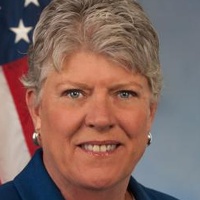
Julia Brownley
Representative
CA
Julia Brownley
Representative
CA
The Reproductive Freedom for Veterans Act mandates that the Department of Veterans Affairs (VA) must now provide abortion care, counseling, and related medication as part of the medical services offered to eligible veterans and certain other beneficiaries. This legislation formally amends existing VA health care provisions to include these reproductive health services.
This bill repeals specific prior health reconciliation provisions and expands eligibility for the Premium Tax Credit by removing the 400% income cap and adjusting the subsidy calculation formula.
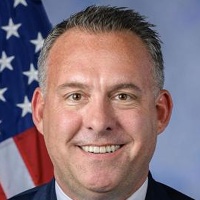
Adam Gray
Representative
CA
Adam Gray
Representative
CA
The Protecting Health Care and Lowering Costs Act of 2025 repeals specific prior reconciliation health provisions. This bill significantly expands eligibility for the Premium Tax Credit by eliminating the 400% Federal Poverty Level income cap. It also updates the subsidy calculation formula to ensure a smoother, linear adjustment of assistance across various income levels.
This act repeals the prohibition on Medicaid payments to certain healthcare entities and mandates retroactive payment for services already rendered under the repealed ban.
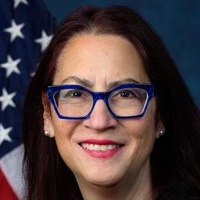
Laura Friedman
Representative
CA
Laura Friedman
Representative
CA
The Restoring Essential Healthcare Act repeals an outdated ban that prevented Medicaid from making payments to certain healthcare providers. This legislation ensures that these previously prohibited entities will now be reimbursed for medical services rendered between the enactment of the original ban and the passage of this Act. In short, it restores payment eligibility and retroactively covers past services.
The EATS Act of 2025 expands eligibility for SNAP benefits by removing previous restrictions for students enrolled at least half-time in recognized educational programs.
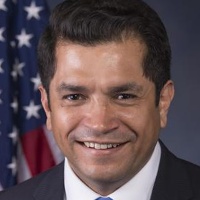
Jimmy Gomez
Representative
CA
Jimmy Gomez
Representative
CA
The EATS Act of 2025 significantly updates eligibility for the Supplemental Nutrition Assistance Program (SNAP) by removing previous restrictions that often disqualified students. This legislation explicitly includes bona fide students enrolled at least half-time in recognized educational programs as eligible participants for food assistance. These changes take effect on January 2, 2026.
The Community Mental Wellness and Resilience Act of 2025 establishes a federal grant program to fund local networks implementing public health strategies to strengthen community mental wellness and resilience, with a set-aside for rural areas.
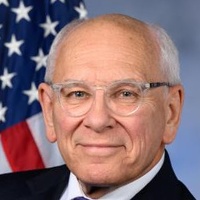
Paul Tonko
Representative
NY
Paul Tonko
Representative
NY
The Community Mental Wellness and Resilience Act of 2025 establishes a new federal grant program to fund local initiatives focused on strengthening community mental wellness and resilience. This program offers planning grants followed by larger competitive program grants to established coordinating networks utilizing a public health approach. A mandatory 20% of funds are set aside to ensure support reaches rural areas.
This bill establishes a new system for distributing up to 2,000 additional Medicare-funded residency positions annually from 2026 through 2032, prioritizing hospitals serving underserved areas, and mandates a study on strategies to increase workforce diversity.
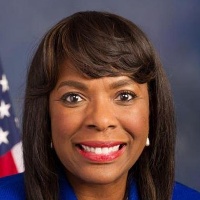
Terri Sewell
Representative
AL
Terri Sewell
Representative
AL
The Resident Physician Shortage Reduction Act of 2025 establishes a structured process for distributing up to 2,000 additional, federally funded residency positions annually between fiscal years 2026 and 2032. This distribution prioritizes hospitals serving in underserved areas, those already training above their limit, and those committed to primary care and general surgery training. The bill also mandates a study and report by the Comptroller General on effective strategies to increase diversity within the health professional workforce.
This Act prohibits businesses from using automated systems that rely on personal data surveillance to set individualized prices or determine worker wages, while preserving stronger state and collective bargaining protections.
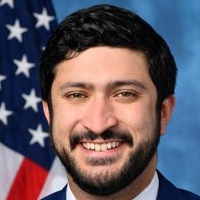
Gregorio Casar
Representative
TX
Gregorio Casar
Representative
TX
The Stop AI Price Gouging and Wage Fixing Act of 2025 prohibits businesses from using automated systems that analyze personal data to set individualized prices or determine employee wages. This legislation establishes strict transparency requirements for any permitted pricing exceptions and grants enforcement power to the FTC, EEOC, State Attorneys General, and private citizens. Furthermore, the Act ensures that existing state laws providing greater protections and collective bargaining rights remain fully in effect.
The COOL OFF Act establishes a mandatory 3-day waiting period for handgun transfers, with specific exceptions for law enforcement, family loans, emergencies, and certain target practice or hunting scenarios.
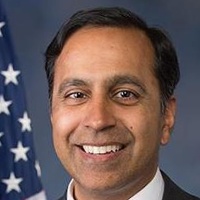
Raja Krishnamoorthi
Representative
IL
Raja Krishnamoorthi
Representative
IL
The Choosing Our Own Lives Over Fast Firearms Act, or COOL OFF Act, establishes a mandatory 3-business-day waiting period before an individual can receive a handgun, whether through a private sale or from a licensed dealer. This waiting period is waived for specific exceptions, such as transfers involving law enforcement, temporary family loans, or emergency situations to prevent serious harm. The law includes penalties for violations and will take effect 90 days after enactment.
The 340B PATIENTS Act of 2025 clarifies that drug manufacturers must provide 340B discounts without imposing restrictions on covered entities' ability to purchase or use those drugs, regardless of dispensing location, and establishes penalties for non-compliance.

Doris Matsui
Representative
CA
Doris Matsui
Representative
CA
The 340B PATIENTS Act of 2025 clarifies and strengthens the existing 340B drug discount program for covered entities like hospitals and clinics. It explicitly prohibits drug manufacturers from placing restrictions on how or where these entities purchase or dispense discounted outpatient drugs, including through contract pharmacies. The bill also establishes significant civil monetary penalties for manufacturers who intentionally violate these non-restriction rules. Ultimately, this legislation aims to ensure that covered entities can fully utilize 340B savings to expand patient care.