
Legislative Activity
Track Maria's sponsored bills, co-sponsored legislation, and voting record
Partisan Hack-O-Meter
This joint resolution terminates the national emergency declared in 2025 to impose global tariffs.

Ron Wyden
Senator
OR
Ron Wyden
Senator
OR
This joint resolution terminates the national emergency declared by the President on April 2, 2025, which was used to impose global tariffs. The termination of this emergency will take effect immediately upon the resolution becoming law.
This joint resolution terminates the national emergency declared to impose duties on articles imported from Canada.

Timothy Kaine
Senator
VA
Timothy Kaine
Senator
VA
This joint resolution officially terminates the national emergency declared by the President on February 1, 2025, which was used to impose duties on articles imported from Canada. It exercises the authority granted under the National Emergencies Act to end the emergency status established by Executive Order 14193.
This joint resolution terminates the national emergency declared in July 2025 concerning duties on articles imported from Brazil.
Timothy Kaine
Senator
VA
Timothy Kaine
Senator
VA
This joint resolution terminates the national emergency declared by Executive Order 14323 on July 30, 2025. The declaration was originally put in place to impose duties on articles imported from Brazil. This bill officially ends that emergency status using the authority granted by the National Emergencies Act.
This comprehensive bill authorizes fiscal year 2026 defense spending, mandates extensive oversight and modernization across military procurement, research, personnel, and health care, while also reforming intelligence community structures and imposing new restrictions on foreign economic competition.

Roger Wicker
Senator
MS
Roger Wicker
Senator
MS
This bill authorizes appropriations for the Department of Defense for Fiscal Year 2026 across procurement, research, operations, and personnel. It imposes significant new oversight, reporting, and planning requirements on major weapon systems and military readiness, while also addressing healthcare expansions, acquisition modernization, and strategic competition with foreign adversaries. Additionally, the legislation includes authorizations for military construction, intelligence activities, Coast Guard operations, and reforms to federal housing and State Department functions.
This bill provides fiscal year 2026 continuing appropriations, extends numerous expiring federal programs for one month, and includes targeted funding adjustments across various agencies including Defense, Health, and Veterans Affairs.

Patty Murray
Senator
WA
Patty Murray
Senator
WA
This Act provides continuing funding for the federal government through Fiscal Year 2026, ensuring all agencies can operate while also extending numerous existing programs for one month into October 2025. It includes specific provisions for the Department of Defense, the Judiciary, and various health and veterans' services, while also making permanent enhancements to Affordable Care Act subsidies. Overall, the legislation maintains the operational status quo for most government functions while addressing specific budgetary and administrative deadlines.
This joint resolution officially terminates the national emergency declared with respect to energy.
Timothy Kaine
Senator
VA
Timothy Kaine
Senator
VA
This joint resolution officially terminates the national emergency concerning energy that was declared on January 20, 2025. By enacting this measure, all special authorities and regulations implemented under the National Emergencies Act due to the energy crisis are immediately canceled.
This resolution authorizes the Senate to consider and vote on a large batch of presidential nominations simultaneously rather than individually.
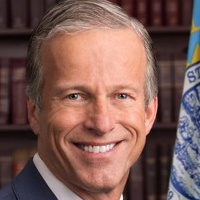
John Thune
Senator
SD
John Thune
Senator
SD
This executive resolution seeks Senate approval to consider a large batch of 108 presidential nominations simultaneously, rather than voting on each individually. The nominations cover numerous key roles across the government, including ambassadors, agency heads, and U.S. Attorneys. This procedural measure allows for the swift confirmation of these appointments across various departments.
This resolution authorizes the Senate to consider and vote on 48 presidential nominations for various federal positions simultaneously in Executive Session.
John Thune
Senator
SD
John Thune
Senator
SD
This executive resolution authorizes the Senate to consider and vote on a batch of 48 presidential nominations simultaneously, rather than individually. This procedural move is designed to expedite the confirmation process for these high-level appointments across various federal agencies and ambassadorships.
This legislation appropriates federal funding for fiscal year 2026 to support military construction, veterans' programs, agricultural and rural development, the Food and Drug Administration, and the operations of the Legislative Branch.

John Carter
Representative
TX
John Carter
Representative
TX
This comprehensive appropriations bill provides funding for fiscal year 2026 across three major sectors: military construction and veterans' affairs, agriculture and rural development, and the operations of the legislative branch. It allocates resources for military infrastructure, veterans' healthcare and benefits, food safety and nutrition programs, and the daily functions of Congress. Additionally, the legislation establishes strict oversight, reporting requirements, and policy directives to ensure fiscal accountability and program efficiency across these federal agencies.
The Rescissions Act of 2025 immediately cancels billions in previously appropriated, unspent budget authority across various international operations, global health, development, and agency funding accounts.

Steve Scalise
Representative
LA
Steve Scalise
Representative
LA
The Rescissions Act of 2025 immediately cancels billions of dollars in previously appropriated budget authority across various federal programs. This bill specifically targets and rescinds unspent funds primarily related to international operations, global health initiatives, and foreign assistance accounts. The rescissions are enacted based on a proposal submitted by the President to Congress in June 2025.
The GENIUS Act establishes a comprehensive federal framework for the issuance, backing, custody, and supervision of payment stablecoins to ensure financial stability and consumer protection.
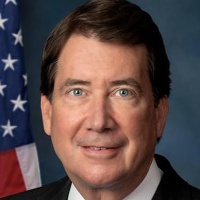
Bill Hagerty
Senator
TN
Bill Hagerty
Senator
TN
The GENIUS Act establishes a comprehensive federal framework for the issuance and management of "payment stablecoins" in the United States. It mandates strict reserve requirements, capital standards, and regulatory oversight for approved issuers to ensure consumer protection and financial stability. The bill also clarifies the legal status of these stablecoins, explicitly stating they are not securities or commodities, while setting penalties for non-compliance.
This Act immediately classifies structurally similar fentanyl compounds as Schedule I controlled substances and strengthens penalties for trafficking them, while also streamlining research registration.

Bill Cassidy
Senator
LA
Bill Cassidy
Senator
LA
The Halt All Lethal Trafficking of Fentanyl (HALT Fentanyl) Act aims to combat the opioid crisis by immediately classifying structurally similar fentanyl-related substances as Schedule I controlled substances. The bill also streamlines the registration process for researchers working with Schedule I drugs and strengthens criminal penalties for trafficking these compounds. The Attorney General is required to issue implementing rules within six months of enactment.
The FEHB Protection Act of 2025 is a massive, multi-title omnibus bill that simultaneously extends farm subsidies, authorizes historic defense spending, restructures tax policy, reforms student aid, increases border security funding, and rolls back environmental regulations.
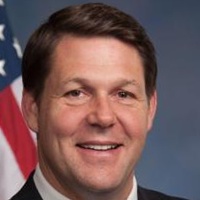
Jodey Arrington
Representative
TX
Jodey Arrington
Representative
TX
The **FEHB Protection Act of 2025** is a comprehensive bill that enacts major policy changes across ten key areas, including farm subsidies, defense spending, tax reform, and border security. It extends farm support programs through 2031, provides substantial new funding for the Department of Defense and military quality of life, and overhauls tax provisions set to expire after 2025. Additionally, the bill adjusts federal agency funding, accelerates domestic energy production mandates, reforms student loan repayment, and establishes new fees for various immigration processes.
This joint resolution disapproves of the EPA's rule reclassifying major sources of air pollution as area sources under the Clean Air Act.
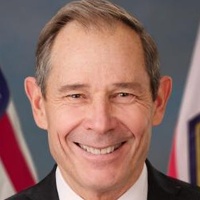
John Curtis
Senator
UT
John Curtis
Senator
UT
This Joint Resolution uses the Congressional Review Act to formally disapprove and nullify an Environmental Protection Agency (EPA) rule. The rejected rule concerned the reclassification of major sources of pollution as area sources under Section 112 of the Clean Air Act. Consequently, the EPA's December 29, 2023, final rule will have no legal effect.
This joint resolution disapproves the Office of the Comptroller of the Currency's rule regarding the review of applications under the Bank Merger Act.

John Kennedy
Senator
LA
John Kennedy
Senator
LA
This joint resolution expresses Congress's disapproval of a recent rule issued by the Office of the Comptroller of the Currency (OCC) concerning the review of applications under the Bank Merger Act. By invoking the Congressional Review Act, this measure nullifies the specific OCC regulation regarding bank mergers. If enacted, the disapproved rule will have no legal force or effect.
This resolution seeks to disapprove and nullify the Environmental Protection Agency's rule regarding California's Low NOX vehicle and engine pollution control standards.
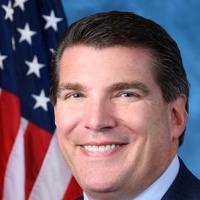
Jay Obernolte
Representative
CA
Jay Obernolte
Representative
CA
This joint resolution seeks to disapprove and nullify a specific rule issued by the Environmental Protection Agency (EPA) regarding California's stringent motor vehicle and engine pollution control standards, known as the "Omnibus Low NOX Regulation." By exercising disapproval under the Congressional Review Act, this measure prevents the EPA's decision on waiving federal preemption for these California standards from taking legal effect. If passed, the EPA's rule will be entirely canceled.
This bill formally rejects the Environmental Protection Agency's recently issued rule concerning California's heavy-duty vehicle and engine pollution control standards.
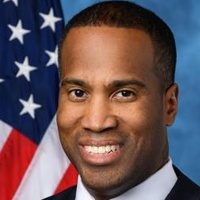
John James
Representative
MI
John James
Representative
MI
This resolution expresses the disapproval of Congress regarding a recent rule issued by the Environmental Protection Agency (EPA) concerning California's motor vehicle and engine pollution control standards. Specifically, it rejects the EPA's proposed regulations covering heavy-duty vehicle emissions, warranties, maintenance, and zero-emission vehicle provisions. By disapproving the rule under the Congressional Review Act, Congress effectively nullifies the EPA's action.
This joint resolution disapproves the EPA's rule allowing California to implement its Advanced Clean Cars II vehicle pollution control standards.
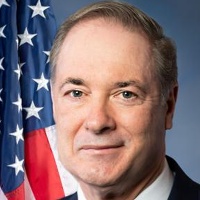
John Joyce
Representative
PA
John Joyce
Representative
PA
This joint resolution expresses Congressional disapproval of the Environmental Protection Agency's (EPA) rule regarding California's "Advanced Clean Cars II" vehicle pollution standards. By rejecting this rule, Congress is effectively canceling the EPA's decision to grant California a waiver allowing it to set stricter emission standards than federal law typically permits. Consequently, the approved California standards will not take effect.
This joint resolution disapproves the National Park Service rule regarding motor vehicles in the Glen Canyon National Recreation Area.

Celeste Maloy
Representative
UT
Celeste Maloy
Representative
UT
This Joint Resolution expresses the disapproval of Congress regarding a recent rule submitted by the National Park Service concerning motor vehicles within the Glen Canyon National Recreation Area. By invoking the Congressional Review Act, this bill effectively nullifies and cancels the Park Service's submitted regulation. As a result, the proposed motor vehicle restrictions will not take effect.
This bill expresses Congressional disapproval of the Environmental Protection Agency's final rule setting National Emission Standards for Hazardous Air Pollutants for the rubber tire manufacturing industry.

H. Griffith
Representative
VA
H. Griffith
Representative
VA
This bill expresses the disapproval of Congress, under the Congressional Review Act, of a specific rule issued by the Environmental Protection Agency (EPA). The rejected rule concerned the National Emission Standards for Hazardous Air Pollutants for the rubber tire manufacturing industry. As a result of this disapproval, the EPA's proposed standards will not take effect.