Legislative Activity
Track Robert's sponsored bills, co-sponsored legislation, and voting record
This act mandates annual reliability assessments and establishes a federal agency review process for regulations that could negatively impact the power grid when generation shortfalls are projected.
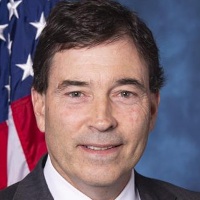
Troy Balderson
Representative
OH
Troy Balderson
Representative
OH
The Reliable Power Act mandates annual long-term reliability assessments by the Electric Reliability Organization (ERO) to proactively identify risks of power shortages. If a "generation inadequacy" is found, it triggers a review process for certain federal agency regulations that affect power generation resources. This ensures federal agencies must address and respond to FERC's recommendations on how their proposed rules might impact the reliability of the bulk-power system before finalizing those actions.
This bill establishes the Professional Student Degree Act to define "professional degree" for student loan purposes, including specific advanced degrees required for professional practice.
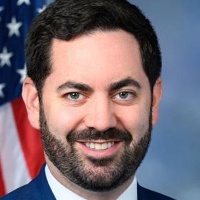
Michael Lawler
Representative
NY
Michael Lawler
Representative
NY
The Professional Student Degree Act seeks to amend the Higher Education Act by formally defining what constitutes a "professional degree" for student loan purposes. This definition specifies degrees that prepare students to immediately begin practicing in a profession and require a skill level beyond a standard bachelor's degree. The bill explicitly lists numerous professional degrees, such as Law, Medicine, and specialized health fields, under this new classification.
This bill authorizes Congress to award Congressional Gold Medals to the 1980 U.S. Men's Olympic Ice Hockey team for their historic "Miracle on Ice" victory.
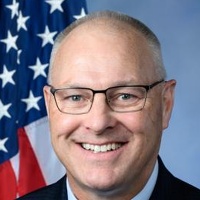
Pete Stauber
Representative
MN
Pete Stauber
Representative
MN
This bill, the Miracle on Ice Congressional Gold Medal Act, officially authorizes Congress to award Congressional Gold Medals to the 1980 U.S. Men's Olympic Ice Hockey Team for their historic "Miracle on Ice" victory. The medals will be struck by the Treasury and permanently displayed at specific national sports museums. The Act also permits the sale of duplicate bronze medals to cover production costs.
This act nullifies a recent Executive Order regarding federal labor relations and ensures existing collective bargaining agreements remain in effect.
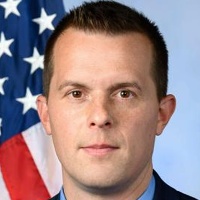
Jared Golden
Representative
ME
Jared Golden
Representative
ME
The Protect America's Workforce Act nullifies a specific Executive Order issued in March 2025 concerning exclusions from federal labor-management relations programs. This legislation ensures that any existing collective bargaining agreements between federal agencies and employee unions remain fully in effect until their stated expiration dates. The Act also prohibits the use of federal funds to implement the overturned Executive Order.
This act mandates protective barriers for new fixed-route bus operator workstations purchased with federal funds, unless waived by the relevant labor union.
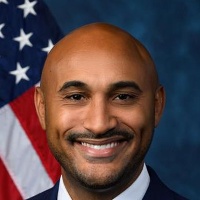
Shomari Figures
Representative
AL
Shomari Figures
Representative
AL
The Bus Operator Safety and Security Act mandates that new fixed-route buses purchased with federal funds, meeting specific size and lifespan criteria, must be equipped with a protective barrier around the operator's workstation. This barrier must fully enclose the area without obstructing the driver's line of sight. This requirement can be waived if the relevant labor union agrees to the waiver for the specific bus purchase.
This bill extends enhanced premium tax credits for 2026, establishes strict anti-fraud measures for health insurance agents and brokers, imposes new accountability and transparency requirements on Pharmacy Benefit Managers (PBMs) in Medicare, and extends the 2026 open enrollment period.
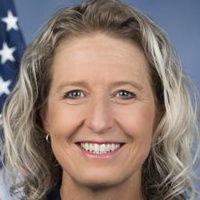
Jennifer Kiggans
Representative
VA
Jennifer Kiggans
Representative
VA
The CommonGround for Affordable Health Care Act extends enhanced premium tax credits for Marketplace health insurance through 2026, while also establishing strict new penalties and verification processes to combat fraud by agents and brokers in health insurance exchanges. Furthermore, the bill imposes significant new transparency and accountability requirements on Pharmacy Benefit Managers (PBMs) contracting with Medicare Part D plans. Finally, it extends the 2026 open enrollment period and creates a fast-track legislative process for future premium tax credit reform bills.
This bill officially renames the U.S. Postal Service facility at 521 Thorn Street in Sewickley, Pennsylvania, as the Mary Elizabeth Bettie Cole Post Office Building.
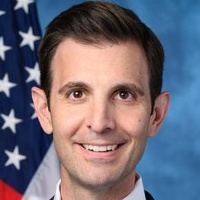
Chris Deluzio
Representative
PA
Chris Deluzio
Representative
PA
This bill officially designates the United States Postal Service facility located at 521 Thorn Street in Sewickley, Pennsylvania, as the "Mary Elizabeth Bettie Cole Post Office Building." This change ensures all future federal references use the newly established name for the building.
This bill extends and enhances Affordable Care Act premium tax credits, implements anti-fraud measures for insurance enrollment, increases PBM accountability in Medicare Part D, mandates full rebate pass-through for ERISA plans, and expands Health Savings Account eligibility for certain Exchange enrollees.
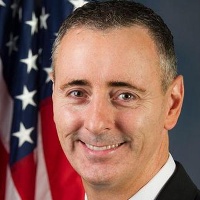
Brian Fitzpatrick
Representative
PA
Brian Fitzpatrick
Representative
PA
The Bipartisan Health Insurance Affordability Act aims to lower healthcare costs by extending and enhancing premium tax credits for Marketplace insurance through 2027. It also institutes strict new anti-fraud measures and verification processes for agents and brokers enrolling consumers in Exchange plans. Furthermore, the bill imposes significant transparency and accountability requirements on Pharmacy Benefit Managers (PBMs) in Medicare Part D and mandates a full pass-through of rebates in certain private health plans. Finally, it expands access to Health Savings Accounts (HSAs) for certain Exchange enrollees.
The Bridges not Bumpers Act of 2025 establishes working groups, funding, and educational campaigns to improve data sharing and prevent commercial truck bridge strikes.
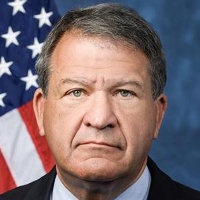
George Latimer
Representative
NY
George Latimer
Representative
NY
The Bridges not Bumpers Act of 2025 aims to reduce commercial truck bridge strikes by establishing a DOT working group to improve data sharing on bridge heights and truck routes, especially for GPS systems. The bill also mandates a national education campaign, creates a central clearinghouse for strike data, and establishes a grant program for research on infrastructure improvements. Furthermore, it addresses liability protections for GPS providers and sets new requirements for rental vehicle companies regarding height disclosure.
This act increases the overtime pay rates for U.S. Border Patrol agents at GS-12 through GS-15 grade levels.
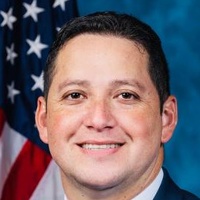
Ernest Gonzales
Representative
TX
Ernest Gonzales
Representative
TX
The Border Patrol Supervisors Retention Act aims to improve retention by establishing higher rates of regularly scheduled overtime pay for certain U.S. Border Patrol agents. This legislation expands eligibility for these enhanced overtime rates beyond GS-12 agents to include those at grades GS-12, GS-13, GS-14, and GS-15.
This Act amends federal law to allow states to use water pollution control revolving loan funds to provide greater financial assistance, such as principal forgiveness, for wastewater projects that address community affordability concerns.
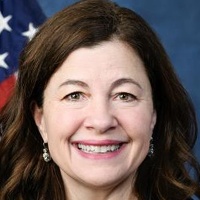
Kristen McDonald Rivet
Representative
MI
Kristen McDonald Rivet
Representative
MI
The Affordable Clean Water Infrastructure Act amends federal law to allow states to provide greater financial assistance, such as principal forgiveness, for wastewater projects that address affordability concerns. This legislation specifically targets helping communities afford wastewater services by expanding the use of water pollution control revolving loan funds. It also sets minimum requirements and provides extra support for rural, small, and tribal water systems.
This act prohibits state and local governments from enacting regulations that restrict energy service based on the type or source of energy sold in interstate commerce.
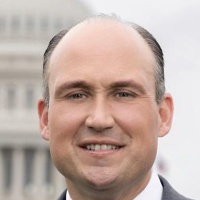
Nicholas Langworthy
Representative
NY
Nicholas Langworthy
Representative
NY
The Energy Choice Act places federal restrictions on state and local governments, preventing them from enacting regulations that prohibit or limit energy service based on its type or source. This means local governments cannot ban or restrict access to energy services sold in interstate commerce. The legislation aims to ensure consistent access to various energy sources across jurisdictions.
The Mikaela Naylon Give Kids a Chance Act primarily focuses on enhancing pediatric drug research, ensuring completion of pediatric study requirements, extending incentives for rare pediatric disease treatments, and making targeted updates to FDA and organ transplant network operations.
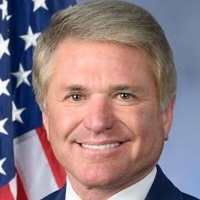
Michael McCaul
Representative
TX
Michael McCaul
Representative
TX
The Mikaela Naylon Give Kids a Chance Act focuses primarily on improving pediatric drug development and ensuring patient access to necessary treatments. This legislation mandates new research requirements for molecularly targeted pediatric cancer drugs, strengthens FDA enforcement of pediatric study completion, and extends incentives for developing drugs for rare pediatric diseases. Additionally, the bill updates organ transplant network functions and establishes an Abraham Accords Office within the FDA to enhance international regulatory cooperation.
This bill allows participants aged 50 and older to roll over employer contributions from a 401(k) plan into an individual retirement annuity before retirement and updates the required rollover explanation provided to taxpayers.
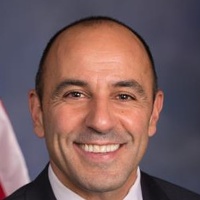
Jimmy Panetta
Representative
CA
Jimmy Panetta
Representative
CA
This bill, the Retirement Simplification and Clarity Act, amends tax code to allow participants aged 50 and older to roll over employer contributions from their 401(k) plan directly into an individual retirement annuity before retirement. It also updates the required written explanation provided to taxpayers regarding rollover rules to ensure it is concise and clearly outlines key tax implications and options. These provisions are set to take effect for taxable years beginning after December 31, 2025.
This bill establishes an SBA pilot program to provide loans to small businesses for constructing, improving, or managing build-to-rent multifamily housing.
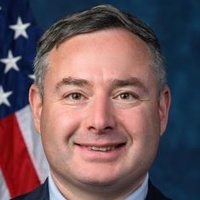
Eugene Vindman
Representative
VA
Eugene Vindman
Representative
VA
The Main Street Home Builders Act of 2025 establishes a pilot program within the Small Business Administration (SBA) to support small businesses involved in building or managing build-to-rent multifamily housing. This program will provide loans through State development companies to help these small businesses construct or improve rental housing projects. The initiative includes specific requirements for lenders and ensures that funded projects result in the creation of new dwelling units.
This bill repeals the requirement for Senate offices to be notified regarding legal processes seeking the disclosure of Senate data.
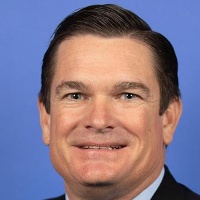
Austin Scott
Representative
GA
Austin Scott
Representative
GA
This bill repeals specific requirements for notifying Senate offices when legal processes seek the disclosure of Senate data. Essentially, it removes existing notification mandates related to legal requests for Senate information.
The Find It Early Act mandates no-cost coverage for additional, recommended breast cancer screenings for high-risk individuals across private insurance, Medicare, Medicaid, TRICARE, and VA health programs starting in 2026.

Rosa DeLauro
Representative
CT
Rosa DeLauro
Representative
CT
The Find It Early Act mandates that certain individuals at increased risk for breast cancer receive additional, recommended screenings with no out-of-pocket costs. This coverage requirement applies across private health plans, Medicare, Medicaid, TRICARE, and the Department of Veterans Affairs. These provisions are set to take effect starting January 1, 2026.
This bill amends federal transportation loan programs (TIFIA and RRIF) to establish flexible creditworthiness standards for projects that incorporate residential or mixed-use development.
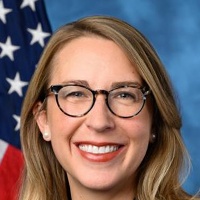
Hillary Scholten
Representative
MI
Hillary Scholten
Representative
MI
The Unlocking Affordable Housing Act modifies federal transportation loan programs, specifically TIFIA and RRIF, to create flexible creditworthiness standards for projects that incorporate residential or mixed-use development. This change aims to encourage the inclusion of housing in transportation infrastructure projects by aligning credit review with standards used by the Department of Housing and Urban Development (HUD). The Secretary of Transportation is required to establish these new, tailored credit rules within 180 days of enactment.
This act mandates Medicare coverage for FDA-approved early detection screening tests for Alzheimer's disease and related dementias beginning in 2028.
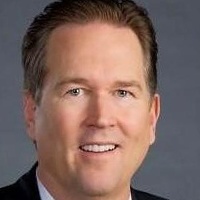
Vern Buchanan
Representative
FL
Vern Buchanan
Representative
FL
The Alzheimer’s Screening and Prevention Act of 2025 (ASAP Act) amends Medicare to cover early detection screening tests for Alzheimer's disease and related dementias starting in 2028. This coverage applies to FDA-cleared tests, including genomic sequencing and other equivalent diagnostic methods, designed to detect pre-symptomatic or early-stage conditions. The bill ensures these screenings are added to the list of covered medical services under Medicare.
This bill mandates the revision of the Standard Occupational Classification system to establish a distinct code for Direct Support Professionals to better recognize their critical role in supporting individuals with disabilities.
Brian Fitzpatrick
Representative
PA
Brian Fitzpatrick
Representative
PA
The Recognizing the Role of Direct Support Professionals Act aims to address the critical shortage and high turnover among Direct Support Professionals (DSPs) who assist individuals with intellectual and developmental disabilities. The bill mandates that the Office of Management and Budget review and revise the Standard Occupational Classification system to establish a distinct code for DSPs. This change will allow for more accurate labor market data collection to better support these essential workers. The Act does not authorize any new funding.